

 PREV


10 Creative Jewelry Packaging Ideas for Small Businesses
2026-07-28




A necklace and a ring need different interior support. Rigid construction gives a package a formed shell, but jewelry fit and shipping protection also depend on the insert and outer pack-out. For jewelry brands, start with the product and how the package will be stored, displayed, gifted, or shipped.
A rigid box, often called a set-up box, arrives in its formed shape instead of shipping as a flat carton that must be folded into a box. The basic system has an outer structure, a covered surface, and an interior that may include a fitted insert. Those parts can be configured in several ways, so “rigid box” describes a construction family rather than one fixed design.
The word “set-up” describes how the box is made and supplied: its walls are formed before the customer opens the package. This distinguishes it from a folding carton, which is creased flat and assembled into shape later. The pre-formed walls give the box a stable presentation shape, but they also take up space while stored and shipped.
Rigid boxes are commonly built around a paperboard core covered with a printed or decorative material. Exact board type, thickness, joints, and wrap depend on the specification. Do not assume that every rigid box uses the same board or that the name alone guarantees a particular compression or drop-test result.
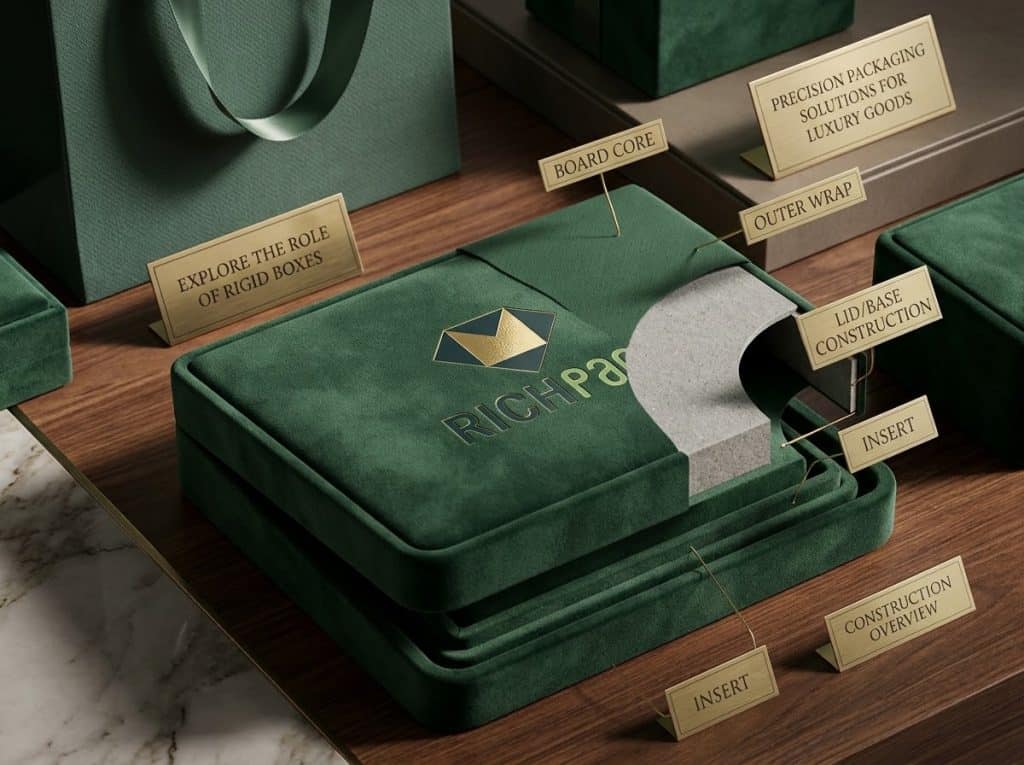
Think of the box as a set of components. The board creates the main form. The outer wrap provides the visible surface. The insert supports or separates the item inside. A coating, laminate, fabric lining, or other finish may change the look and touch, while also affecting material compatibility and end-of-life handling.
These components answer different questions. The board determines the box structure. The wrap carries color, print, or texture. The insert positions the product and controls contact points. A brand brief should list each layer separately rather than asking only for a “luxury rigid box.”
For material options and layer terminology, see our guide to rigid box materials. The specific structure still needs to be confirmed against the product drawing or approved sample.
A lid-and-base box uses a separate cover and bottom. It is a familiar option for jewelry presentation because the opening is direct and the two pieces are easy to identify. Before choosing it, check how far the lid should cover the base, whether it must lift cleanly, and how the insert will stay in place when the box is opened.
The style should fit the product and the opening sequence. A low-profile piece may need a shallow insert that lets the customer lift it without pinching a chain or setting. A deeper box may create room for a larger insert or accompanying card, but adds material and storage volume. Those choices should be made from the actual jewelry dimensions, not from the outer box appearance alone.
A hinged or book-style box keeps its cover attached to the base. It opens like a book, so the inside can be revealed without setting a separate lid aside. This may suit a gift presentation or a piece that benefits from a deliberate reveal.
Check the hinge position, opening clearance, and how the box rests when open. A closure can look refined but still be awkward if the lid blocks the product, the hinge pulls against the wrap, or the insert shifts during handling. Ask to review the actual style sample before approving artwork or production details.
A magnetic closure uses magnets to bring the cover into a closed position. It can create a clean opening action, but it is only one part of the design. The buyer should check where the magnets sit, whether the lid aligns consistently, and whether the opening force works for the intended user.
Do not treat “magnetic” as a quality grade. The perceived result also depends on the cover fit, wrap, hinge or flap, insert, and finish. If the package will be opened repeatedly in retail or at home, test a sample through the expected use rather than judging it from a rendering.
A drawer box slides an inner tray out of an outer sleeve. A shoulder box uses an inner structure that creates a visible step or collar between the base and cover. Both styles can make the opening sequence more distinctive, but they add interfaces that must fit accurately.
For a drawer, check that the tray moves without binding and does not slide out too freely. For a shoulder style, check the exposed shoulder height and how the cover meets it. A jewelry insert must remain level and secure as the tray or cover moves. The required tolerances depend on materials and construction, so request a physical sample for approval.
Rigid boxes support luxury packaging when their formed structure, opening style, and visible surfaces fit the product and customer use. Fit, interior support, and handling still affect the result. A box can shape presentation, but it does not prove protection, product quality, or a higher selling price.
The formed walls give a presentation box a set shape around the product. That can help keep the display package from collapsing during normal handling. The protection a product receives, however, depends on the complete pack-out: the box, insert, cushioning where needed, shipping carton, and how the parcel is handled.
A rigid presentation box is not the same thing as a tested shipping container. If jewelry will travel through parcel networks, decide which layer is responsible for resisting impact and movement. Test the finished configuration, including the outer shipper, instead of relying on the word “rigid.”
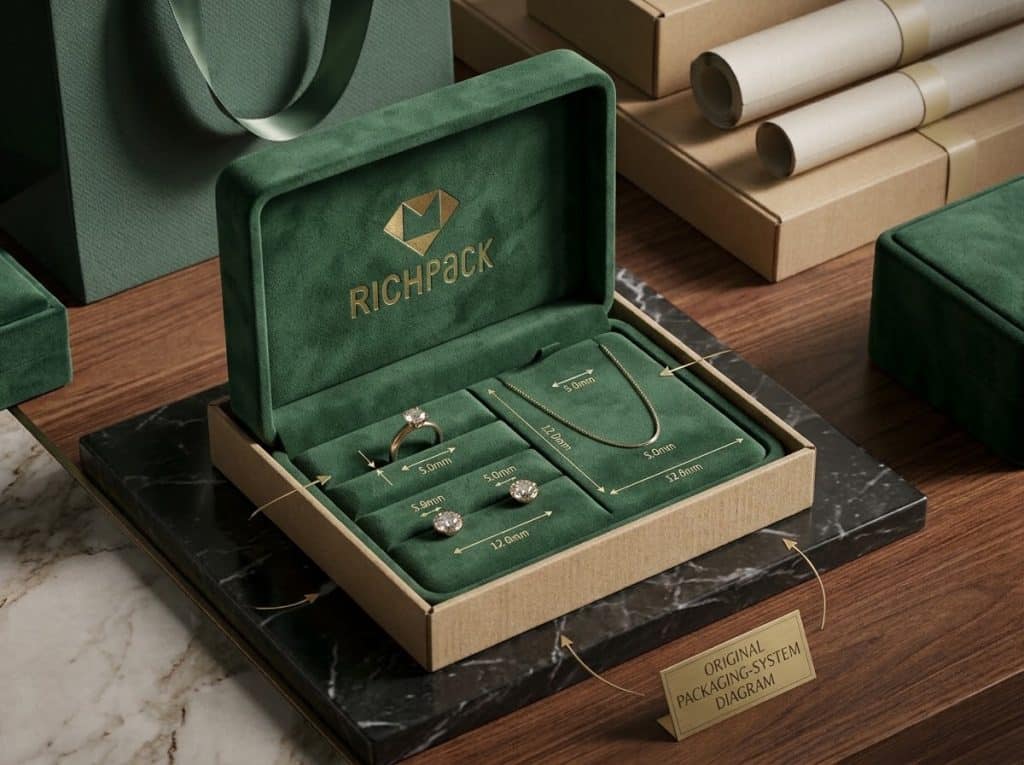
The insert positions the item inside the box. For jewelry, it may use slots, pads, hooks, or shaped recesses, depending on the piece. The goal is to make the item easy to see and remove while limiting unwanted movement and contact between pieces.
Measure the product at its widest and tallest points, including clasps, settings, drops, and other projections. Then check how the piece sits in the insert, whether it can be lifted without force, and whether delicate surfaces touch the box or another item. An insert that looks good in a drawing can still be too tight or too loose in a physical sample.
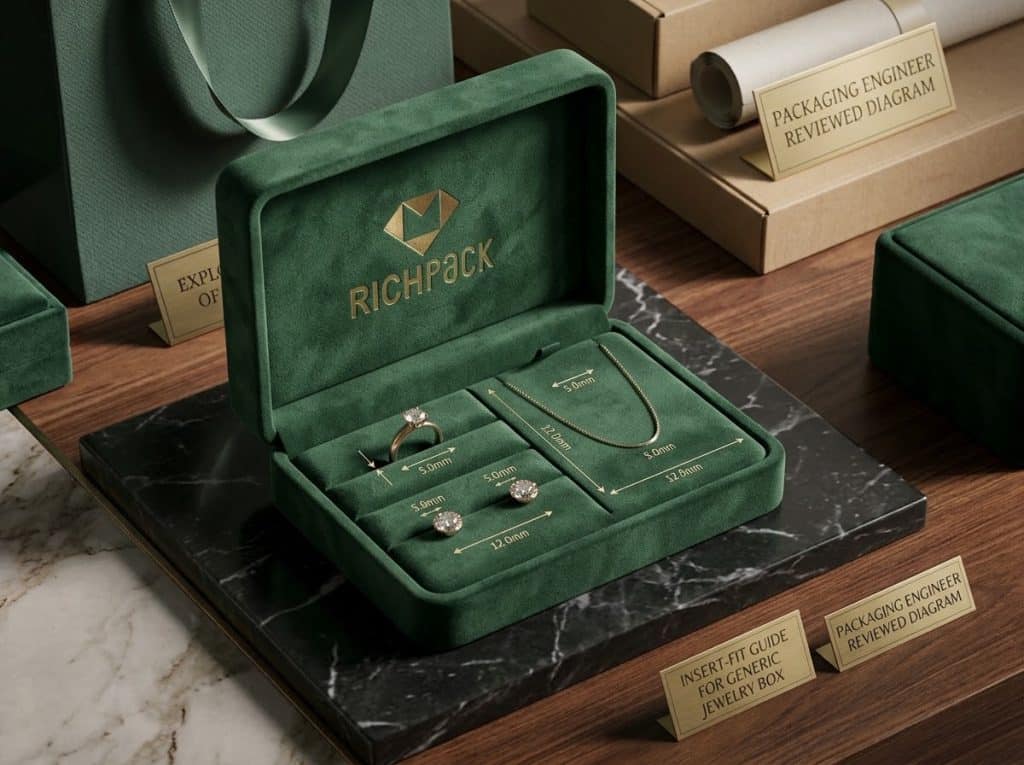
Our custom jewelry box insert information can help readers explore insert options. Confirm the material, dimensions, and fit for the specific piece before treating any option as suitable.
Opening the package is a sequence of actions: locate the opening, lift or slide the cover, see the product, and remove it. A lid-and-base box, a hinged cover, a magnetic flap, and a drawer each create a different sequence. The best choice is the one that matches the product and intended use, not simply the most elaborate mechanism.
For a gift, a slower reveal may help direct attention to the item. For frequent retail handling, quick access and reliable reclosure may matter more. Review the package from the customer’s point of view and check that the closure does not interfere with the insert or product.
The outer wrap and visible surfaces can carry the brand’s color, logo, typography, and finish. The insert can coordinate with the product and the rest of the package. These choices make brand cues part of the physical presentation rather than only part of a printed card or screen.
Choose finishes with the actual substrate and production method in mind. A color seen on a monitor may differ from a printed surface, and a tactile coating may change the appearance of a logo or small text. Approve a physical sample under the lighting in which customers will see it.
Some customers keep a jewelry box after purchase for gifting, storage, or display. If that second use matters, consider whether the box opens and closes easily, whether the insert keeps the piece organized, and whether the exterior marks easily in the expected setting.
These are design questions, not guarantees about long-term storage or jewelry care. A presentation box does not replace care guidance or a jewelry-safe storage specification. Avoid claims such as tarnish prevention unless a verified material or treatment and its test conditions support them.
The outer shell, insert, and shipping carton have different jobs. The rigid shell forms the presentation package. The insert positions the jewelry. Any cushioning and outer shipping carton must handle the distribution risks specified for the order. A good-looking display box may still need a separate shipper for parcel delivery.
Define what “protection” means before choosing the structure. Is the concern surface contact, pieces tangling, the insert shifting, box corners getting crushed, or the parcel receiving impact? Each problem calls for a different check. If a performance claim matters, ask for the tested configuration, method, and conditions.
Rigid boxes are useful when a pre-formed presentation structure serves the product and customer experience. Other formats may fit better when flat storage or quick assembly matters more, or when a separate shipper does the transit work. The comparison below is qualitative. Price and freight depend on dimensions, order quantity, construction, route, and packing configuration.
| Option | Construction and assembly | Storage and shipping considerations | Presentation and interior | Often worth considering when |
| Rigid box | Pre-formed walls, ready in box shape | Uses space in its formed shape. Compare cartonization and order volume. | Defined presentation surface. Insert can be designed around the item. | The formed box and presentation matter to the product experience. |
| Folding carton | Creased paperboard supplied flat and assembled | Flat supply can reduce empty-box storage volume. Assembly is still required. | Print and structure vary by specification. A separate insert may be needed. | Space, assembly, and packaging cost are key constraints. |
| Corrugated shipper | Fluted board structure designed for transport applications | Selected and packed around the distribution route and product | Usually serves as an outer transit layer, not the jewelry display itself | Parcel or bulk transit requires a shipping layer |
| Collapsible rigid box | Rigid-style panels fold or assemble for storage, depending on design | Check collapsed dimensions, setup steps, and reassembly | Can combine a rigid presentation surface with a different storage format | The brand wants a formed presentation but needs to evaluate storage efficiency |
Use this as a first screen, not a specification. A final comparison should use the same product, order quantity, insert, shipping destination, and presentation requirements.
The main difference is how the package is formed and stored. A rigid box arrives in its formed shape. A folding carton ships flat and is opened into a three-dimensional shape during packing. The choice affects storage, assembly, the product’s presentation, and the interior structure available for the item.
Neither format is automatically the right choice for every premium product. A folding carton can carry a considered design, while a rigid box can be wasteful if its size, materials, or distribution path do not serve a clear purpose. Compare samples and a complete pack-out rather than relying on the words “premium” or “standard.”
A rigid presentation box and a corrugated shipper should not be treated as direct substitutes when they serve different layers of the package. The rigid box may present the jewelry and hold a fitted insert. The outer shipper is selected for the transport and delivery requirements.
For e-commerce, ask how the presentation box will be packed inside the shipping carton, whether movement needs to be limited, and what testing is required. The correct outer carton and protective materials depend on product weight, dimensions, route, and handling requirements.
Collapsible rigid formats are designed to reduce the space taken by the empty package before setup, though their construction and assembly vary. Compare the collapsed footprint, the steps needed to form the box, the stability of the finished corners, and whether the insert can be fitted reliably.
Ask to see the collapsed and assembled sample. Check whether the setup is suitable for the packing line and whether the box stays square after assembly. A collapsible structure is only a practical alternative if its assembly and presentation work for the order.
Start with the item. A ring, pair of earrings, chain, watch, and multi-piece set do not have the same shape or support needs. Record dimensions, weight, fragile details, clasps, and how the customer should remove the piece. Then select the interior and box opening around those requirements.
Next, define the sales and delivery context. A boutique handoff, gift order, retail shelf, and parcel shipment may call for different priorities. Choose a rigid box only when its formed structure and presentation solve a real problem for that product and channel.
An empty rigid box occupies its formed space. Folding cartons arrive flat, while collapsible designs may have a reduced pre-assembly footprint. The real operational effect depends on the box size, master carton, pallet or parcel configuration, order size, destination, and whether the packaging is shipped assembled.
Ask the supplier to compare the same approved package in its actual shipping configuration. Review storage volume, outer carton count, freight quote basis, and any assembly labor. Without these inputs, a universal savings percentage or cost conclusion would be misleading.
A lighter or flat-supplied package may be preferable when the product does not need a formed presentation box, storage capacity is limited, or the delivery model favors compact packaging. It can also make sense when a separate insert or mailer already supplies the structure required for the journey.
For a jewelry-specific comparison of portability and protection priorities, see our guide to foldable vs. rigid jewelry packaging. Compare the actual package and route before deciding that one format is always more protective or more economical.
Jewelry brands should specify the item and its use before choosing a box. Record the product dimensions, contact points, insert needs, opening action, and sales or shipping context. This keeps the package brief tied to the jewelry instead of starting with a box style and trying to make the product fit it.
Measure the jewelry itself, including raised settings, clasps, chain drops, earring posts, and any parts that extend beyond the main body. Record the maximum length, width, and height, then note which surfaces should not press against the insert or box.
The internal cavity must let the piece go in and come out without force. Required clearance depends on the insert shape and material. Jewelry dimensions alone do not determine the outer box size. An insert, pouch, card, or accessory also takes space.
Choose an insert layout for how the piece will sit and be removed. A ring slot, earring pair, necklace hooks, and a multi-piece set have different contact and retention needs. Confirm that the insert supports the product without hiding key details or making removal difficult.
For a necklace, check the chain path and clasp so the chain does not bunch or catch. Earring posts and backs need room. A ring setting should not press against the lid. Review these details with the actual piece in a sample.
A pouch can sit inside a rigid box as another presentation or handling component. It serves a different role from a fitted insert. The insert positions the jewelry, while a pouch encloses it in a flexible layer. Decide whether the customer needs both and check that the pouch does not press against or shift the insert.
Pouch material, closure, size, and branding deserve their own brief. Our guide explains how to choose a jewelry pouch for your brand. Keep that decision separate from the rigid box’s dimensions and structural specifications.
Decide how the box will be opened and closed. A separate lid, hinged cover, magnetic flap, or sliding drawer each uses a different action and has different assembly and fit requirements. Consider who will open it, how often it will be reopened, and whether it will sit open for display.
Ask for a sample with the actual insert and closure. Check alignment, opening force, and reclosure. Then confirm the product stays in position. These fit checks do not replace any transit or performance tests required for the shipment.
Review the actual jewelry inside the approved insert, inside the closed rigid box, and inside its intended shipping carton. Confirm fit, removal, closure, movement, surface contact, and the customer-facing presentation. If the order will be shipped, define the distribution conditions and test method with the packaging and fulfillment teams.
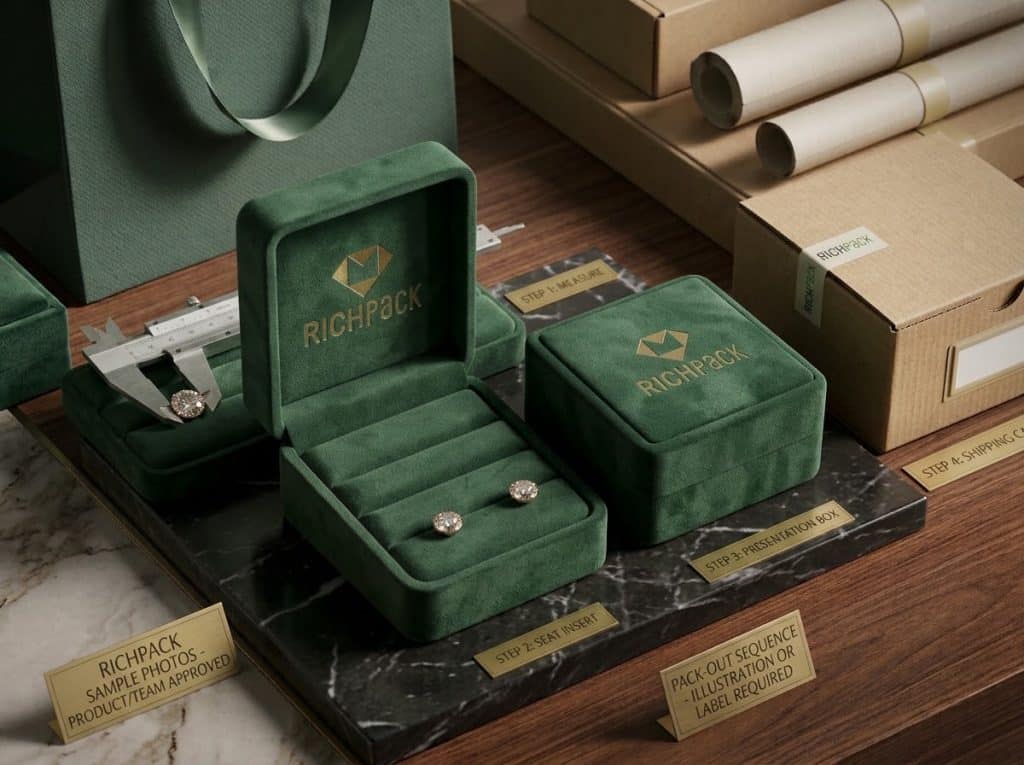
Buyers should compare complete specifications and evidence, not only an exterior rendering or unit-price line. A clear brief lets design, procurement, and fulfillment teams evaluate the same product, quantity, material layers, sample requirements, and delivery conditions.
Include the jewelry type, maximum dimensions, weight, fragile features, insert needs, retail or e-commerce use, gift presentation, destination markets, artwork, expected order volume, and shipping configuration. Identify which details are fixed and which can change after sample review.
For multiple SKUs, note whether they share one box and insert or need separate layouts. Standardizing too early can create a poor fit. Customizing every component can add complexity. The brief should identify the actual trade-off for the collection.
The quoted unit price is only one part of the decision. Ask what the quote includes: board and wrap, print or finish, insert, assembly, sample, packing materials, and shipping configuration. Compare like-for-like quantities and specifications, then review storage and freight based on the real shipping plan.
Rigid-box cost varies with dimensions, layers, finish, construction, insert, order quantity, and supplier process. Without an itemized quote and shipping plan, a precise price comparison or return-on-investment figure cannot be stated responsibly.
Before production, agree which sample will verify the structure, finish, fit, artwork, closure, and pack-out. Record who approves each part and what changes require a revised sample. A visual mock-up can show layout, but it cannot confirm the physical feel, fit, or assembly of the final materials.
Confirm the sample and production schedule directly with the supplier. No minimum order, lead time, or rush capability should be assumed from a generic product description.
Request the specification for the board, wrap, coating or laminate, insert, adhesive, and closure. Then review any environmental claim against the exact component and the destination market. A paper-based board does not establish that a finished multi-material package can be collected or recycled in every location.
If certification is relevant, check the certificate holder, covered material or product, chain-of-custody scope, and validity. Do not infer that a supplier or a complete package is certified from a general material page.
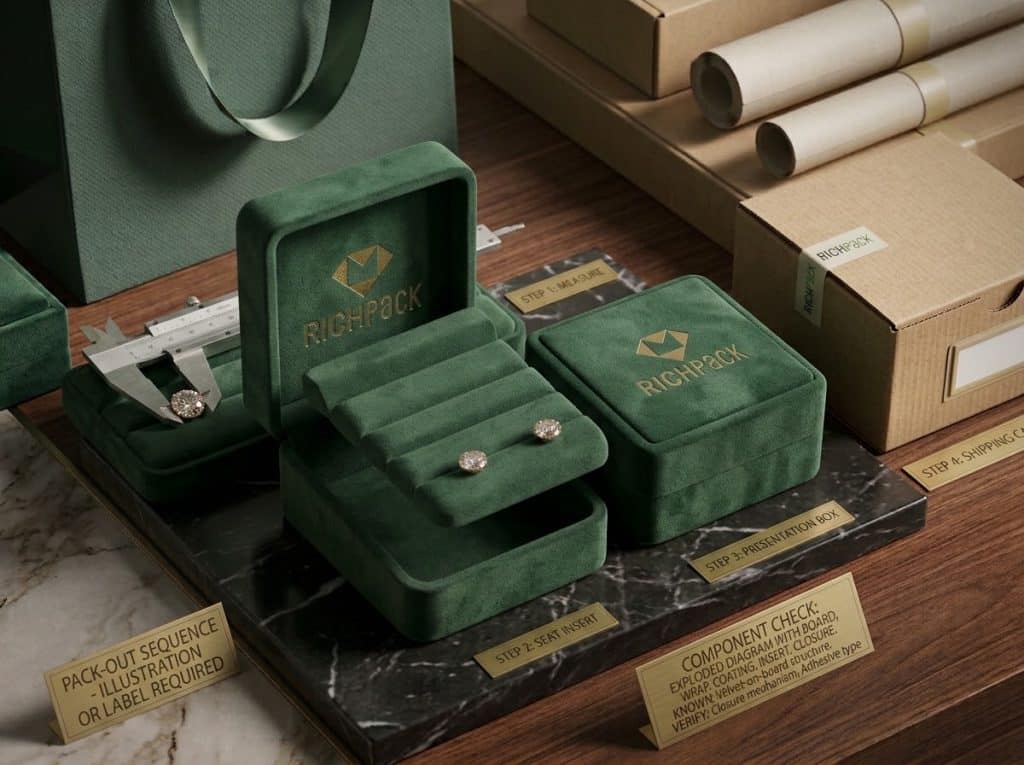
When protection or durability affects the decision, ask what was tested, how the finished pack-out was configured, which method and conditions were used, and what result was recorded. Check whether the test covered the presentation box alone or the box, insert, outer carton, and product together.
Use the evidence that matches the claim. A sample inspection can confirm fit and finish. It does not prove performance across all shipping routes. A shipping test applies only to the tested configuration and conditions.
Rigid boxes are used as pre-formed packaging for products that need a defined presentation structure. They can be paired with an insert and a separate shipping carton, depending on the product and delivery conditions.
Rigid boxes arrive in their formed shape. Folding cartons are supplied flat and assembled into shape. The choice affects storage, assembly, interior design, presentation, and the overall packaging plan.
They can have different cost drivers from folding cartons, including board, wrap, construction, insert, finish, assembly, and shipping volume. Compare complete quotes for the same product, order quantity, and delivery plan rather than relying on a general price claim.
A rigid presentation box alone does not establish that jewelry is protected through shipping. The insert, outer carton, packing configuration, route, and any required testing all matter. Verify the complete pack-out against the actual distribution conditions.
It depends on the materials and construction of the complete package and on collection facilities in the destination market. Check the board, wrap, coatings, insert, adhesive, and closure separately, and verify any environmental or certification claim for its exact scope.
Rigid boxes play a useful role when a pre-formed presentation structure, fitted interior, and opening style serve the product and customer. They are not automatically the best choice for every luxury item, and the box alone does not prove shipping protection or sustainability.
For jewelry, begin with the piece’s dimensions and contact points, then approve the insert, closure, and full shipping pack-out. Compare storage and freight using a like-for-like specification. When you are ready to define a project, contact Richpkg about your jewelry packaging brief and confirm the materials, sample scope, quote, and delivery details for your order.


2026-07-28

2025-02-17

2025-02-19
2026-07-10
2024-11-05
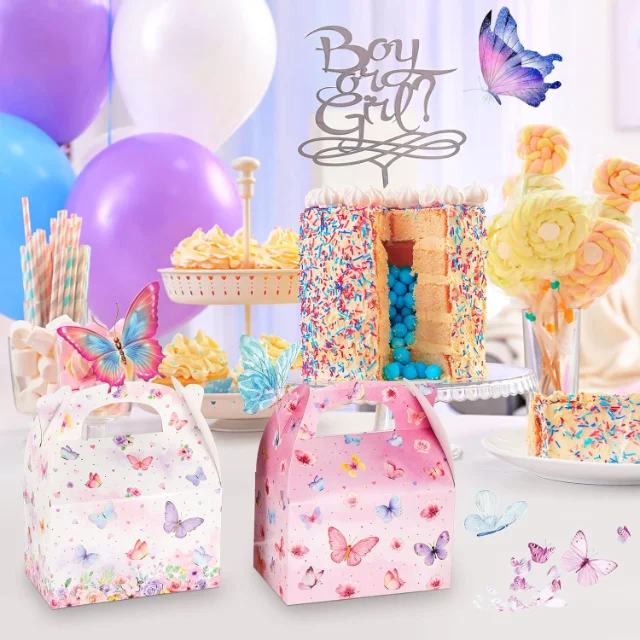
Beautiful Butterfly Box Gifts | Deluxe Butterfly Gift Boxes for Special Occasions and Unique Presentations Bulk Order Options from Richpack
View More
Birthday Gift Packaging – Artful Wraps, Making Gifts Visual Treats on Birthdays
View More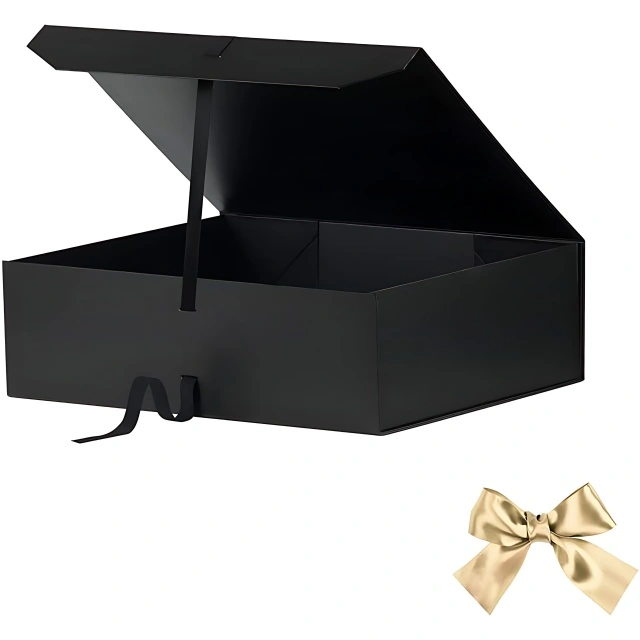
Black box with lid for jewelry | Matte black rigid packaging box with lid | Custom sizes and bulk orders at Richpack
View More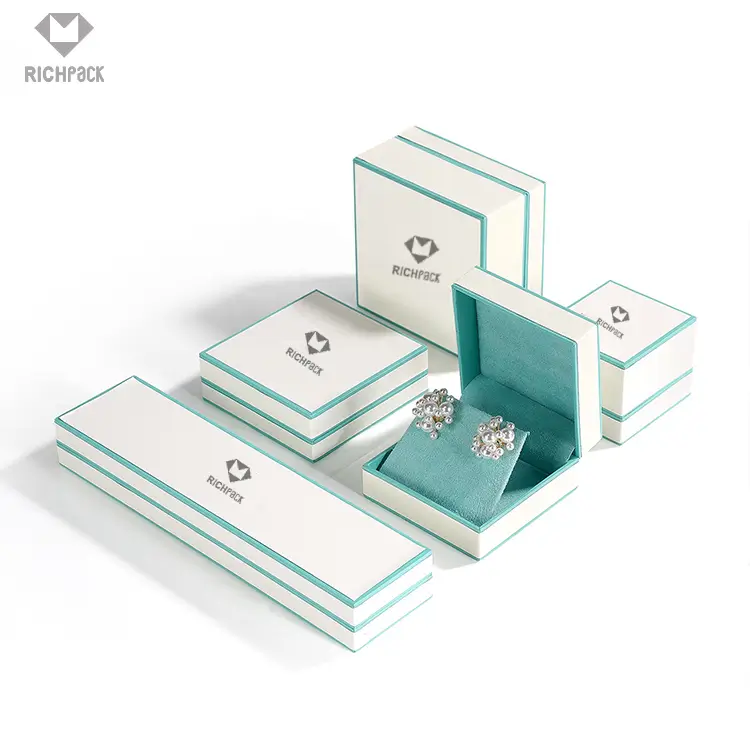
Bulk Jewelry Packaging Solutions with Fast Delivery | Customizable Designs for Retailers and Wholesalers Richpack
View More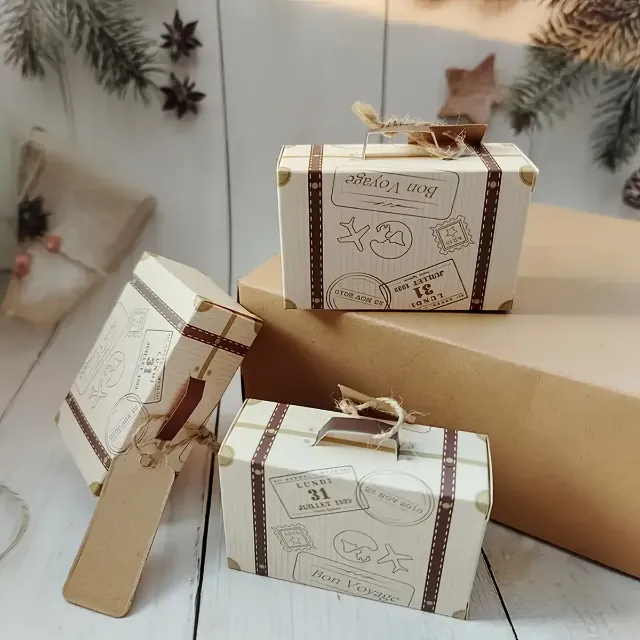
Charming Suitcase Gift Boxes | Unique Mini Suitcase Gift Boxes for Special Occasions and Creative Packaging Custom Service at Richpack
View More
Considerate Padded Quilted Boxes | With Multiple Layers and Soft Padding for Fragile Item Protection
View More

