

 ÖNCEKİ
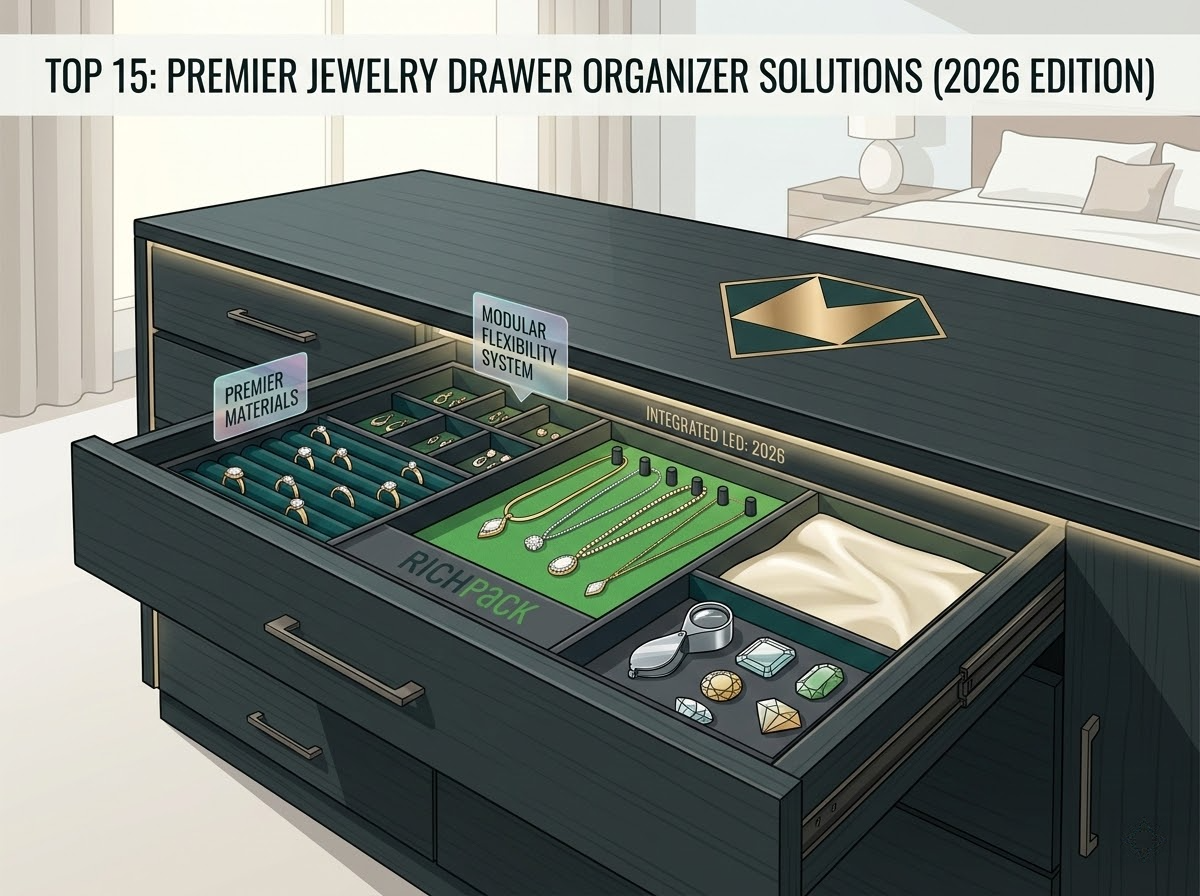
2026 Yılının En İyi 15 Takı Çekmecesi Düzenleyici Çözümü
2026-03-03




Manyetik hediye kutusu dışarıdan bakıldığında basit görünür.
İşte tam da bu yüzden birçok marka tasarımı çok geç yapıyor.
Manyetik kilitli iyi bir hediye kutusu sadece daha güzel bir kapaktan ibaret değildir. Ürün ağırlığı, içindekilerin uyumu, kilit hissiyatı, nakliye riski, marka hikayesi ve tekrar üretim gibi unsurları göz önünde bulunduran eksiksiz bir ambalaj sistemidir.
Bu kılavuzda, doğru manyetik yapıyı nasıl seçeceğinizi, malzeme ve ek parçaları nasıl planlayacağınızı, yaygın üretim hatalarından nasıl kaçınacağınızı ve numuneleri israf etmeden bir tedarikçiye nasıl bilgi vereceğinizi öğreneceksiniz.
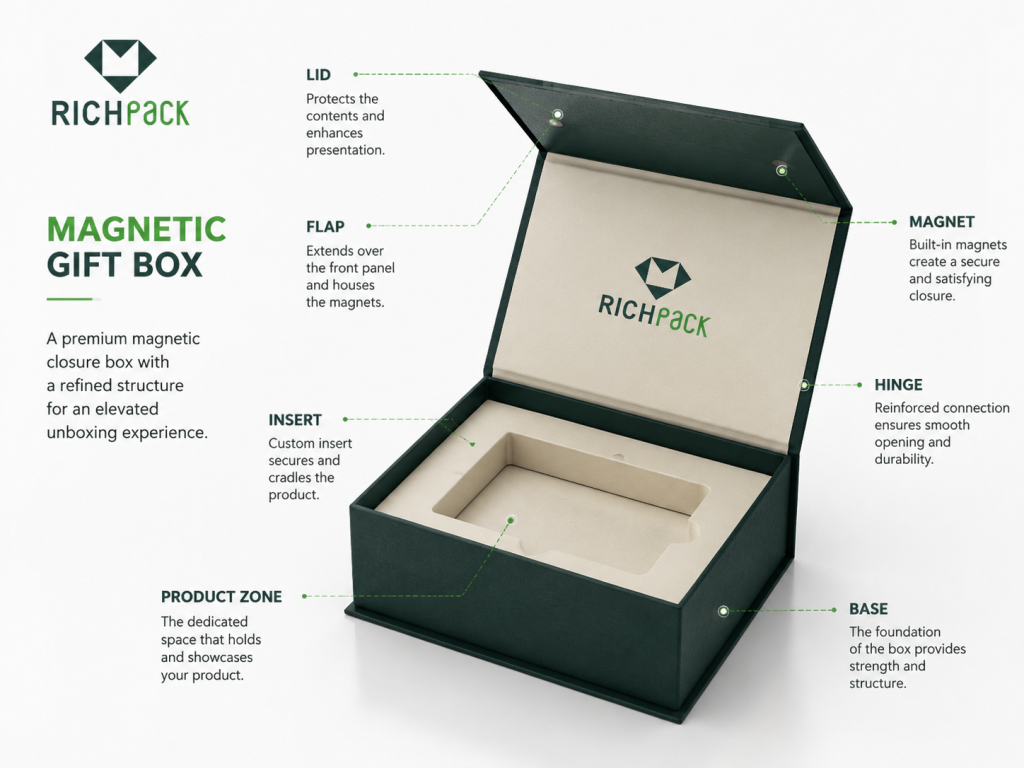
Manyetik hediye kutusu, kapağını kapalı tutmak için gizli mıknatıslar kullanan sert veya katlanabilir bir kutudur. Çoğu modelde ön kapak, menteşeli kapak veya sarmalı kapak bulunur. Mıknatıslar bir araya geldiğinde, kutu düzgün bir şekilde kapanır.
O fotoğraf karesi çok önemli.
Bu, müşteriye içindeki ürünün değerli olduğunu gösterir. Ayrıca kutunun yeniden kullanılmasını, saklanmasını, fotoğraflanmasını ve hediye edilmesini kolaylaştırır.
Mücevher markaları, saat markaları, kozmetik markaları, kurumsal hediye ekipleri ve e-ticaret satıcıları için o küçük manyetik an, ambalajı bir kargo kutusundan ürün deneyiminin bir parçasına dönüştürebilir.
Manyetik kilitli hediye kutularında genellikle iki mıknatıs veya mıknatıs çifti bulunur. Biri kapağın veya iç kapağın içinde, diğeri ise kutunun taban duvarının ön kısmında yer alır.
Mıknatıslar kağıt ambalajın, astar kağıdının, suni deri, kadife veya başka bir yüzey malzemesinin altında gizli kalır. Müşteri sadece sonucu hisseder.
Kapatma işleminin gerçekleşmesi için dört parçaya ihtiyacınız var:
Parçalardan biri arızalanırsa, kutu kalitesizmiş gibi hissettiriyor.
Zayıf bir mıknatıs gevşek hissettirir. Hizalaması kötü olan güçlü bir mıknatıs pürüzlü hissettirir. Eğri bir karton üzerindeki güzel bir kağıt kaplama bile yanlış hissettirir.
Manyetik kilitlenme, kısa bir anlık kesinlik hissi yaratır.
Müşteriler bunu teknik terimlerle tanımlamıyorlar. Kutunun sağlam, pahalı, tatmin edici veya hediye vermeye hazır olduğunu söylüyorlar.
Bu nedenle manyetik kilitli kutular mücevherlerde, saatlerde, parfüm setlerinde, VIP kitlerinde, halkla ilişkiler kutularında ve kurumsal hediyelerde sıklıkla karşımıza çıkıyor. Bu ürünler sadece korumaya değil, kontrollü bir şekilde açılmaya da ihtiyaç duyuyor.
Bir yüzük kutusunun tek bir kahramanlık anı vardır. Bir saat seti ağırlık ve törensellik gerektirir. Sınırlı sayıda üretilen bir cilt bakım seti, ürün açılmadan önce bile raflarda ilgi çekici olmalıdır.
Kapanış, o anın oluşmasına yardımcı olur.
Eğer ürün duygusal satış yapıyorsa, satın alma işleminin tamamlanma hissi ürün hikayesinin bir parçası haline gelir.
Manyetik kapaklı hediye kutusu, ürünü üç şekilde korur.
Birincisi, sert karton, hafif katlanır kartona göre ezilmeye karşı daha dayanıklıdır. İkincisi, manyetik kilit, taşıma sırasında kazara açılmayı azaltır. Üçüncüsü, iç kısım ürünü yerinde tutar.
Bu son kısım, mücevherler için en çok önem taşıyor.
Kolye birbirine dolanabilir. Küpeler dönebilir. Yüzük kart veya kapağa sürtünebilir. Bileklik kargo sırasında kayabilir ve merkezden kaymış olarak gelebilir.
Premium ambalajlarla ilgili müşteri şikayetlerinin çoğu teknik bir konuyla ilgili değildir. Genellikle şöyle ifade edilirler:
Bunlar ambalajlama sistemi sorunları, dekorasyon sorunları değil.
Manyetik hediye kutuları genellikle satın alındıktan sonra müşterinin evinde kalır.
Bu da onları posta zarflarından, ambalaj kağıtlarından ve standart katlanır karton kutulardan farklı kılıyor. Müşteri, kutuyu mücevher saklama, hediye kartları, hatıra eşyaları, kablolar, kozmetik ürünler veya küçük aksesuarlar için yeniden kullanabilir.
Bu, sessiz bir marka avantajıdır.
Logo görünür kalır. Marka rengi ortamda kalır. Ambalaj, satıştan sonra da pazarlama işlevine devam eder.
Üst düzey markalar için yeniden kullanım, belirsiz iddialardan daha iyi bir sürdürülebilirlik mesajı sunar. Müşterilerin sakladığı bir kutu, atık algısını azaltabilir ve marka ile iletişimi uzatabilir.
Ancak aşırı iddialarda bulunmayın.
Yeniden kullanılabilir manyetik hediye kutuları otomatik olarak geri dönüştürülebilir değildir. Mıknatıslar, karışık malzemeler, laminasyon, köpük dolgular ve metalik yüzeyler, kullanım ömrü sonundaki işlemleri karmaşık hale getirebilir.
Ürünün standart bir karton kutunun sağlayabileceğinden daha güçlü bir ilk izlenim bırakması gerektiğinde manyetik hediye kutuları kullanın.
Özellikle şu alanlarda çok iyi sonuç verirler:
Sadece pahalı göründükleri için onları kullanmayın.
Basit katlanır karton kutular, düşük kar marjlı ürünler, hızlı mevsimlik kampanyalar, hafif dolum ürünleri veya sunumdan ziyade nakliye maliyetinin daha önemli olduğu ürünler için daha iyi sonuç verebilir.
| Ürün Durumu | Manyetik Hediye Kutusu Uygun | Neden Şimdi |
| İnce mücevher lansmanı | Yüksek | Üstün görünüm ve güçlü yerleştirme kontrolü |
| Kurumsal VIP kiti | Yüksek | Hediye edilebilir ve tekrar kullanılabilir |
| Uygun fiyatlı aksesuar paketi | Düşük | Birim maliyet, algılanan değerin üzerinde olabilir. |
| E-ticaret hediye seti | Ortadan yükseğe | Dış nakliye planına ihtiyaç var. |
| Ağır ürün seti | Orta | Daha sağlam bir devre kartı, ek parça ve test gerektirir. |
| Hızlı promosyon kampanyası | Orta | Hazır manyetik kutular, tamamen özel yapım olanlardan daha iyi sonuç verebilir. |
En az üç soruya evet cevabı verebiliyorsanız manyetik hediye kutusu seçin:
Altı sorunun tümüne de evet yanıtı veriyorsanız, hazır ambalajlar yerine özel manyetik hediye kutularıyla başlayın.
Sadece bir veya iki soruya evet yanıtı veriyorsanız, önce standart manyetik bir kutuyu veya özel yapım sert bir kutuyu test edin.
Gözden kaçan nokta şu: En iyi manyetik kutu her zaman en lüks olanı değildir. Ürün değerine, müşteri beklentisine ve tedarik zinciri gerçekliğine uyan kutudur.
Manyetik hediye kutuları çeşitli yapılarda mevcuttur.
Yanlış yapı, ilerleyen dönemlerde maliyet, depolama ve kalite sorunlarına yol açar. Doğru yapı ise kutunun üretimini, sevkiyatını, sergilenmesini ve yeniden sipariş edilmesini kolaylaştırır.
Öncelikle ürünün kendisini ve dağıtım kanallarını göz önünde bulundurabilir, ardından hediye kutusu tasarımına karar verebilirsiniz.
Sert manyetik kutular, kalın bir karton ve kaplamalı kağıt ambalaj kullanılarak üretilir. Genellikle sağlam ve kaliteli bir his verir.
Bu, mücevher setleri, saatler, parfümler, hediye kartları, lüks ürün numuneleri ve VIP kitleri için klasik bir tercihtir.
İhtiyaç duyduğunuzda kullanın:
Dezavantajı lojistik sorunlarıdır.
Sert kutular katlanmaz. Daha fazla depo alanı ve nakliye hacmi kaplarlar. Bu da özellikle uluslararası nakliyede nihai maliyeti artırabilir.
Sadece birim fiyatı karşılaştırırsanız, gerçek rakamı kaçırırsınız. Kullanılabilir kutu başına toplam maliyeti karşılaştırın.
Katlanabilir manyetik hediye kutusu demonte olarak gönderilir ve kullanımdan önce monte edilir. Genellikle gizli yapışkan şeritler, katlanabilir paneller veya katlanabilir köşeler kullanılır.
Bu yapı, markaların depolama hacmini ve nakliye baskısını azaltmasına yardımcı olur.
E-ticaret hediyeleri, mevsimlik kampanyalar, abonelik setleri ve lansmandan önce çok sayıda kutu depolaması gereken markalar için idealdir.
Karşılığında hissedilen şey ise duygudur.
Katlanabilir manyetik hediye kutusu, tamamen sert bir kutu kadar sağlam hissettirmeyebilir. Menteşede katlanma izi görülebilir. Köşeler, tekrarlanan montajdan sonra keskinliğini kaybedebilir.
Lojistik önemliyse katlanabilir olanı tercih edin. Dokunma hissi ve kalıcılık daha önemliyse, sert olanı tercih edin.
Kitap şeklinde manyetik kutu, ciltli bir kitap gibi açılıyor.
Bu yapı size güçlü bir hikaye anlatma yüzeyi sunar. İç kapağı bir mesaj, sertifika, ürün hikayesi, bakım kılavuzu veya QR kodu için kullanabilirsiniz.
O uyuyor:
Kitap şeklinde kutular, açılma sırasının önemli olduğu durumlarda en iyi sonucu verir. Müşteri kapağı açar, mesajı görür ve ardından ürünü görür.
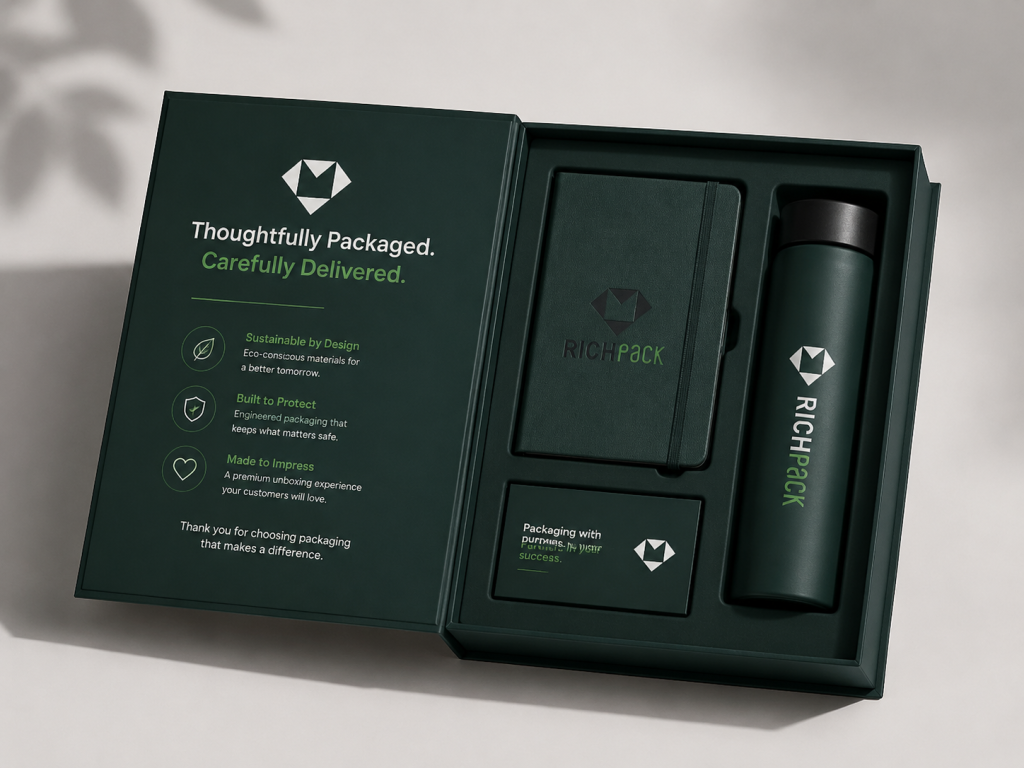
Manyetik kapaklı hediye kutuları, sarmalı kapak, ayrı kapak veya menteşeli kapak kullanabilir.
Kapak stili, açılma yolunu etkiler.
Menteşeli bir kapak, yönlendirme hissi verir. Ayrı bir kapak, törensel bir hava katar. Çepeçevre saran manyetik kapak ise güvenli ve kompakt bir his verir.
Takılar için menteşeli kapaklar ve kitap tarzı manyetik kutular genellikle en iyi sunumu sağlar. Daha büyük hediye setleri için ayrı bir kapak paketlemeyi kolaylaştırabilir.
Önemli olan uyumdur.
Kapak tam oturmazsa, müşteriler logoyu fark etmeden önce bunu görürler.
Çekmeceli kutu, sürgülü bir açma mekanizması oluşturur. Bazı çekmeceli kutulara, kılıfı veya tepsiyi yerinde tutmak için mıknatıslar eklenir.
Çekmeceli kutular daha yavaş ve dokunsal bir his veriyor. Manyetik kilitli kutular ise daha temiz ve anında bir his veriyor.
Çekmece stillerini istediğiniz zaman kullanın:
Manyetik kilitli kutuları istediğiniz zaman kullanın:
Trendlere göre seçim yapmayın. Ortaya çıkan davranışlara göre seçim yapın.
Katmanlı hediye setleri, tek ürünlü kutulara göre daha fazla planlama gerektirir.
Bir mum, bileklik, bakım kartı, kese ve numune şişesi aynı tepsi içinde aynı şekilde davranmaz. Her bir öğenin farklı ağırlığı, yüksekliği, kırılganlığı ve dokunma önceliği vardır.
İyi tasarlanmış, katmanlı manyetik hediye kutuları bölgeler kullanır.
Sonuncusunu unutmak çok kolay.
Müşteriler ürünü kutudan düzgün bir şekilde çıkaramazlarsa, kutu ne kadar güzel görünürse görünsün başarısız olur.
Hazır manyetik kutular zaman kazandırır. Tamamen özel tasarım manyetik hediye kutuları ise size kontrol imkanı verir.
Hızlı baskı, basit logo baskısı, düşük karmaşıklık veya küçük bir kampanya gerektiğinde hazır karton kutular kullanın.
Tam boyut, marka rengi, iç tasarım, malzeme kontrolü, özel yüzey işlemi, küresel lansman tutarlılığı veya tekrarlanan üretim gerektiğinde tam özelleştirme seçeneğini kullanın.
| Opsiyon | En | Ana avantaj | Ana Risk |
| Stok manyetik kutu | Hızlı hediye kampanyaları | hız | Sınırlı boyut ve renk kontrolü |
| Yarı özel kutu | Logo ve basit marka ihtiyaçları | Bakiye | İç parça tam olarak oturmayabilir. |
| Tamamen özel yapım kutu | Premium ürün lansmanı | En iyi marka kontrolü | Örnekleme ve zaman çizelgesi gerekiyor. |
Manyetik özelliği zayıf olan kutuların çoğu dekorasyonla başlar.
Öncelikle üründen başlayın.
Hafif bir çift küpe için kullanılan kutu, bir saat seti için gereken aynı karton, iç kısım veya kilit gücüne ihtiyaç duymaz. E-ticaret için kullanılan bir kutu, butikte teslim edilen bir kutudan farklı bir kargo planı gerektirir.
Tasarım, bir ilham panosundan değil, kullanımdan başlar.
Ürün ağırlığı yapısal kararları etkiler.
Hafif bir sarkıt lamba için yumuşak bir iç kısım ve zarif bir açıklık gerekebilir. Ağır bir saat, mum veya kurumsal teknoloji hediyesi için ise daha sağlam bir altlık, daha sıkı bir iç kısım desteği ve daha iyi düşme direnci gerekir.
Öncelikle şu soruları sorun:
Yanıt, kart kalınlığını, mıknatıs sayısını, ek malzeme türünü, yapıştırma alanını ve dış nakliye korumasını değiştirir.
İşte birçok markanın ambalajlama konusunda yetersiz kaldığı nokta burası. Masada güzel bir örnek onaylıyorlar, sonra da kutunun nakliye, nem, istifleme ve son kilometre teslimatından sonra farklı davrandığını keşfediyorlar.
El, göz ve ürün sıralamasını haritalandırın.
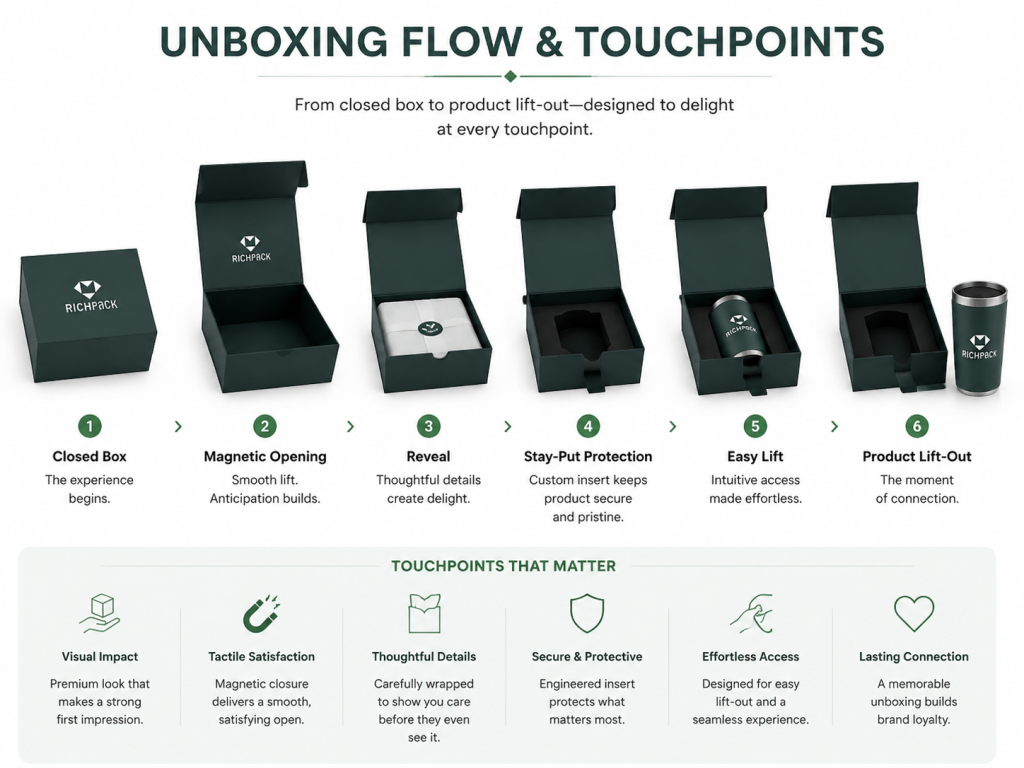
El kapağı açar. Göz içerideki mesaja veya ürüne takılır. Ürün çıkarılır. Müşteri paketin saklamaya değer olup olmadığına karar verir.
Bu yol basit gibi görünüyor. Ama değil.
Manyetik bir kilit, ürünün yavaşça açılmasını destekleyebilir veya tamamen kesebilir. Sert bir kapak, müşterinin kutuyu açmak için mücadele etmesine neden olabilir. Gevşek bir iç kısım ise, müşteri ürüne dokunmadan önce ürünün dağınık görünmesine yol açabilir.
Şu sırayı kullanın:
Bu parça bir aksesuar değildir.
Bu kısım, manyetik kutunun ürünü koruyup korumayacağına, ürünü sergileyip sergilemeyeceğine veya sadece boş alan tutacağına karar veren kısımdır.
Sık kullanılan ek parça seçenekleri şunlardır:
Takılar için, iç parça, çıkarılmasını zorlaştırmadan hareketi kontrol etmelidir.
Yüzük yuvası, yüzüğü dik tutmalıdır. Kolye yuvası, karışmayı azaltmalıdır. Küpe yuvası, küpelerin hizalı kalmasını sağlamalıdır. Bileklik yuvası ise baskı izlerini önlemelidir.
Ürün şekli, taş yerleşimi, tokası veya zincir uzunluğu gibi unsurların tam uyum sağlaması gerektiğinde özel mücevher kutusu iç parçaları kullanın .
Kaplamalar markayı desteklemeli, zayıf yapıları örtbas etmemelidir.
Yaldız baskı, üst düzey bir görünüm sağlayabilir. Kabartma, dokunsal değer katabilir. Yumuşak dokulu laminasyon, modern bir hava yaratabilir. Noktasal UV baskı ise kontrast oluşturabilir.
Çok fazla yüzey işlemi gürültüye neden olur.
En güçlü premium kutular genellikle hiyerarşik bir yapı kullanır:
| Bitiş | En iyi kullanımı | Dikkat Edilmesi Gerekenler |
| Damgalama folyo | Logo, çerçeve, sınırlı detay | Çok fazla folyo kullanmak abartılı görünebilir. |
| Kabartma | Üstün dokunsal markalama | Yeterli kağıt kalınlığına ihtiyaç var. |
| girinti oluşturma | Minimalist lüks görünüm | Bazı kağıtlarda düşük kontrast |
| Nokta UV | Desen veya logo kontrastı | Çizikler görünebilir. |
| Yumuşak dokunuşlu laminasyon | Modern ve üst düzey bir his | Koyu renkler üzerindeki parmak izleri |
| Mat laminasyon | Temiz perakende görünümü | Soluk renkler cansız görünebilir. |
Zayıf bir yapıyı dekorasyonla onarmaya çalışmayın. Önce yapıyı düzeltin.
Renk tutarlılığı, ilk numuneye kıyasla tekrarlanan siparişlerde daha önemlidir.
Tek bir kutu örneği mükemmel görünebilir. İkinci parti ise biraz farklılık gösterebilir. Küresel bir marka bu değişikliği hemen fark edebilir çünkü ambalajlar eski stokların, perakende teşhir standlarının, e-ticaret görsellerinin ve kampanya materyallerinin yanında yer alır.
Planlayın:
Koyu renkler ayrıca daha fazla kusuru ortaya çıkarır. Siyah, yumuşak dokulu kutular parmak izlerini, yapıştırıcı izlerini, tozu ve çizikleri gösterebilir. Beyaz kutular ise kenar lekelerini ve kullanım izlerini gösterebilir.
Bu, koyu veya beyaz kutulardan kaçınmak anlamına gelmez. Bu, onları dürüstçe test etmek anlamına gelir.
Premium bir kutunun yine de sıkıcı kısmı atlatması gerekiyor.
Depolar istifliyor. Kargo şirketleri taşıyor. Kuryeler teslim ediyor. Müşteriler de tüm bu işlemlerden sonra paketi açıyor.
İnternet üzerinden satış yapıyorsanız, manyetik hediye kutusunu asla tek koruyucu katman olarak görmeyin. Dış kısımda bir kargo kutusu, posta kutusu, karton veya koruyucu kılıf kullanın. Premium kutu, hediyenin bir parçası olabilecek kadar temiz bir şekilde ulaşmalıdır.
ISTA, ambalaj testlerinin erken tarama testlerinden genel taşıma tehlikelerinin simülasyonlarına kadar uzandığını açıklıyor. Her proje için her resmi testi yapmanız gerekmez, ancak nakliye hasarının rastgele değil, tahmin edilebilir olduğunu düşünmelisiniz.
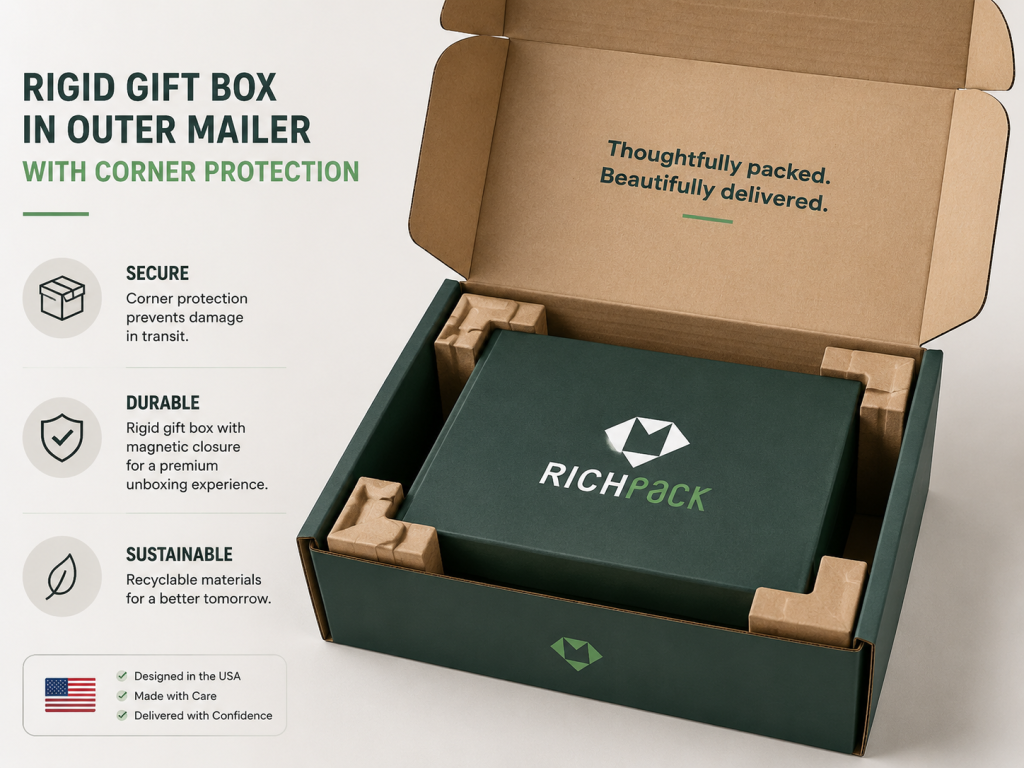
Sürdürülebilir manyetik ambalajlama, özel kararlar gerektirir.
Sadece yeşil bir simge eklemeyin.
Daha iyi seçenekler arasında FSC sertifikalı kağıt, geri dönüştürülmüş karton, karton ek parçalar, çıkarılabilir mıknatıslar, su bazlı kaplamalar, plastiksiz tepsiler ve daha düşük hacimli katlanabilir yapılar yer almaktadır.
Zor olan kısım, ödünleşmeleri kontrol etmektir.
Bazı çevre dostu malzemeler, üst düzey mücevherler için fazla sade görünebilir. Bazı lüks kaplamalar geri dönüştürülebilirliği azaltır. Bazı ek parçalar daha iyi koruma sağlar ancak farklı malzemelerin bir arada kullanılmasına neden olur.
RichPack'in sürdürülebilir mücevher ambalaj kutusu doğru yönü gösteriyor: yapı, doku, iç malzeme kalitesi ve logo uygulamasını en üst düzeyde tutarken malzeme sorumluluğunu da artırıyor.
Sürdürülebilir mücevher ambalajını, marka lüks hissini kaybetmeden çevre dostu bir yönelim sergilemek istediğinde pratik bir referans olarak kullanın .
Örneklemin kasıtlı olup olmadığına teknik detaylar karar verir.
Bu bölüm, birçok genel kılavuzun çok erken kestiği yerdir. Size manyetik kutuların güçlü ve güzel olduğunu söylerler. Ancak logonun neden ters basıldığını, kapağın neden kapanmadığını veya bir kutunun nakliyeden sonra neden yamuk göründüğünü açıklamazlar.
Bunu düzeltelim.
Manyetik sert kutuların çoğu, yapısal çekirdek olarak gri karton, yonga levha veya başka bir sert karton kullanır.
Kutuya şeklini karton verir. Dış kaplama yüzeye görünüm kazandırır. İç astar ise iç yüzeye son dokunuşu verir.
Ürün boyutuna, ağırlığına, kutu açıklığına ve kalite hissine göre karton kalınlığını seçersiniz. Daha büyük kutular genellikle daha fazla sertliğe ihtiyaç duyar. Ağır ürünler daha güçlü desteğe ihtiyaç duyar. İnce kutular ise menteşe kontrolüne özen gerektirir.
Sık yapılan bir hata, bir tahtayı yalnızca dokunarak seçmektir.
Numune boşken sağlam hissedilebilir. Ürünle doldurulduğunda esneyebilir. Ayrıca laminasyon, tutkal kuruması, istifleme veya nakliye sonrasında da değişiklik gösterebilir.
Mıknatısların yerleşimi, kapanma hissini kontrol eder.
Mıknatısların doğru noktada buluşması gerekiyor. Kapağın yeterli temas alanına sahip olması gerekiyor. Kapanma çizgisinin sabit kalması için levhanın yeterli sertliğe sahip olması gerekiyor.
Supermagnete'in kendin yap manyetik kutu kılavuzu, faydalı bir prensibi gösteriyor: mıknatıs bir girintiye oturmalı ve eşleşen mıknatısla doğrudan hizalanmalıdır. Bu prensip, malzeme ve üretim süreci daha gelişmiş olsa bile, ticari ambalajlar için de geçerlidir.
Tedarikçinizden şunları teyit etmesini isteyin:
Eğer sargı veya astar çok fazla kalınlık katarsa, kapanma mekanizması zayıflayabilir.
Manyetik kutupluluk kulağa basit gelse de, bir örneği bozduğunda işin içine girince daha da karmaşıklaşıyor.
Mıknatıslar yanlış yöne bakarsa birbirlerini iterler. Merkezden uzak dururlarsa, kapak yana doğru çekilir. Bir mıknatıs çok güçlü olursa, açılış agresif bir şekilde gerçekleşir.
En iyi kapanış, bir tuzak gibi hissettirmez. Yönlendirilmiş hissettirir.
Kaliteli ambalajlar için, kapağın kapanma mekanizmasını tek elle test edin. Müşteriler genellikle diğer elleriyle ürünü, telefonu, çantayı veya fişi tutarlar.
Eğer iki el ve sabır gerektiriyorsa, kutu göründüğü kadar kaliteli değil demektir.
Menteşe, tekrarlanan açma-kapama gerilimine maruz kalır.
Manyetik kilitli sert kutularda, menteşe bölgesinde genellikle karton boşlukların üzerine kağıt sargı, kumaş veya esnek kaplama malzemesi kullanılır. Boşluk çok dar olursa menteşe çatlayabilir. Çok gevşek olursa kapak gevşek bir his verir.
Katlanabilir manyetik kutular burada ekstra dikkat gerektiriyor. Kutunun montaj, depolama ve yeniden kullanım sırasında hareket etmesi nedeniyle katlama çizgileri daha fazla zorlanıyor.
Menteşenin dayanıklılığını, numuneyi normal bir müşterinin yapacağından daha fazla kez açıp kapatarak test edin.
Bu aşırıya kaçmış gibi geliyor. Ama değil.
Toptan alıcılar, perakende ekipleri, fotoğrafçılar ve satış temsilcileri, bir müşteri görmeden önce aynı kutuyu defalarca açabilirler.
Manyetik sert kutu kalıp çizgisi, düz karton şablonu değildir.
Bu, katlanabilen, sarılabilen, yapıştırılabilen, ters çevrilebilen ve tahta parçalarının etrafına hizalanabilen panelleri içerir. PackMojo'nun kalıp kılavuzu yaygın bir soruna dikkat çekiyor: bazı paneller aynı yönde kalırken, diğerlerinin ters çevrilmesi veya döndürülmesi gerekiyor.
Bu durum logolar, desenler, oklar, metinler, monogramlar ve kapak içi mesajlar için önemlidir.
Sanat eserini onaylamadan önce şunları kontrol edin:
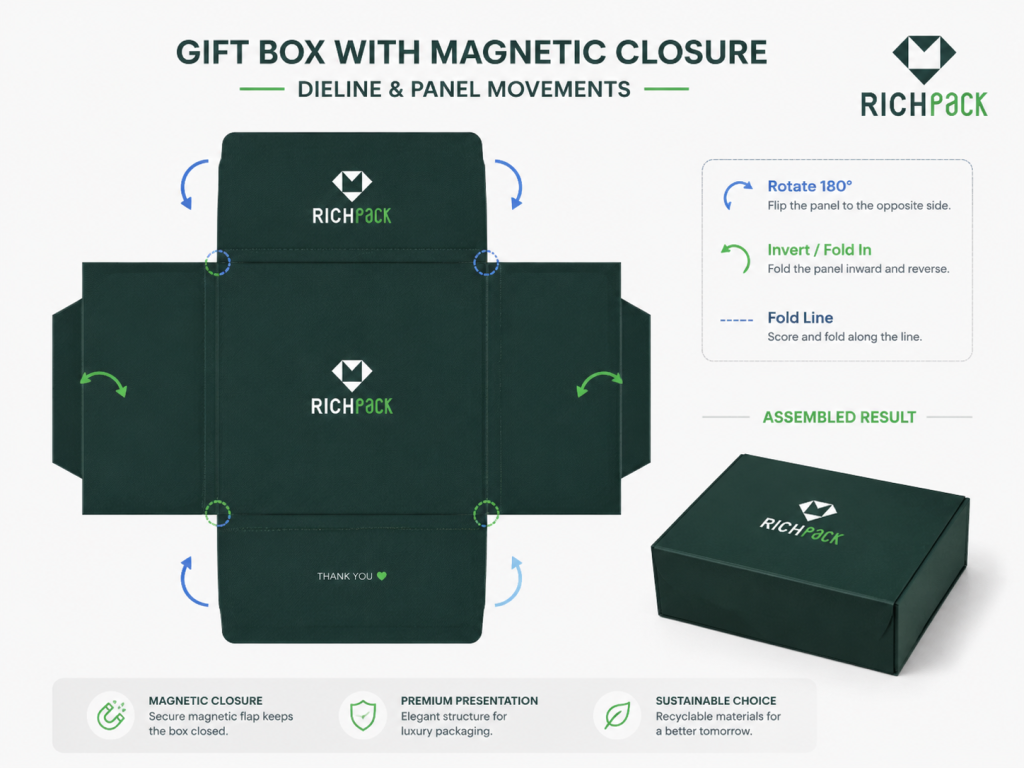
Sanat eserlerindeki hatalar önlenebilir oldukları için utanç vericidir.
En sık yapılan hatalar arasında ters çevrilmiş logolar, katlama çizgilerinin üzerinden geçen metinler, köşelerde bozulan desenler ve taban tepsisinin üzerini örttüğü yerlere yerleştirilen iç mesajlar yer almaktadır.
Baskılı numune almadan önce 3 boyutlu bir model veya beyaz bir numune kullanın.
Ardından düşük maliyetli bir kağıt prova baskısı yapın ve elle katlayın. Bu basit adım, pahalı numuneden önce yönlendirme hatalarını yakalar.
Yalnızca düz bir PDF dosyasına güvenmeyin.
Düz dosyalar mekansal hataları gizler.
Bir örnek, görünümünden daha fazlasını kanıtlamalıdır.
Ürün uyumunu, kapanma kuvvetini, iç parçanın tutuşunu, rengini, yüzeyini, yapıştırıcı izlerini, çizilme direncini, karton ambalajını ve açılış hissini test etmek için kullanın.
Örnek inceleme kontrol listesi:
Seri üretime geçmeden önce ambalaj kalitesi kontrolleri yapın , sevkiyat sorunu çıktıktan sonra değil.
İyi bir iş akışı, daha ucuz bir tekliften daha fazla para tasarrufu sağlar.
Ucuz fiyat teklifleri genellikle eksik ayrıntıları gizler. İlk örnekte ise belirsiz boyutlandırma, yanlış yerleştirme derinliği, zayıf mıknatıslar veya grafik hataları ortaya çıkabilir.
Tedarikçinizi bilgilendirmek için bu iş akışını kullanın.
Tahmin yürütme ihtiyacını ortadan kaldıran kısa bir özetle başlayın.
şunlardır:
İyi bir özet, süslü bir dile ihtiyaç duymaz. Kararlara ihtiyaç duyar.
Tek elden hizmet sunan bir ambalaj ortağıyla çalışıyorsanız, tasarım, yapı, malzeme, numune alma, üretim ve teslimatın bir araya gelmesi gereken yer burasıdır.
Özet doğrultusunda yapıyı seçin.
Değerli bir mücevher seti için, içine özel bir bölme yerleştirilmiş sert manyetik bir kutu tercih edin. Sezonluk bir e-ticaret seti için, depolama alanını azaltmak amacıyla katlanabilir manyetik bir kutu düşünün. Bir PR hediyesi için ise, kitap tarzı açılan ve iç kapakta hikaye paneli bulunan bir kutu kullanın.
Ardından malzemeleri seçin.
Karton, kağıt kaplama, astar, iç kısım, mıknatıs, yapıştırıcı ve son kat malzeme birbiriyle uyumlu olmalıdır. Her bir malzemeyi ayrı ayrı seçmeyin.
Ürünün alışılmadık boyutlara, kırılgan parçalara, ağır bileşenlere sahip olması veya piyasaya sürülme zamanlamasının sıkı olması durumunda yapısal ambalaj tasarımı desteğinden yararlanın .
Görsel süslemelerden önce kalıp çizgisini oluşturun ve planı yerleştirin.
Bu daha yavaş hissettiriyor. Pahalı revizyonları önlüyor.
Kalıp çizginiz kutu gövdesini, kapağı, kanadı, menteşeyi, taban tepsisini, yapıştırma bölgelerini, taşma payını, güvenli bölgeleri ve panel yönünü tanımlamalıdır. İç yerleştirme planınız ise boşluk boyutunu, açıklığı, parmaklıklı kaldırma yerlerini, kart yuvalarını, şerit çekme yerlerini ve malzeme kalınlığını tanımlamalıdır.
Takı ürünleri için, ürünün gerçek zamanlı olarak test edilmesini isteyin.
Bir yüzük görseli, tırnakları, taş yüksekliği ve ağırlığı olan bir yüzükle aynı şey değildir. Bir kolye fotoğrafı, bir boşluğun içinde birbirine dolanan bir zincirle aynı şey değildir.
Yapı işlerinden sonra son kat kaplamaları uygulayın.
Tek bir baskın yüzey kullanın ve diğerlerini sade tutun. Örneğin, küçük bir folyo logolu mat kağıt ambalaj, folyo, parlak, kabartmalı ve metalik kağıtla kaplı bir kutudan genellikle daha kaliteli görünür.
En iyi yüzey işlemleri karmaşa değil, kontrast yaratır.
İyi yüzey kaplama kombinasyonları:
Kötü bitiş kombinasyonları genellikle her şeyi aynı anda göstermeye çalışır.
Örnek ürünü bir müşteri ve bir alıcı gibi inceleyin.
Müşteri görüşü:
Alıcının bakış açısı:
Bu bölünmüş görünüm, ekiplerin sık yaptığı bir hatadan kaçınmasına yardımcı olur: görselliği onaylarken üretim riskini göz ardı etmek.
Seri üretime geçmeden önce kontrol noktalarını doğrulayın.
Ölçüler, renk toleransı, yapıştırıcı izleri, mıknatıs hizalaması, kapatma kuvveti, iç parça uyumu, yüzey kusurları, karton ambalaj ve parti denetimi için net standartlara ihtiyacınız var.
RichPack'in kalite süreci, gereksinimlerin onaylanması, tasarım incelemesi, malzeme hazırlığı, numune üretimi, renk prova, yapı onayı ve parti takibini içerir. Bu tür bir süreç önemlidir çünkü manyetik kutular küçük detaylara dayanır.
Bir milimetre bile kapanma hissini değiştirebilir.
Panelin yanlış yönlendirilmesi, açılış deneyimini mahvedebilir.
Manyetik kutuların üretim süreleri genellikle uzundur çünkü yapım aşaması, el işçiliği, son işlem, iç parçalar ve denetim gibi süreçleri içerir.
Lansmandan geriye doğru plan yapın.
Şunlar için zaman ayırın:
Uluslararası gönderim yapıyorsanız, koli boyutunu, palet planını, gümrük belgelerini ve varış noktası işlemlerini önceden teyit edin.
Kutu fabrikadan çıktığında bitmiş sayılmaz. Hediye paketi halinde müşteriye ulaştığında bitmiş olur.
Özel tasarım manyetik hediye kutuları, standart katlanır kutulardan daha pahalıdır.
Bu, otomatik olarak pahalı oldukları anlamına gelmez. Bu, maliyeti doğru bir şekilde ölçmeniz gerektiği anlamına gelir.
Gerçek maliyet; birim fiyatı, numune maliyeti, ek maliyet, nakliye, depolama, kusur riski, yeniden paketleme işçiliği ve müşteri algısını içerir.
Tedarik zinciri kuralı: Daha ucuz bir manyetik kutu, daha fazla hava taşımacılığı, yeniden paketleme, kusur veya müşteri şikayetine yol açıyorsa, daha ucuz değildir.
Maliyetleri en çok artıran faktörler genellikle şunlardır:
Daha büyük bir kutu, malzeme ve nakliye hacmini artırır. Karmaşık bir iç kısım, kurulum ve işçilik maliyetini artırır. Özel bir yüzey işlemi, kusur riskini artırabilir.
En ucuz teklif, görünmeyen güvenlik önlemlerini ortadan kaldırabilir.
Bu, daha ince levha, daha zayıf mıknatıslar, daha gevşek insert toleransı, daha ucuz kaplama veya daha az denetim anlamına gelebilir.
Minimum sipariş miktarı, özelleştirme seviyesine bağlıdır.
Hazır manyetik kutular, yapısı zaten mevcut olduğu için küçük üretim serilerini destekleyebilir. Yarı özel kutulara logo baskısı veya basit yüzey değişiklikleri eklenir. Tamamen özel kutular ise özel boyut, kalıp çizgisi, iç kısım, malzeme, renk ve üretim kurulumu gerektirir.
Minimum sipariş miktarını sadece tedarikçi kuralı olarak görmeyin.
Genellikle kurulum maliyetini, malzeme tedarikini, kalıp üretimini, baskı hazırlığını ve üretim hattı verimliliğini yansıtır.
Düşük minimum sipariş miktarına ihtiyacınız varsa, öncelikle yapıyı basitleştirin. Özel logoyu, kağıt rengini veya iç kısmı koruyun. Her şeyi birden özelleştirmeyin.
Örnekler farklı sorulara cevap veriyor.
| Örnek tip | Neyi Kanıtlıyor | Neyi Kanıtlamaz? |
| Dijital maket | Görsel yönlendirme | Dokunma hissi, kapanma, malzeme hissi |
| Beyaz örnek | Yapı ve boyut | Son renk ve bitiş |
| Basılı örnek | Renk, logo, yüzey | Partinin tamamında tutarlılık |
| Üretim öncesi numune | En yakın üretim eşleşmesi | Seri üretimdeki her birim |
Yapı yeni olduğunda beyaz numuneyi atlamayın.
Baskı ve son işlemden önce menteşe, ek parça veya mıknatıs konumunu düzeltmek daha ucuzdur.
Teslim süresi karmaşıklığa bağlıdır.
Logo baskılı standart manyetik hediye kutusu, özel tasarım manyetik kilitli, kalıplı iç parçalı, folyo baskılı, özel kağıtlı ve uluslararası nakliyeli sert kutuya göre daha hızlı satılıyor.
Tamponlar içeren bir zaman çizelgesi oluşturun.
Ambalaj gecikmeleri, ürün lansmanlarını ciddi şekilde etkiliyor çünkü kutular genellikle lansman zincirinin sonuna doğru geliyor. Ürün, fotoğraf çekimi, sipariş karşılama, influencer kitleri, perakende teşhir ve satış örneklerinin tümü ambalaja bağlı olabilir.
Geciken siparişler geliri geciktirebilir.
Sert bir kutu, fiyat teklifinde ucuz görünse de nakliye maliyetinde pahalıya mal olabilir.
Neden? Çünkü içinde hava olacak şekilde gönderiliyor.
Katlanabilir manyetik kutular, nakliye ve depolama hacmini azaltabilir, ancak tamamen sert kutuların sunduğu üstün kalite hissini yakalayamayabilirler. Doğru cevap, ürünün değerine, satış kanalına ve depolama planına bağlıdır.
| Karar | Sert Manyetik Kutu | Katlanabilir Manyetik Kutu |
| Dokunma hissi | Stronger | Genellikle daha hafif |
| Yük hacmi | Daha yüksek | Alt |
| Depolama alanı | Daha yüksek | Alt |
| Montaj işçiliği | Alt | Daha yüksek |
| Premium algı | Daha yüksek | Ortadan yükseğe |
| En iyi kullanım | Mücevher, saatler, VIP hediyeler | E-ticaret setleri, mevsimlik hediyeler |
Sadece fabrika fiyatını değil, nihai maliyeti de ölçün.
Sipariş vermeden önce daha iyi sorular sorun.
Güçlü bir tedarikçi süreçle yanıt verir. Zayıf bir tedarikçi ise sadece fiyatla yanıt verir.
Bu uyarı işaretlerine dikkat edin:
En büyük uyarı işareti, ayrıntıdan yoksun özgüvendir.
Ambalaj tedarikçilerinin her şeyi kolaymış gibi göstermelerine gerek yok. Zor kısımları nasıl kontrol ettiklerini göstermeleri gerekiyor.
Üstün kaliteli ambalajlar önce küçük ayrıntılarda başarısız olur.
Kutu hala manyetik kutu gibi görünüyor. Ancak kapağı düzgün açılmıyor. İçindeki parça kayıyor. Yüzeyi çiziliyor. Ürün eğik bir şekilde geliyor. Müşteri bir şeylerin ters gittiğini hissediyor.
Üretime geçmeden önce bu sorunları düzeltin.
Zayıf kapanma genellikle düşük mıknatıs gücünden, kalın ambalaj malzemesinden, mıknatısın sığ yerleştirilmesinden veya yanlış hizalamadan kaynaklanır.
Bunu sadece en güçlü mıknatısı ekleyerek çözmeyin.
Çok sert çekilen bir kapatma mekanizması kutunun kullanım hissini bozabilir. Ayrıca kapağı zorlayabilir veya açılmayı daha az pürüzsüz hale getirebilir.
Maksimum güç uygulamak yerine, kontrollü bir şekilde kapatmayı hedefleyin.
Kapak hizalaması, müşterilerin kaliteyi değerlendirdiği en hızlı yollardan biridir.
Hafifçe yamuk bir kapak, tüm paketin özensiz görünmesine neden olur. Bu durum, özellikle minimalist tasarımlar için daha da önemlidir çünkü kusuru gizleyecek hiçbir yer yoktur.
Yan görünüm örnek fotoğrafları ve kapalı kutu ölçülerini isteyin.
Ürün kutunun içine konulduktan sonra da kapağı kontrol edin, sadece kutu boşaldığında değil.
Daha fazla işçilik, daha fazla lüks anlamına gelmez.
Lüks ambalajlar genellikle incelik ve zarafet gösterdiği için üst düzey bir izlenim bırakır. Net bir logo, dengeli bir doku, temiz renkler ve sağlam bir yapı, metalik efektlerle kaplı bir kutudan çok daha etkili olabilir.
Dikkati yönlendirmek için yüzey kaplamalarını kullanın.
Bunları bağırmak için kullanmayın.
Boşken iyi görünen bir broşür, gerçek ürünle birlikte kullanıldığında başarısız olabilir.
Mücevher alıcıları bunu hemen fark eder. Bir kolye kayarsa, bir yüzük eğilirse veya küpeler dönerse, kutunun amacına uygun bir şekilde sergilediği şey kaybolmuş olur.
Tahmini boyutlar yerine gerçek ürünlerle test yapın.
Tek bir kutu ailesinde birden fazla ürün boyutu satıyorsanız, modüler iç bölmeler veya boyuta özel oyuklar planlayın.
Sanat eserinin kesme, sarma, katlama ve yapıştırma işlemlerine dayanabilmesi için yeterli alana ihtiyacı vardır.
Logoları, metinleri, QR kodlarını ve ince desenleri katlama çizgilerinden ve kenarlardan uzak tutun. Baskı onaylanmadan önce taşma paylarını ve güvenli alanları kontrol edin.
Bu durum, özellikle manyetik kapaklı hediye kutularında önemlidir çünkü ön kanatlar, iç kapaklar ve taban tepsisi duvarları kalıp çizgisi üzerinde farklı şekillerde dönebilir.
Güzel bir tasarım, kıvrımlı bir yüzeye, katlanma yerine veya yapıştırıcı sürülmüş bir alana denk gelirse okunmaz hale gelebilir.
Manyetik hediye kutusu genellikle gönderim katmanı değil, sunum katmanıdır.
Müşteri manyetik kutuyu köşeleri ezilmiş, ambalajı çizilmiş veya kapağı hasarlı bir şekilde teslim alırsa, premium etkisi ortadan kalkar.
Hediye kutusunu koruyacak dış bir karton kutu veya posta kutusu kullanın.
E-ticaret için basit bir paketleme testi yapın:
Nedenini açıklayamadığınız sürece "çevre dostu" demeyin.
Manyetik bir kutu, karton, mıknatıslar, tutkal, laminasyon, folyo, köpük, kurdele ve plastik pencereler içerebilir. Bazı seçimler sürdürülebilirliğe yardımcı olurken, diğerleri geri dönüşümü zorlaştırır.
Açık bir dil kullanın:
Somut iddialar güven oluşturur. Belirsiz iddialar ise şüpheye yol açar.
Manyetik hediye kutuları, ambalajı, ürünü ve marka hafızasını birbirine bağladığında en iyi sonucu verir.
Burada eski ve yeni bakış açıları buluşuyor.
Eski görüşe göre manyetik kutular daha kaliteli bir görünüm sunar. Yeni görüşe göre ise manyetik kutular müşteri davranışlarını şekillendirebilir, ambalaj pişmanlığını azaltabilir, tedarik zinciri öngörülebilirliğini artırabilir ve markanıza yeniden kullanılabilir fiziksel bir temas noktası sağlayabilir.
Mücevherlere özenli bakım gerekir.
Müşteri, gereksiz eşyalardan önce parçayı görmelidir. İç kısım, takıyı çerçevelemelidir. Kapak sorunsuz açılmalıdır. Yüzey, metal, taş veya koleksiyon hikayesiyle uyumlu olmalıdır.
İnci markası için yumuşak, nötr renkli kağıt ve saten astar zarafeti destekleyebilir. Cesur bir moda takı markası için renkli ambalaj ve folyo detay daha iyi sonuç verebilir. Değerli mücevherler için, hassas bir şekilde yerleştirilmiş minimalist, sert manyetik kutu, genellikle aşırı süslü bir kutudan daha iyidir.
En iyi manyetik mücevher hediye kutusu, mücevherlerle rekabet etmez.
Çerçevesini oluşturuyor.
E-ticaret, kutuların işlevini değiştiriyor.
Manyetik hediye kutusunun nakliye sırasında hasar görmemesi ve evde de hediye gibi hissettirmesi gerekiyor. Bu da dış ambalajın, boşluk doldurma malzemesinin, kutu boyutunun ve ürün yerleştirme malzemesinin önemli olduğu anlamına geliyor.
Pazar yeri yorumlarında ve sosyal medya platformlarında müşteriler, ambalaj temiz, sağlam ve hediye etmeye hazır göründüğünde genellikle övgüde bulunuyorlar. Kutular ezilmiş, çok kolay açılmış, tutkal kokmuş veya ürün beklenenden daha küçük göründüğünde ise şikayet ediyorlar.
Bu yorumları basit bir ambalaj değerlendirme tablosuna dönüştürebilirsiniz:
Bu yorumlar, gerçek alıcı standartlarını ortaya koyuyor.
Müşteriler sadece ürün fotoğraflarında güzel görünen ambalajlar istemiyorlar. Kapılarına ulaşana kadar hasar görmeyecek ambalajlar istiyorlar.
Kurumsal hediye alıcıları sunuma ve öngörülebilirliğe önem verirler.
Genellikle çalışan hediyeleri, VIP müşteriler, iş ortakları, etkinlik setleri, konferans paketleri veya tatil kampanyaları için hediye kutularına ihtiyaç duyarlar.
Onların sorunları perakende alıcılarından farklıdır:
Manyetik kilitli hediye kutusu, paketlemeden önce tamamlanmış hissi verdiği için faydalıdır. Ancak iş akışı, paketleme testlerini, karton planlamasını, etiketlemeyi ve teslimat zamanlamasını içermelidir.
Bu kutu, kampanya operasyonunun bir parçasıdır.
Perakende ambalajlar hem kapalı hem de açık halde işlevsel olmalıdır.
Kapalı haldeyken marka bilinirliğine ve raf çekiciliğine ihtiyaç duyar. Açık haldeyken ise güçlü bir ürün tanıtımına ve personel veya müşteriler tarafından kolay kullanım özelliğine ihtiyaç duyar.
Manyetik kutular, kalıcı bir görünüm sağladıkları için butik ortamlarda iyi performans gösterirler. Ayrıca hediye olarak verilebilecek ürünlerin satışını da desteklerler.
Risk, aşınmanın kontrol altında tutulmasıyla ilgilidir.
Personel numune kutusunu birçok kez açarsa, menteşe, yüzey ve mıknatıs alanının dayanıklı olması gerekir. Bu nedenle numune testleri, yalnızca tek bir mükemmel fotoğraf çekmekle kalmayıp, tekrarlanan açma/kapama işlemlerini de içermelidir.
Sınırlı sayıda üretilen ürünler, manyetik hediye kutuları için mükemmel bir seçimdir.
Kutu, bir lansmanın, iş birliğinin, yıldönümünün, mevsimlik koleksiyonun veya koleksiyon setinin hikayesini taşıyabilir. İç kapakta bir mesaj yer alabilir. İç kısım, sahnelenmiş bir açılış yaratabilir. Yüzey kaplaması, kıtlığı işaret edebilir.
Kutu tasarımı, sınırlı sayıda üretilen ürünün fiyatını haklı çıkarmaya yardımcı olduğunda bu yapıyı kullanın.
Kutu, üründen daha ilgi çekici hale geldiğinde kullanmayın.
Küresel ambalajlama, pazarlar genelinde tutarlılık gerektirir.
Bir kutunun farklı perakende beklentilerini, sürdürülebilirlik kaygılarını, nakliye rotalarını, dil gereksinimlerini ve depolama gerçeklerini karşılaması gerekebilir. ABD'de bir e-ticaret lansmanı, Avrupa'da bir butik lansmanı ve Orta Doğu'da kurumsal hediye kampanyası, farklı paketleme detayları gerektirebilir.
Temel yapıyı tutarlı tutun. Gerektiğinde iç sayfaları, etiketleri, dil kartlarını, dış kutuları ve belgeleri uyarlayın.
Bu, markanın tanınırlığını korurken yerel gereksinimleri de karşılamasına yardımcı olur.
Manyetik hediye kutusu, kapağını veya kanadını kapalı tutmak için gizli mıknatıslar kullanan bir hediye kutusudur. Genellikle sert bir karton, kağıt ambalaj, menteşeli veya sarmalı bir kapak ve özel olarak tasarlanmış bir iç parçadan oluşur.
Markalar, daha güçlü bir sunum, daha iyi bir kapanış hissi ve daha hediye vermeye hazır bir kutu açma deneyimi istediklerinde bunu kullanırlar.
Evet, manyetik hediye kutuları, içindeki parça ürüne doğru şekilde uyduğunda takılar için iyi sonuç verir.
Kutu, üstün bir sunum sağlarken, iç kısım yüzükleri, küpeleri, kolyeleri, bilezikleri veya takı setlerini yerinde tutar. Kırılgan veya yüksek değerli takılar için, üretimden önce iç kısmı gerçek ürünlerle test edin.
Birçok manyetik hediye kutusu, sağlam yapıları ve sorunsuz açılmaları nedeniyle tekrar kullanılabilir. Müşteriler genellikle bu kutuları mücevher, hatıra eşyası, hediye kartı, aksesuar veya saklama amacıyla kullanırlar.
Yeniden kullanım, malzeme kalitesine, menteşe dayanıklılığına, yüzey direncine ve kutunun kullanım sonrasında hala iyi görünüp görünmediğine bağlıdır.
Yaygın olarak kullanılan malzemeler arasında gri karton, yonga levha, sert karton, kuşe kağıt, kraft kağıdı, özel kağıt, astar kağıdı, mıknatıslar, tutkal, köpük dolgular, karton dolgular, kadife, saten ve kalıplanmış selüloz bulunur.
Premium kutularda ayrıca folyo baskı, kabartma, oyma, spot UV, mat laminasyon veya yumuşak dokunuşlu laminasyon da kullanılabilir.
Maliyet, boyut, levha kalınlığı, yapı, mıknatıs sayısı, ek malzeme, baskı yöntemi, yüzey işlemi, miktar, işçilik ve sevkiyat hacmine bağlıdır.
Sadece fabrika birim fiyatını karşılaştırmayın. İthalat maliyetini, numune maliyetini, kusur riskini, depolama hacmini ve müşteri deneyiminin değerini karşılaştırın.
Evet, ancak belirli malzeme ve tasarım seçimlerine ihtiyacınız var.
FSC sertifikalı kağıt, geri dönüştürülmüş karton, karton iç parçalar, çıkarılabilir mıknatıslar, su bazlı kaplamalar, düşük hacimli katlanabilir yapılar ve net sürdürülebilirlik iddiaları kullanın. Kutunun içinde ayrılması zor karışık malzemeler varsa, belirsiz çevre dostu ifadelerden kaçının.
Tedarikçinin kalıp çizimleriyle başlayın. CMYK renk modunu, taşma payını, güvenli bölgeleri, katlama çizgilerini, kesme çizgilerini, panel yönünü, kapak konumunu ve iç/dış yüzeyleri kontrol edin.
Baskılı numune almadan önce yönlendirme hatalarını yakalamak için 3 boyutlu bir maket, beyaz örnek veya katlanmış kağıt prova kullanın.
Hediye kutusunu seçerken, hediyenin kolayca ortaya çıkarılmasını, ön yüzünde güçlü bir marka imajı oluşturmayı ve tatmin edici bir kapanma hissi vermeyi tercih edin.
Daha yavaş kayan bir açılış, tepsi tarzı bir sunum veya depolama benzeri bir deneyim istediğinizde çekmeceli bir kutu seçin. Daha iyi seçim, ürün türüne, açılış davranışına, maliyete ve nakliye planına bağlıdır.
Manyetik hediye kutuları, eksiksiz bir sistem olarak tasarlandıklarında en iyi sonucu verir. Ürün ağırlığı, iç parçanın uyumu, kapanma hissi, malzeme seçimi, nakliye yöntemi ve kalite kontrolleriyle başlayın. Ardından renk, yüzey ve marka detaylarını ekleyin.
Ürününüzün üstün bir sunuma ve tekrarlanabilir üretime ihtiyacı varsa, öncelikle kutuyu ürünün etrafına tasarlayın. Sonuç olarak, ürün müşterinin elinde daha iyi bir his uyandıracak ve örnekleme, üretim, sevkiyat ve lansman aşamalarında daha iyi performans gösterecektir.
Pratik bir sonraki adıma mı ihtiyacınız var? Numune veya tedarikçi teklifi istemeden önce ürün boyutlarınızı, ürün ağırlığınızı, lansman tarihini, miktar aralığınızı ve marka yönünüzü hazırlayın.


2026-03-03

2025-08-18
2025-04-27
2025-12-24

2024-10-10
2024-12-30

Doğum Günü Teşekkür Kartları – Düğün, Noel, Sevgililer Günü, Yıldönümü İçin Zarif Katlanabilir Tebrik Kartları – İçi Boş | Richpack Toptan Satış
Daha Fazlası
Yüksek Hacimli Alıcılar İçin Özel Markalama ile Toplu Hediye Kutuları | Toptan Satın Almalar İçin Maliyet Etkin Çözümler
Daha Fazlası
Karton Çikolata Kutusu: Her Duruma Uygun Üç Katlı Baştan Çıkarıcı Lezzetler
Daha Fazlası
Büyüleyici Ahşap Hatıra Kutusu – Özenle Hazırlanmış, Değerli Anılar Tutucu
Daha Fazlası
Uygun Sarma Dikdörtgen Kutu – Hediye Paketleme Sürecinizi Kolaylaştırın
Daha Fazlası
Kozmetik Göz Farı Paleti Ambalaj Sert Kapak Resim Çerçevesi Hediye Kağıdı Gölge Kutusu Gölge Kutusu
Daha Fazlası

