

 PREV


How to Design Eco-Friendly Gift Boxes for Millennials
2024-10-31




Imagine a glass serum bottle in a printed box. The artwork looks finished, but can a customer lift it out easily? Will it need a separate shipper for online orders?
Those answers affect structure and cost. To create custom cosmetic packaging, define the product and route, brief the supplier, choose a box and insert, prepare approved artwork and copy, and review a physical sample. The scope is the branded outer package, not formula compatibility or bottle selection.
Custom cosmetic packaging can mean the container, printed box, or shipping carton. The branded outer box and insert are the focus here. Name the layer before requesting a quote.
The bottle, jar, tube, or compact is primary packaging. A printed carton or rigid box around it is secondary; a mailer may sit outside both. Keep product-contact requirements and formula compatibility with the product and container owners.
| Layer | Examples | Main job | Who confirms it |
| Primary | Bottle, jar, tube, compact | Holds the cosmetic product | Product and container owners |
| Secondary | Printed carton, rigid box, insert | Carries brand and product information; positions the set | Brand, product, and packaging teams |
| Transit | Mailer, shipping carton, protective pack-out | Meets the shipping route’s needs | Buyer, shipper, and packaging supplier |
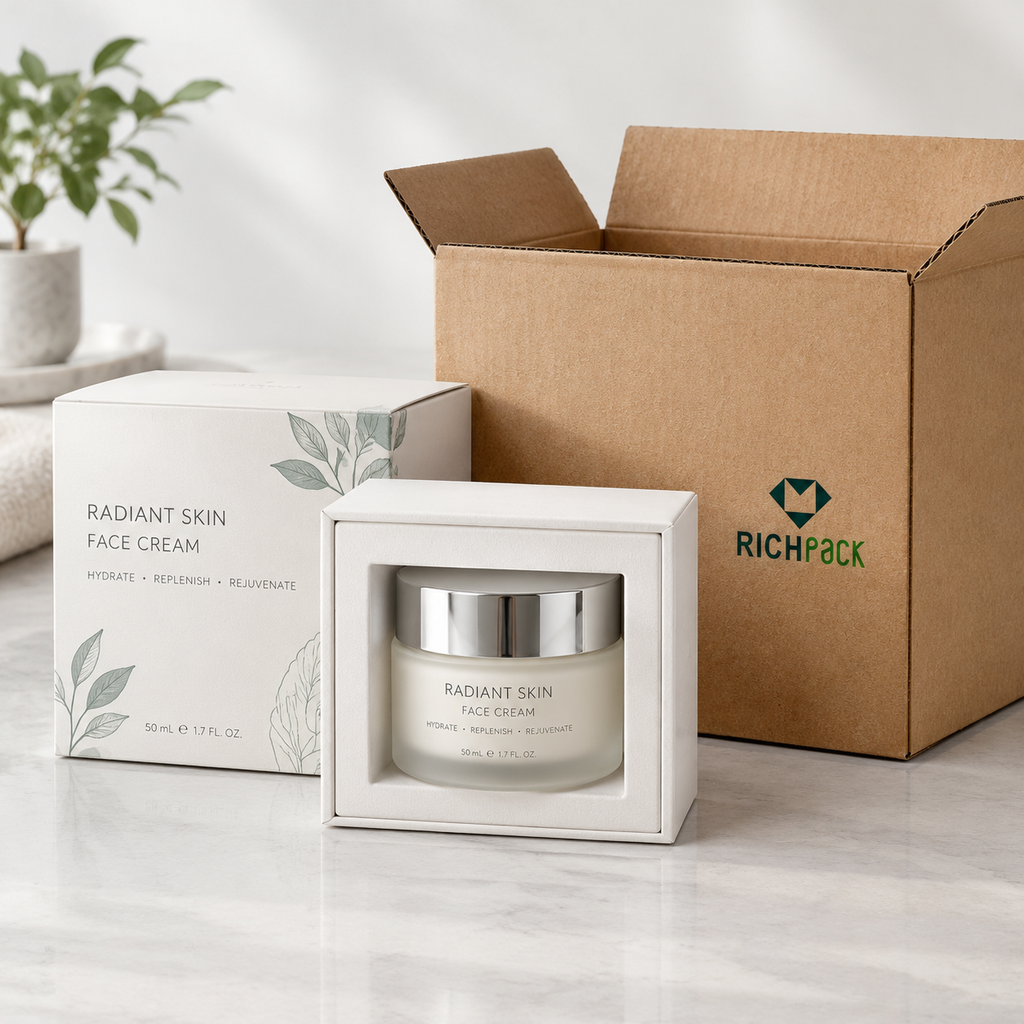
The outer box carries the brand and product information. RichPack’s confirmed core business is high-end custom jewelry packaging; its site also lists a cosmetic and fragrance packaging category for readers checking the brand’s current cosmetic scope.
Give a supplier the product, market, and route details before requesting a box proposal. These inputs help you compare structure options and quotes.
Measure the finished container, including a pump, cap, or dropper. Share a physical sample or verified drawing, then ask the supplier to confirm the clearance and tolerance needed for its proposed structure.
List single items, bundles, gift sets, or kits. Mark which dimensions, labels, inserts, or panels vary by SKU, or sellable product version, so suppliers can separate shared from variable components. The same brief works for custom makeup packaging, from a palette to a multi-item kit.
List destination markets and routes such as retail, direct-to-consumer, wholesale, or PR. A box for a shelf may need a different pack-out from one sent in a parcel.
Send vector logos, brand colors and type rules, approved product names and copy, barcode data, and any existing dieline. Flag draft marketing claims for review before artwork begins.
Send the same brief to each custom cosmetic packaging manufacturer you compare. If you’re sourcing cosmetic packaging for a small business, state a quantity you can consider and a delivery destination.
Choose a box and insert after confirming product dimensions and route. A carton may suit a shelf-ready unit; a rigid format may suit a gift set. Verify the choice with a sample and intended pack-out.
Use this table to shortlist formats, then check the product and assembly before approval.
| Format | Useful when | Check before approval |
| Folding carton | A folded retail box fits the product and route | Fit, panels, closure, assembly |
| Rigid lid-and-base or book-style box | A set needs a formed presentation | Storage, opening, insert, separate shipper |
| Drawer box | A sliding tray fits the opening sequence | Tray retention, pull tab, insert fit |
| Magnetic box | A magnetic closure suits the planned use | Closure, lid alignment, pack-out |
| Sleeve | A wrap can fit over a separate tray or box | Slide fit and edge coverage |
| Mailer | An outer package is needed for a parcel route | Route needs and filled-pack review |
For a product-page reference, see RichPack’s custom-printed cosmetic boxes for artisan beauty brands.
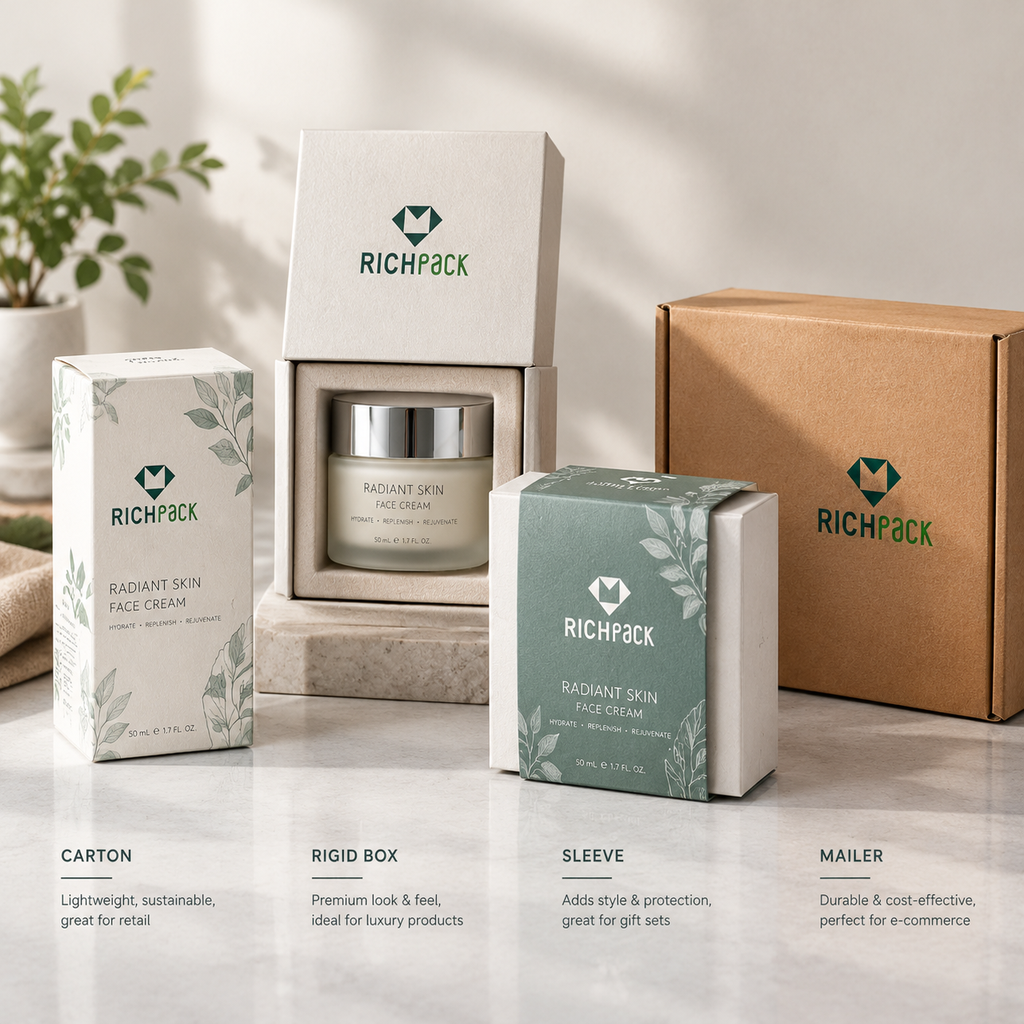
For retail, check the front panel and shelf orientation. Direct-to-consumer, PR, and wholesale add pack-out questions. If the retail box travels inside a parcel, plan a separate shipper.
Place products in their intended orientation, including pumps or pipettes. Size from a verified drawing or sample, then ask the supplier to confirm clearance. Check the fit physically.
An insert positions items and can organize a set. Compare paperboard, molded pulp, or other approved options for placement, removal, assembly, and material fit. Cushioning claims need an agreed test.
Assemble and open the sample, remove each item, then repack it as a customer or packer would. Record snags, loose movement, awkward access, or unclear orientation before sign-off.
The retail box presents the product; a shipper serves the parcel route. Review the filled pack together and agree on shipping checks before making a transit-protection claim.
Good cosmetic packaging design makes the product easy to identify, keeps copy readable at final size, and matches the printer’s approved structure.
Name the brand and product first. Use scale and spacing to keep collection, shade, and SKU details secondary.
A retail box must read on a shelf; a direct-to-consumer package is seen in hand. Review typography, color, imagery, and finish at both distances and in the unboxing sequence.
Check a full-size printed proof. Confirm small type, contrast, and fine details with the printer; a screen mockup cannot verify print-size legibility.
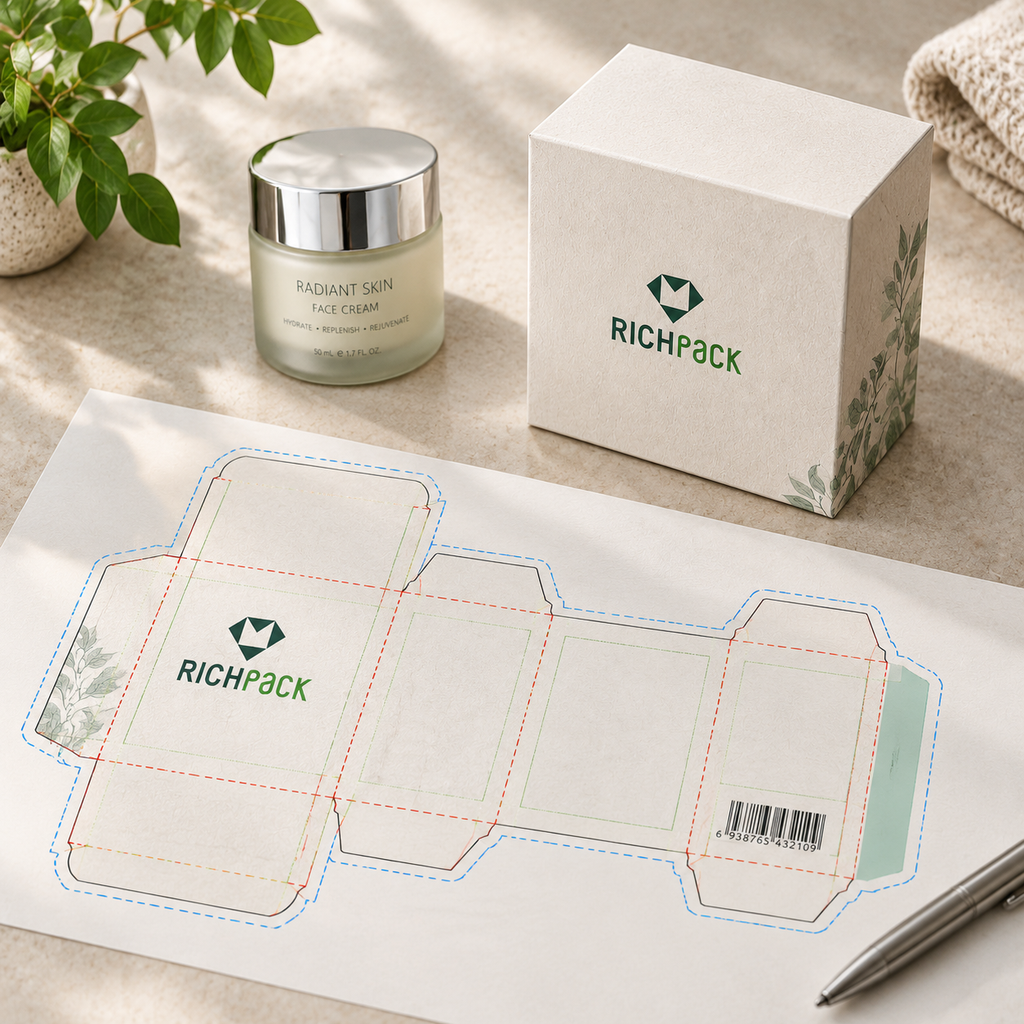
Reserve panels for approved product copy, warnings or other required text, a barcode, and variable data. The regulatory owner approves wording; the printer confirms barcode placement.
Use the printer’s approved dieline. Confirm bleed, safe areas, folds, glue zones, finish masks, barcode position, and file version before signoff:
Choose materials for structure, print surface, logistics, and recovery. Review legal copy and environmental claims separately, with evidence for each.
Compare board options by format, print surface, assembly, storage, and route.
| Board | Check |
| Folding paperboard | Fold and print fit |
| Corrugated | Format and shipping |
| Rigid board or specialty paper | Wrap, storage, assembly, finish |
Coatings, laminations, adhesives, and mixed materials affect finish and may affect recovery. Confirm construction and local disposal guidance before calling the package recyclable.
A package may combine a box, insert, coating, adhesive, and label. Check local collection and processing for the actual combination; one component’s route does not prove an end-of-life claim for the whole package.
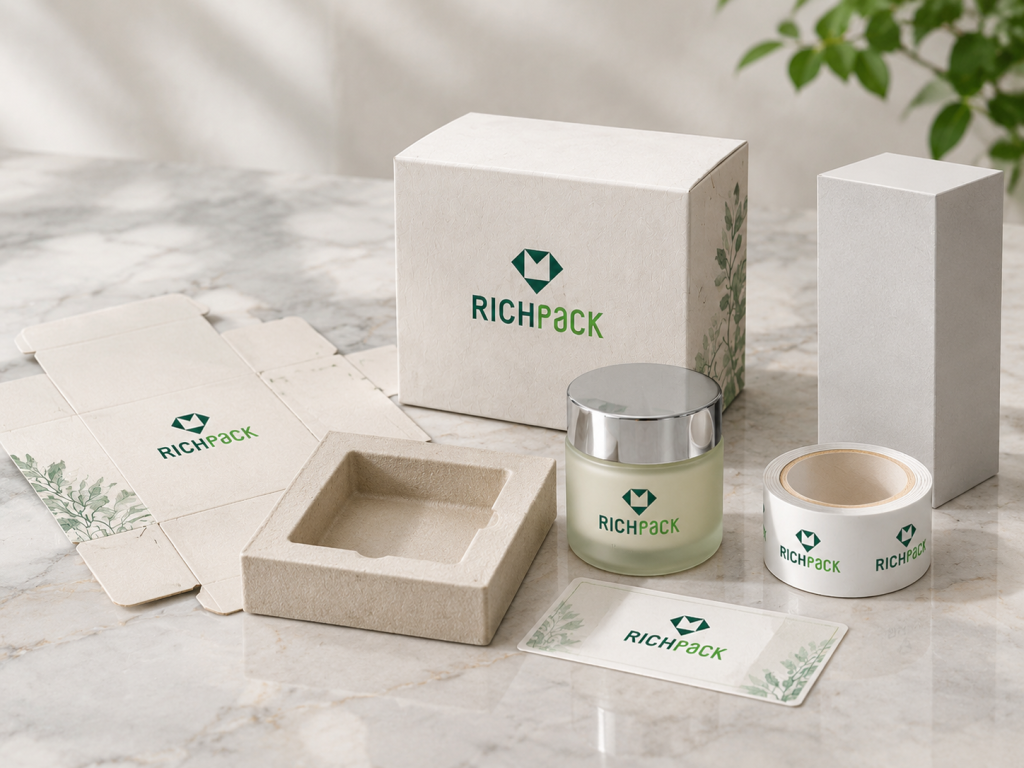
Have the brand’s regulatory owner confirm requirements and copy in every target market. The FDA Cosmetics Labeling Guide is a US example covering identity, net quantity, warnings, ingredients, and legibility. Check the linked guide for its current status. In the EU, Article 19 of Regulation (EC) No 1223/2009 covers information on cosmetic containers and packaging. These are examples, not a global checklist or legal advice.
The FTC Green Guides (16 CFR Part 260) give US guidance on environmental claims. Name the component covered, qualify partial claims, and retain supporting evidence. Because recovery access varies by location, avoid blanket recyclability, compostability, sustainability, or low-carbon claims.
A digital mockup shows layout, not physical fit or pack-out. Review the actual product in a sample, then record the approved version and test conditions.
Check orientation, clearance, movement, and insert retention with the actual container. A centered render may still shift when handled. Use a sample or verified drawing and confirm tolerances with the supplier.
Open and close the box as a customer would. Check access to the product, then remove and replace each item in the expected order.
Have the packer assemble the full set. Note loose parts, extra handling, and alignment problems; review the sleeve, insert, card, and product together.
Compare a full-size sample with approved artwork. Check color, alignment, small copy, barcode, and finish. Agree on acceptance limits with the printer.
Agree on a handling or shipping check with the buyer, shipper, and packaging supplier. Record:
Agree on the pass criteria before the test; a result without criteria cannot answer whether the package meets the shipping need.
Tie the approved sample to its artwork, materials, finish, insert, copy, criteria, and approvers. Both sides can then compare production with the reviewed version.
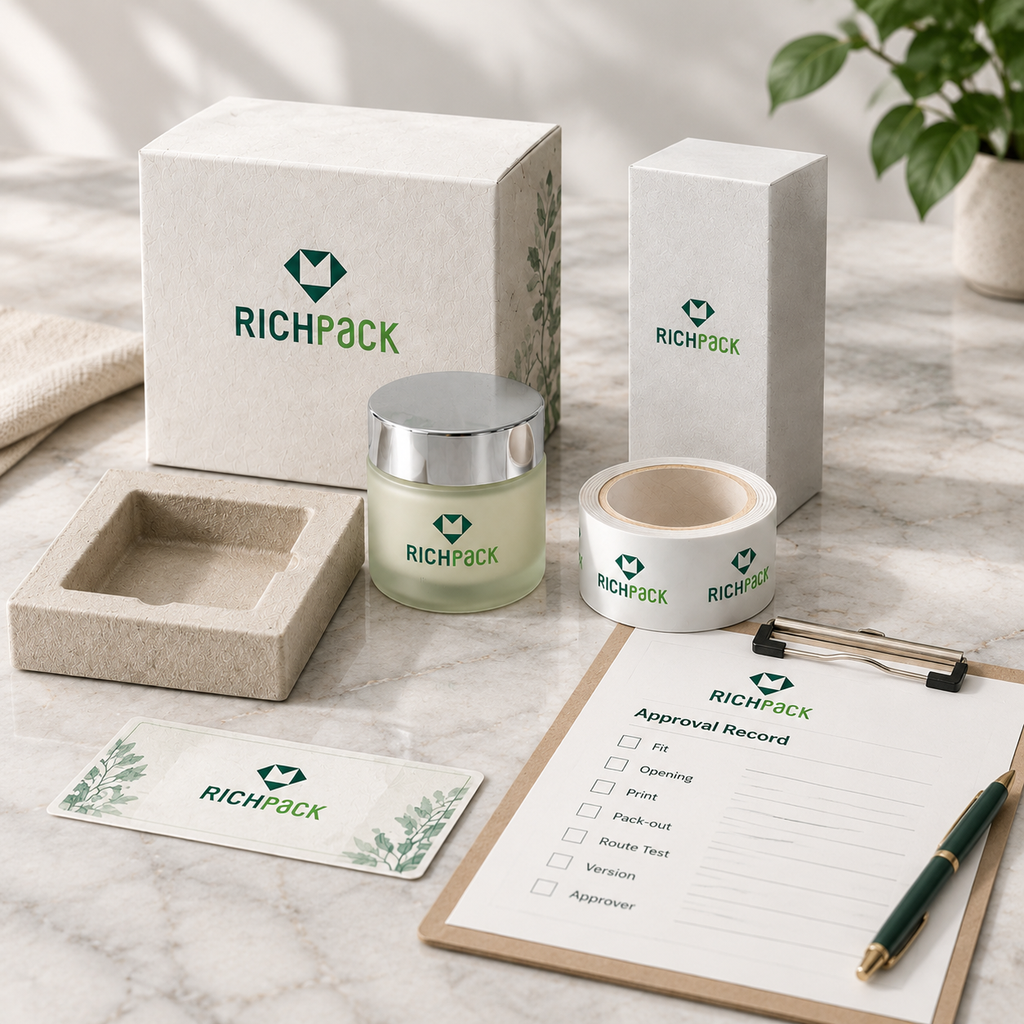
If material, size, copy, finish, or insert changes, record who approved it. Recheck any fit or route criterion it could affect before using the old signoff.
Ask each supplier to quote the same specification and quantities. Compare scope, not just the total, when reviewing custom cosmetic packaging manufacturers.
| Quote field | Why it matters | What to provide |
| Size and structure | Changes board use and assembly | Approved dimensions and box style |
| Materials and insert | Changes construction and component scope | Board, insert, coating, and finish preferences |
| Artwork and print | Defines what the supplier is pricing | Final or draft files, copy status, colors, barcode |
| Quantity and SKU mix | Sets the scenario being priced | Units per SKU, bundles, and version count |
| Samples and setup | Separates development from production | Required sample type and any tooling/setup line items |
| Pack-out and delivery | Makes scope comparable to destination | Assembly responsibility, destination, and target window |
For cosmetic packaging for a small business, ask suppliers to quote quantities you could realistically consider, using the same materials and artwork scope. If you have several shades or SKUs, state which parts change and which remain the same. There is no single order quantity that fits every supplier or structure.
Separate sample, tooling, print setup, and other one-time charges from per-unit costs. Ask each vendor for the same line items; check whether assembly, packing, freight, and revisions are included.
Confirm assembly, packing, destination, and delivery assumptions. Ask whether the quote covers the outer shipper or only the branded retail box.
Ask who prepares the dieline, approves proofs, records substitutions, and checks the order against specification. Request inspection scope and records. Verify certification, inspection, and lead-time claims for the project.
Define the product, dimensions, route, market, and brand files. Choose the box and insert, approve artwork, then review a physical sample before production.
There is no reliable price without a specification. Size, structure, materials, quantity, print, insert, setup, pack-out, and destination can all change a quote.
For a US example, check identity, net quantity, warnings, ingredients, business information, and legibility against the FDA guide. EU requirements use a separate framework under Article 19 of Regulation No. 1223/2009. Have your regulatory owner approve final copy and layout for each target market.
Yes. Check fit, opening, print, finish, and pack-out in a physical sample. Agree on any route test and pass criteria before production.
Primary packaging holds the cosmetic product, such as a bottle or jar. Secondary packaging is the branded box or carton around it. A shipping carton is a separate transit layer when the route requires one.
Customers tend to notice the package when the product is easy to identify, the key copy is readable, the box opens cleanly, and the item stays in place. Prepare a brief with dimensions, route, target markets, copy status, quantity, and sample approver; then request comparable quotes and resolve open items before approval. RichPack’s confirmed core business is high-end custom jewelry packaging.


2024-10-31

2024-11-01
2024-10-10
Fragrance focuses on classics, fragrance packaging may be the opposite, sustainability, customization, and smart technology are shaping the future of packaging. Facing the perfume packaging market with increasing environmental awareness and obvious advantages of intelligent packaging, perfume packaging design should pay attention to market trends, consumer preferences, and in-depth research on innovation in the industry. In… Continue reading How to Create Custom Cosmetic Packaging That Wows Customers

In jewellery packaging for shipping, jewellery is like a delicate princess, and the safety standards of its packaging can be called the strong castle that guards the princess. If there is any negligence, the noble and vulnerable princess may suffer an accident, which will bring heavy financial losses and a heavy blow to the reputation of the business.… Continue reading How to Create Custom Cosmetic Packaging That Wows Customers

Jewelry is often viewed as a symbol of luxury. The packaging it comes in contributes significantly to waste. Each year the jewelry sector produces, around 50 million tons of packaging waste. Recently there has been a shift towards recycled jewelry packaging practices in various industries, including jewelry. To enhance your sustainability efforts consider incorporating materials… Continue reading How to Create Custom Cosmetic Packaging That Wows Customers
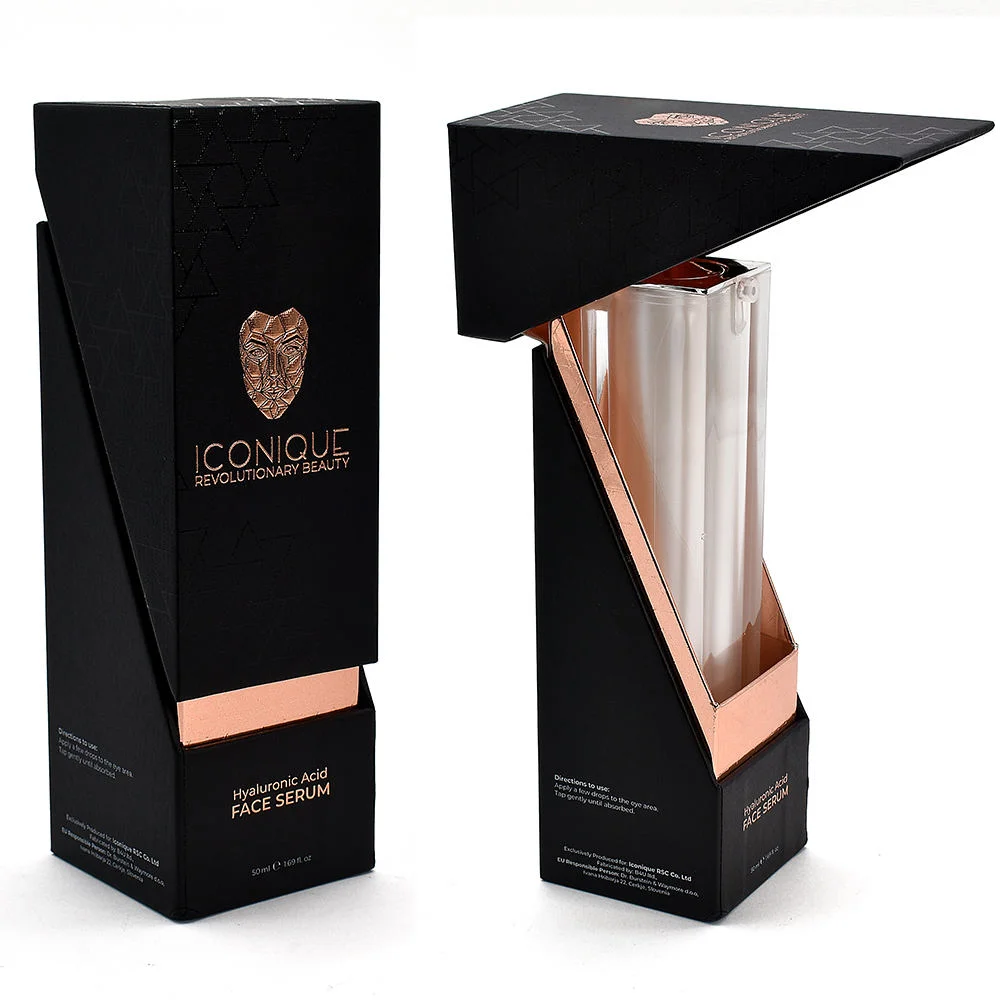
Richpack Custom Luxury Cosmetic Packaging Boxes with Logo | Tailored Solutions for High-End Brands

Custom Printed Paper Shampoo Set Hair Care Packaging Boxes For Shampoo
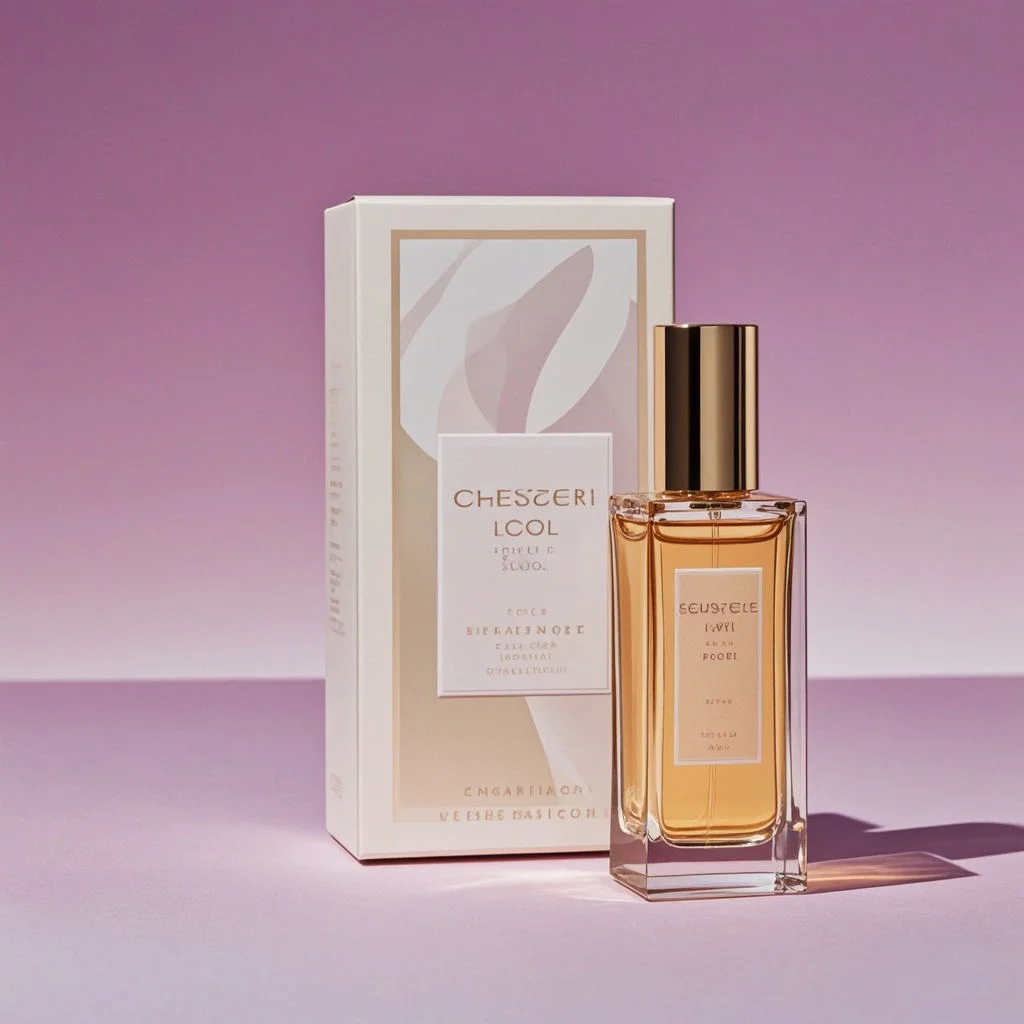
Customizable Wholesale Perfume Packaging with Personalized Branding | Ideal for Distributors Needing Unique and High-Impact Packaging
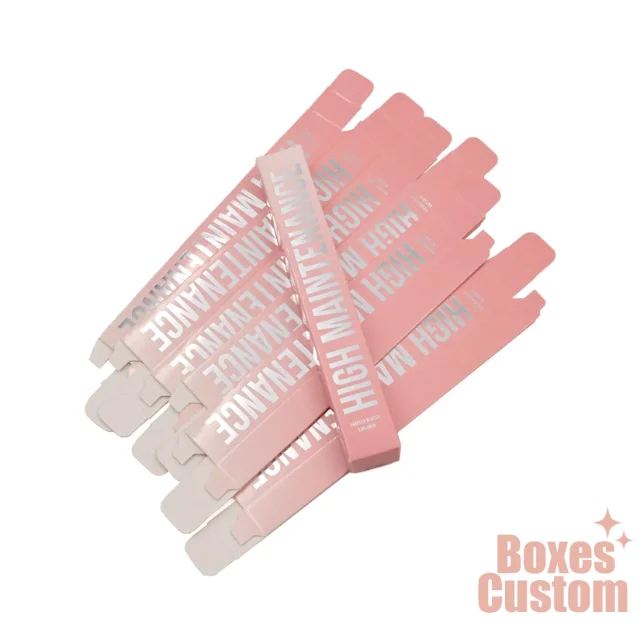
Cosmetics Packaging Labelling Solutions | Custom Cosmetic Packaging Labels for Beauty and Skincare Brands Bulk Order Options From Richpack
View More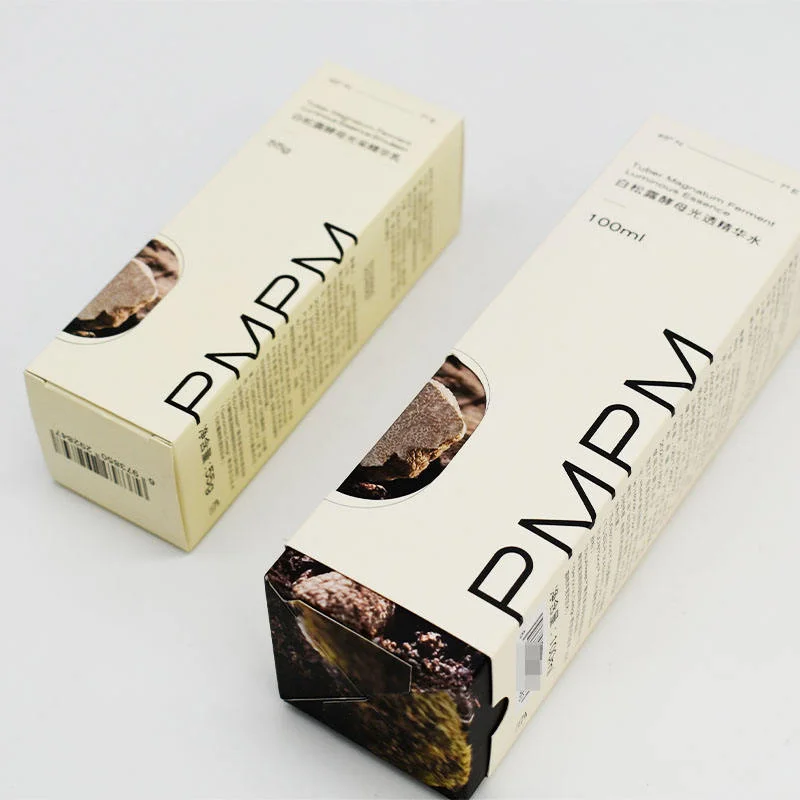
Custom Cosmetic Box Packaging for Luxury and Retail Brands – High-Quality Cosmetic Packaging Boxes Wholesale for Unique and Sustainable Packaging Solutions
View More
Custom Printed Cosmetic Boxes for Artisan Beauty Retailers | Ideal for Small-Scale Beauty Brands Needing Distinctive and Branded Packaging Solutions
View More

