After years in the packaging supply chain, RichPack has witnessed numerous exquisite jewelry pieces damaged in transit due to flawed packaging designs.
A custom necklace box is more than just a protective container; it’s the first tangible touchpoint that builds trust between your brand and customers.
In this guide, drawing on frontline industry experience, Richpack will guide you through the process of designing the perfect necklace gift box.
What Is a Custom Necklace Packaging Box?
Many people mistakenly think a custom necklace packaging box is just a box printed with a logo. But after handling hundreds of brand projects, I’ve learned it’s essentially a precision-engineered system for protection and display.
It’s like dressing a valuable necklace in a tailor-made suit of armor. Unlike generic stock packaging, custom boxes feature internal structures designed specifically around the necklace’s unique shape.
Its core purpose is to solve two critical problems:
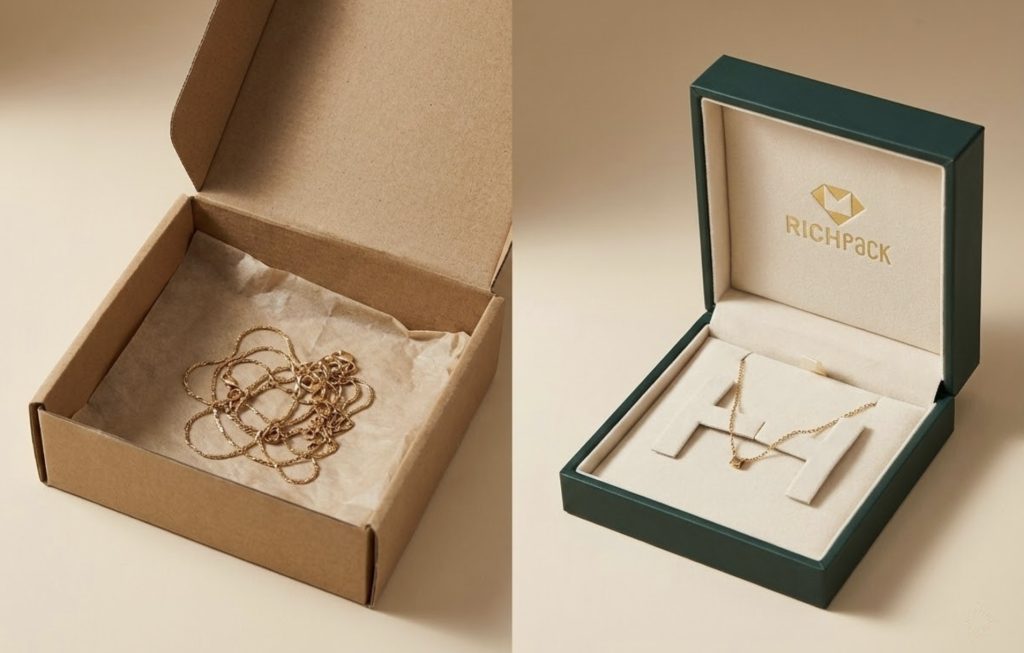
Physical Protection: Custom die-cut foam inserts or velvet holders completely prevent necklaces from tangling or getting scratched during shipping.
Brand Vessel: It’s a physical extension of your brand’s visual identity, telling your brand story before customers even touch the product.
The Role of Custom Necklace Boxes in Building a Brand
In an era where aesthetics reign supreme, packaging is the only marketing channel you can control 100%. We often tell our clients: a custom necklace box is your brand’s silent salesman.
When customers receive a delivery, the first thing they interact with is not the jewelry—it’s the packaging.
A well-designed box instantly builds brand consistency. Just imagine: if your $200 necklace comes in a cheap plastic bag, customer trust in your brand will vanish in an instant.
A strategic packaging partner will help you nail these key details:
Color Psychology: Ensure the box’s Pantone color matches your website’s primary shade perfectly to strengthen brand recall.
Tactile Experience: Convey your brand’s quality through soft-touch lamination or textured paper.
Unboxing Ritual: Design thoughtful magnetic closures or ribbon ties to extend the joy of the unboxing experience.
Why Can Custom Necklace Gift Boxes Boost Sales and Enhance the Perception of Value?
You might ask: Is investing extra budget in packaging really worth it?
According to Richpack’s data analysis model, the answer is a resounding yes.
Custom necklace gift boxes directly drive premium pricing by boosting perceived value.
The logic is simple: the higher the value customers perceive, the less sensitive they are to price.
Plus, high-quality custom packaging saves you money on operations:
Lower Return Rates: E-commerce data shows returns caused by shipping damage are profit killers. A sturdy, rigid box construction drastically reduces this risk.
Free Social Media Exposure: When packaging is stunning enough, customers will voluntarily create UGC (user-generated content) and post it on Instagram or TikTok. This isn’t just free advertising—it’s the most persuasive form of social proof.
Choosing a partner like Richpack isn’t just about buying boxes. It’s about gaining predictable, hassle-free supply chain management that drives consistent sales growth.
What Materials Are Used for Necklace Gift Boxes?
After years in the packaging industry, I’ve noticed many brand owners make a common mistake when choosing materials: they focus only on design sketches, ignoring physical properties.
In reality, material selection directly determines your custom necklace box’s feel, shipping costs, and how much customers are willing to pay.
Material is not just about what something is made of—it’s about how expensive it feels to the touch.
For most B2B clients, the perfect material strikes a sweet spot between durability, sustainability, and budget.
After all, no one wants to pay premium air freight for heavy wooden boxes, and no one wants customers to receive a crushed paper box.
Common Materials
Choosing the outer box material is like laying the foundation for a house. You can adjust based on brand positioning and budget. Here’s our hands-on analysis of the top options:
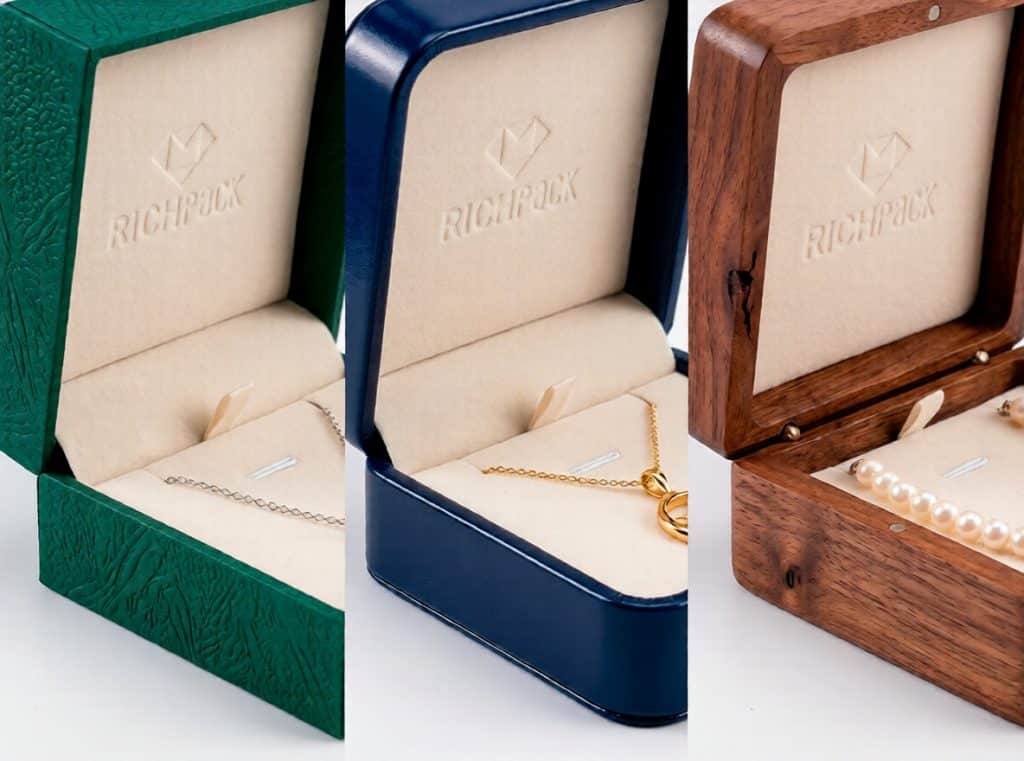
Rigid Paperboard: This is the top choice for 80% of custom necklace packaging boxes on the market today. It consists of high-grammage gray board (usually 800–1200gsm) wrapped in specialty paper.
PU Leather: If you want to create the classic luxury feel of brands like Cartier or Tiffany but have budget constraints, PU leather is an excellent alternative. It offers the same tactile experience as genuine leather, is vegan-friendly, and aligns perfectly with modern consumers’ ethical standards.
Wood: Typically used for ultra-high-end collectible jewelry. While its texture is unbeatable, as a supply chain consultant, I must warn you: “Wooden boxes have longer lead times, are prone to warping due to humidity changes, and have the highest shipping costs.”
We Take on Rigid Paperboard: It’s the best value for money. It delivers the sturdy structure of wooden boxes while enabling endless visual creativity through offset printing and foil stamping. Most importantly, compared to wood, it significantly cuts international shipping costs.
Expert Tip: More and more European and American buyers are demanding eco-friendly packaging. At Richpack, we recommend clients use FSC-certified paper. This isn’t just an environmental statement—it’s a ticket to entering high-end retail channels.
Interior Linings and Inserts
If the outer box is the “face,” the interior lining is the “heart.”
For necklaces, linings serve more than just aesthetic purposes—they provide anti-tarnish and anti-tangling protection.
Velvet & Suede: These are the most classic linings for custom necklace gift boxes. High-quality plush fabric gently wraps metal surfaces. But beware: many low-end suppliers use cheap velvet that sheds lint easily, which sticks to jewelry. Always insist on high-density microfiber.
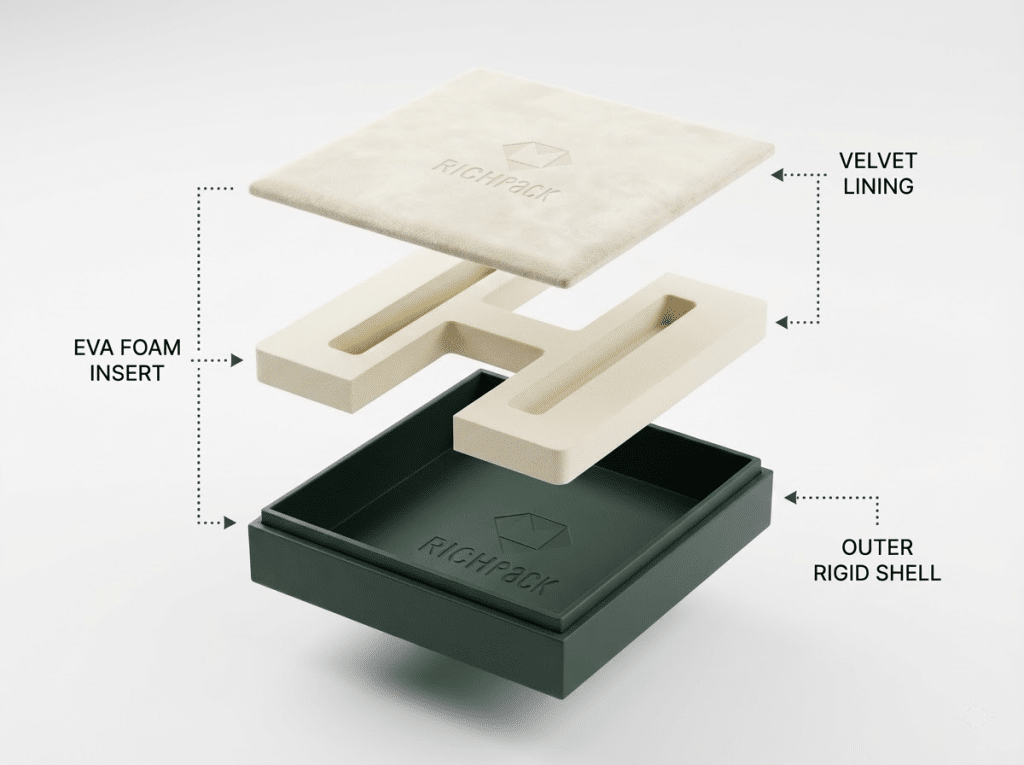
Die-Cut Foam / EVA: For e-commerce sellers, I highly recommend high-density EVA. We can perform precise CNC cutting to match the shape of your necklace pendant. It holds the necklace like a glove—no matter how bumpy the shipping process gets, the necklace stays put. It passes what we call the Shake Test with flying colors.
Cardboard Inserts: If 100% recyclability is your goal, cardboard structures are the way to go. With clever folding designs, they can still secure chains effectively. While they don’t offer the same luxury feel as velvet, they represent the pinnacle of sustainable packaging.
How to Choose Production and Printing Technologies
Designing a beautiful JPG is one thing; turning it into thousands of perfect custom necklace packaging boxes is another.
After collaborating with countless brands, I’ve found that many startups overlook a key point: printing is not just about color—it’s about texture and cost efficiency.
Choosing the wrong production technology can lead to two disastrous outcomes:
The final product looks cheap (ink bleeds on specialty paper).
High unit costs eat into your profits.
At Richpack, we do more than just execute your design—we act as your production consultant. We’ll match you with the optimal combination of processes based on your specific needs, ensuring every penny spent boosts perceived value.
Material Compatibility
Not all paper works with all inks. If you choose rough-textured paper for a premium feel, standard printing methods may leave your logo looking blurry and unprofessional.
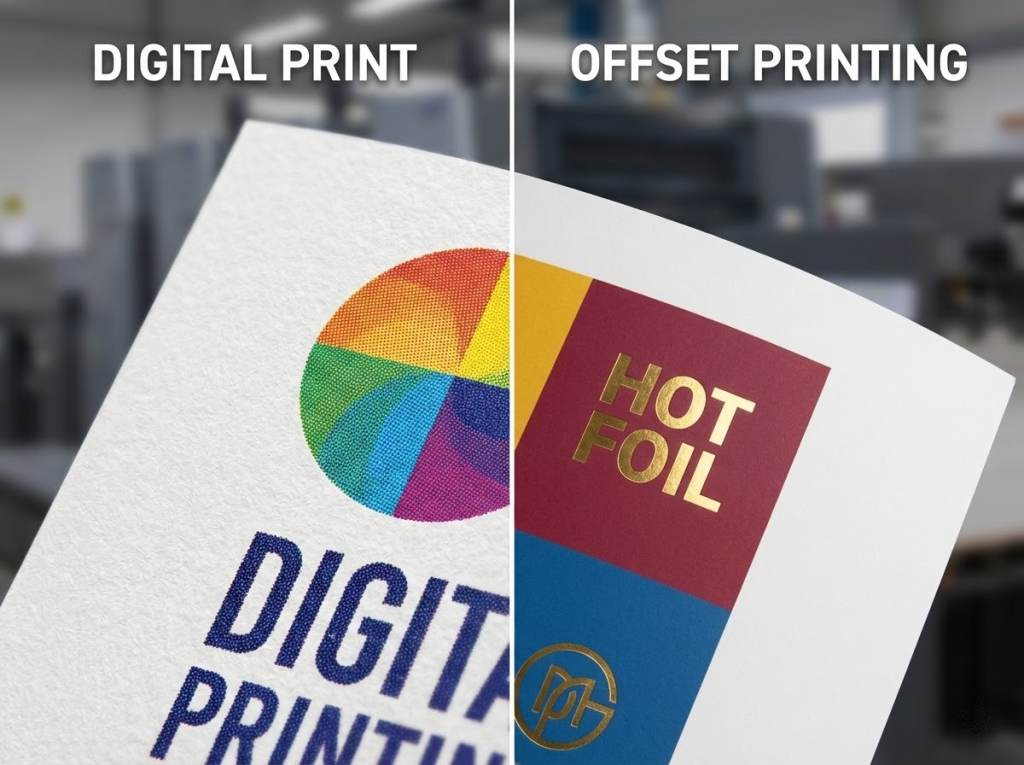
For Smooth Surfaces (e.g., coated paper): Offset printing is the best choice. It delivers exceptional color accuracy and crisp, detailed visuals.
For Rough Surfaces (e.g., kraft paper or faux leather paper): Ink tends to soak in, resulting in dull colors. In this case, I recommend screen printing or hot foil stamping. These processes deposit pigment on the paper surface, offering excellent coverage and vibrant, eye-catching results.
Expert Experience: If you’re unsure how your design will look on a specific paper, always ask your supplier for a pre-production sample. This is your last line of defense against costly mass production mistakes.
Design Complexity
Is your design a minimalist logo or a detailed full-color photo?
Design complexity directly dictates the right production path.
Minimalist Design: If you only need to display your brand logo and slogan, spot UV or simple single-color foil stamping often exudes more sophistication than full-color printing. This “less is more” strategy is perfect for high-end custom necklace gift boxes.
Complex Graphics: If your packaging design includes gradients, photos, or intricate illustrations, CMYK offset printing is a must. It accurately reproduces rich color layers and fine details.
Note that overly complex designs usually mean higher waste rates. As your partner, we’ll help you optimize your design files, removing unnecessary complexity to maintain visual appeal while reducing production risks.
Budget and Volume
Economies of scale are the most practical factor in B2B decision-making.
Small Run (<500 units): For new product launches or testing the market, digital printing is the smart choice. It eliminates expensive setup costs, has low minimum order quantities, and offers fast turnaround times. While the unit cost is slightly higher, the total investment remains manageable.
Wholesale (>1000 units): Once your order volume increases, offset printing becomes the clear winner. Although upfront setup costs are higher, the unit cost drops dramatically as quantities rise.
At Richpack, we specialize in scalable solutions. We can help you launch quickly with digital printing for small batches, then seamlessly switch to offset printing for mass production once sales stabilize, reducing costs in the long run.
Customization Features That Reinforce Brand Identity
In this attention economy, generic white boxes no longer impress discerning consumers.
I’ve seen many startup brands successfully increase their product prices by 30% simply by refining the custom necklace box’s finishing details.
Customization is more than just printing a logo—it’s about building a consistent brand identity. When consumers see that specific Pantone color or feel that unique texture, their minds should immediately associate it with your brand.
That’s exactly what we do for clients at Richpack: we don’t just make boxes—we help you turn your brand story into a physical experience.
Logo Imprinting and Hot Foil Stamping
Your logo is your brand’s face, so how you present it matters.
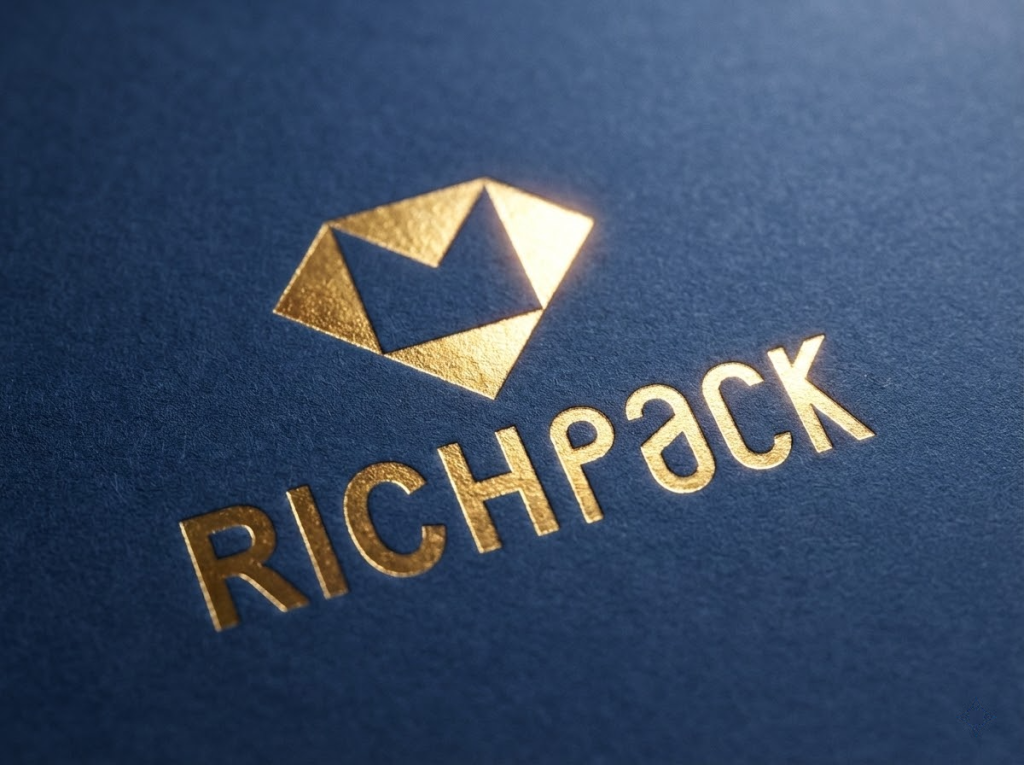
Hot Foil Stamping: This is the most classic technique for necklace packaging. From my experience, the metallic finish of gold or silver foil complements the jewelry inside, instantly elevating perceived value. For quiet luxury, try black gold or rose gold foil stamping.
UV Printing: If you want your logo to have a raised, glossy finish, spot UV is a cost-effective option. It creates a stunning contrast against matte paper surfaces.
Debossing: This technique doesn’t use ink—it presses the logo directly into the paper. It conveys an understated, old-money aesthetic that’s perfect for minimalist brands.
Material Finishes, Colors, and Embossing Effects
Humans are tactile creatures. During the unboxing experience, the feel of the box under the fingertips often registers in the brain before visual cues.
Soft-Touch Lamination: This has been extremely popular in European and American markets in recent years. It feels like baby skin or peach suede, adding a warm, luxurious touch to rigid boxes.
Full Embossing: We can emboss specialty paper with textures like litchi skin, linen, or even your brand’s monogram. This not only prevents slipping but also makes the packaging more resistant to stains.
Pantone Matching: For B2B brands, color consistency is everything. Richpack strictly adheres to the Pantone Matching System (PMS) standards, ensuring zero color variation between your first order and your tenth order of custom necklace packaging boxes.
Custom Inserts
This is the core technical advantage of a custom necklace gift box. From our shipping tests, we’ve found that 80% of necklace damage isn’t caused by crushed boxes—it’s due to poorly designed linings that let chains shift and tangle inside.
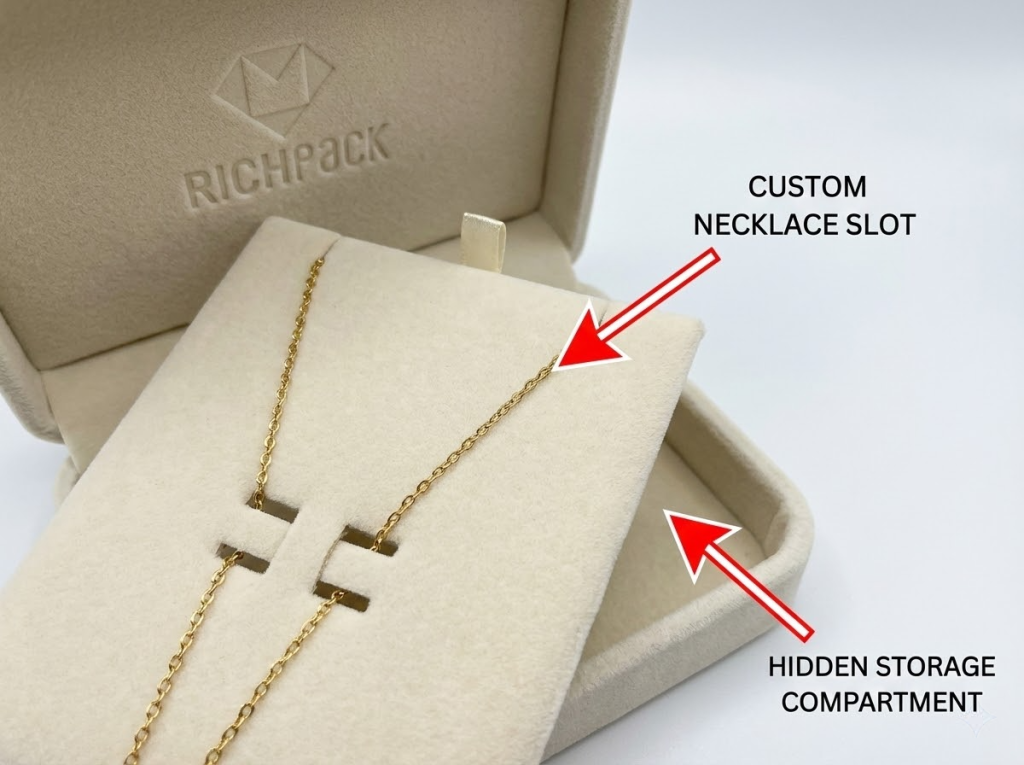
Anti-Tangling Design: Flat linings are a necklace’s worst enemy. I highly recommend designs with H-shaped cuts or hidden back fasteners to tuck excess chain behind the lining board.
Material Selection: Avoid cheap, low-density foam. We typically use high-density EVA covered with velvet. It securely holds the necklace in place while providing anti-tarnish protection.
Ribbons, Wraps, and Messaging
If customers have to untie a ribbon before opening the box, that gift-unboxing ritual triggers dopamine release, enhancing their overall experience.
Branded Ribbons: A ribbon printed with your slogan costs next to nothing but makes customers feel like they’re receiving a carefully curated gift—not just an online purchase.
Personalized Message Cards: Include a thank-you note or care guide on top of the necklace. This not only shows you care but also creates the perfect opportunity to encourage repeat purchases or social media sharing.
As your strategic partner, Richpack excels at integrating these small details to create a complete, memorable delivery experience.
Design Principles for Effective Necklace Packaging
Designing a custom necklace box isn’t just about making it look good on Instagram—it’s about how it performs in the real world.
At Richpack, we follow one core principle: Form follows Function.
Many brand owners fall into the trap of over-designing, creating packaging that looks stunning but is hard to open or fails to protect the product. Effective design is the perfect balance of aesthetics and engineering. It should tell your brand story while withstanding the rigors of international shipping.
Ignoring these principles will cost you more than just bad customer reviews—it will hit your bottom line with real returns cost.
Branding Best Practices
Branding isn’t just about putting a big logo in the center of the box. From handling hundreds of cases, I’ve learned that sophistication often comes from restraint and consistency.
Color Consistency: This is the most overlooked detail. The Tiffany blue on your website must match the printed color on the box perfectly. We stick to the Pantone matching system (PMS) for color matching because even a slight color difference can make customers think the product is fake or your brand is unprofessional.
Typography Hierarchy: Don’t try to cram too much information on the custom necklace gift box lid. Stick to just the logo and a short slogan. Move detailed website URLs, social media handles, or care instructions to the bottom of the box or insert a card inside.
Tactile Branding: Visuals are just the first step. Consider using embossing or soft-touch ink so customers can recognize your brand the moment they touch the box.
Functional Design Principles
If customers spend two minutes untangling a chain when they open the box, even the most beautiful design is a failure. As packaging engineers, we focus on every tiny interaction in the user experience (UX).
The “Shake Test”: We conduct simulation tests when designing linings. The necklace must be held securely in place. If you pick up the box and hear rattling, the lining has too much space, and the necklace will likely get scratched during shipping.
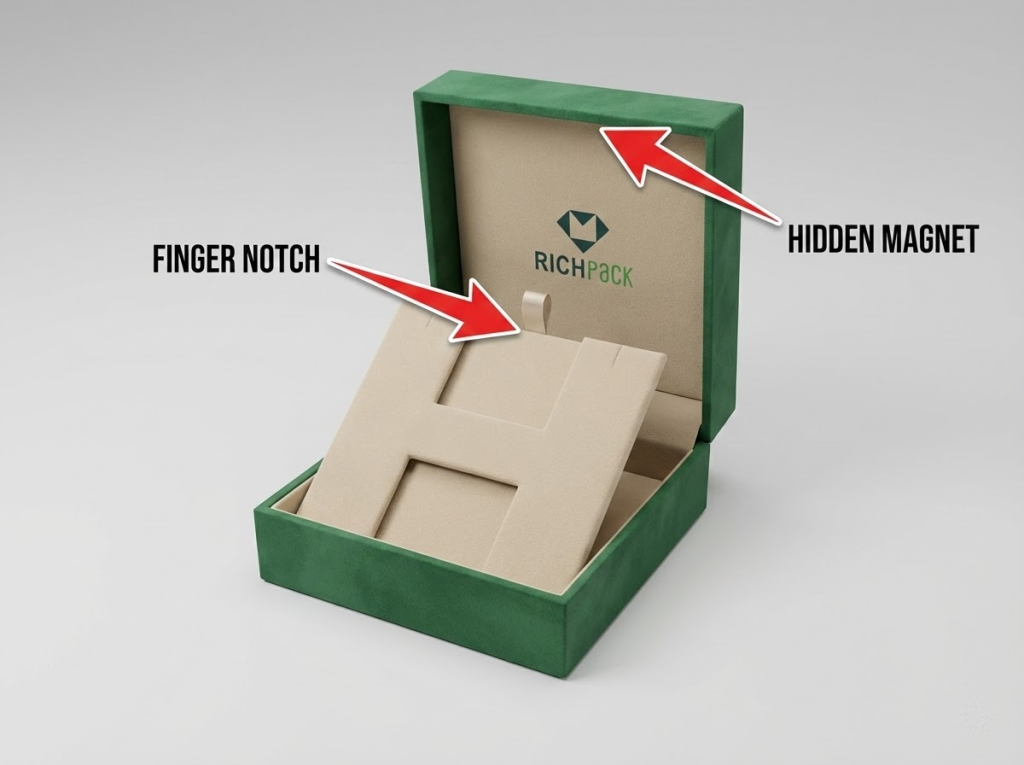
Finger Space: This is a pain point many designers miss. If the necklace is stuck too tightly, customers will have to pry it out with their nails—creating a terrible experience. When designing EVA or foam inserts, we add special semicircular finger notches to let customers remove the jewelry gracefully.
Secure Closure: For magnetic closure boxes, the magnet strength must be carefully calibrated. Too weak, and the box will open accidentally during shipping; too strong, and customers will struggle to open it.
Incorporating Customer Feedback
Your customers are your best packaging designers. Even a one-star review contains valuable insights to optimize your custom necklace packaging boxes.
Analyze Returns Data: If you see a spike in returns citing broken or tangled necklaces, this is usually not a jewelry quality issue—it’s a packaging structure problem. You need to upgrade your lining’s securement method.
Unboxing Reviews: Pay attention to unboxing videos on social media. If customers struggle to tear off stickers or can’t figure out how to open the box, we need to optimize the structure in the next iteration—for example, adding pull ribbons.
At Richpack, we integrate this iterative design process into our services. We don’t just manufacture packaging—we help you continuously improve your packaging solutions based on market feedback, turning packaging into a key part of your brand’s competitive advantage.
FAQs
What Fabric Works Best for the Inner Lining of a Necklace Jewelry Box?
Many clients ask right away: Is velvet the most luxurious option? The answer is not necessarily. The key factors for choosing lining fabric are not just feel, but also anti-tarnish performance.
From my experience, microfiber is usually a better choice than traditional velvet.
Anti-Tarnish Properties: High-quality microfiber contains no sulfides, effectively slowing down the oxidation process that turns silver jewelry black.
Durability: It’s more wear-resistant than regular velvet and doesn’t shed lint like cheap flocking, preventing your exquisite necklaces from getting covered in dust.
Texture: It has a premium suede-like feel, making it perfect for high-end custom necklace gift boxes.
What Is the Best Way to Package a Necklace?
The best way to package a necklace must strike a balance between attractive display and shipping safety. Many e-commerce brands prioritize display over protection, leading to necklaces slipping during transit.
I recommend following the three-layer protection method:
Secure: Use custom holders or hooks to fix the pendant and chain ends, ensuring stable weight distribution.
Cushion: Cover the necklace with a soft protective pad or tissue paper to prevent friction against the box lid.
Reinforce: For long-distance international shipping, always use a high-strength corrugated mailer as the outer layer—never rely on a single cardboard box.
How to Prevent Necklaces From Tangling in a Jewelry Box?
This is every jeweler’s worst nightmare. A customer receiving a tangled necklace usually means an immediate return. The key to solving this problem is limiting the chain’s free movement space.
When designing linings, I typically use these structural innovations:
H-Shaped Cuts: Special H-shaped slits in the insert allow excess chain to be tucked behind the board. Out of sight, out of tangle.
Snap Buttons: For heavier pearl necklaces, we add leather snap fasteners to the back of the lining to physically lock the chain in place.
Tight Compartments: High-density die-cut foam is shaped to fit the necklace’s exact contours, leaving no room for movement.
If you’re struggling with high return rates, the problem is likely with your lining structure. As your supply chain partner, Richpack specializes in solving these costly pain points with small structural improvements.
Conclusion
By the end of this journey from design to delivery, you’ve probably realized that creating the perfect custom necklace packaging box is more than just picking a color or a material.
It’s actually an art of balance—striking that sweet spot between visual aesthetics and supply chain efficiency.
After helping hundreds of jewelry brands upgrade their packaging from scratch, I’ve found that successful brand owners share one belief: they don’t see packaging as a cost—they see it as an investment. An investment that drives higher customer retention and organic social media traffic.
If you’re hesitant due to complex MOQs (minimum order quantities), unpredictable international shipping, or color matching issues, remember: Richpack exists to eliminate these uncertainties. We’re not just a supplier—we’re your packaging strategist.
We’re committed to helping you achieve:
Predictable Quality: Through strict QC processes, we ensure consistent quality from the first box to the ten-thousandth box.
Scalable Solutions: Whether you’re just starting out with small test batches or ready for large-scale distribution, we have the right production processes to match your needs.
Risk Management: Professional structural design minimizes shipping damage rates to near zero.







 PREV
PREV