

I see jewelry brands put all their time into the stones, metal, and finish. They make a great piece, but ship it in a plain, boring box. This gap in the shipping moment is where you lose your best customers. I have seen this happen too many times to count.
A thoughtful thank-you card turns a simple sale into a genuine conversation with your buyer. This reminds them why they chose your brand in the first place. Bain & Company found that keeping 5% more customers raises profits by 25% to 95%. People buy jewelry for birthdays, anniversaries, and other big life events.
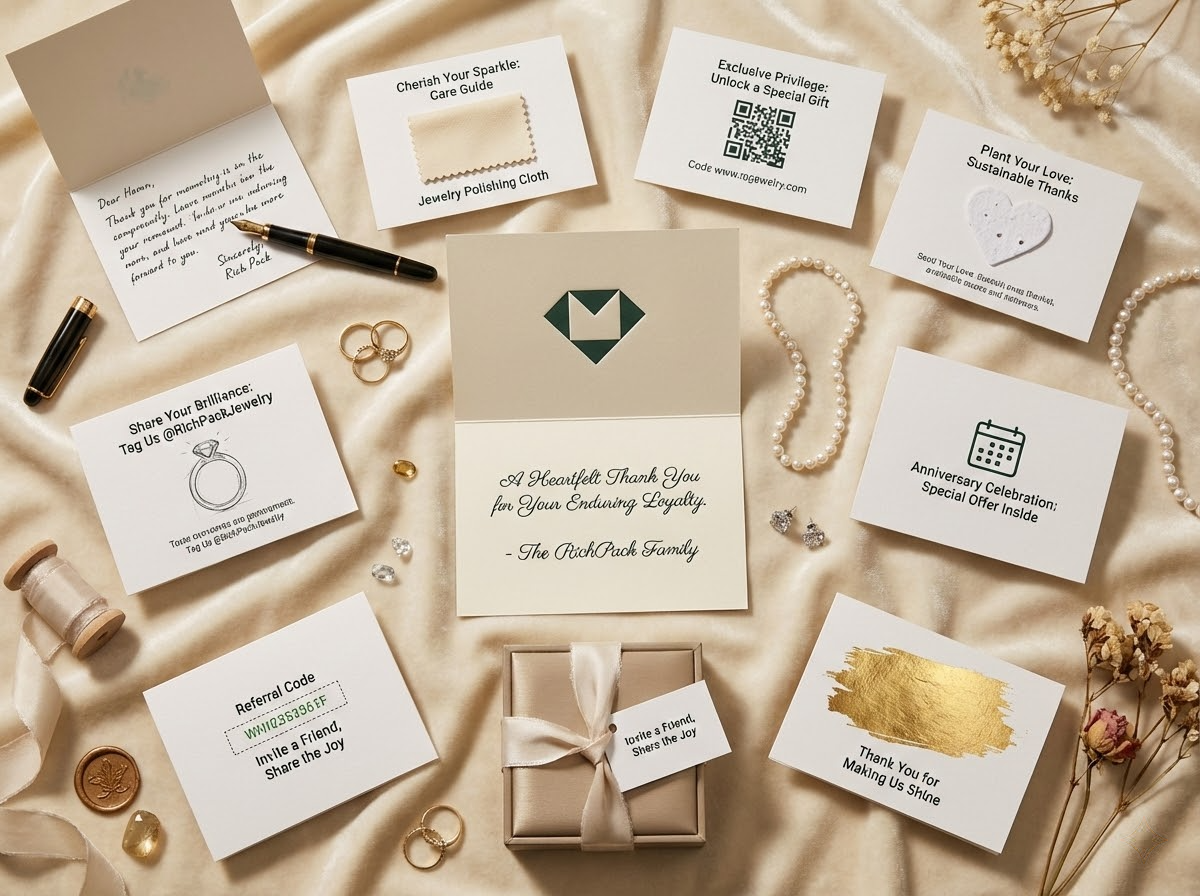
I’ve put together 10 easy ideas for your jewelry thank-you cards. These work for online shops, small boutiques, or even solo design studios. I will show you how to write, design, and track your results. Let’s start building brand loyalty right now without incurring significant expenses.
Now that you see why shipping is a critical moment, let’s explore how a simple thank-you card can transform customer experiences in your jewelry business. I’ve seen how a simple card changes everything for jewelry brands. This small piece of paper carries huge weight in our industry. Let’s look at why it matters so much for you.
Finding new customers costs 5 to 25 times more than keeping old ones. Harvard Business Review data backs this up. In our world, loyal buyers return for weddings and holidays. Their lifetime value is really high.
A 2024 Forrester study shows that appreciation keeps 88% of customers. Most will spend more and tell their friends too. I find a personal card is the cheapest way to do this. It triggers a great response every time.
| Customer Behavior Metric | New Customers | Retained Customers |
| Probability of making a purchase | 5–20% | 60–70% |
| Likelihood to try new products | Baseline | 50% higher |
| Average order value vs. new customers | Baseline | 31% higher |
| Share of future company revenue | ~35% | ~65% |
Sources: Harvard Business Review; OutboundEngine retention analysis; BusinessDasher customer retention statistics (2024).
People buy jewelry for meaningful life events, not just for function. This emotional link makes the post-purchase phase powerful. I always tell my clients to lean into this.
Jewelry fans are some of the most loyal shoppers out there. Data from the Tech Report proves this point. You must build that loyalty right after the first sale. The unboxing moment is when they feel most excited. A thank you card lands at the perfect time.
The math here is really strong. Research shows that personalized inserts boost second sales by 40%. These cards can also triple your review rates. Discount codes on cards see high use within 30 days. This creates a huge return on your investment.
Let’s do some quick math for your brand. Say a second sale is USD 120. A card costs only USD 0.20 to print. You only need one sale per 600 cards to break even. The 40% conversion rate means your odds are much better. You just need to pick the right card style.
Many brands just toss a card in the box. I think that is a big mistake. The best brands use it as part of a plan. Seeing where the card fits helps you win. It makes every touchpoint count for more.
A good journey for your brand has five stages. Stage three is the unboxing moment. This is when you have their full attention. They are holding your box right now. Their phone is likely down. This makes a physical card very powerful. No other channel can reach them like this. Design your card with this in mind.
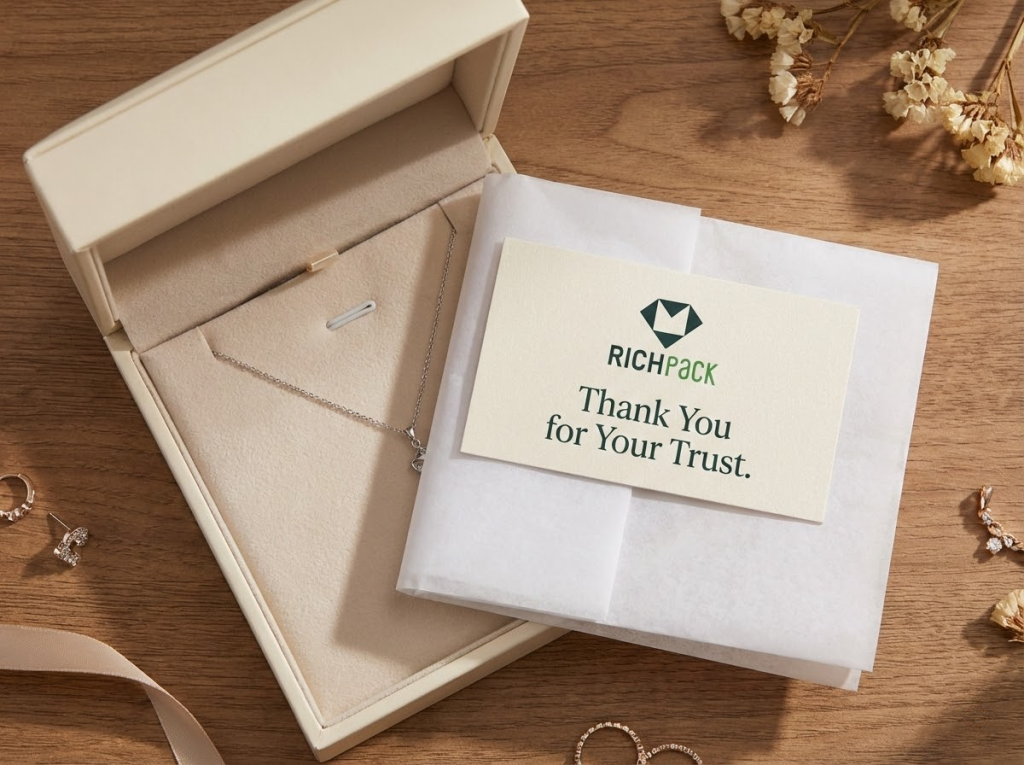
Most jewelry brands rely on automated emails today. I’ve seen that a handwritten note stops customers mid-unboxing. It shows a real person who actually thought about them. This small touch builds instant trust with your buyers.
I recommend keeping notes between three and five sentences. Always mention the specific piece they bought. Use their first name to make it personal. Sign the card yourself or have your team do it. This template works well because it sounds natural:
“Hi [Name], thanks for your order. The [product name] is a favorite of mine. I hope you enjoy wearing it for years. Reach out if you need styling tips. We are always here to help. — [Your name], [Brand].”
Avoid any sales pitches here. Don’t tell your brand story yet. Just give a warm, human acknowledgment.
You can usually handwrite cards for up to 100 orders monthly. After that, you need a new plan. I suggest three main paths for growth.
First, hire a part-time writer for 100 to 500 orders. Second, try a handwriting automation service. Tools like Handwritten use real pens and robots. Their data shows these cards drive 27x more traffic than print mail. You might see a 7x return on investment.
Third, segment your customer list. Save handwritten notes for VIPs or first-time buyers. I often set a threshold like 200 dollars.
Email thank you notes often get lost in crowded inboxes. A physical card arrives when customer excitement is highest. USPS data shows Americans only get four handwritten letters a year. This rarity gives you a massive edge. Use that to stand out from the noise.
Many brand owners ask me exactly what to write. Your message should change based on the buyer. Specific notes build much more loyalty than generic ones. Here are five templates you can use right now.
| Buyer Scenario | Message Template |
|---|---|
| First-time buyer | “Hi [Name] — welcome to [Brand]. We hope the [product] brings as much joy to you as it did to us, making it. Anything you need, we’re just an email away. — [Your name]” |
| Repeat buyer | “Hi [Name] — you’re back! It means the world to us. Your continued support is what lets us keep creating the pieces we love. Thank you, genuinely. — [Your name]” |
| High-value order ($200+) | “Hi [Name] — thank you for trusting us with something this special. The [product] was crafted with care, and we’re honored it found its way to you. Reach out anytime. — [Your name]” |
| Gift purchase | “Hi [Name] — what a thoughtful gift to give. Whoever receives the [product] is lucky to have you thinking of them. We hope it makes the moment unforgettable. — [Your name]” |
| Holiday or seasonal buyer | “Hi [Name] — thank you for celebrating the season with us. The [product] is one of our favorites from this collection. We hope it carries a little of the joy you put into choosing it. — [Your name]” |
Keep every message under 50 words. Longer notes often go unread. Focus on a warm, clear acknowledgment. Always try to name the product. That detail makes customers feel seen.
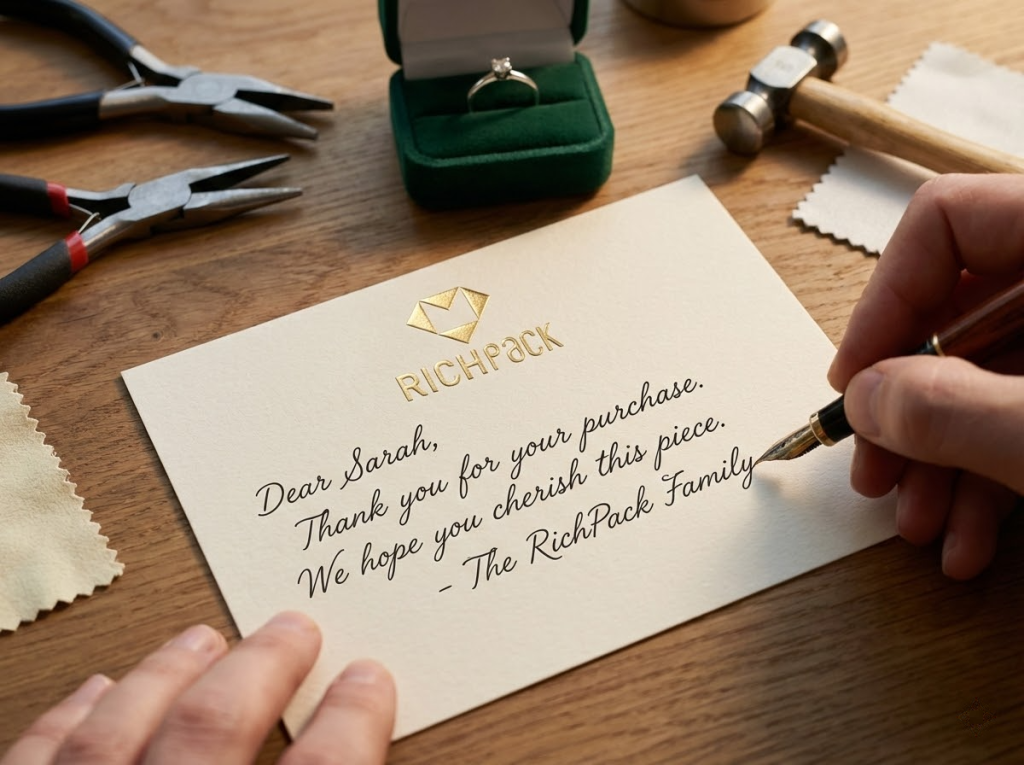
Origin matters deeply in the jewelry world. Buyers want to know where the metal came from. They want to know who designed the piece. A brand story card turns a buyer into a believer. I see this work for my clients every day.
The Antavo 2024 Loyalty Report shows something very clear. Success comes from emotional bonds, not just lower prices. A story card creates this bond without any tech. It is a simple, low-cost tool.
Look at brands like Mejuri or Catbird. Their fans buy into a specific way of life. Your story card can do the same work. It builds trust with every single order. I always suggest this for new brands.
Keep your card text between 80 and 120 words. You should answer three main questions. This keeps the message sharp and easy to read.
Start with a quick look at your roots. Tell them who you are in one sentence. For example, mention your studio and your start date. I find that being specific builds the most trust.
Next, explain why this piece is special. Connect the order to your own craft. Tell them that your team finished the piece by hand. This makes the purchase feel much more personal.
End with a simple next step for them. Ask them to follow your brand on Instagram. Tell them they can see your daily process there. This keeps the conversation going after the sale.
I recommend printing different cards for different lines. Give a gold ring buyer one specific story. Give a buyer of recycled silver a different note. This shows that you notice the small details.
Personal touches like this drive repeat sales. It makes the customer feel seen and valued. In my experience, this is how small shops win. It sets you apart from big retailers.
Laryssa Wirstiuk makes an excellent point about brand stories. Many owners try to add a story after the product is done. Customers can sense this right away. A story must feel like a real person talking.
I have seen many brands fail by relying on corporate-speak. Your story should not sound like a marketing plan. Here is how I tell the difference between real and fake copy.
A real story talks about personal things. Mentioning your grandmother’s old tools works well. It is specific and feels very honest. You cannot fake that kind of history.
Fake copy uses big, empty words. Do not just say jewelry is an expression of self. Every brand says that same thing. It does not tell the buyer anything new.
Be specific about where you get your materials. Mention a family-run mine you visited in Montana. Facts like this create real belief in your brand. It shows you truly care about your work.
Avoid saying you are just passionate about the planet. Everyone makes that claim today. Specific details are what actually build loyalty. I always push my clients to be more precise.
The Amptive team notes one very important trait. Great stories let the buyer see themselves in the text. Think about who is holding your jewelry right now. Write the story just for that one person.
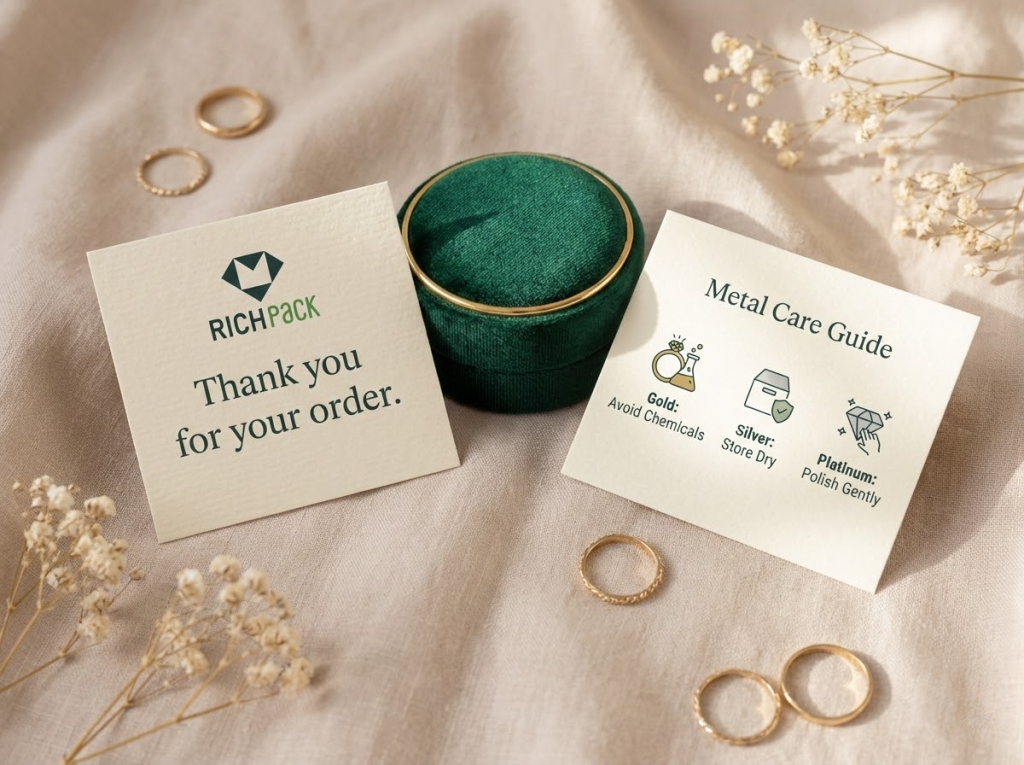
I always tell my clients that a great care card does two jobs at once. It says thank you while giving real value to your buyer. This simple insert helps protect their new piece and stops them from feeling regret later. When you show people how to care for their jewelry, they see you as an expert.
My friends at The Packtory found that care cards can cut returns by 20% to 30%. Each return you avoid saves you between 5 and 15 dollars in shipping costs. More importantly, it stops your customers from feeling let down. If a necklace turns black because a buyer wore it in the shower, they won’t buy from you again. A clear guide keeps them happy and coming back to your shop.
Keep your list short so it is easy to read. I like using bullet points to keep things organized by metal type.
Always add a note about your service at the bottom. Tell them to email you if the piece ever needs help. This small step stops bad reviews and builds a lot of trust.
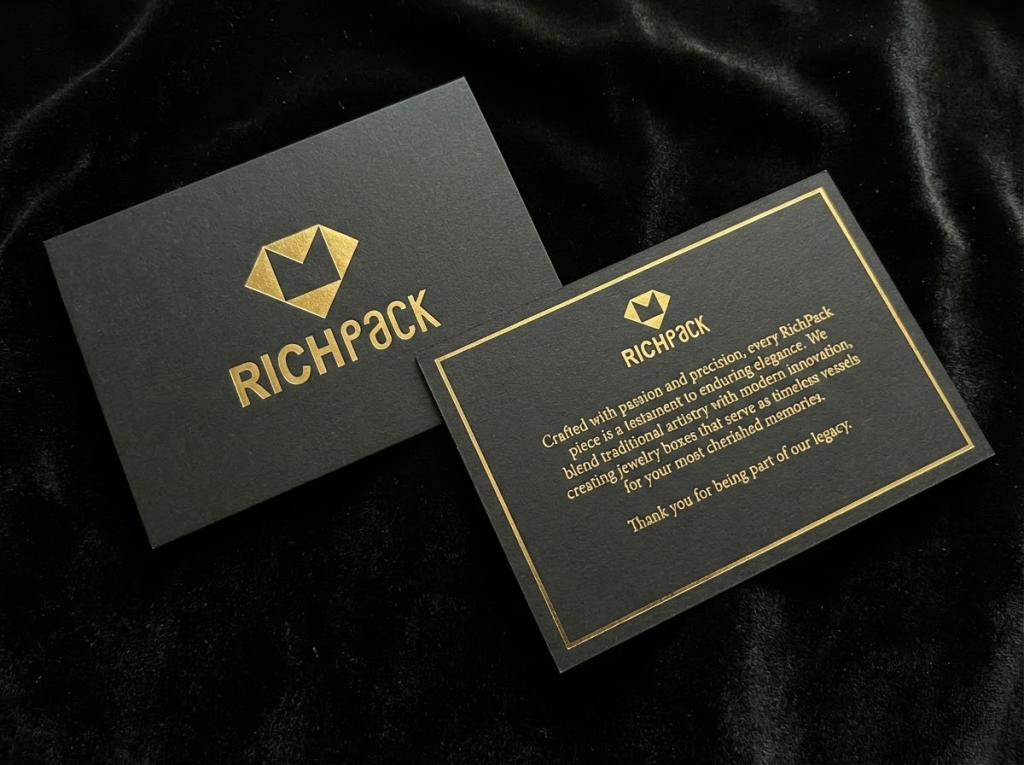
I recommend using both sides of your card. Put a warm thank-you note and your brand name on the front. Use the back for your care tips with clean, simple text. I suggest using thick matte paper between 350 and 400gsm for a high-end feel. A light logo in the background makes it look like a luxury item.
Most people throw away the flyers found in shipping boxes. In my experience, the care card is the one thing they actually keep. People who love jewelry want to know how to save it. They will tuck the card into a drawer or keep it in the box. This gives your brand a long life in their home.
I see this trend all the time on TikTok and Pinterest. People love to take photos of beautiful care cards during unboxing videos. A nice card next to a velvet pouch creates a perfect brand moment. Your customers will share these photos and show your brand to all their friends.
I use three main tricks to make sure people keep these cards:
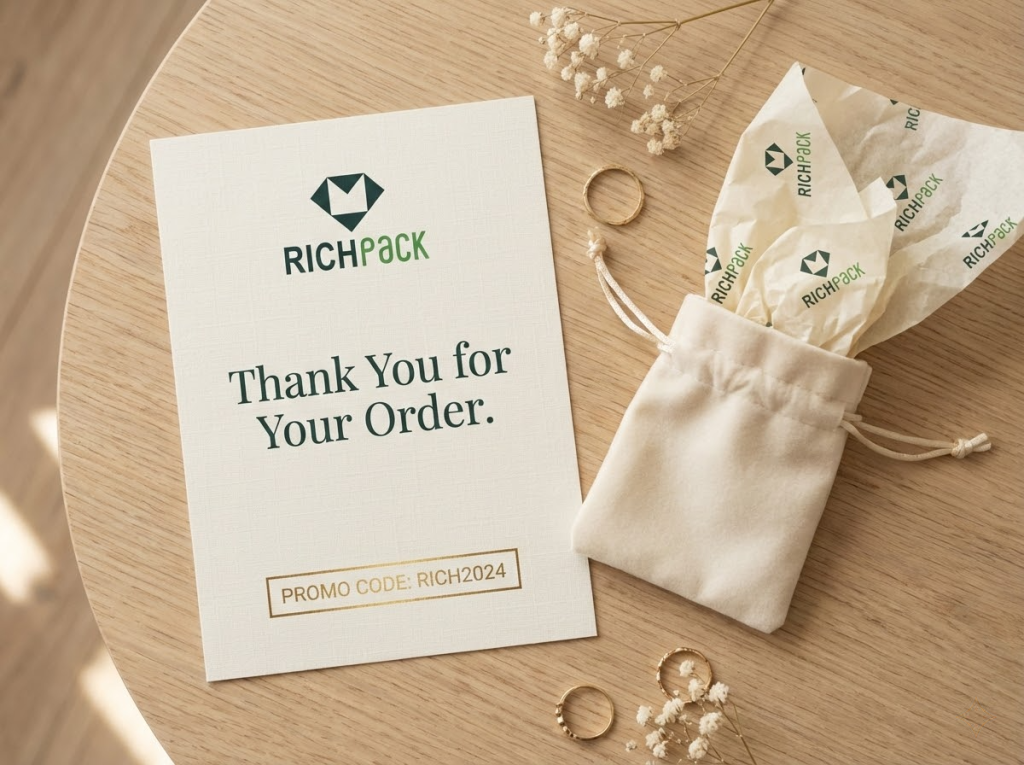
A discount card is a great tool to get repeat buyers. I’ve seen this work well for many jewelry brands. It builds urgency and rewards your customers at the same time. This simple card keeps your brand top of mind.
The way you phrase the deal matters most. I suggest avoiding basic sales talk like “15% off.” Instead, try calling it an “exclusive welcome gift” for your community. This shift makes the customer feel special. It builds your brand instead of making it look cheap.
I always recommend using unique codes for every customer. Do not use a generic code like WELCOME15 for everyone. Personal codes feel more private and valuable. They also make it much easier for you to track results.
Data shows that insert cards get a 25% to 40% use rate. Even at the low end, one in four people buy again. These cards only cost about 0.20 dollars to print. I suggest using UTM links on your site to see real data. Track your codes to see exactly how much you earn back.
I use a simple rule for choosing the right offer. A percentage often feels bigger for lower-priced items. For luxury pieces, a flat dollar amount usually works better. If your average sale is 80 dollars, 15% off sounds like a lot.
When your average sale is 350 dollars, a 50-dollar discount feels more real. I’ve found that customers respond better to concrete numbers on high-end jewelry. Try testing both options with a small group first. This helps you find what fits your specific brand best.
Give your customers 60 to 90 days to use the code. Short windows can feel too pushy for a premium brand. Long windows often make people forget to shop. This timeframe hits the sweet spot for most of my clients. It feels like a gift, but keeps the offer top of mind.
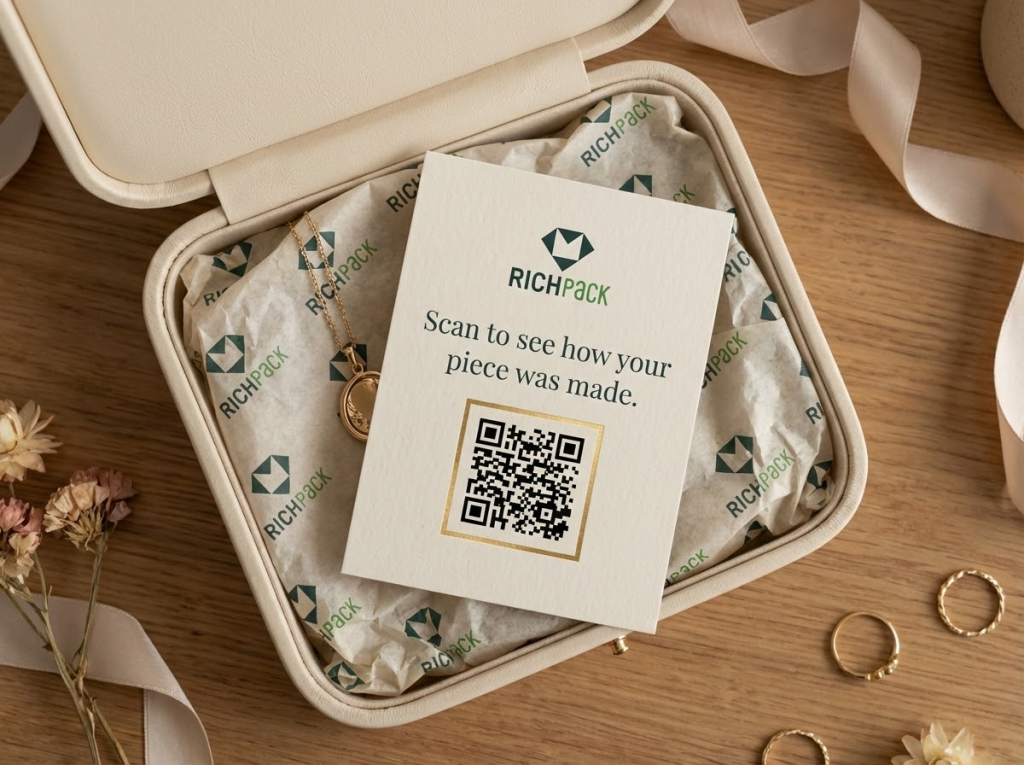
A QR code on a thank-you card connects your jewelry to your digital world. I see this as a high-leverage tool for brands today. It turns a plain card into a fun, interactive moment.
The link you choose is just as important as the scan itself. I suggest sending customers to one of these high-value spots:
Avoid linking to your homepage or a general shop page. That feels like a sales pitch. It can break trust with your customer right away.
Data shows that premium packaging makes your brand look more upscale. Many shoppers will share their unboxing on social media if it looks special. A QR code gives them something worth sharing. It could be a virtual try-on or a cool filter.
Over 89 million people in the U.S. scanned a code last year. This is now a normal habit for most shoppers. Your customer will scan your code if the content is good.
Always use a dynamic QR code instead of a static one. I recommend tools like Uniqode or QR Tiger. These let you change the link without reprinting your cards.
You also get clear data on how many people scan. You can see the time, device, and location of each scan. Use this to learn what your customers like best.
A QR code fails if it is too small or hard to see. It must fit your brand style but still work well. You need it to scan easily in any light.
Follow these simple design rules for your cards:
If your brand style is simple, use a custom-colored code. Just make sure the contrast stays high. Most platforms let you change colors while keeping the code working.
Most thank you cards arrive right at the point of purchase. I’ve found that milestone cards work much better. They arrive weeks or months later. These cards link to a date that matters to your buyer. That specific timing makes them very effective.
Start by setting up a simple trigger in your system. Log the date when a customer makes their first order. I suggest sending a card 11 months later. This arrives just before their first anniversary.
Keep your message simple. Say, “One year ago you brought home [product name].” Tell them you hope they still love it. Add a small reward or a quick note to celebrate.
Birthday cards follow the same step-by-step plan. Ask for birthdays at checkout by offering a small gift. Send a card one week before their big day. Include a personal offer. This hits right when they want to treat themselves.
I always recommend a simple post-purchase email. Ask customers to join your “VIP Circle.” They can share their birthday for special perks. Frame this as a benefit, not a boring form. This approach really helps your completion rates.
A 2024 report shows that most people will share data for rewards. About 63 percent of adults want early access or personal gifts. Give them a reason to trust you with their info. Now, let’s look at how to keep them coming back.
I build my best programs on a two-year plan. In the first year, celebrate the purchase date. Give them a small reward for staying loyal. In the second year, do it again with a better gift.
By the third year, they expect to hear from you. They stop being random buyers and become true fans. Big brands like Tiffany use this exact habit loop. You can do the same with a physical card. Use a timed sequence to build that bond.
Birthdays are just the start. Jewelry brands have many more chances to connect. Our products tie directly to big life events. I’ve seen brands build deep bonds this way. It works better than any points program.
Here are the moments worth building card sequences around:
You might not have all this data yet. Just start with what you can get at checkout. Ask if it is a gift or for them. Build your plan from there.
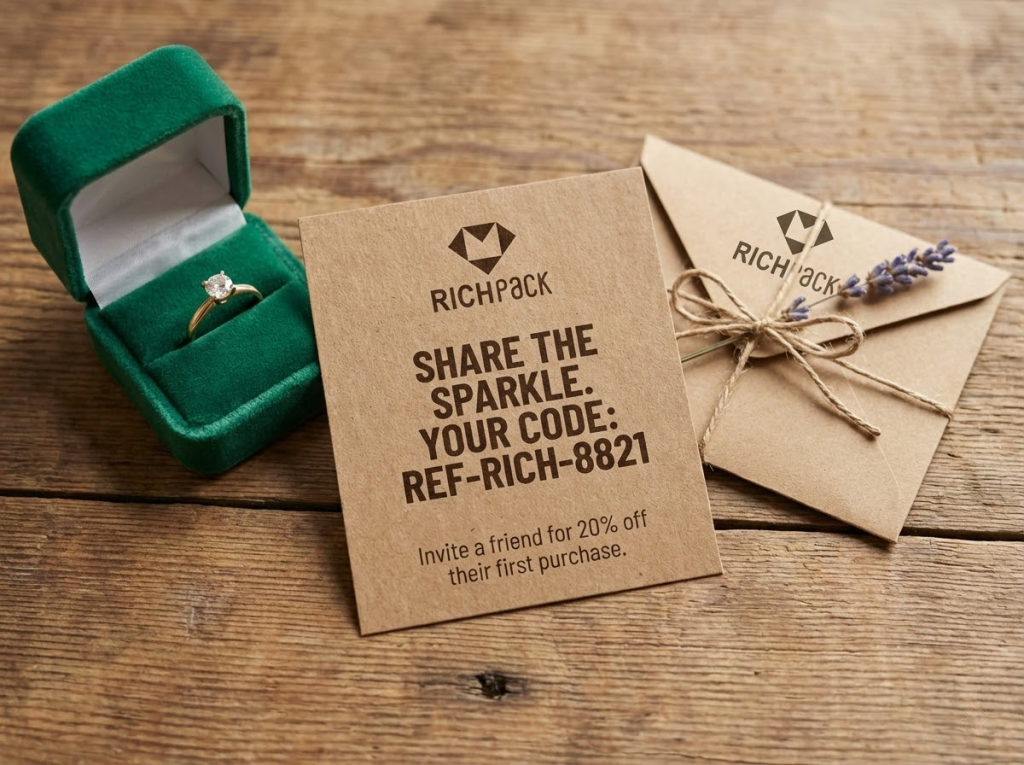
People trust their friends more than ads. This is true for jewelry because these buys are personal. A referral card makes your happy customers your best sales team.
I’ve seen that 90% of shoppers trust friends over ads. Jewelry costs more and feels more emotional than most items. A friend’s word beats a paid ad every time. These cards make it easy for fans to share your brand.
Your card needs to feel warm, not just like a deal. I always start with a friendly note. Try saying you want to meet their jewelry-loving friends. Then, keep the steps very simple.
Print the code right on the card when you pack it. You can use apps like ReferralCandy to do this fast. This makes the process easy for you and your buyer.
I find that giving rewards to both people works best. Research shows that loyal buyers are four times more likely to tell others. These top customers are your best source for new leads. Give them a good reason to share. The card will pay for itself quickly.
Even a pretty card can fail if the plan is bad. Experts looked at over 300 programs to find the big mistakes. I see these same errors in jewelry shops often. Let’s look at how to avoid them.
Every package you ship is a chance to create content. Use a UGC invite card to show customers you care. Tell them you want to see how they wear your jewelry. This builds a real community. It also gives you proof that people love your brand.
I’ve seen how powerful good packaging can be. Recent research shows 40% of shoppers share photos of pretty boxes. That is a huge chance for free marketing. A UGC card does more than look good. It invites customers to join your brand story.
The way you ask matters. I recommend a warmer approach. Don’t just say “Tag us to be featured.” Try: “We’d love to see how you style this piece.” Ask them to share a photo on Instagram or TikTok. Use your brand hashtag. Tell them you feature real customers every week. This feels like a community, not an ad.
Keep your card simple. Focus on just one action. Make sure to include these items:
The real magic happens after they post. I’ve found that featuring customers builds deep loyalty. It beats giving out discounts. It shows you value them. You make them part of your story.
I suggest using 20% of your posts for customer photos. Always reply to tags within 24 hours. These featured customers will talk about you to everyone. You get more sales for zero extra cost.
One card is a nice start. A real plan turns that card into a machine. This machine keeps working long after you ship the box. You just need a simple process. You don’t need a big team or a lot of money.
Here is my step-by-step plan to build it:
Your goal is to start a relationship. Don’t just ask for one photo. I’ve seen this loop work for many brands. Real photos often do better than pro shots. They get more clicks and more sales. This is because they look real. Your buyers can tell the difference.
Sustainability is now a mainstream expectation for jewelry buyers. This is especially true for Millennial and Gen Z groups. They are your fastest-growing customers right now. Eco-friendly cards show your values without a sales pitch.
I see buyers research brand ethics before they buy. They want to know your environmental impact. Use recycled or FSC-certified paper for your cards. Print them with soy-based inks. This small step backs up their choice to buy from you. It builds deep brand loyalty over time.
Pick materials that show your green values clearly:
My golden rule is to show rather than lecture. One sentence about your packaging is very strong. Don’t write a long essay on the environment. Start with a warm thank you. Mention your material choice briefly. Let the texture and weight do the rest.
Be careful with your claims. Customers spot fake “green” talk easily now. The FTC has strict rules on terms like “eco-friendly.” Vague words can hurt your brand trust. In jewelry, people already watch sourcing closely. A bad claim can do real damage.
Here is how I stay on the right side of that line:
Let the material lead. Seed paper or kraft paper tells the story alone. You don’t need a long paragraph. Add one clear sentence to be explicit. Then let your jewelry do the talking.
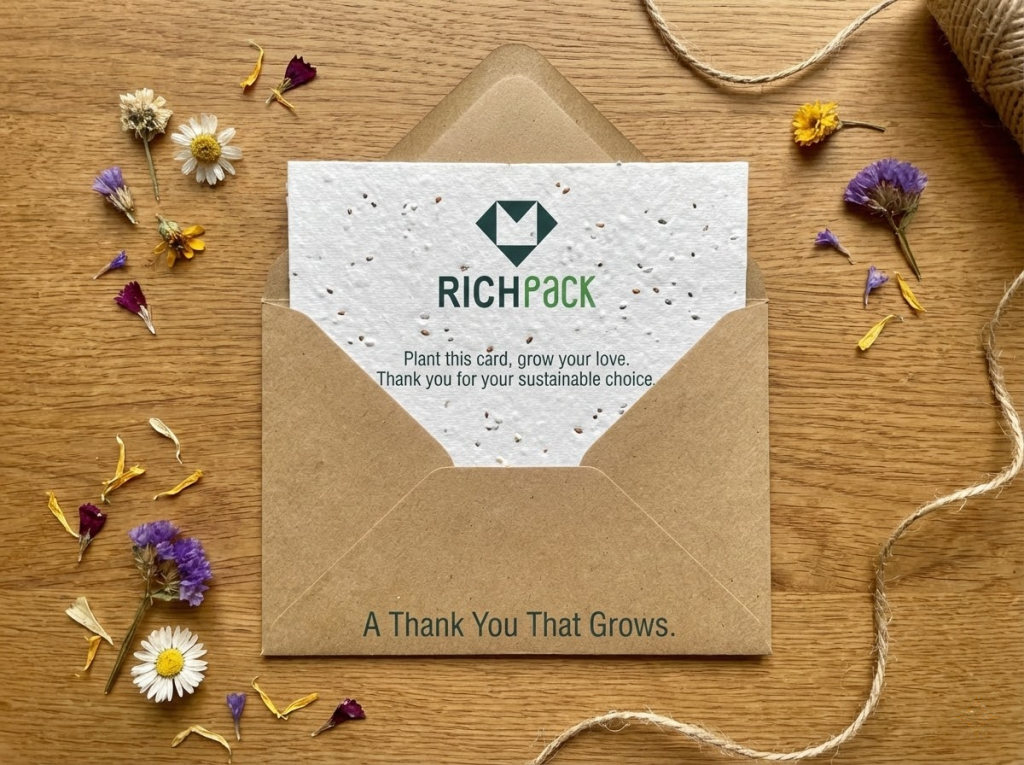
The best thank you card does more than say thanks. It gives a real invitation. I’ve seen this turn a one-time buyer into a loyal brand member. This simple shift really boosts your customer’s lifetime value.
Top jewelry loyalty programs focus on exclusive rewards. I often look at the 2024 Antavo Global Report for proof. Your thank-you card is the perfect entry point.
Try writing something personal on the card. Tell them their first purchase unlocked a special spot. Invite them to join your “Inner Circle” for early access.
I always suggest adding a simple QR code. Make the sign-up process very fast. You only need a name and email to start. You can ask for more details later.
I’ve studied Smile.io data on successful jewelry programs. Certain features drive the most engagement for brands like yours. Let’s look at what works best.
| VIP Tier Feature | Why It Works for Jewelry |
|---|---|
| Early access to new collections | Jewelry buyers are motivated by exclusivity and discovery |
| Birthday & anniversary rewards | Aligns with the milestone-purchase behavior unique to the category |
| Private styling consultations | Creates personal relationship with brand & team |
| Members-only limited editions | Drives urgency and deepens emotional investment |
| Points per dollar spent | Encourages repeat purchase with tangible progression |
I recommend starting with a two-card sequence. Put the first card in their very first order. This card holds the VIP invite.
Send the second card by mail three months later. Use this to welcome them to the Inner Circle. Mention the perks they already have.
This two-touch plan builds a real bond. It does not feel like spam. Forrester found that 65% of people want member-only offers. Make them feel like an insider.
Many paid loyalty programs fail in the first year. McKinsey research shows that about 50% of people cancel quickly. They often feel the benefits are not worth the cost.
Jewelry brands face a different hurdle here. People buy jewelry less often than clothes or coffee. A “points per purchase” plan often feels dead.
I’ve found that the best programs focus on engagement. You need touchpoints that do not require a sale. Your VIP card should start this process.
Successful brands build value between sales in four ways:
The invitation should focus on access. Do not just talk about a points balance. I’ve found that a community focus converts better. It beats “Earn points today” every single time.
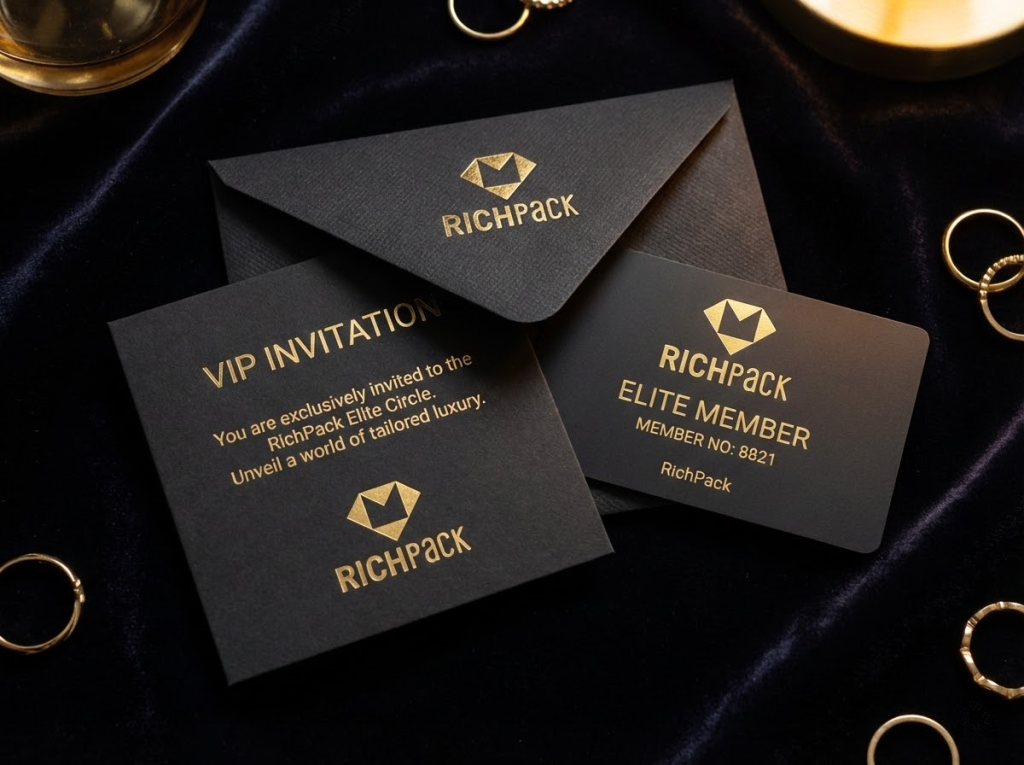
I’ve found that a great card must feel high-end. A flimsy card on thin paper will hurt your brand. It tells customers your jewelry might not be premium either. You want your packaging to build real trust.
Let’s look at the best finishes for your brand. I always suggest soft-touch matte lamination for a luxury feel. It feels great and looks amazing in customer photos. Glossy cards often look cheap and show messy fingerprints.
Use gold or silver foil for high-priced items to add value. These finishes make your brand stand out immediately. Choose uncoated paper if your brand focuses on being eco-friendly. This works well for natural or handmade styles.
Here are the most common formats and when to use each:
| Card Size | Best Use Case | Standard Weight |
|---|---|---|
| 2″ × 3.5″ (business card size) | Simple discount codes, referral codes, care tips | 350–400gsm |
| 3.5″ × 5″ (postcard size) | Brand story, handwritten notes, UGC invites | 300–350gsm |
| 4″ × 6″ | VIP invitations, milestone cards, premium inserts | 300–400gsm |
| A6 folded card | Handwritten notes that feel like personal letters | 250–300gsm inner, 400gsm cover |
Every card I design for clients includes these key elements. Start with your brand name and logo for quick recognition. Write a warm, human message instead of a dry order confirmation. This makes the buyer feel special.
Give them one clear action to take next. You might ask them to follow you or use a code. Include your email or website so they can reach you easily. I also recommend adding a printed signature to feel more personal.
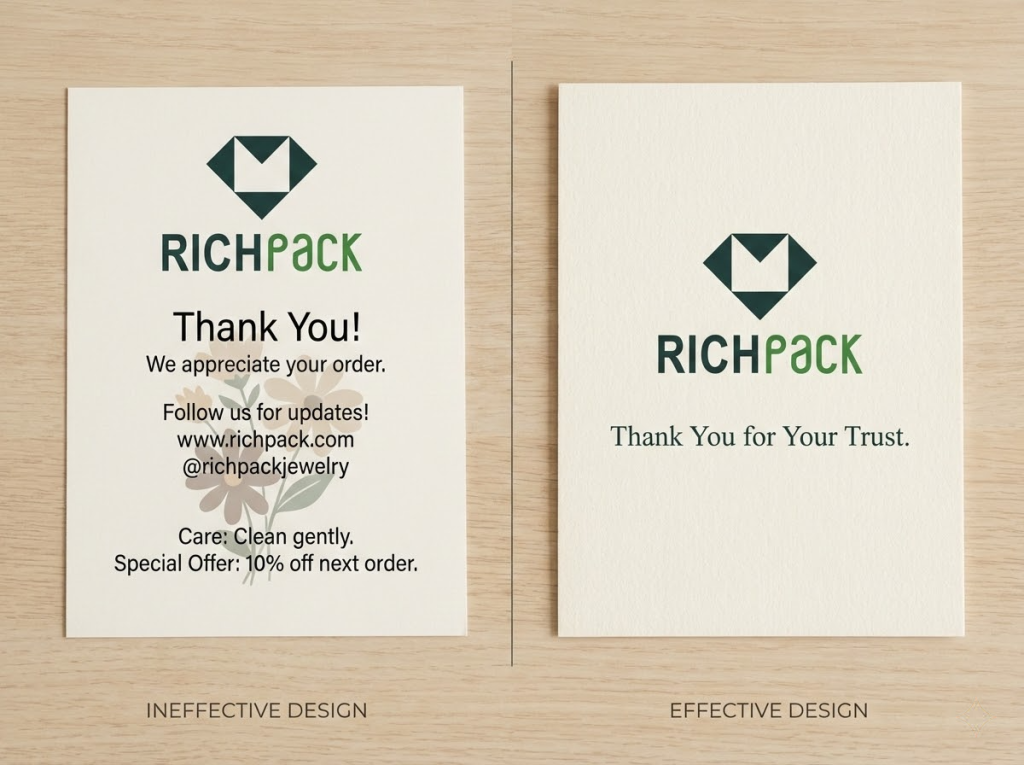
I see these same errors often in jewelry packaging. Many brands put too much text on a small card. Keep it simple because white space makes your design look expensive. If it is hard to read, people will ignore it.
Never use generic stock photos of rings or gems. Use your own photos to keep the look authentic. Your colors must match your boxes and bags perfectly. If the colors are different, it confuses your customers.
Always include a call to action on the card. A simple “thank you” misses a chance to grow your business. Finally, never settle for low-quality printing or thin paper. The cardstock is a big part of the brand experience.
Digital designs often look different once they are printed. You must give your printer very specific details to avoid dull colors. This gap can ruin a great brand image. I suggest sending a physical sample of your jewelry box to them.
This helps the printer match the colors and finishes exactly. They can see the exact tone you need. Consistency makes your whole unboxing experience feel professional and planned. It shows you care about every small detail.
I always tell my clients to keep it personal. Use the customer’s name and mention the specific piece they bought. I’ve found that three short sentences work better than a long paragraph. Brief notes show you are confident in your work. Do not use stale phrases like “We value your business.” Instead, tell them you hope they love the piece as much as you loved making it.
You can expect to pay USD 0.10 to USD 0.30 per card for most orders. If you want fancy foil or soft-touch paper, the price hits USD 0.30 to USD 0.60. For most small brands, I suggest a monthly budget of USD 30 to USD 90. This is a small cost for the repeat sales it brings in. I see this as a smart way to grow your brand.
You do not always need a code. I see these work best for new buyers or people who have not shopped in months. For your loyal fans, a discount can feel a bit too transactional. I recommend giving new people a code but giving repeat buyers a VIP note instead. This helps you build a real bond with your best customers.
Most of my clients use a 2 by 3.5-inch or 3.5 by 5-inch card. These sizes fit perfectly inside most boxes and pouches. If you use a hard gift box, a 4-by-6-inch card works well under the tissue paper. Just make sure the card does not hide or touch the jewelry directly. You want to protect the product and the look.
You can use “Variable Data Printing” to print unique names and codes automatically. Most pro printers offer this service for a small fee. If you are still small, just print a basic template. I often handwrite the customer’s name and one quick line. This strikes a great balance between speed and a warm touch.
Printing a thank-you card costs less than your morning coffee. I have found these cards work as hard as a full marketing team. Jewelry buys are deeply personal for your customers. In my experience, repeat buyers keep your shop running with steady sales. This small paper insert gives you a massive return on your money.
Pick just one idea from my list to start. I suggest testing it for 90 days. Check your review count and repeat sales data. Then you can add a second idea. The best jewelry brands do not always have the biggest budgets. They win because they make customers feel truly valued.
You might be ready to level up your packaging. I recommend using custom cards made for jewelry brands. Look at custom packaging to make your unboxing a moment customers never forget.

Just submit your email to get exclusive offers (reply within 12 hours)





 PREV
PREV