

 PREV
PREV
2026 Jewelry Brand Custom Packaging Stations: Which Warehousing Firms Are Worth Choosing?
2025-09-03


Many jewelers and designers focus entirely on jewelry repair quality, yet they overlook a vital part of the client experience: how the piece is returned. Most disputes do not stem from poor craftsmanship, but from shipping damage, resurfaced scratches, or cheap packaging that makes a customer ask, Is this even my original piece?
Richpack Packaging works extensively with elite repair workshops and after-sales teams across the US and Europe. We have seen both the finest goldsmithing and the last-mile failures where masterpieces are shoved into flimsy bags. This guide covers the entire process—from repair techniques and material handling to cleaning, QC, and logistics. Our goal is to help you restore jewelry perfectly and deliver that value back to your customer with professional, secure packaging.

To design a practical workflow and packaging system, you must first understand the jewelry repair business itself. Statistics from leading retailers and workshops show that the most frequent repairs center on resizing, stone setting, prong work, chain and clasp fixes, soldering, and deep cleaning. These projects involve both structural adjustments and a restorative cleaning or polishing phase.
Ring resizing is the most fundamental service for any repair shop. From Cline Jewelers and DM Jewellers to the Australian chain Zamels, resizing consistently tops the list of requested services. Common reasons include incorrect sizing, shank deformation, or changes in finger size over time. Sizing up usually involves adding metal or stretching the band, while sizing down requires removing a section before welding and re-polishing or re-plating, such as rhodium plating for white gold. The challenge lies in maintaining the perfect roundness, pattern continuity, and stress control to prevent future fractures.
Lost stones and damaged prongs are the repairs that cause clients the most anxiety. In American repair shops, stone replacement and prong tipping or re-building are high-frequency items alongside resizing. The process typically involves matching the gemstone cut and color, rebuilding worn prongs, and re-setting under magnification followed by a tension test. For high-value diamonds or fragile stones like emeralds, many workshops now use laser welding instead of traditional torches to minimize heat impact on the stone and metal structure.
Broken chains and loose clasps are another common necessity. Providers like Jayandee Services list soldering, clasp replacement, and shortening as standard tasks that are generally faster and more affordable than complex settings. The difficulty here is ensuring that fine chain welds are both strong and seamless, avoiding stiff joints or visible discoloration. Selecting the correct solder and controlling temperatures for gold, silver, or platinum is essential.
Broken shanks, detached settings, and loose safety catches often require re-soldering. While traditional torch soldering works for most gold and platinum pieces, it can cause heat damage to multi-stone or sensitive settings. Consequently, more repairers are switching to laser welders for high-precision micro-welding. For example, when repairing a side prong or fixing a tiny crack, lasers significantly reduce the heat-affected zone around the center stone and surrounding structure.
Most professional shops include cleaning and polishing as a standard part of their repair service, often treating it as a required step for every check-in. This is vital for quality control, as cleaning makes it easier to spot cracks or loose stones. It is also a key part of the customer experience. The client does not just receive a fixed, old piece of jewelry; they get something that feels brand new. Many jewelers recommend a professional inspection and cleaning every six months to extend the life of the piece.
Whether you are an independent goldsmith or a retail chain, making a repair business scalable and replicable requires turning bench intuition into standardized steps. The workflows shared by high-end jewelers generally follow a consistent path: inspection and assessment, quotation and authorization, execution and quality control, and finally, cleaning and delivery.
The initial inspection is more than just seeing what is broken; it is a risk assessment. Best practices involve examining the piece in front of the customer using a loupe or microscope to check metal wear, prong height, gemstone fractures, aging solder joints, and loose links. Existing scratches, chips, or discoloration are documented at this stage. For expensive or complex pieces, most shops suggest that customers sign a condition report and take photos for future reference.
The quotation phase must cover labor and materials while managing customer expectations. Jewelers like Reis-Nichols provide different timelines based on project complexity: simple cleaning might be done the same day, while ring resizing or chain repairs typically take 7 to 10 days, and complex restorations are measured in weeks. Pricing for a basic resize averages 75 to 160 dollars, chain repairs range from 45 to 150 dollars, and prong retipping costs around 85 to 225 dollars, with luxury brands charging significantly more. Explaining the price structure and schedule clearly is essential for building trust.
The key to the execution phase is step-by-step documentation. Many workshops create a job envelope for each piece to record the lead craftsman, materials used, solder points, source of replacement parts, and any additional issues discovered mid-process. Complex projects often require multiple rounds of mid-repair checks, such as fixing the structure first, then verifying the stone setting before moving to surface finishing.
The final stage often defines the customer impression of the entire service. Most professional shops perform a full magnification inspection, wear test, and professional cleaning and polishing once all work is complete. Only after confirming the ring is perfectly round, the clasp is smooth, stones are secure, plating is even, and the overall luster meets standards does the piece move to the packaging and delivery phase. This step serves as the bridge to your jewelry packaging supplier.
The behavioural differences between various metals and gemstones during repair dictate that a one-size-fits-all technique cannot be applied to every piece. A truly professional repair SOP must be categorized by material and era.
The softness of gold, especially high karat alloys, makes it prone to deformation and scratching. During soldering, extra care must be taken with support structures to avoid overall warping caused by remelting. Different alloying elements in gold also affect the color and hardness of solder joints. In many restoration cases, old gold pieces that have undergone repeated resizing or soldering may require a full re-shank to restore structural integrity. White gold typically involves a rhodium plating process, requiring a uniform coating after the soldering and polishing phases are complete.
For more insights on handling specific finishes, you can explore our guide on 14k gold filled jewellery packaging design and protection strategies to ensure these pieces remain pristine after service.
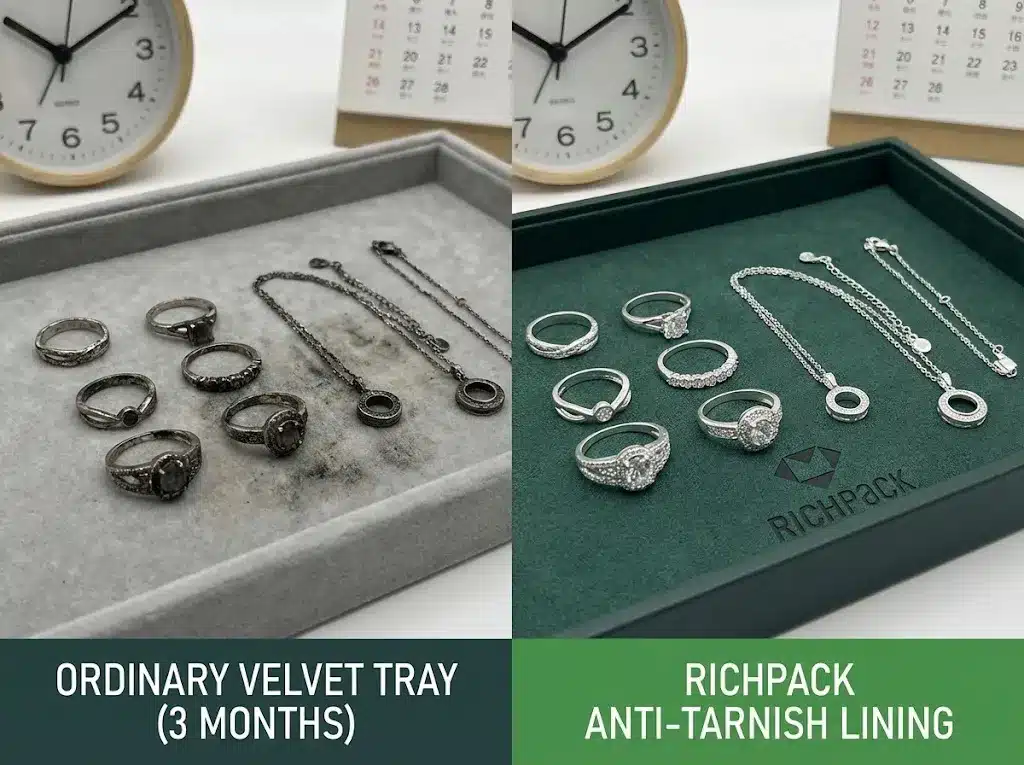
Silver has a low melting point and high thermal conductivity. Traditional torch soldering creates a large heat affected zone that can easily damage nearby gemstones or existing solder joints. Silver is also relatively soft, meaning chains and ring shanks deform more easily during daily wear. When repairing silver, it is crucial to control the flame spread and use heat shields to protect stones. Additionally, because silver is prone to oxidation and tarnishing, it requires proper surface treatment and anti-tarnish packaging, a topic covered in more detail in our anti-tarnish packaging section.
With its high melting point, significant hardness, and strong ductility, platinum requires entirely different soldering and polishing methods compared to gold or silver. Many workshops utilize separate high temperature solders and specialized torches for platinum, alongside harder polishing wheels and more meticulous steps. The advantage of platinum is that wear usually involves metal displacement rather than actual weight loss, making it ideal for high-frequency wedding bands. However, the labor costs and time required for repair are typically higher.
Safety boundaries must be the priority in any repair involving gemstones. GIA and various jewelry labs emphasize that stone types and treatments, such as oil or resin filling, must be identified before high temperature soldering or ultrasonic cleaning. While diamonds, sapphires, and rubies are generally safe, stones with significant fractures or internal fillers can still crack under thermal shock or high-frequency vibration. Fragile or porous stones like emeralds, opals, pearls, and turquoise are even more sensitive. Many repair shops strictly ban ultrasonic cleaning for these materials, opting only for manual, low-temperature treatments.
Repairing vintage and antique jewelry follows a logic of preservation rather than simply making the piece look new. These items often feature old alloys, closed back settings, adhesives, and historical wear patterns. Aggressive restoration can destroy their historical value. Professional practice generally follows the principles of reversibility and minimal intervention: preserving original craftsmanship and patina as much as possible, performing only necessary structural repairs, and documenting all changes for future valuation.
To execute high-precision work, a professional workshop relies on a sophisticated ecosystem of tools and equipment. These assets determine the complexity of the projects you can accept and the caliber of the clientele you can attract.
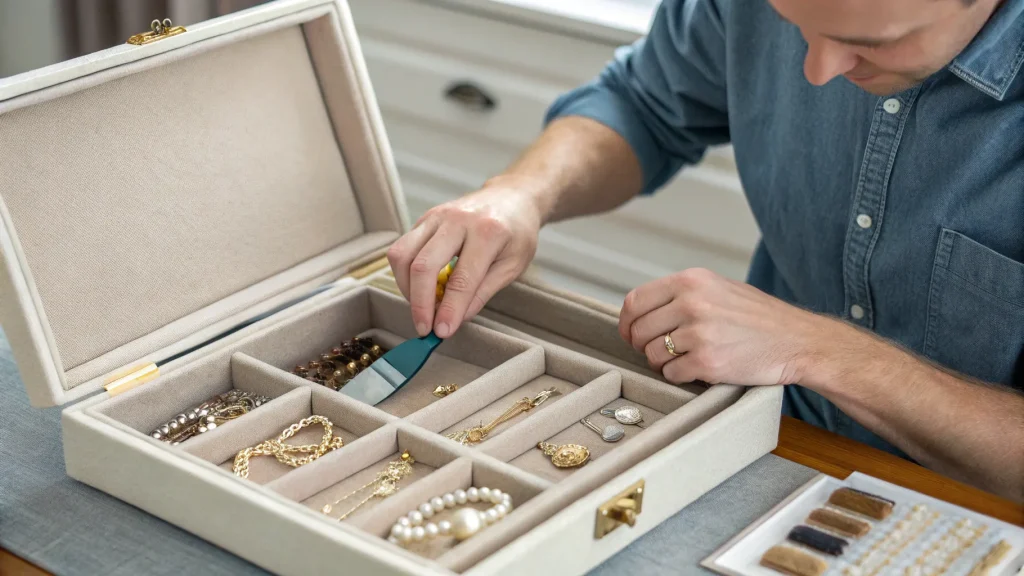
To ensure accuracy and minimize customer disputes, a professional repair bench requires a strategic blend of traditional and modern instruments:
While traditional torch soldering is still widely utilized, laser welders are rapidly becoming the gold standard for high-end repair. Laser welding allows for high energy concentration in extremely localized areas, minimizing heat transfer to surrounding metal and gemstones. This makes it possible to perform welds in close proximity to heat-sensitive stones. Many complex tasks, such as prong re-tipping, micro-crack repairs, and antique restoration, are only feasible through laser technology.
Ultrasonic and steam cleaners serve as the “deep cleaning” phase of the repair process. Correct use of an ultrasonic cleaner efficiently removes stubborn grease and debris from chain links and the underside of prongs; however, as previously noted, one must strictly differentiate between gemstone types. Steam machines use high-pressure thermal steam to flush cleaning solutions and contaminants out of microscopic crevices, and are typically used for the final “detail clean” before a piece is showcased.
Microscopes paired with pneumatic stone-setting tools have become standard equipment in modern repair, particularly for pavé, micro-prong, and intricate gallery work. By operating under high magnification, technicians can enhance prong coverage and seat cutting without sacrificing aesthetics, significantly reducing the risk of future stone loss.
A quality repair is more than just “looking fixed.” It must pass rigorous standards for structural integrity, stone stability, and surface finish, all while maintaining a traceable record.
Structural testing includes: checking ring sphericity (roundness), testing solder joint strength, chain tension tests, and repeated opening/closing of clasps. Some workshops mandate an internal “20–30 cycle test” for clasps to ensure they will not fail during daily wear.
Stone security is typically inspected under a loupe or microscope. Technicians use a specialized pick or plastic probe to gently touch the side of the gemstone to check for movement. They also inspect prong height, tip coverage, and edge smoothness to ensure the piece won’t snag skin or clothing. For pavé and milgrain settings, a row-by-row inspection is required.
The quality of the polish affects both beauty and comfort. A premium polish should show no visible sanding marks or “waves” under bright light; edges should transition naturally, and plating should be uniform without burn marks or discoloration. For white gold, it is critical to ensure rhodium plating is complete, with no “yellowing” or uneven layers.
Comprehensive repair records are the hallmark of a professional shop. These records typically include: original “as-received” descriptions and photos, a list of services performed, materials and solders used, replacement stone/metal weights, the lead technician and QC inspector, and the estimated warranty period. These data points serve as both an internal QC tool and vital evidence should a customer dispute arise.
After the repair is complete, a final “material-safe” cleaning is the closing act of craftsmanship and a courtesy to the customer. The key is choosing the right method for specific metals and stones to avoid a “last-minute disaster.”
Gold (Yellow, White, Rose) and Platinum are generally suited for a combination of warm water, neutral detergent, and a soft-bristled brush, provided harsh chemicals and abrasives are avoided. Sterling silver may require specialized silver dips to remove oxidation, but immersion time must be strictly controlled, especially near plated surfaces or stones. Gold-plated or vermeil jewelry requires even gentler hand-washing and minimal soaking to prevent accelerated wear on the plating.
As emphasized, ultrasonic cleaning is unsafe for many gemstones and treatments. The GIA explicitly states that emeralds (often oil-filled), opals, pearls, turquoise, amber, certain color-change stones, and glass-filled rubies should never be placed in an ultrasonic. If a component must be cleaned, the stones should be unset or a localized cleaning strategy should be used.
For silver or silver-based alloys, consider an anti-tarnish treatment after polishing. This may include a light anti-oxidation coating or packaging the piece with anti-tarnish strips. This step significantly extends the “high-luster” period, reducing the chance of the customer seeing yellowing shortly after the repair—especially critical for e-commerce and long-distance shipping. Richpack Packaging integrates these anti-tarnish features directly into pouches and inserts, streamlining the process for repair and storage teams.
Once thoroughly dried and QC-cleared, the jewelry receives a final gentle buffing to remove fingerprints or water spots. The piece is then “pre-staged” according to the final packaging structure—this is the first step back into the world of brand presentation.
Many retailers and studios underestimate the impact of post-repair packaging on brand perception. To the customer, this piece is no longer just a “product”—it is a “restored memory.” How you return it directly influences their assessment of your professionalism and care.
Repair packaging differs from new product packaging in three ways: First, the piece has just undergone heat and polishing and may be in a sensitive state; second, the emotional value is often higher; third, customers are naturally more concerned about “stone switching” or “quality of repair.” Clean, structured, and clearly labeled packaging builds immediate trust. Richpack Packaging focuses on “security and peace of mind” by designing stable box structures, vibration-resistant inserts, and tamper-evident seals.
Repaired silver can tarnish quickly if exposed to high humidity or sulfur. Return packaging should include anti-tarnish paper or moisture-absorbent packets, using acid-free paper and low-VOC (Volatile Organic Compound) cardboard to ensure the packaging itself isn’t a source of contamination.
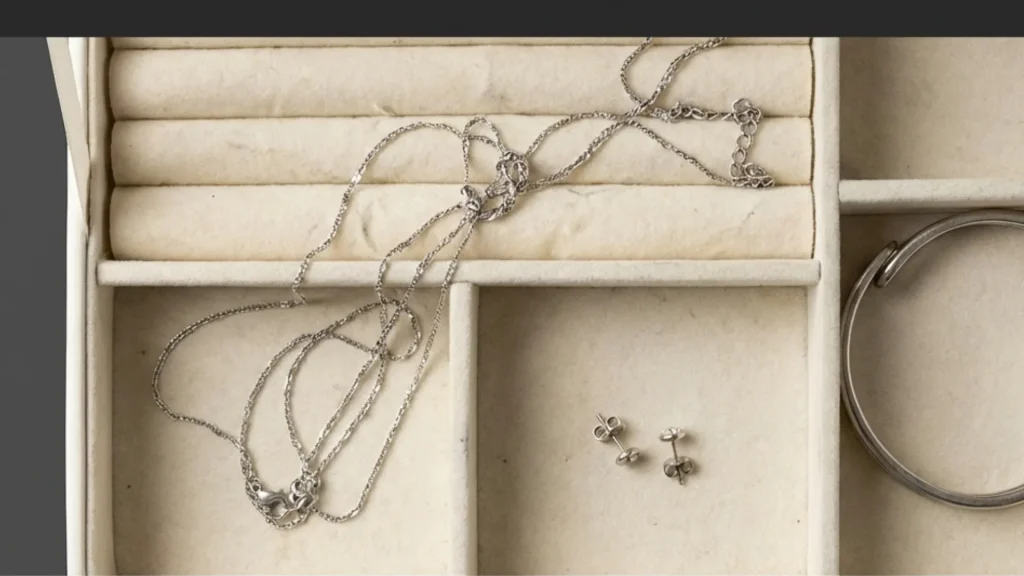
The goal is “zero degrees of freedom.” Rings should be secured in slotted velvet inserts; earrings on cards with cushioned backings; and necklaces secured via cards to prevent tangling. This ensures the jewelry does not strike the walls of the box or other metal components during transit.
For mailed repairs, tamper-evident design is a symbol of trust. Disposable seals, tear-strips, or “VOID” stickers reassure the customer that the package has not been opened in transit. For high-value pieces, a dual-layer system—a detailed inner pouch and a shock-resistant outer box—provides both security and a professional “reveal.”
Once shipping is involved, transit safety becomes its own discipline. Insurance carriers and logistics providers remind us: packaging is only the first line of defense; signature requirements and documentation are just as vital.
Inside the shipping carton, the jewelry box should be surrounded by paper-based buffering (honeycomb paper, crinkle paper, etc.) to prevent movement. Avoid low-quality materials that shed debris or trap moisture.
For high-value items, use the “Double-Box Method”: place the jewelry in its branded box, put that inside a medium box with padding, and finally place it into a heavy-duty outer shipping carton. Reinforce all seams with high-quality packing tape.
Platforms like My Jewelry Repair offer various insured shipping tiers. It is recommended to insure for the full replacement value. Providers like DHL and Jewelers Mutual emphasize using services with signature confirmation and full tracking. Retaining copies of the repair order, appraisal, and “before/after” photos is essential for a smooth claims process.
Including a concise “Care and Maintenance Card” reduces the risk of future damage due to customer misuse. Include cleaning tips specific to the metal/stone, wear-and-tear warnings, and a suggested date for the next routine inspection.
For a repair business to thrive, pricing must reflect actual costs while aligning with your brand positioning.
US market research shows that simple ring sizing and basic chain repairs have relatively consistent pricing across independent and chain stores. However, complex restorations vary wildly. Many shops use a “Base Item Flat Rate + Custom Quote for Complexity” model—for example, a flat fee for a basic chain solder, but a custom hourly quote for an antique restoration.
Many jewelers offer a 6–12 month limited warranty on repairs, covering defects in workmanship or stone loosening not caused by impact. This builds significant trust and demonstrates confidence in your technical skill.
Be honest and include a buffer. Top-tier shops often quote 7–10 days for routine work, with an average turnaround of 2–3 weeks. Complex custom work can take 4 weeks or more. The priority is meeting the promised date, not offering the shortest one.
Most disputes arise from misaligned expectations. Professional shops clearly outline the “Scope of Work” and “Exclusions” in the quote. If a technician notices worn prongs while fixing a shank, they should recommend the additional work immediately so there are no surprises regarding the piece’s longevity.
Integrating repair and packaging into a cohesive service increases revenue and strengthens the customer lifecycle.
In-house repair offers better communication and faster turnarounds but requires high overhead. Outsourcing to a centralized repair center offers scalability and specialized equipment but demands rigorous logistics and packaging management—every hand-off must be documented and protected.
Many brands use “Lifetime Cleaning and Inspection” or “Member Repair Discounts” to drive foot traffic. Each repair return is an opportunity to reinforce the brand through premium packaging and personalized “Welcome Back” notes.
To a customer, receiving a repaired piece in a high-quality gift box feels like a “renewal service,” whereas a plastic bag feels like a “patch job.” Richpack Packaging designs “Repair Return Kits” that include protective inserts, tamper-evident boxes, and eco-friendly shippers, turning a repair into a “mini unboxing” experience.
The moment a repair is returned is the best time to introduce a “Yearly Maintenance Plan.” Including a voucher or a maintenance schedule in the return package invites the customer back into your ecosystem for long-term care.
If your brand is expanding into jewelry repair, refurbishment, or trade-in services and you want to support this value-added chain with more professional, secure, and meaningful packaging, contact Richpack Packaging for bulk customization and systems consulting in jewelry boxes. Whether you need repair gift boxes for in-store delivery, e-commerce return kits, or complete packaging systems featuring anti-tarnish, tamper-evident, and international shipping capabilities, we can help. We design jewelry repair and packaging solutions that truly align with your price point structure, business workflows, and long-term growth plans.
Timelines depend on the repair type and complexity. Many jewelers offer these general estimates: simple cleaning and inspection can be done in a day or even while you wait; resizing, single-point soldering, or clasp replacement typically takes 3 to 10 days; and more complex tasks like stone replacement, prong rebuilding, or custom restorations usually fall between 2 and 4 weeks. High-difficulty projects can occasionally take 4 to 5 weeks. If you have a deadline for a special occasion, it is best to inform the shop early so they can assess if an expedited schedule is possible.
Strictly speaking, not all damaged jewelry is worth or suitable for repair. Pieces with severe metal fatigue, major fractures, or fatal structural design flaws may not remain secure even after a fix. Certain antique items require a balance between historical value and repairability to avoid over-intervention. A professional approach involves honest communication during the initial inspection to explain risks and expected results, or offering safer alternatives like replicating the design or incorporating original elements into a new piece.
Cost perception is highly subjective, but market data provides a baseline. Recent research on the US repair market shows that in independent shops, a basic resize costs 75 to 160 dollars, single-point chain soldering is 45 to 150 dollars, and small prong retipping ranges from 85 to 225 dollars. Complex resizing for diamond-set bands, full resets, or antique restorations can range from several hundred to over a thousand dollars. Rather than asking if it is expensive, consider the emotional and financial value of the piece and how long it will be safe to wear after the fix to determine the true worth of the investment.
For modern mass-produced jewelry, professional repairs that result in a sturdier structure and refreshed appearance generally increase practical value. For antique and investment-grade jewelry, one must be more cautious. Non-professional resetting, over-polishing, or aggressive resizing can destroy original craftsmanship marks and lower collectible value. Therefore, high-value vintage pieces should be entrusted to workshops with specific expertise, and all modifications should be documented for future valuation and resale.
The ideal method is to ensure the piece is completely dry and has passed quality control before placing it in an individual soft pouch or sueded insert. This is then placed into a structurally sound gift box and secured with paper-based cushioning inside a shipping carton. For silver or gold-plated silver, consider adding anti-tarnish strips or desiccant packs. High-value items benefit from tamper-evident seals and double-boxing for added security. Consistent, professional return packaging proves to the customer that you not only repair skillfully but also truly value their property.
For any high-value jewelry shipment, whether sent for repair or being returned, purchasing appropriate transit insurance and using signature confirmation services is an industry standard. Insurance and logistics providers emphasize declaring the true value, choosing tracked channels that support declared value coverage, and avoiding drop boxes or unattended deliveries. Requiring an adult signature is essential. For retailers and workshops, incorporating these rules into repair terms and workflows is essential to protect both the client and the business.


2025-09-03

2025-02-24

2024-12-23
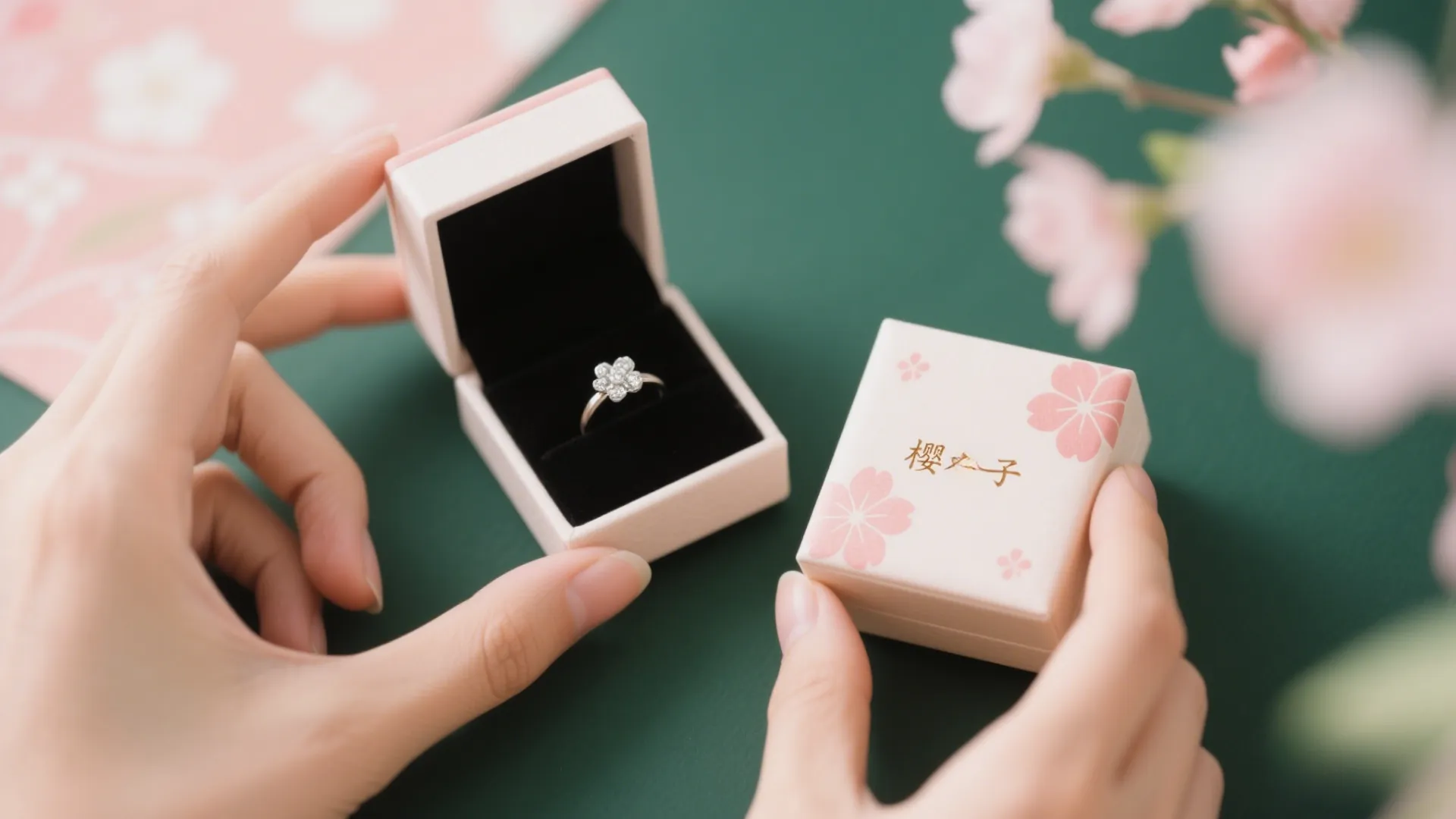
Find the perfect box for proposals, anniversaries, or business gifts. Contact Richpack for custom options.
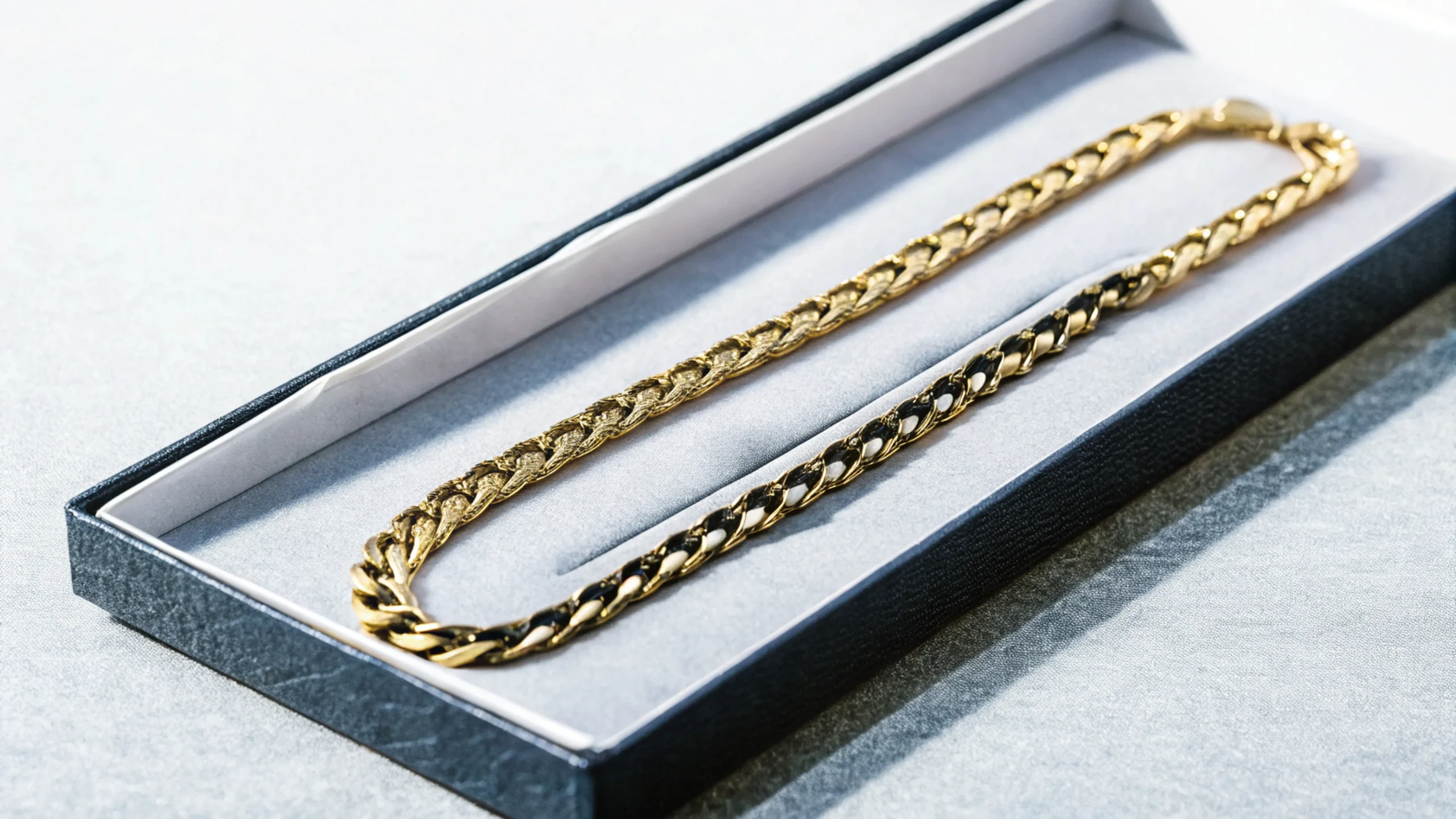
Your box chain necklace deserves the best care—whether it's a gold box chain for men or a sleek silver box chain, proper storage and styling ensure it stays tangle-free, scratch-resistant, and display-worthy.

Elevate your gift-giving with these stylish and protective packaging solutions.
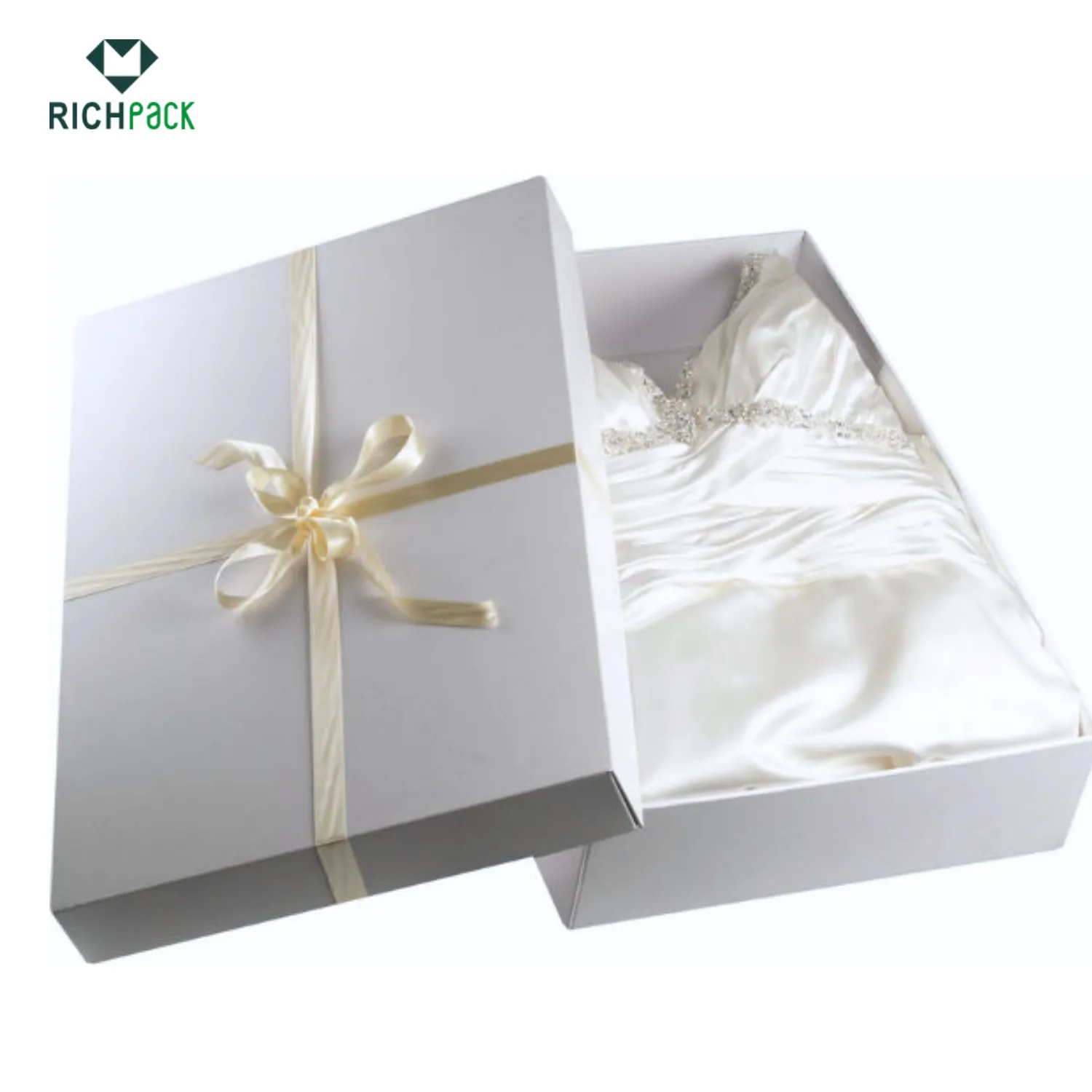
Bridal Dress Storage Box – Where Fashion Meets Function. Keep Dress Pristine & Elevate Storage
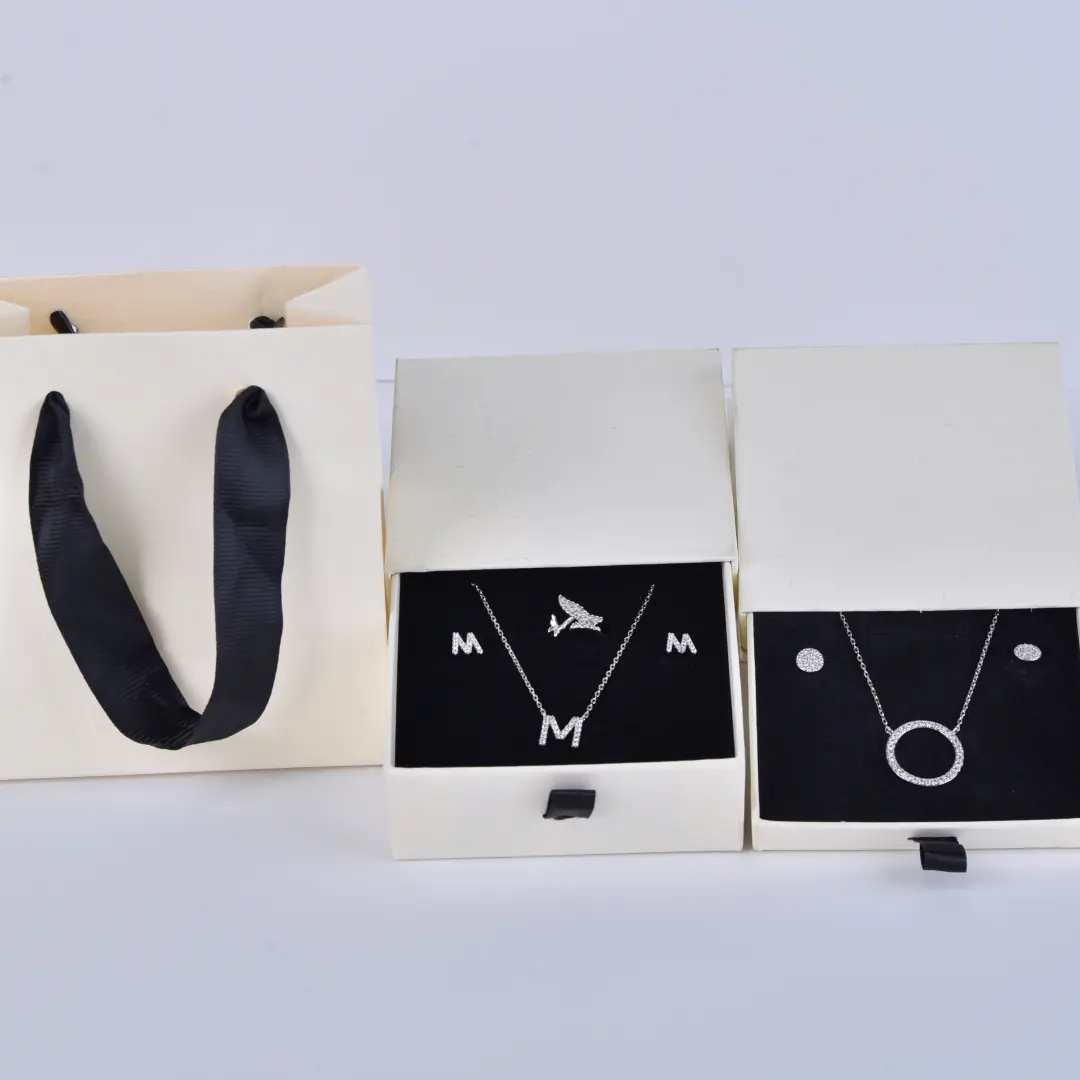
Cardboard Drawer Pendant Box – Earth White 8x8x1.6cm Storage Drawer Premium Quality Jewellery Box

Charming Suitcase Gift Boxes | Unique Mini Suitcase Gift Boxes for Special Occasions and Creative Packaging Custom Service at Richpack

Affordable Sustainable Packaging for High-Volume Jewelry Orders | Perfect for Wholesalers Seeking Scalable, Green Solutions at Competitive Prices
View More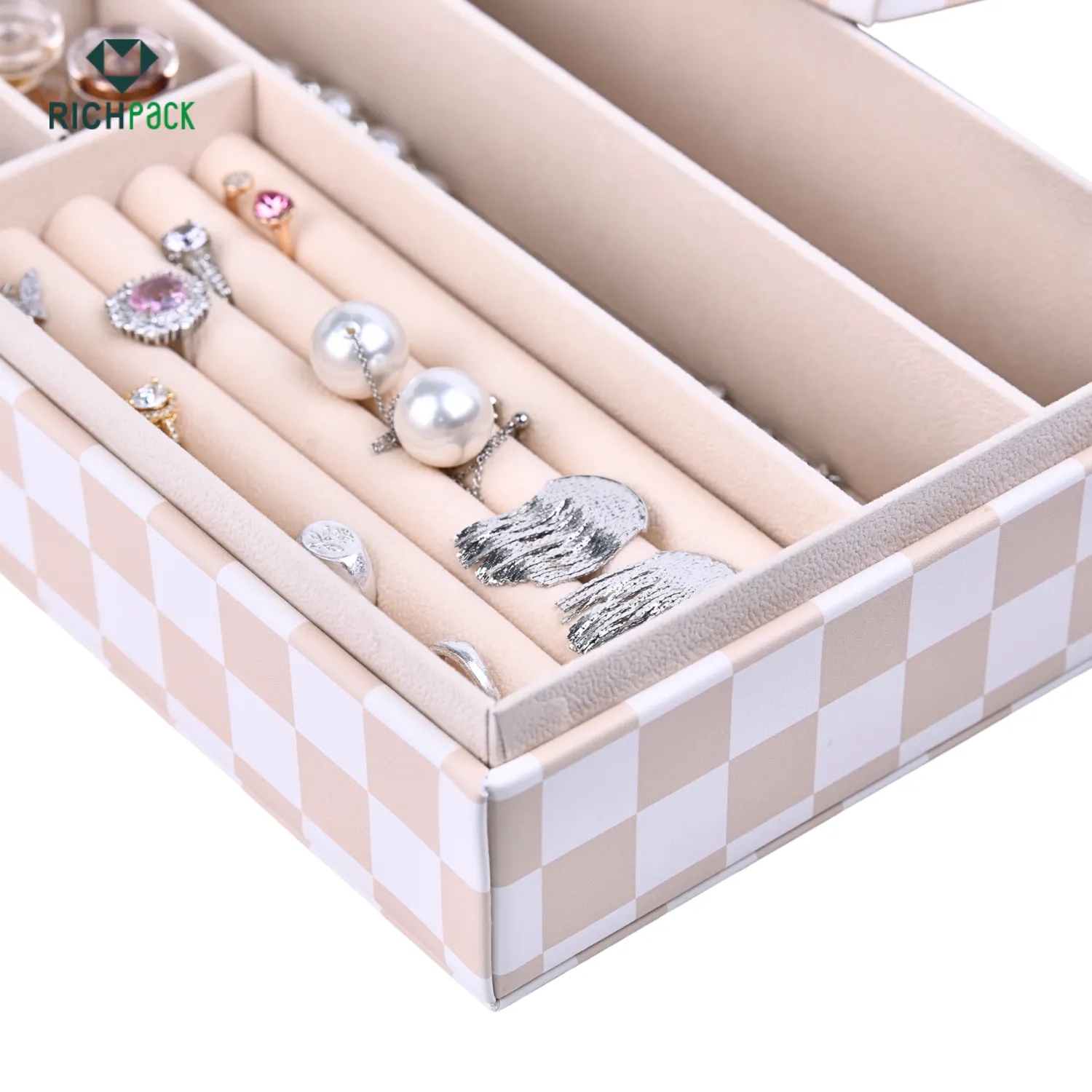
Bespoke Compact Travel Jewelry Trays with Secure Closures | Custom, Durable Packaging for Retail Businesses and Wholesale Jewelry Suppliers in Bulk Orders
View More
Biodegradable Jewelry Boxes for Eco-Conscious Brands | Environmentally Friendly Packaging Solutions for Jewelry Businesses Focused on Green Initiatives
View More
Just submit your email to get exclusive offers (reply within 12 hours)


