

 PREV
PREV
5 Logo Techniques That Make a Jewelry Box Look Instantly Expensive
2025-06-19


In the past, jewelry packaging was merely a protective and display accessory; now, it has evolved into a core carrier of brand narrative, a key touchpoint for value maintenance, and a visible manifestation of corporate social responsibility (CSR).
The US jewelry market is projected to grow from $105.2 billion in 2024 to $159.6 billion in 2033, with sustainable packaging increasingly becoming a source of brand premium. In this article, Richpack, as a jewelry packaging industry expert, provides an in-depth and comprehensive analysis of the transformation of jewelry gift box packaging from traditional resource consumption models to a circular and regenerative ecosystem. You will learn about the rise of “eco-luxury” and learn about the material science supporting this transformation—from recycled polyethylene terephthalate (RPET) to breakthroughs in molding pulp technology. We hope this will help you, as a packaging purchaser, build a more responsible future for luxury goods.
To understand the future of sustainable packaging, one must first examine the manufacturing forces driving this supply chain revolution. In the complex global luxury packaging ecosystem, Richpack stands as a quintessential example of the “Green Rise.” It is not just a packaging manufacturer, but an industry innovator with environmental stewardship deeply embedded in its corporate DNA.
Richpack’s story began in 2008. At the intersection of global financial turbulence and the budding of environmental awareness, visionary entrepreneur Merry Lin founded the brand. At that time, the jewelry packaging industry was largely obsessed with the “luxury” of excessive packaging and non-degradable materials. Merry Lin keenly realized that true luxury should include reverence for nature. She initiated Richpack’s “Green Revolution,” establishing a brand development strategy centered on environmental sustainability.
This strategy was not merely a slogan but a solid operational evolution:
In the current B2B procurement environment, trust stems from authoritative certification. Richpack positions itself as a “Green Tech Pioneer,” quantifying its environmental commitment through a series of internationally recognized certification systems:
Richpack’s core philosophy is that the value of jewelry lies not only in the gem itself but in the emotions and stories it carries. Merry Lin believes that using eco-friendly packaging materials serves to better tell the unique story of each piece of jewelry without making the environment pay the price. This corporate culture, which deeply binds commercial success with social contribution and employee well-being, has enabled Richpack to successfully serve over 300 global jewelry and cosmetic brands over the past 15 years, becoming a green bridge connecting Eastern manufacturing with Western consumer values.
The fundamental driver of packaging change is the restructuring of consumer mindset. Entering 2025 and 2026, the U.S. market is undergoing a profound debate regarding the “definition of luxury.” Data indicates that sustainability is no longer a niche preference but a mainstream baseline.
According to the “2025 Sustainable Packaging Consumer Report” by Shorr, the environmental awareness of U.S. consumers has translated into actual purchasing decisions:
Although inflationary pressures and rising living costs are real challenges for U.S. consumers in 2025, this has triggered a “Buy Less, Buy Better” consumption philosophy. McKinsey research points out that while the growth in importance of environmental impact has plateaued in some regions relative to other attributes (like price, convenience), the absolute percentage of consumers ranking environmental impact as “extremely” or “very important” has remained stable at over 50% for the past five years. This suggests that the environmental values of the core consumer group are highly solidified and will not easily sway with economic fluctuations.
A key industry insight lies in consumer acceptance of the “Green Premium.” While consumers verbally express a willingness to pay about 11% more for eco-friendly products, in actual market performance, this premium has averaged 28%. This provides a compelling business case for jewelry brands: investing in sustainable packaging is not just for compliance or ethics, but an effective means to protect brand profit margins.
However, a massive “trust deficit” remains in the market. Only 20% of consumers say they always pay attention to packaging labels, while 55% only do so occasionally. This information asymmetry requires brands to communicate more intuitively and transparently through packaging design. By clearly displaying FSC or GRS certification logos on packaging, Richpack helps brands bridge this trust gap, transforming implicit environmental investments into explicit brand assets.
Gen Z is rewriting the visual language of luxury. For this generation, “luxury” is no longer synonymous with heavy glossy lacquer, complex plastic lamination, or non-recyclable mixed materials. Instead, they champion “Eco-Authenticity.”
| Consumer Behavior Metric | Statistics | Strategic Implications for Jewelry Brands |
| Brand Preference | 90% lean towards eco-packaging | Sustainability is the first threshold for customer acquisition. |
| Premium Potential | Actual premium up to 28% | Green packaging is a tool to increase AOV and margins. |
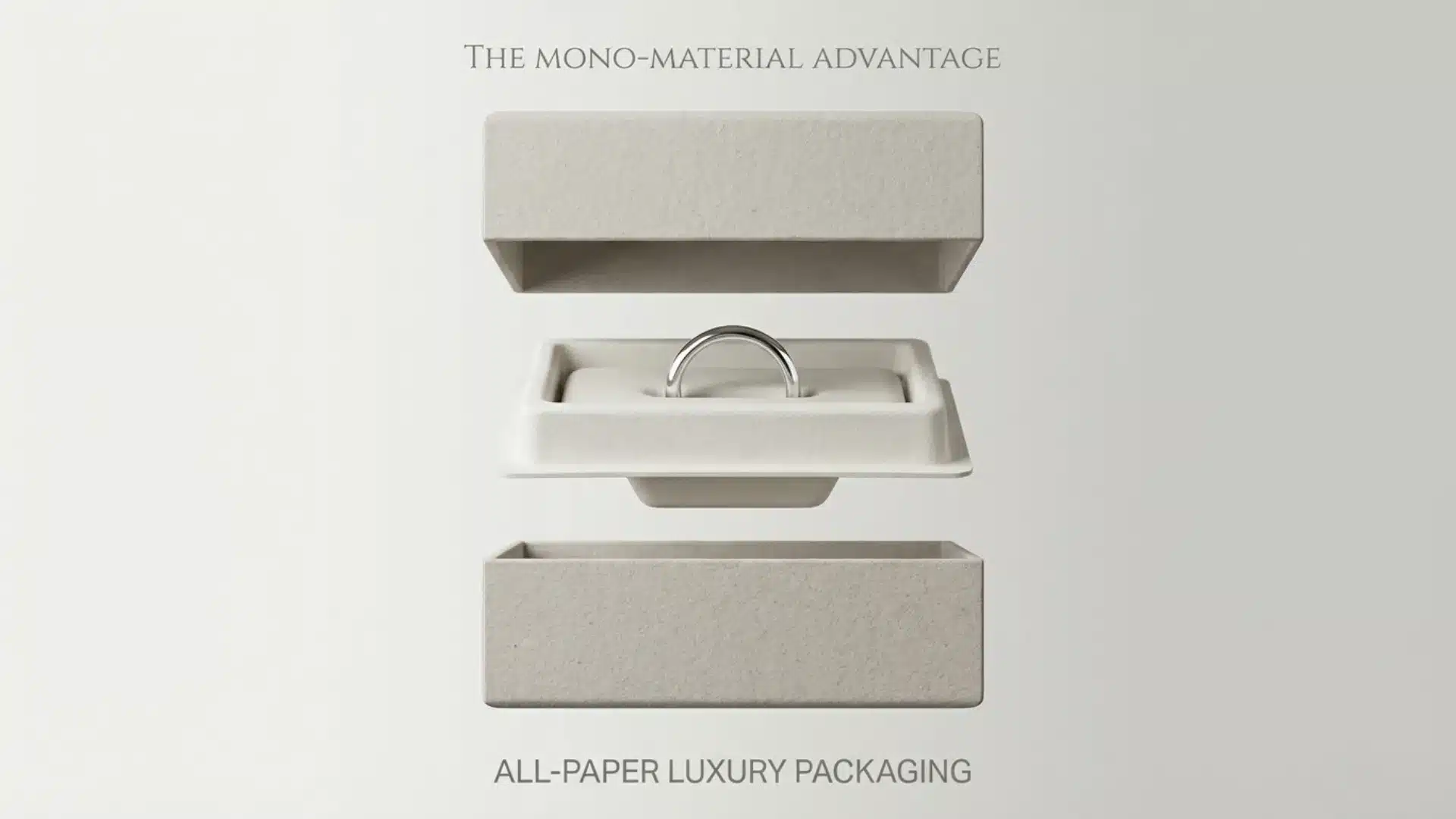
| Recyclability Value | 83% consider it important | Must adopt mono-material designs, avoiding composites. |
| Avoidance Behavior | 20% reject unlabeled products | Clear eco-certification labels (e.g., FSC) are mandatory. |
The transformation of jewelry packaging is driven by advancements in material science. The industry is rapidly discarding virgin plastics and uncertified timber, shifting towards a new generation of materials that offer luxury texture while achieving a circular loop. Richpack is at the forefront of building a material library in this domain.
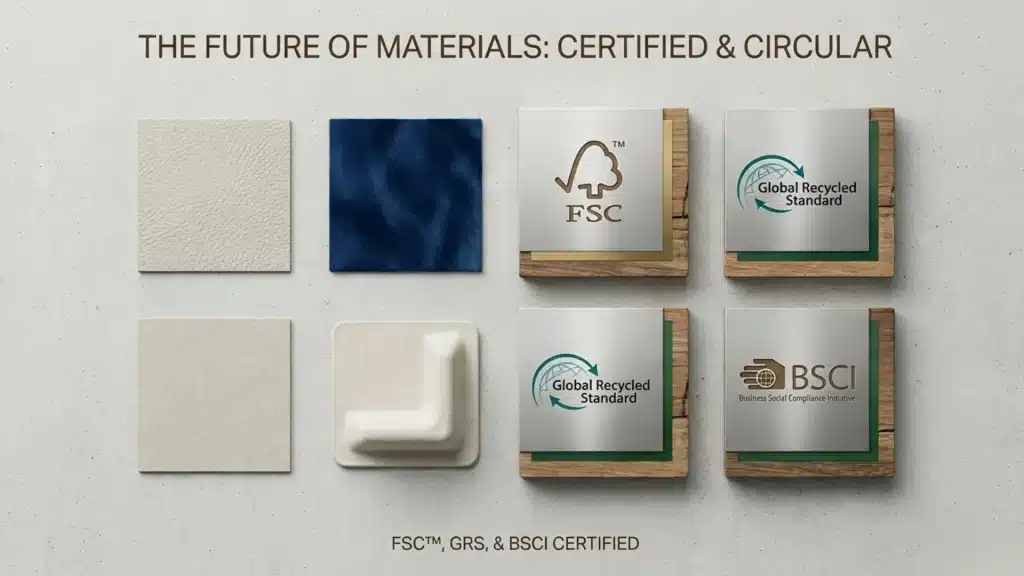
“Paperization” is the dominant trend of 2025, but in the jewelry sector, ordinary paper often fails to provide sufficient protection or a sense of luxury. Innovation lies in the combination of high-density paperboard and surface treatment technologies.
For jewelry packaging, the softness of the lining is crucial. Traditionally, this relied on velvet (often made from virgin polyester or nylon) or EVA foam. The emergence of RPET (Recycled Polyethylene Terephthalate) has completely changed this landscape.
Once used only for egg cartons or electronics buffering, molded pulp has now been upgraded to a preferred material for luxury jewelry box inserts.
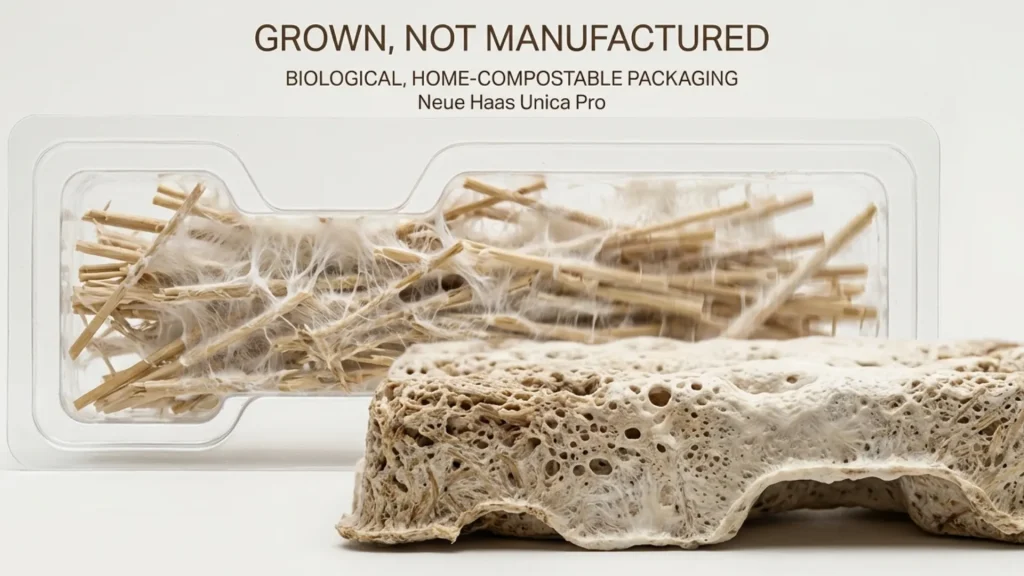
At the frontier of biomaterials, mycelium packaging is emerging. This is a material “grown” rather than “manufactured.”
Sustainability is reshaping the architecture of packaging like custom magnetic gift boxes. The once-popular “Matryoshka doll” style packaging—a box inside a box, inside a sleeve, inside a tote bag—is being replaced by Smart Minimalism and Multi-functional Design.
Design trends for 2026 point towards “Ultra-Clean Industrial”—blocky minimalism, muted palettes, and ergonomic clarity. This is not just an aesthetic choice, but a waste reduction strategy.
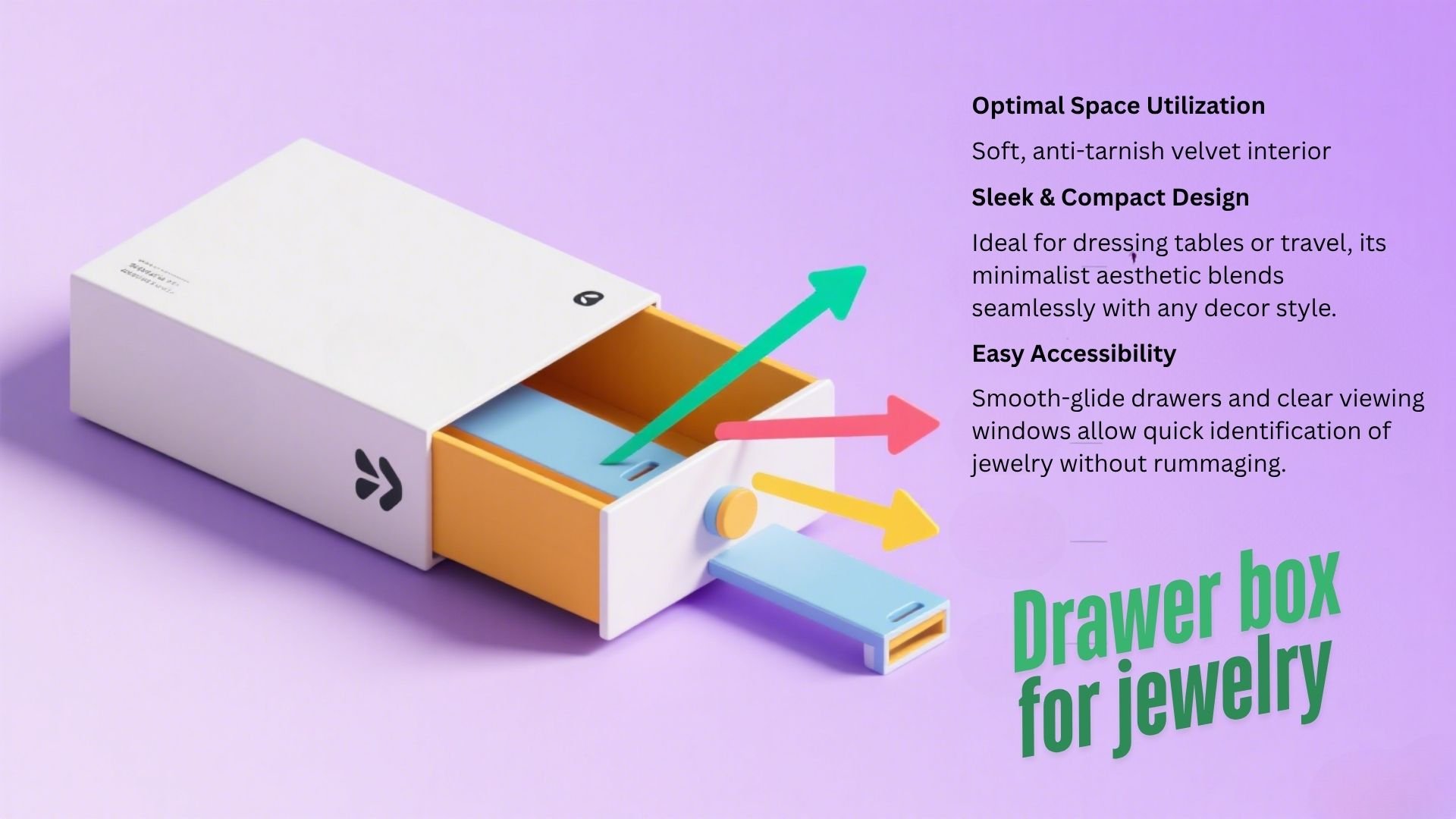
The most eco-friendly packaging is that which is never thrown away. The industry is experiencing a massive shift towards designing jewelry packaging that doubles as permanent home storage. This aligns perfectly with the “Buy Less, Buy Better” philosophy.
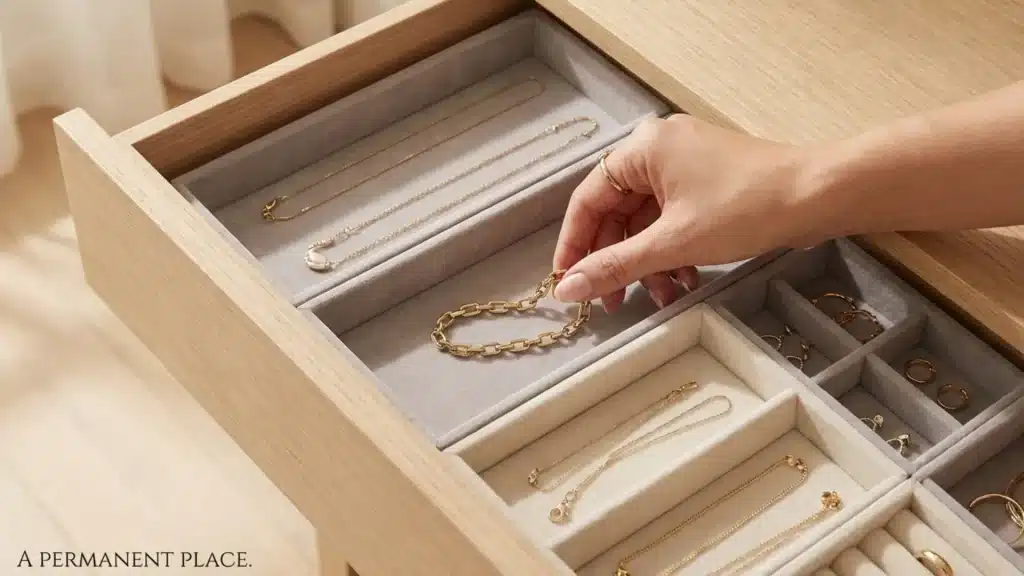
Richpack’s Custom Jewelry Trays for Drawers: It is within this trend that Richpack’s Custom Jewelry Trays for Drawers have become the perfect solution bridging packaging and home life.
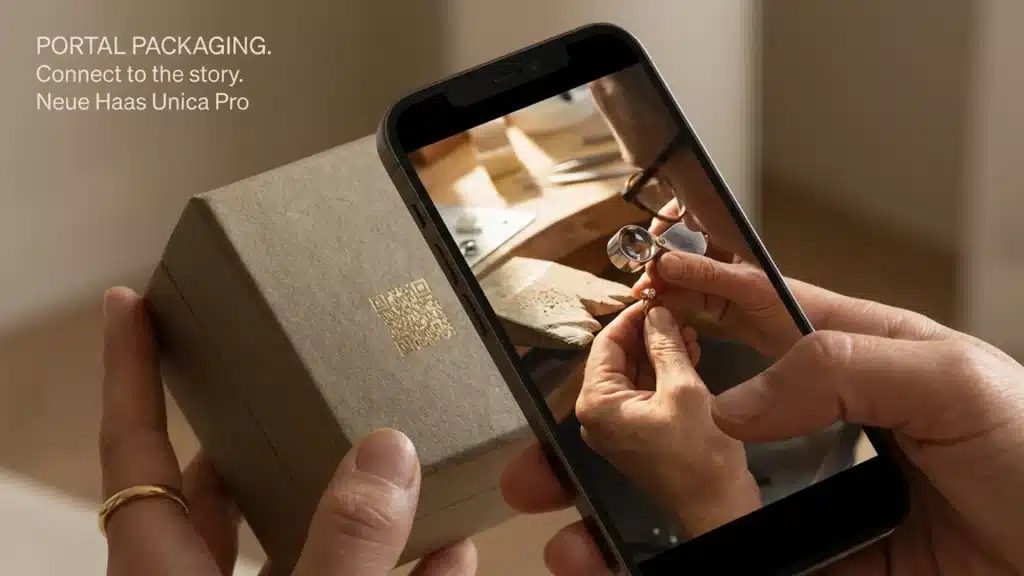
Packaging is becoming a portal to the digital world. With the rise of “Portal Packaging,” QR codes and NFC tags are directly integrated into the design.
Theoretical shifts ultimately need validation in the market. The following three brand cases demonstrate how sustainable packaging strategies land across different dimensions.
DTC jewelry unicorn Mejuri has adopted a unique “Option Strategy” regarding packaging sustainability.
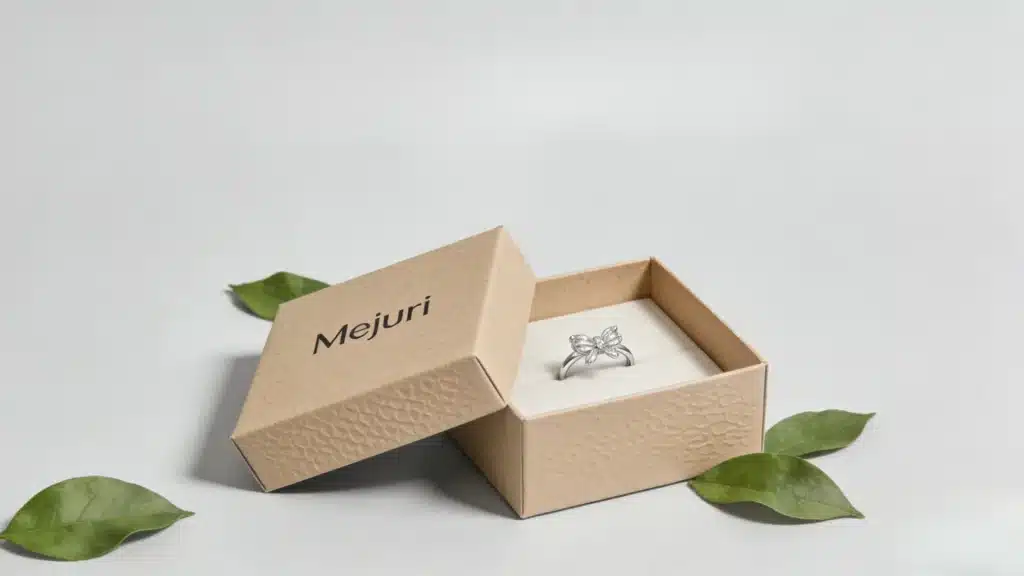
As an advocate for ethical jewelry, Brilliant Earth focuses on material source traceability and circular utilization.
New York native brand Catbird leverages its “Made in Brooklyn” identity to minimally shorten the supply chain.
For retailers, shifting to sustainable packaging is not just about changing suppliers; it is a systemic engineering project involving inventory, logistics, and cost structures. Partnering with mature suppliers like Richpack, leveraging their “modular printing” and “overseas warehousing” services, is key to navigating these challenges.
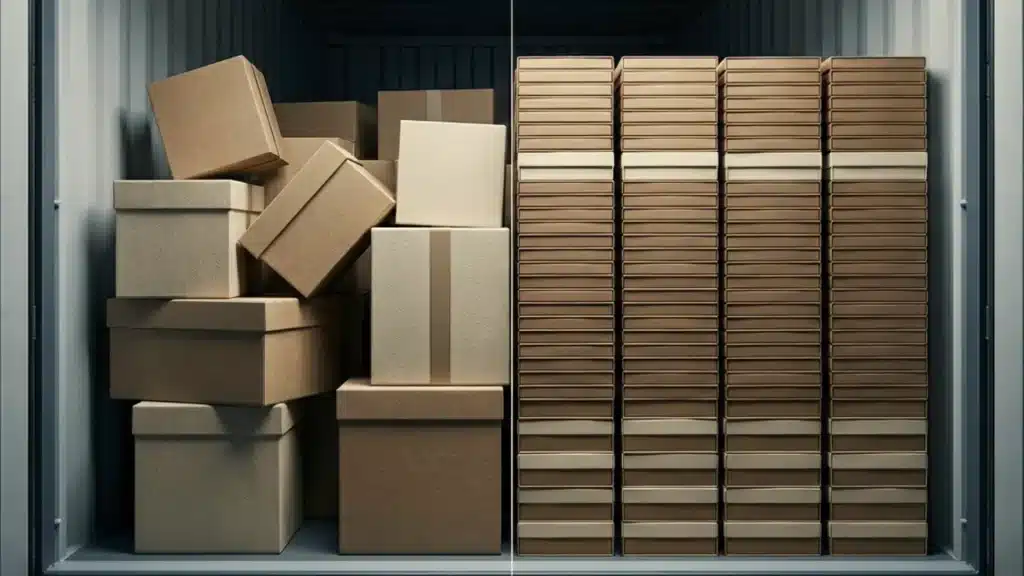
In international logistics, volume is often more expensive than weight.
While raw material costs for eco-friendly materials (like RPET or FSC paper) may be slightly higher than ordinary virgin materials, from a “Total Cost of Ownership (TCO)” perspective, sustainable gift box packaging is often more economically efficient:
Ignoring packaging compliance will be one of the biggest operational risks for luxury brands in the coming years. The U.S. and EU are tightening management of packaging waste.
Looking toward 2030, the evolution of jewelry packaging will move beyond “Doing Less Harm” to a regenerative stage of “Doing Good.”
In this rapidly evolving landscape, the relationship between jewelry brands and packaging manufacturers will shift from simple transactional ties to strategic alliances. Brands need partners like Richpack who understand the nuances of GRS certification, master the properties of RPET materials, and can design ergonomic drawer trays.
The transformation of jewelry gift box packaging is a microcosm of the jewelry industry’s resilience and adaptability. Driven by the dual pressures of Gen Z’s rigorous ethical scrutiny and the reality of climate change, the simple jewelry box has evolved into a complex, high-tech sustainable asset carrying values.
For brands ready to embark on this journey, the path is clear. It begins with choosing a manufacturing partner capable of understanding and realizing this green vision.


2025-06-19

2025-06-22
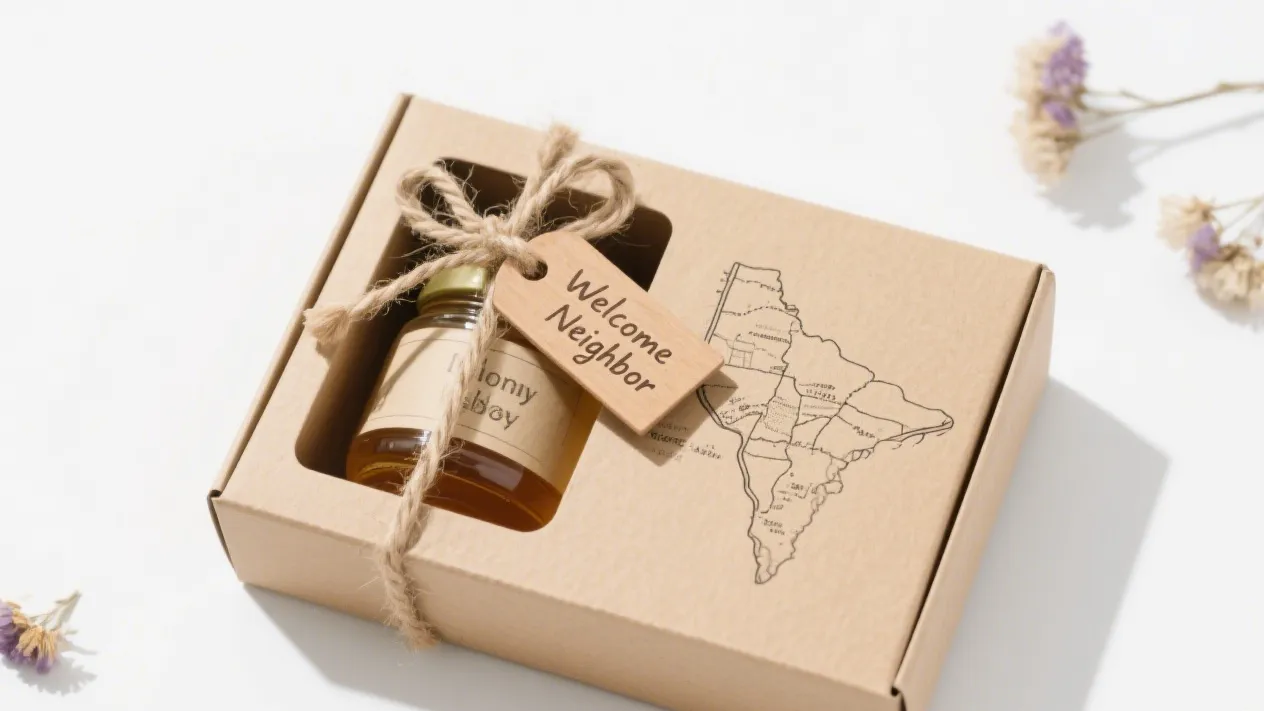
2025-08-22
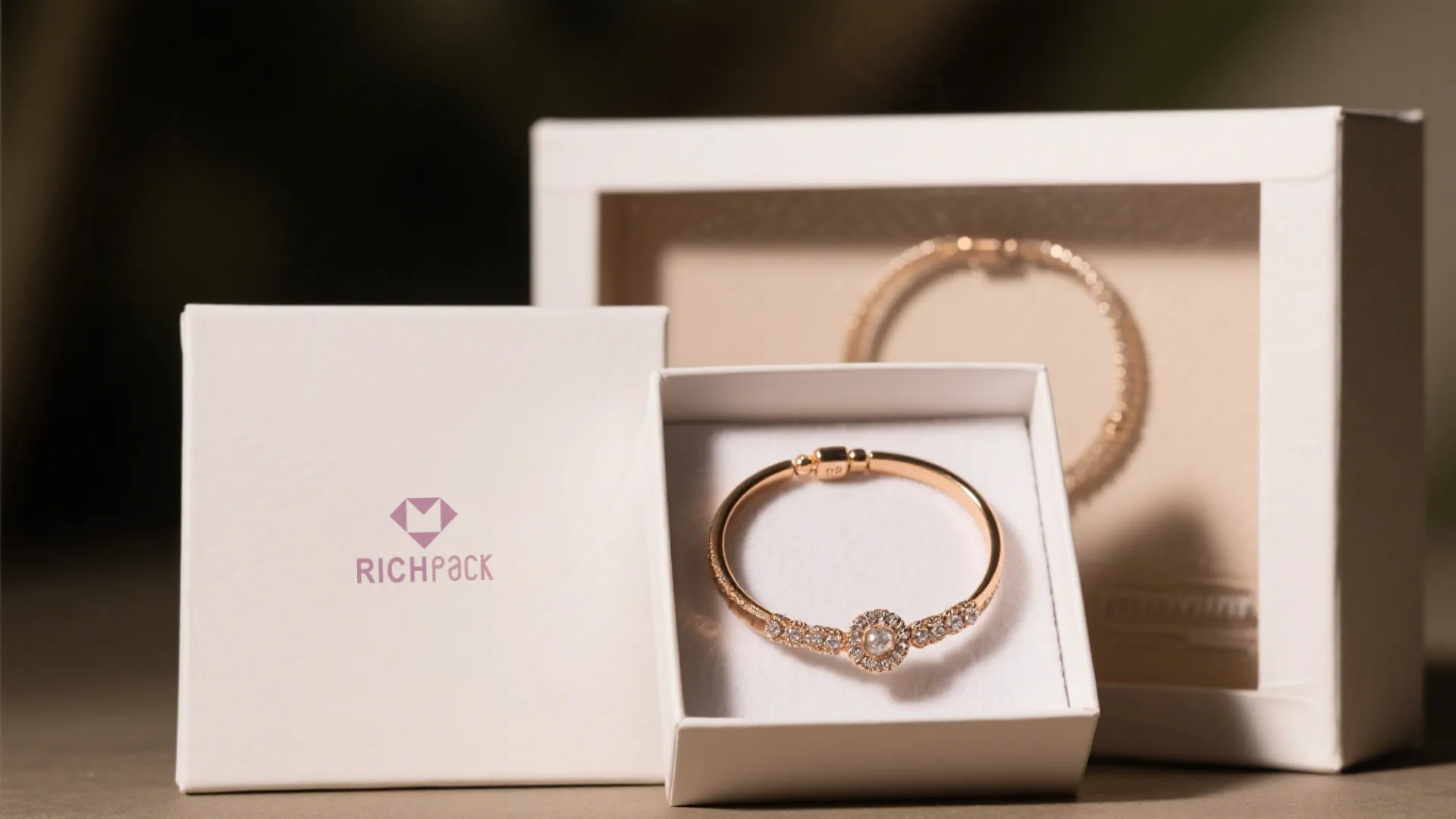
Is your bracelet’s packaging as impressive as the jewelry inside? That first unboxing moment is your brand’s real first impression—it’s what turns a simple sale into a memorable experience. With our 15 years of expertise, this guide moves beyond pretty pictures. We’re sharing 21 actionable strategies to help you create bracelet packaging that wows customers… Continue reading How Sustainable Materials Are Transforming Gift Box Packaging Solutions

Finding the perfect gift presents a unique challenge. You want something that feels personal, thoughtful, and genuinely special. A well-crafted gift box packaging is a curated experience designed to show how much you care. This guide provides everything you need to succeed. We will explore 26 distinct gift box ideas suitable for any person or… Continue reading How Sustainable Materials Are Transforming Gift Box Packaging Solutions
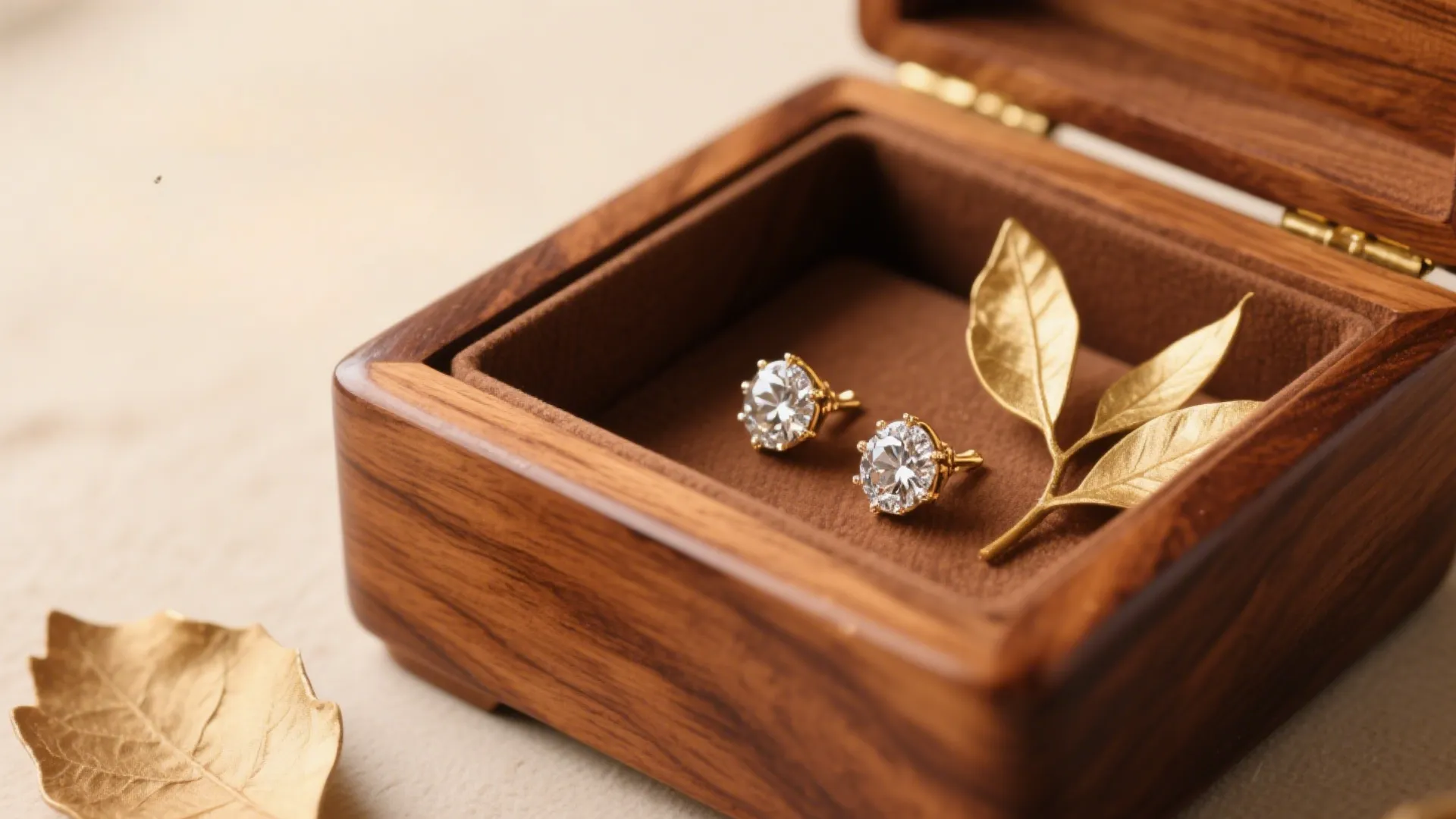
For jewelry brands pursuing texture and differentiation, high-end wooden packaging has transformed from a cost item into a high-return strategic investment. It serves as the first physical touchpoint between the brand and consumers, and a core marketing tool to convey value, inspire resonance, and drive repeat purchases. Today, we analyze from a B2B perspective why… Continue reading How Sustainable Materials Are Transforming Gift Box Packaging Solutions

Charming Rectangle Present Box – A Timeless Container for Treasured Gifts
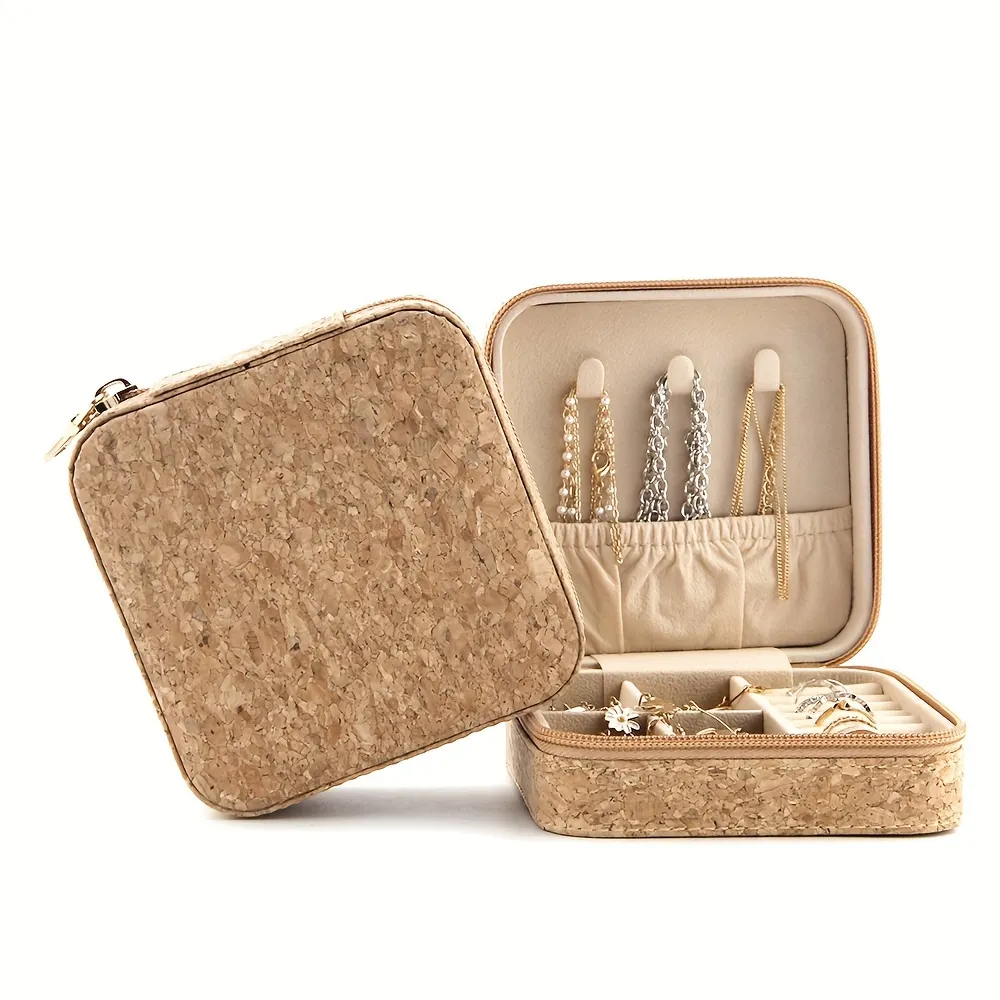
Compact and Cute Mini Travel Jewelry Organizer | Portable and Space-Saving Storage for Jewelry Retailers Needing Secure Travel-Friendly Solutions
Custom and Artistic Branded Paper Bags with Unique Patterns | Tailored Packaging for Jewelry Merchants and Luxury Brand Marketing
Adorable Baby Gift Boxes | Custom Newborn & Infant Gift Packaging | Premium Baby Shower Gift Sets
View More
Artisan Assortment Gift Box – A Diverse Array of Treasures in a Handcrafted Box
View More
Bridal Ring Boxes | Premium White Leather and Lined With Luxurious Blue Velvet – Richpack
View More
Just submit your email to get exclusive offers (reply within 12 hours)


