

 PREV
PREV
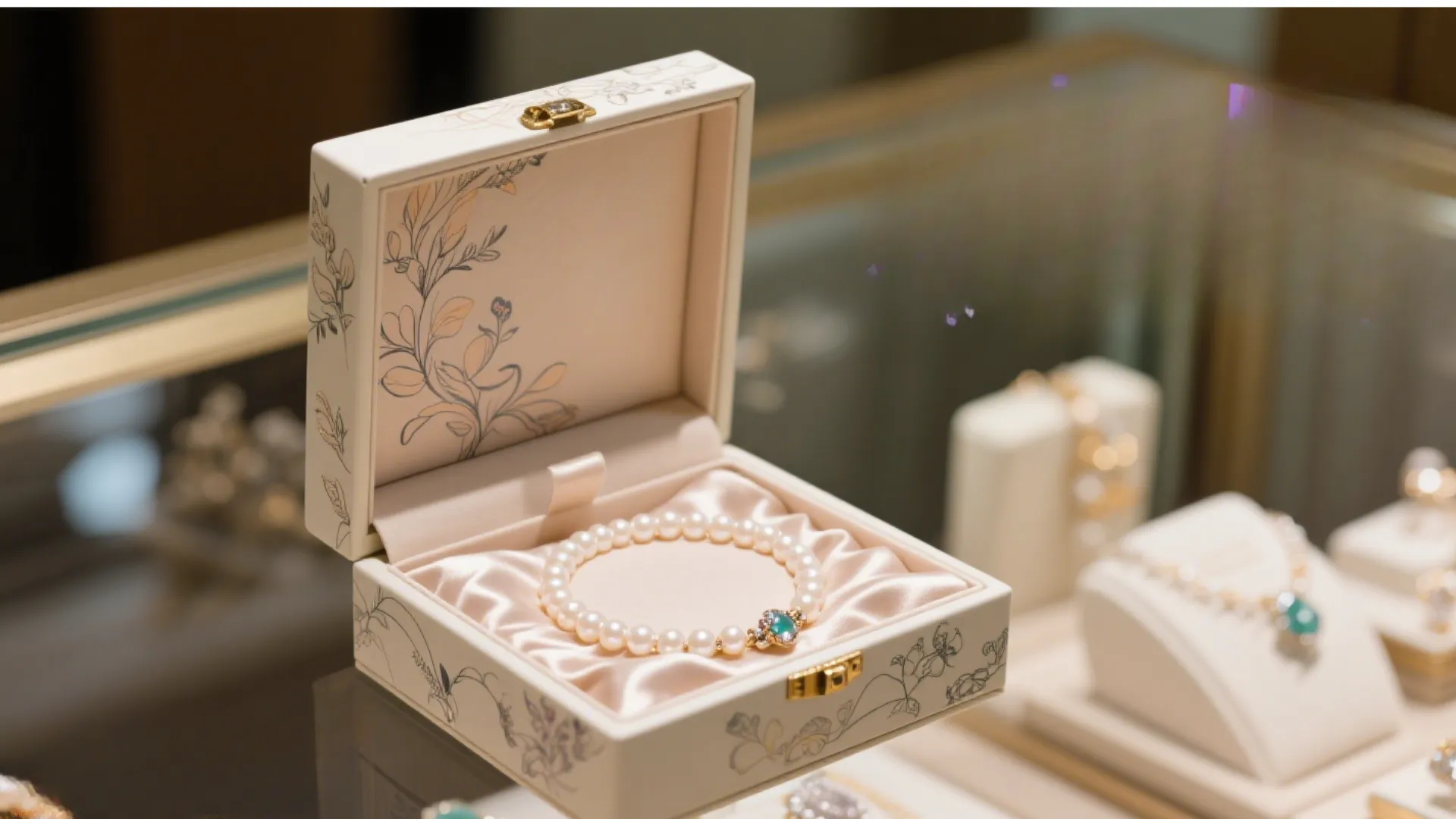
Avoiding the 5 Costliest Mistakes in Your First Jewelry Packaging Order
2025-06-16
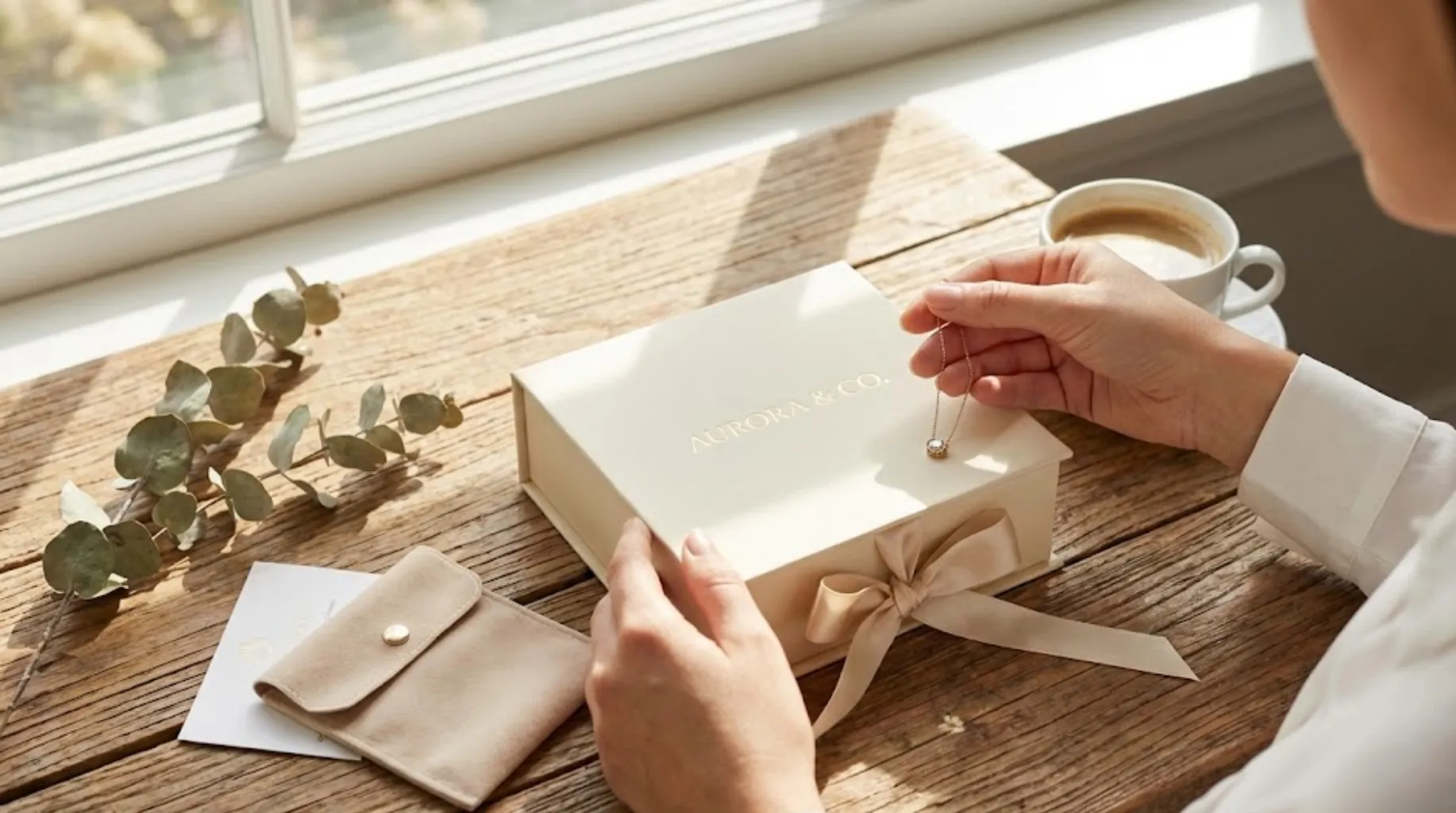


From boutique startups to global luxury powerhouses, meticulously engineered lidded gift boxes have become a pivotal tool for brand differentiation, conveying value, and curating unforgettable unboxing experiences.
As a premier provider of custom packaging solutions, Richpack will explore the top ten jewelry box styles trending for 2026, while providing a strategic framework to guide your brand’s selection process.
The impact of jewelry packaging on brand perception is far more profound than most retailers realize. Industry research indicates that 72% of consumers admit packaging design directly influences their brand perception. In today’s visually driven landscape, a gift box is no longer merely a protective vessel; it is the tangible manifestation of a brand’s personality and value proposition.
When a customer opens a meticulously designed gift box, they aren’t just receiving a product—they are engaging in a curated multi-sensory brand experience. This journey spans the tactile sensation of a substantial, high-grade rigid board, the potential olfactory hit of a signature brand fragrance, and finally, the visual crescendo of the jewelry’s brilliance against a carefully selected backdrop.
Tiffany & Co.’s iconic “Blue Box” remains the gold standard of this principle. The box itself has become so synonymous with luxury and romance that empty units trade on the secondary market for anywhere from $15 to over $160. This is a powerful testament to how a well-engineered lidded box can generate and sustain long-term brand equity.
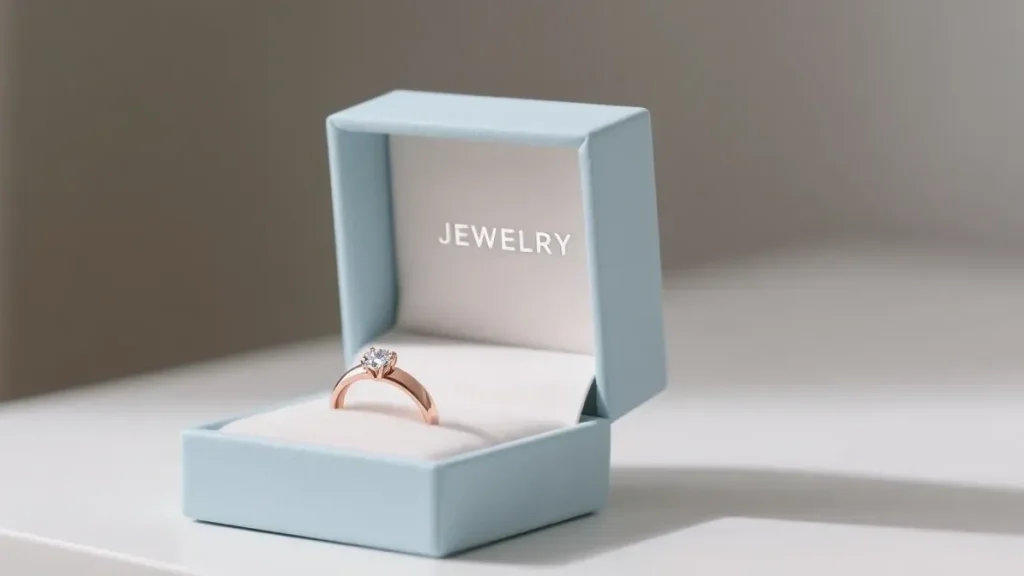
For jewelry brands, the strategic role of packaging operates across three primary dimensions:
Lidded gift boxes are premium packaging vessels engineered specifically for the presentation and gifting of high-value items, such as fine jewelry and timepieces. Unlike standard folding cartons, these boxes are typically constructed from high-density rigid board (ranging from 1200 to 1800 GSM). This heavy-duty construction provides a substantial heft and a “luxury hand-feel” that signals quality the moment it is touched.
The core hallmarks of a professional lidded gift box are structural integrity, aesthetic elegance, and superior protection. To ensure the safety of the contents during transit and storage, these boxes feature bespoke custom interior inserts—such as plush velvet, lustrous satin, or high-density foam—tailored to cradle each piece of jewelry perfectly.
The “lid” element may seem functionally simple, but its psychological impact is profound. Beyond providing physical security, the lid facilitates a ritualistic unboxing experience. It creates a moment of anticipation and a “dramatic reveal,” significantly amplifying the emotional value of the gift.
Following the industry trends projected for 2026, lidded designs have evolved into an unprecedented variety of silhouettes. Brands are moving beyond the classic two-piece (lid and base) structure to embrace innovative magnetic closures, sliding drawers, flip-top book-style boxes, and avant-garde geometric variations, each serving specific retail or e-commerce needs.
The modern packaging landscape is also being reshaped by a shift in material science. While premium paperboard remains the industry staple, there is a massive surge in sustainable packaging solutions. The integration of 100% post-consumer recycled (PCR) paper and soy-based vegetable inks is no longer a niche preference but a standard expectation for the eco-conscious luxury consumer.
Furthermore, innovations in tactile finishes are driving brand differentiation. Advanced techniques such as 3D foil stamping, intricate embossing, soft-touch coatings, and specialty textured wraps are utilized to elevate the perceived value of the brand. From boutique retail displays to high-volume e-commerce shipping and corporate gifting, the lidded gift box has solidified its status as an indispensable strategic tool for the modern jewelry brand.
The rigid two-piece box is the definitive classic of luxury jewelry packaging and the premier choice for high-end houses. Consisting of a precisely engineered lid and base, this structure creates a seamless, monolithic aesthetic. From a technical standpoint, the multi-layered high-density paperboard ensures exceptional structural integrity and durability. This allows the packaging to withstand the rigors of international shipping—absorbing pressure and vibration—without compromising the safety or presentation of the delicate contents within.
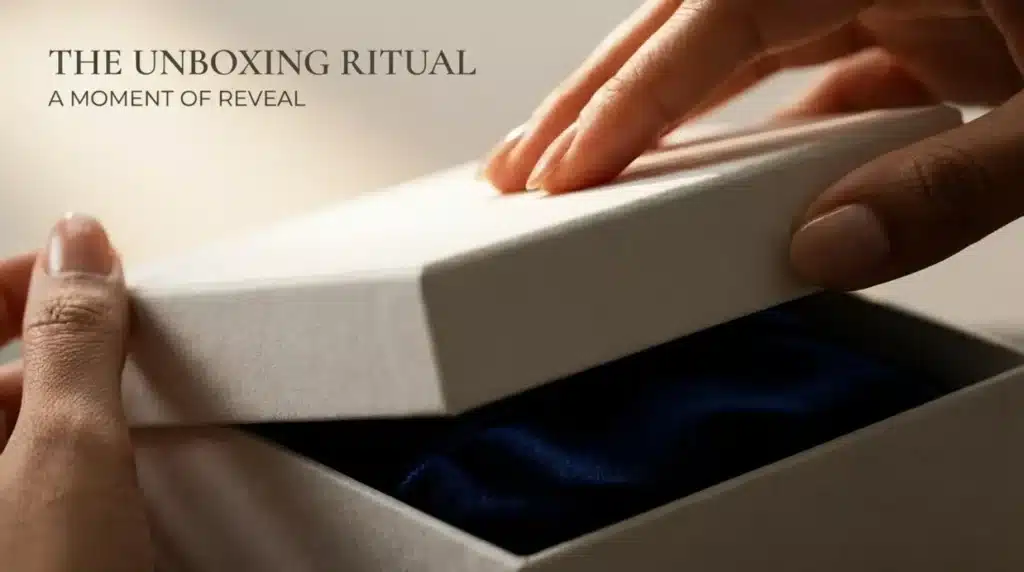
The true strength of this style lies in its versatility and bespoke potential. Brands can execute distinct design languages on the lid and base independently—for instance, a gold-foiled logo on the exterior paired with a plush velvet-lined base. A prime example is the collaboration between Lumina Jewelry and YiXin; to solve color inconsistency, they utilized custom Pantone-matched rigid two-piece boxes with precision-cut EVA inserts to secure necklaces. This resulted in perfect color uniformity across 5,000 units and guaranteed product security. With a typical B2B price point ranging from $8.50 to $10.00 per unit, it remains the gold standard for premium jewelry positioning.
Magnetic closure boxes represent the pinnacle of modern luxury packaging innovation. By integrating high-strength magnets within the lid and base, this design allows for an effortless opening experience while providing a “satisfying snap” upon closing—a tactile detail that modern consumers deeply appreciate. This mechanism offers several strategic advantages: it eliminates the friction and noise associated with traditional hinges, curating a more refined user journey; it reduces the risk of structural wear from repeated use; and it provides a “moment of delight” as the lid detaches with high-tech precision.
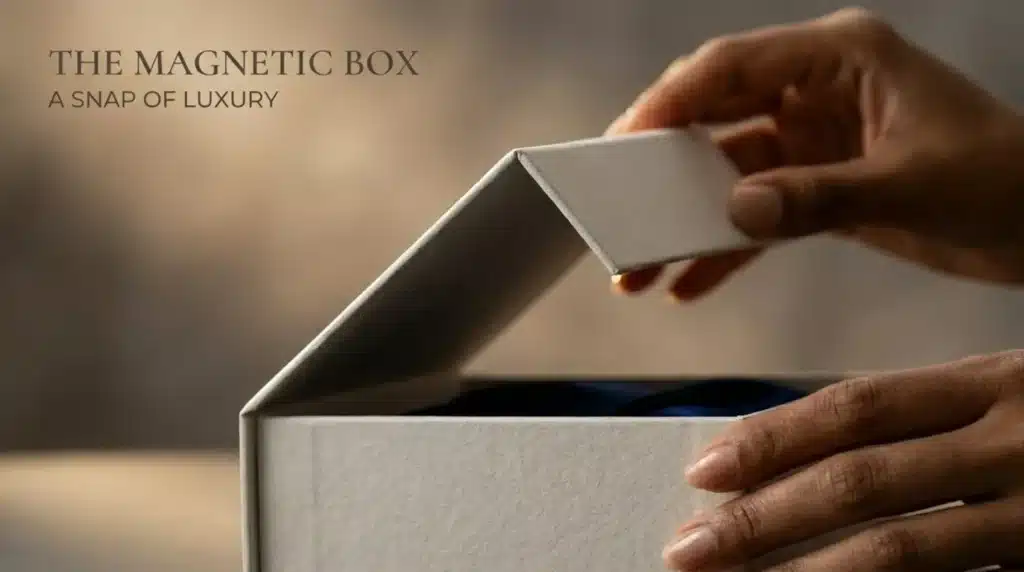
Psychologically, the smooth magnetic action engages multiple senses, conveying an image of precision and contemporary elegance—making it particularly effective for targeting the female demographic. In both high-street retail and e-commerce, these boxes are favored for their high-end feel and reusability, as customers often retain them as keepsakes or organizers. Brands can further elevate the opulence with finishes ranging from soft-touch coatings to intricate foil stamping. These boxes are ideal for jewelry sets, such as earring and bracelet pairings or limited-edition collections, offering a perfect balance between cost-efficiency and a high-status brand image.
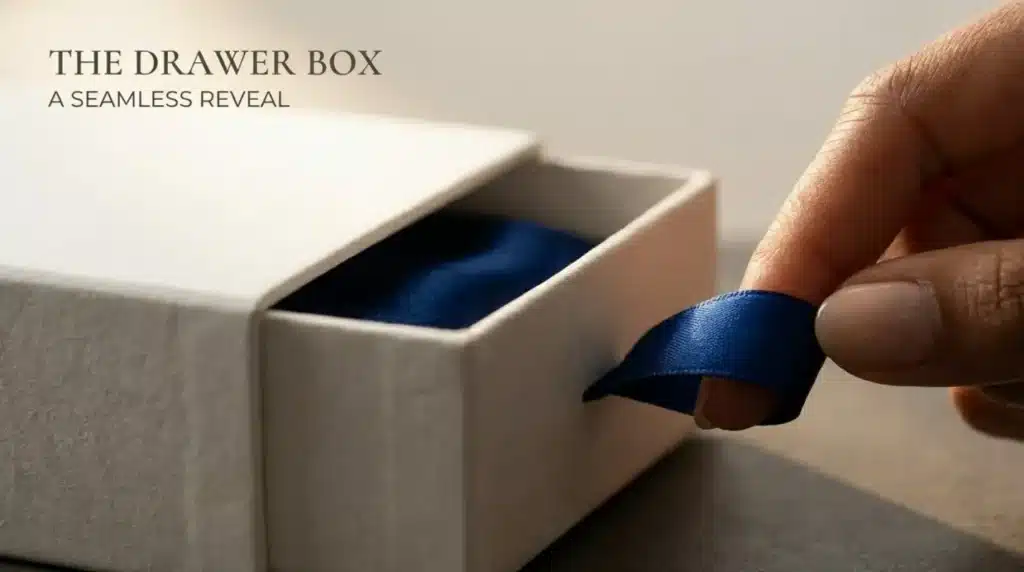
The drawer-style (or slide-out) box utilizes an innovative opening mechanism where the inner tray slides out from a protective sleeve to reveal the jewelry. Rooted in the traditions of heritage houses like Cartier and Bulgari, this design is synonymous with prestige. The benefits are multi-fold: first, it extends the “unboxing sequence,” building dramatic tension and ritual; second, it offers superior spatial flexibility to accommodate various jewelry silhouettes; and third, it provides expanded surface area for branding and storytelling.
Engineering a high-quality drawer box requires extreme precision; the sliding mechanism must be fluid yet offer enough resistance to feel substantial, all while maintaining a tight seal to keep out dust. While this complexity increases production costs, it significantly drives up the consumer’s perceived value. Many luxury brands incorporate signature ribbon pulls to enhance both ergonomics and tactile appeal. From a marketing perspective, this unique “sliding reveal” is highly shareable on visual platforms like Instagram and TikTok, providing brands with organic social proof and making it an invaluable investment for creative, digital-forward brands.
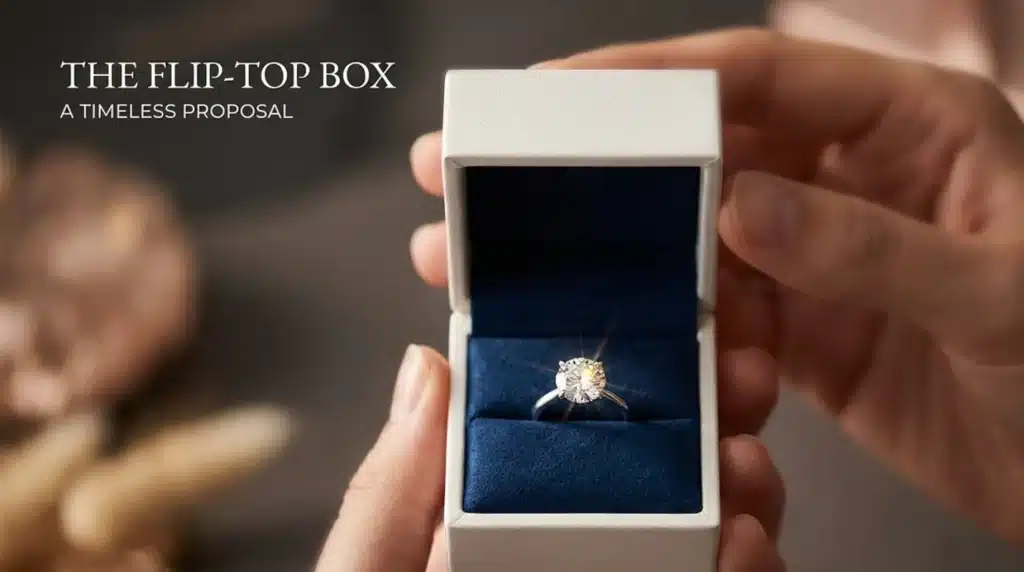
The flip-top box is a time-tested, hinged design that remains a staple for presenting single pieces or pairs, such as rings and earrings. Its primary strength lies in its classic reliability—consumers are instinctively familiar with this opening style, which immediately evokes a sense of traditional luxury and heritage. Structurally, the integrated hinge allows for a heavy, solid lid that reinforces a brand’s premium market position.
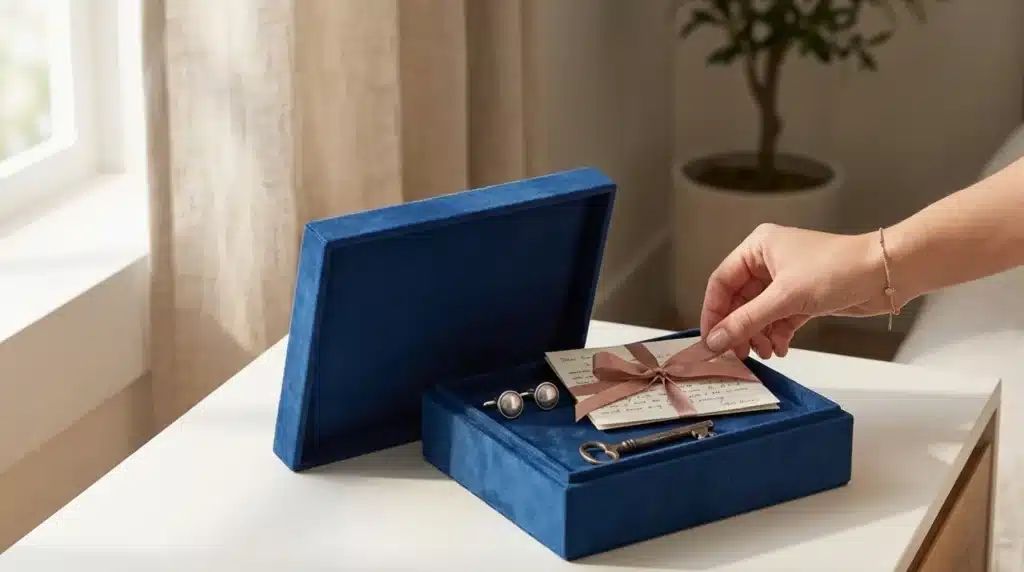
The interiors are often strategically engineered to ensure the jewelry captures optimal light the moment the lid is flipped. Many high-fine jewelry brands utilize the interior lid space for “secondary branding,” adding brand heritage stories, technical specs, or personalized messages to create a surprise touchpoint. This design is exceptionally popular for corporate gifting and milestone occasions like engagements or weddings due to its formal and respectful presentation. As a cost-effective yet premium-looking option, flip-top boxes are accessible across various price points. Richpack’s extensive experience in providing custom flip-top solutions for international brands ensures that every hinge and lining meets the highest global standards of craftsmanship.
Round gift boxes represent a major trend for 2026, successfully breaking the monotony of traditional square and rectangular silhouettes. The circular geometry is particularly suited for unique round gift boxes with lids used for jewelry sets, allowing for a more fluid internal layout and eye-catching visual presentation. Some brands have even pushed into hexagonal designs—notably Meadowlark Jewelry, which uses rigid hexagonal boxes with foam inserts to create a distinctive, avant-garde brand identity.
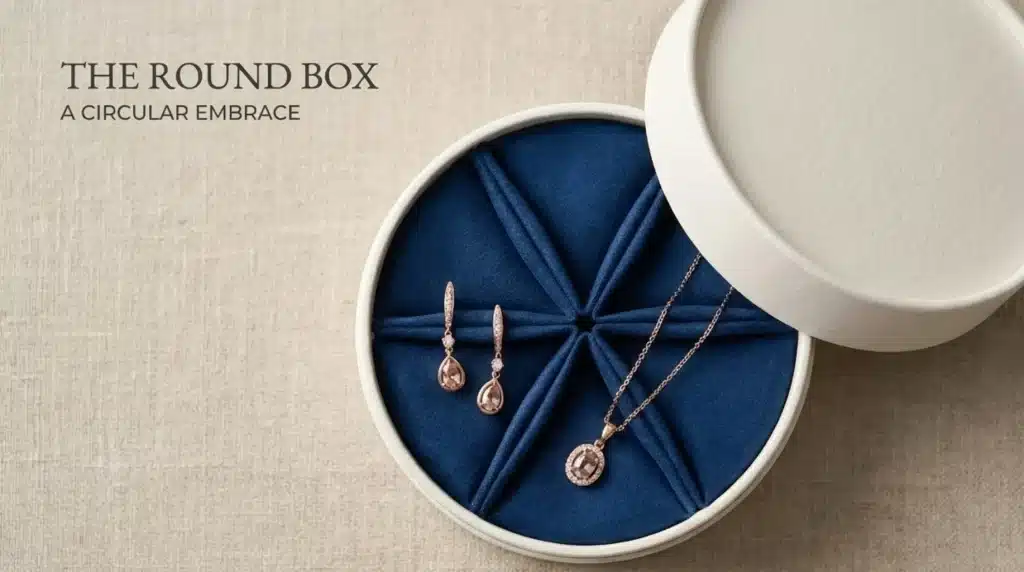
The competitive advantage of round and geometric boxes is their immediate shelf-appeal. In a market saturated with right angles, a circular box commands attention. Psychologically, the soft curves of a round box communicate elegance, continuity, and harmony—attributes that resonate deeply with jewelry consumers. Furthermore, petal-style or segmented internal designs allow brands to showcase multiple collections within a single unit, creating a sophisticated visual hierarchy. While these shapes require specialized tooling and molds, high-volume production effectively amortizes these costs, making them a powerful choice for limited-edition launches where uniqueness justifies a premium price.
Sustainable jewelry packaging has evolved from a trend into a strategic business imperative. In 2026, eco-conscious consumers—specifically Millennials and Gen Z—are actively gravitating toward brands with transparent environmental commitments. Modern eco-friendly lidded boxes utilize 100% post-consumer recycled (PCR) paper, chlorine-free bleached board, and soy-based vegetable inks without sacrificing aesthetic or functional quality.
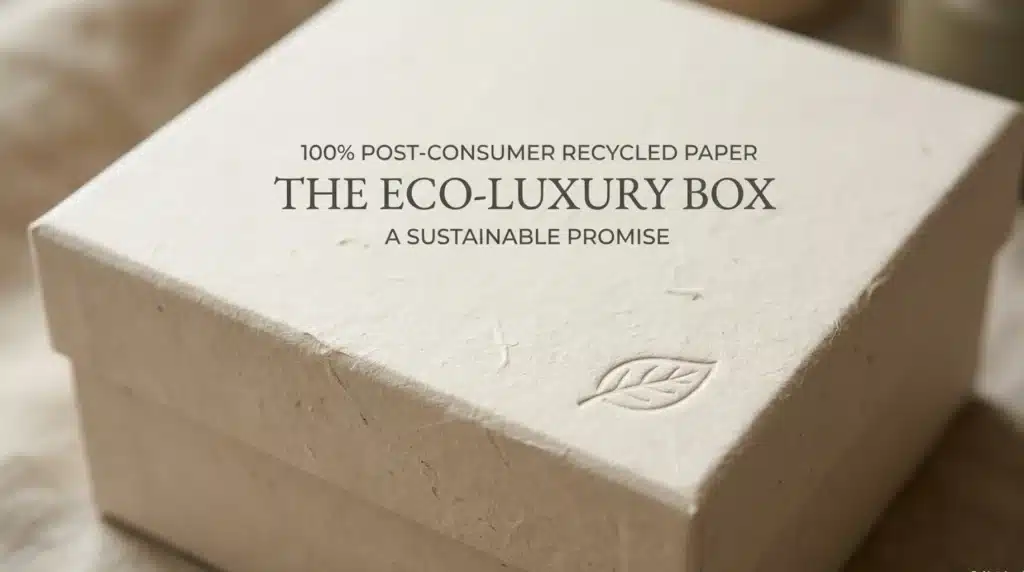
The aesthetic of “Eco-Luxury” is increasingly diverse. Options range from raw, textured recycled pulps to innovative fibers like bamboo or hemp, and even fully biodegradable composites. Many brands are adopting a minimalist aesthetic—clean lines and natural palettes—that reduces ink consumption while projecting an organic, authentic brand image. A standout case is KK Jewelry Lab, which utilized origami-inspired sustainable paper boxes that were both collapsible for shipping and reusable for the consumer, proving that sustainability and elegance are not mutually exclusive. For brands, this is a powerful storytelling opportunity that builds deep emotional resonance with the consumer’s values.
In 2026, tactile dimension has become the hallmark of high-end jewelry packaging. This is achieved through advanced finishing techniques such as hot foil stamping, blind embossing, soft-touch laminates, and multi-chromatic printing. Foil stamping remains incredibly popular—metallic options like gold, silver, rose gold, and even holographic foils add instant prestige to a simple box. This process involves heat-pressing a thin metallic foil onto the substrate, creating a lustrous finish with a depth that standard printing cannot replicate.
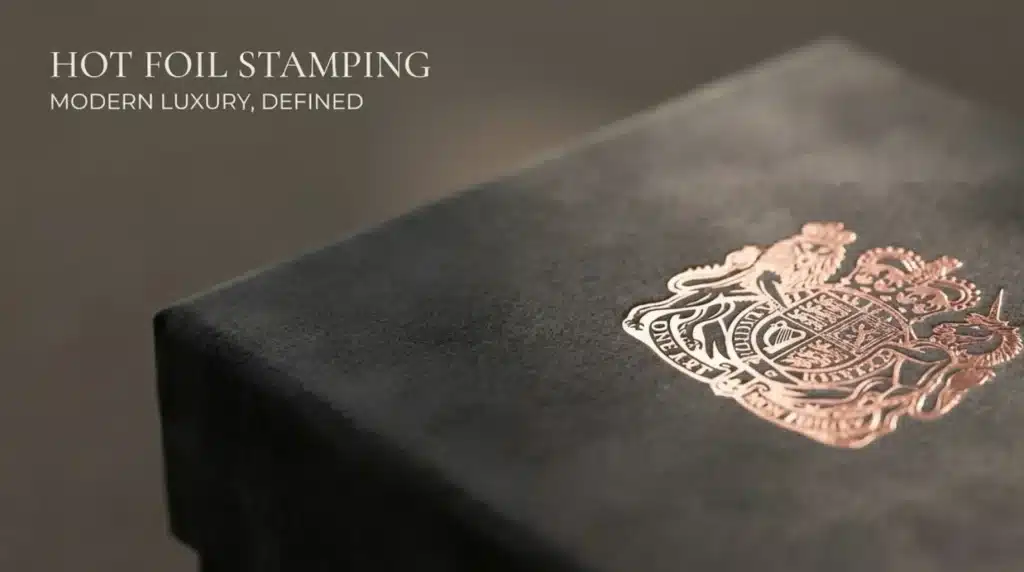
Embossing and debossing techniques create a three-dimensional effect by pressing patterns into the paper using custom dies. This is ideal for minimalist brands looking to add a subtle, sophisticated tactile element without the use of ink or foil. For the ultimate luxury statement, “foil embossing” combines both techniques for a high-impact, multi-dimensional logo. When paired with a soft-touch coating—which provides a velvet-like hand-feel—the result is a memorable multi-sensory experience. While these finishes increase the per-unit cost, they significantly elevate the perceived value, justifying premium pricing for high-value jewelry and milestone collections.
The psychological impact of color in jewelry packaging is a foundational element of brand recall. A signature hue can become a “visual synonym” for the brand itself—think Tiffany Blue, Cartier Red, or the vibrant palettes of Bulgari. By 2026, the ability to customize color has become democratized, with mid-market brands now able to achieve total color consistency through precise Pantone Matching Systems (PMS).
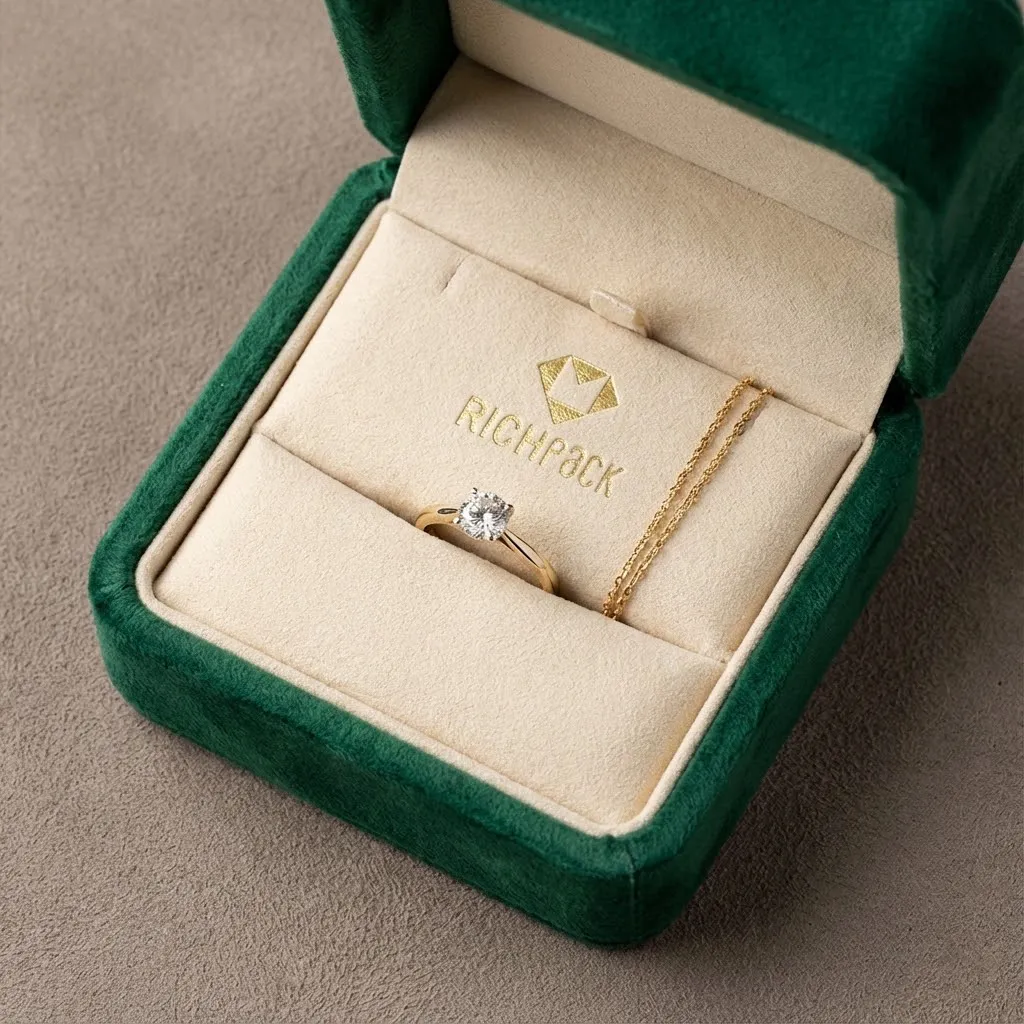
Specific colors trigger specific emotional responses: warm metallics like gold and rose gold evoke romance and opulence, while cool tones like navy and silver communicate modernism and sophistication. Maintaining color consistency across all touchpoints—from the physical box to digital assets—is critical for reinforcing brand identity. Many brands now employ a “layered color strategy,” using a high-impact primary color for the exterior and a complementary secondary shade or metallic finish for the interior to create a moment of surprise upon opening. Richpack’s expertise in Pantone matching and quality control makes us the ideal partner for international brands requiring global visual coherence.
Logo printing is the most fundamental yet essential tool for brand reinforcement. By applying custom logos, bespoke typography, and graphic elements to a gift box, a brand transforms a simple container into a “mobile billboard.” In 2026, printing technology has advanced to include high-resolution digital printing and sophisticated hybrid effects that combine ink with UV spot gloss or embossing.
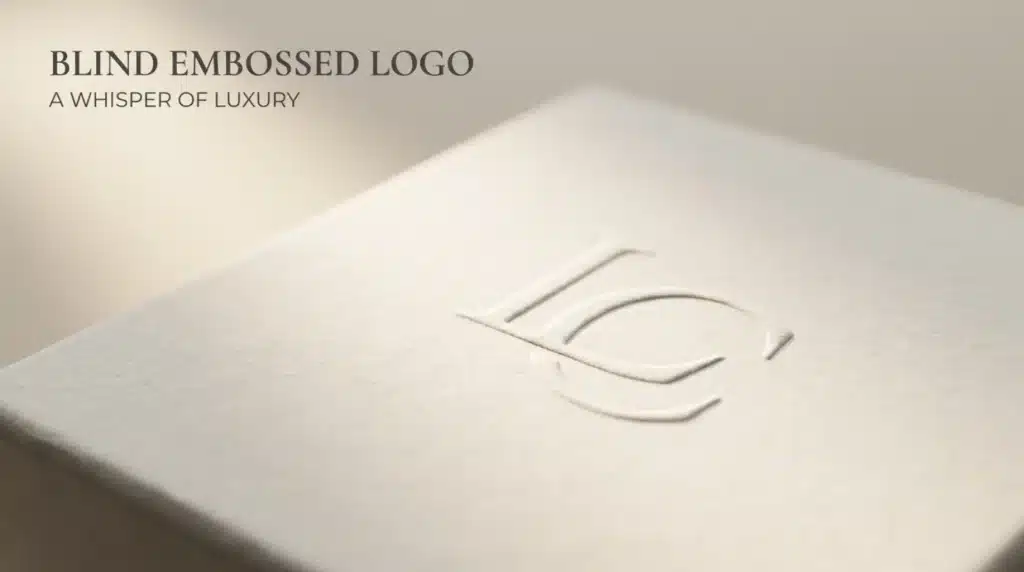
The placement and execution of the logo must be strategic. While a centered logo on the lid remains the most common choice for establishing a focal point, many contemporary brands are opting for “understated branding”—a micro-logo in the corner or a recurring pattern that wraps around the edges. This minimalist approach often appeals more to the modern luxury consumer. Quality is paramount; a blurred or inconsistent logo can immediately devalue the product. Therefore, partnering with a manufacturer that offers high-fidelity printing and rigorous QA is a non-negotiable requirement for protecting your brand equity.
Modular lidded boxes represent one of the most innovative directions in 2026 packaging design, specifically for brands offering multi-piece sets or catering to collectors. Modular design allows the consumer to reconfigure the interior—adjustable dividers and removable trays can be shifted to accommodate different combinations of jewelry. This functionality adds significant utility value and fosters a sense of personalization, making the customer feel truly considered by the brand.
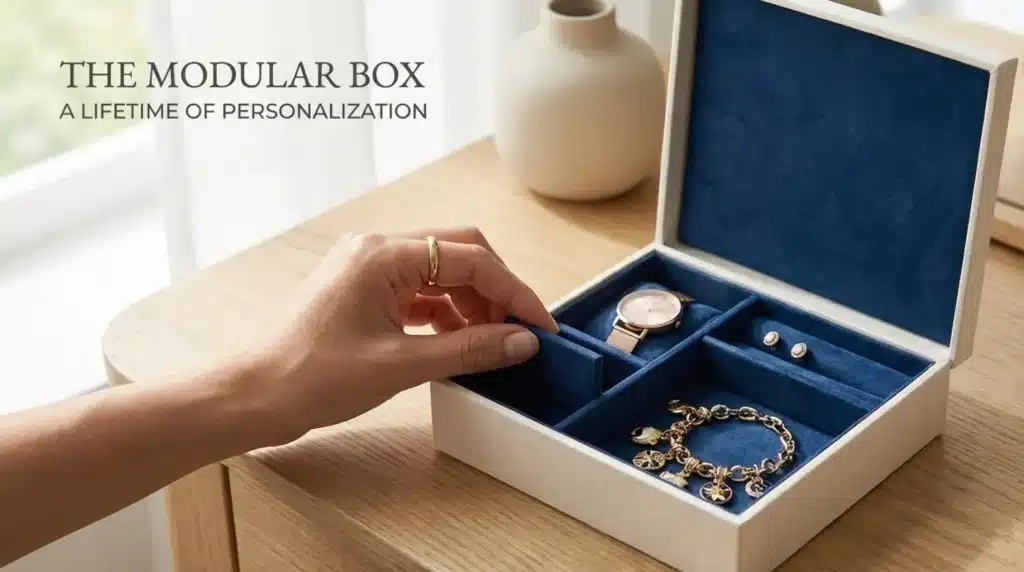
These designs often feature multi-tiered trays, adjustable high-density foam inserts, and dedicated compartments for rings, necklaces, and charms. For brands selling curated sets, this flexibility ensures each component is displayed with the same level of prominence. From a loyalty perspective, a well-designed modular box is often kept for years as a primary storage solution, ensuring your brand maintains a permanent presence in the consumer’s daily life. Furthermore, this “keep-sake” mentality aligns with sustainable principles by reducing packaging waste and supporting a circular economy framework.
The process of selecting the ideal gift box structure begins with a deep technical assessment of the unique requirements inherent to each jewelry category. Rings, earrings, necklaces, bracelets, and timepieces each possess a distinct geometric footprint and specific protective criteria that necessitate specialized packaging architectures. For instance, rings and petite studs demand compact, intimate vessels where traditional flip-top (hinged) or two-piece rigid designs excel, as they provide a singular, centered focal point that focuses all attention on the “big reveal.” In contrast, necklaces and pendant chains require a broader and deeper footprint to accommodate varying lengths. For these pieces, a drawer-style (slide-out) sliding mechanism is exceptionally effective, facilitating a panoramic horizontal presentation that showcases the jewelry’s full brilliance while preventing the chains from tangling during transit.
For multi-piece ensembles or matched jewelry suites—such as earring and bracelet pairings—modular or segmented interior designs are the most efficient choice. This structural approach allows brands to display multiple items in a visually organized, cohesive manner that reinforces the collection’s value. Beyond the exterior structure, the choice of bespoke inserts should be dictated by the jewelry’s material composition. High-fine jewelry crafted from precious metals typically requires plush velvet or lustrous satin liners to provide a soft-touch barrier against micro-abrasions. Meanwhile, semi-precious or fashion jewelry lines may utilize high-density foam or sustainable cardboard inserts for a more modern, structured look. From an engineering standpoint, the internal dimensions of the box must be precision-calibrated to the jewelry’s specific scale to eliminate shifting, which is the primary cause of product damage during global shipping.
Furthermore, milestone jewelry intended for special occasions—such as engagement rings or ceremonial collections—requires packaging that offers an elevated “sense of ceremony.” To meet the high expectations of these consumers, many brands opt for high-ritual designs, such as flip-top boxes adorned with signature silk ribbons or oversized vessels featuring dedicated hidden compartments for GIA certificates, grading reports, and warranty cards. These functional enhancements and decorative additions transform the packaging from a simple protective container into an heirloom-quality keepsake. By integrating these thoughtful details, brands can significantly amplify the emotional resonance of the gift and build long-term brand equity through a superior unboxing experience.
Your choice of gift boxes with lids for presents must be meticulously synchronized with your brand’s market positioning and target price points. This is a critical strategic imperative; an ill-fitted choice can either dilute your brand equity or lead to eroded profit margins. Premium luxury houses and boutique designers should prioritize high-density rigid-board packaging featuring top-tier materials, sophisticated finishes, and artisan-level craftsmanship. These consumers expect the packaging to mirror the exquisite quality of the jewelry itself, and they are often willing to pay a premium for that elevated experience. Industry data supports this behavior, showing that 40% of consumers are willing to pay more for high-end packaging, particularly within the luxury sector.
Mid-market brands, by contrast, enjoy greater tactical flexibility. They often find success through a tiered packaging strategy—adopting a hybrid approach that leverages rigid boxes for flagship collections or special releases while opting for high-quality, sustainable folding boxes for entry-level lines. This allows brands to optimize their budgets across different product tiers without sacrificing a premium brand perception where it matters most. Many successful mid-tier brands now adopt a “Core vs. Limited Edition” model, ensuring that while standard items remain cost-effective, seasonal or high-value launches receive a luxury upgrade that drives consumer excitement and justifies higher price points.
A fundamental component of this strategy is the price-point analysis, specifically the ratio of total packaging cost to the retail price. While the general industry benchmark suggests packaging should account for approximately 10% of the retail price, this figure often scales with the value of the jewelry. For example, a $1,000 heirloom piece may justify a $100 packaging budget, enabling the use of opulent textures and bespoke structures. In contrast, a $100 fashion piece requires a more fiscally responsible $10 budget, necessitating an approach that balances aesthetic appeal with production efficiency. Understanding these ratios allows brands to make financially sustainable decisions while still achieving a high-impact presentation.
Ultimately, brand positioning is rooted in consistency and cross-channel coherence. Your gift boxes with lids for presents must exist in perfect harmony with your overall brand aesthetic, website design, social media presence, and physical retail environment. A luxury brand utilizing flimsy, low-grade packaging will immediately compromise its high-end status, while a brand targeting the eco-conscious Gen Z demographic may appear inauthentic if it uses excessive, non-sustainable materials. Richpack has extensive experience in helping brands calibrate their packaging to their unique market tier and pricing strategy, ensuring a seamless connection between the brand’s promise and its physical manifestation.
Material selection is a critical determinant of a gift box’s perceived quality, structural longevity, and consumer impact. The most widely utilized substrates are high-grade paperboard and high-density greyboard, with standard industrial thicknesses typically ranging from 300 to 500 GSM. For premium and luxury applications, brands frequently specify heavy-duty boards between 1200 and 1800 GSM, which impart a substantial, “premium heft” and superior rigidity to the package. These structural cores are typically wrapped in specialty papers, fine linens, or genuine and synthetic leathers. This wrapping process not only elevates the visual aesthetic but also creates a protective barrier for the underlying board, shielding it from transit-related wear and environmental factors.
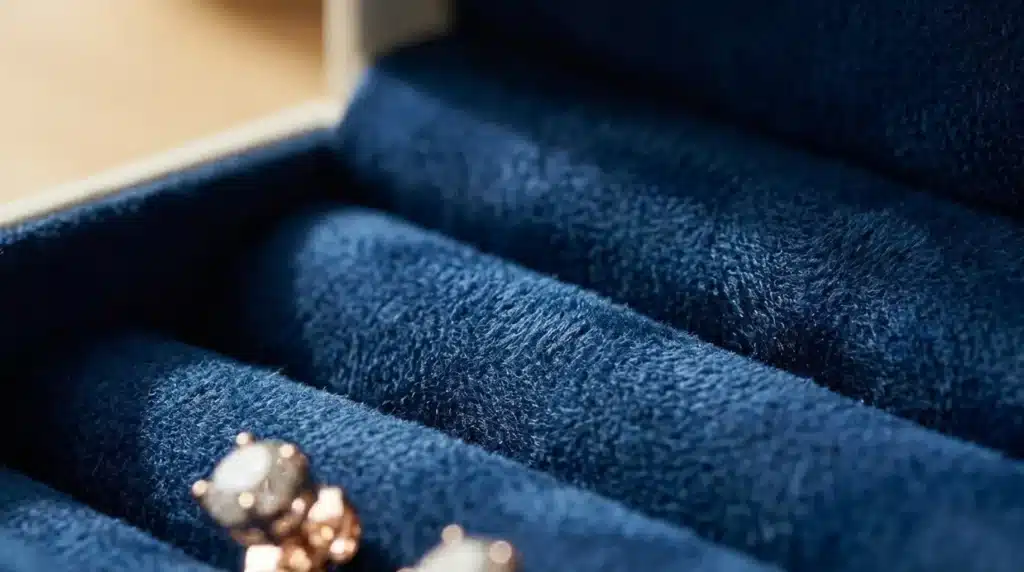
The choice of interior lining is equally critical for both product safety and brand storytelling. Velvet and satin remain the heritage standards for jewelry gift boxes, offering an immediate sense of opulence while providing low-friction surfaces that safeguard precious metals and stones from micro-abrasions. As sustainability becomes a core brand pillar, many companies are now transitioning to recycled fibers or organic cotton, which offer comparable protection and aesthetic richness with a significantly lower ecological footprint. For high-performance protection, custom-molded EVA (Ethylene Vinyl Acetate) foam and high-density foam inserts are widely utilized, particularly for multi-piece suites or uniquely shaped designs that require exact spatial support to prevent movement during international shipping.
The tactile experience of these materials dictates a consumer’s immediate judgment of brand quality. When a consumer handles a gift boxes with lids for presents, they are subconsciously evaluating the brand’s attention to detail; a soft-touch coating, for instance, provides a velvety, sophisticated hand-feel that significantly elevates the perceived luxury of the unboxing ritual. Conversely, rough or flimsy materials can instantly trigger a negative appraisal. Furthermore, material choice serves as a powerful medium for communicating brand values. Opting for recycled or biodegradable materials demonstrates a brand’s commitment to environmental stewardship, creating deep resonance with today’s conscious consumers. Ultimately, durability is a non-negotiable factor—high-quality materials ensure the box serves as a long-term storage vessel or decorative keepsake, maintaining the brand’s presence in the consumer’s home for years without deterioration or damage.
For B2B stakeholders—ranging from boutique retailers and e-commerce brands to global wholesalers—customization flexibility is a paramount strategic asset. The depth of available tailoring options directly dictates the packaging’s utility across diverse business models and marketing requirements. Essential customization levers include dimensional adaptability, which allows brands to curate bespoke vessels for specific jewelry silhouettes to eliminate the waste inherent in “one-size-fits-all” approaches. Furthermore, a comprehensive palette of material and color selections ensures the packaging remains in perfect lockstep with the brand’s visual identity. Advanced decorative finishes, such as hot foil stamping, precision embossing, silk-screening, and high-definition digital printing, empower brands to achieve a wide array of high-impact visual effects that resonate with their target demographics.
Minimum Order Quantities (MOQs) serve as a decisive factor in modern B2B procurement strategies. Traditionally, premium rigid box manufacturing required MOQs of 1,000 to 5,000 units, which often proved cost-prohibitive for boutique startups or limited-edition launches. However, agile manufacturers are increasingly lowering these barriers, with many now offering flexible MOQs starting at 500 to 1,000 units to support a broader spectrum of business growth. These providers typically utilize tiered pricing models where unit costs decrease substantially as order volume increases. For example, an initial small run may carry a higher unit price, whereas a bulk order of 1,000 units or more will see the price drop significantly. This logic of economies of scale reflects the amortization of fixed setup costs, such as custom printing plates and die-cut molds, across a larger production output, allowing brands to optimize their margins effectively.
Design engineering and the ability to access custom jewelry packaging with fast prototyping are also critical for professional buyers who need to validate aesthetics and functional fit before finalizing high-volume commitments. The ability to provide high-fidelity 3D designs, digital mockups, and physical pre-production samples accelerates the decision-making cycle while drastically mitigating the risk of manufacturing errors. For international enterprises, logistics flexibility—including split-shipment capabilities and seamless integration with third-party logistics (3PL) providers—is an essential operational consideration. Modern B2B buyers prioritize long-term partnerships that offer comprehensive support, such as inventory management assistance and technical design consulting. Richpack excels in delivering this strategic ecosystem, featuring agile MOQs, rapid 3-day prototyping, and global logistical frameworks, making us the premier choice for organizations seeking a reliable and flexible manufacturing partner.
Managing costs for bulk jewelry packaging is a complex yet vital endeavor for any scaling brand. Understanding the nuances of cost structures and how they shift with order volume is essential for making informed procurement decisions and optimizing profit margins. Generally, packaging costs are categorized into two primary streams: fixed costs and variable costs. Fixed costs—which encompass printing plate design, custom die-cut mold fabrication, and machine setup fees—remain constant regardless of the run size. Whether you are ordering 100 units or 10,000, these initial investments do not change. Variable costs, however, including substrates like paperboard, specialty inks, adhesives, and labor, increase in direct proportion to the production volume.
The impact of this cost structure on your bottom line is significant when viewed through the lens of amortization. For example, a $2,000 fixed setup cost translates to a $2.00 per-unit expense for an order of 1,000 units. In sharp contrast, that same setup on a 100-unit order drives the fixed cost component to a prohibitive $20.00 per unit. This disparity is precisely why high-volume orders are the industry standard for cost efficiency, even though they require more upfront capital and carry higher inventory risk. To navigate this, many sophisticated B2B buyers employ a tiered scaling strategy—committing to smaller initial runs to validate market demand before transitioning to high-volume orders once sales velocity is confirmed.
From a procurement perspective, several strategic levers can be pulled to contain costs. First, prioritize standardization and simplification; utilizing a single brand-aligned color or structural design across multiple product lines can drastically reduce overhead by eliminating the need for redundant plates and molds. Second, negotiate volume-based incentives. Most manufacturers are willing to offer price concessions in exchange for larger single-batch runs or recurring annual volume commitments. Third, foster long-term manufacturing partnerships. Manufacturers often provide preferred “contract pricing” to clients who offer consistent, predictable production schedules, as this improves operational efficiency for both parties.
Furthermore, integrating forecasting tools and inventory management software allows brands to strike an optimal balance between bulk-buy savings and the risk of overstocking. By aligning packaging procurement with accurate sales projections, enterprises can minimize waste and maximize cash flow. Leading manufacturers now offer inventory consulting and demand planning services to help buyers fine-tune these procurement cycles. Finally, it is critical to evaluate the “Total Cost of Ownership” (TCO). This comprehensive metric goes beyond the base unit price to include storage, handling, the risk of obsolescence, and the potentially devastating cost of returns caused by packaging failure. Ultimately, a slightly higher investment in a better-engineered, high-quality box often proves more economical than a “budget” alternative by mitigating the risks of product damage, customer refunds, and long-term brand erosion.
Richpack’s core strength lies in providing a true “one-stop” solution for jewelry packaging customization. We manage every phase of the process, from initial conceptualization to high-volume production and global distribution. Our deep design consultancy involves collaborating closely with brands to understand their unique identity, target demographics, and market positioning, then translating these insights into tangible packaging designs. This integrated approach allows brands to avoid the complexity of coordinating multiple vendors—designers, printers, manufacturers, and logistics providers—thereby reducing the risk of communication errors, delays, and budget overruns. For example, our packaging redesign for millennial consumers for EFFY involved extensive market research to implement 100% recycled paper and non-toxic vegetable inks without compromising a modern, bold aesthetic.
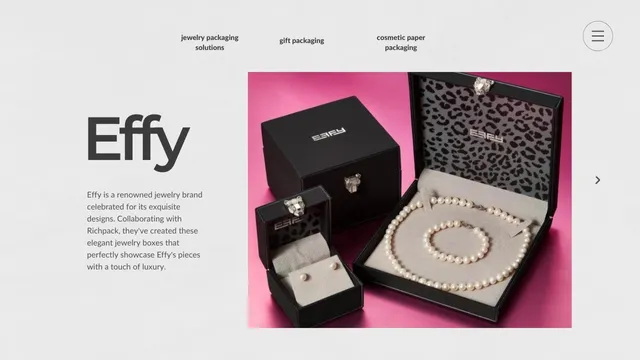
For jewelry brands with a global footprint, Richpack’s scalable manufacturing capabilities are a decisive advantage. These enterprises often face the challenge of managing orders across multiple regions with varying volumes and timelines while maintaining a cohesive brand image. Richpack is equipped to handle this complexity, supporting everything from small initial runs for market testing to massive wholesale production, all while ensuring consistent quality and lead times. Our global logistics network enables brands to procure from a single source and distribute products worldwide, drastically simplifying supply chain management. Global brands like Gorjana utilize this framework to order market-specific packaging for the U.S., Europe, and Asia from one manufacturer, ensuring core brand identity remains consistent across all versions.
In the luxury sector, quality is a fundamental requirement. Richpack has built its reputation on a rigorous Quality Control (QC) framework that ensures every lidded gift box with lids for presents meets exacting standards. This involves multi-layered inspections—from raw material screening to final assembly checks. Every stage—paperboard selection, printing precision, Pantone matching, and structural integrity—is meticulously supervised to detect and correct any deviations. This consistency is vital for jewelry brands; the Lumina case study highlights how we resolved a “color crisis” by investing in precise Pantone matching technology, ensuring perfect uniformity across 5,000 units. Furthermore, we ensure that the physical “hand-feel” and visual performance of the box align perfectly with the brand’s digital presence and retail environment.
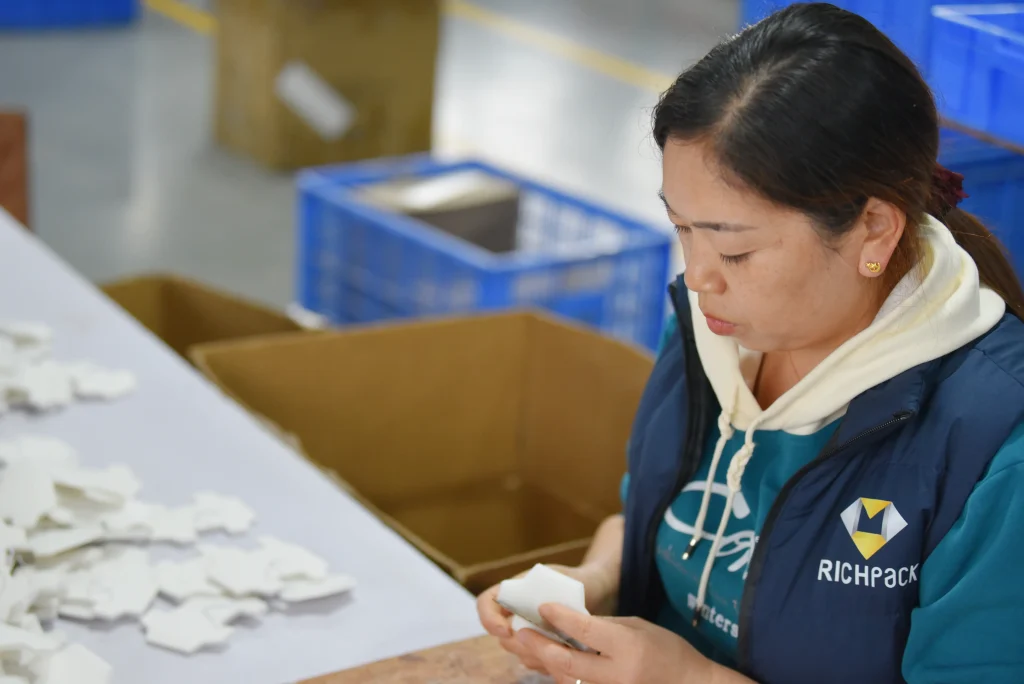
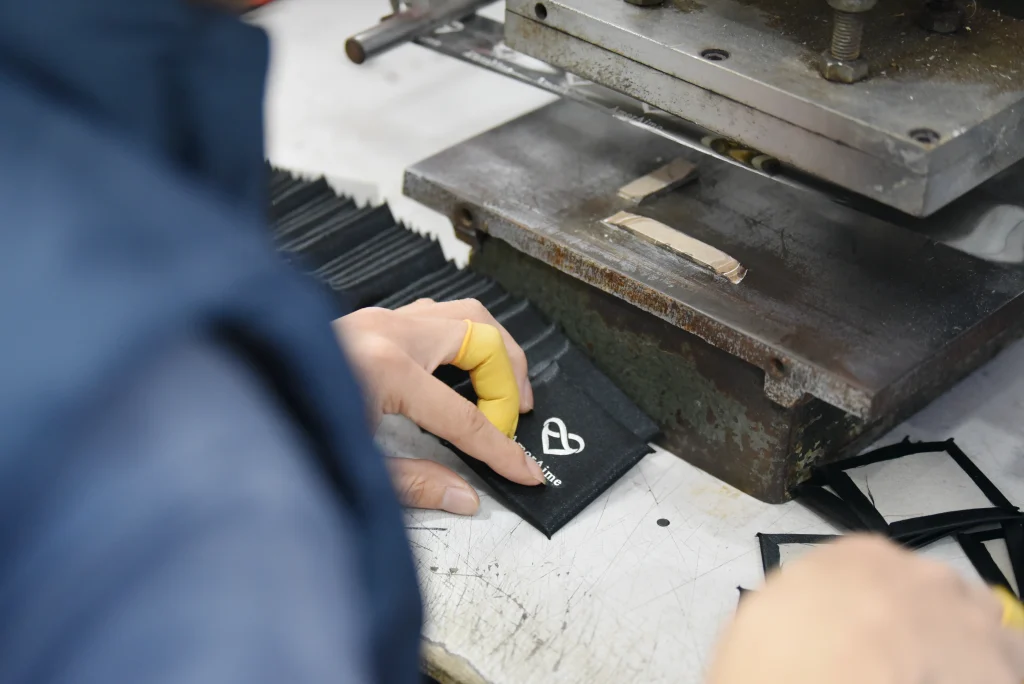
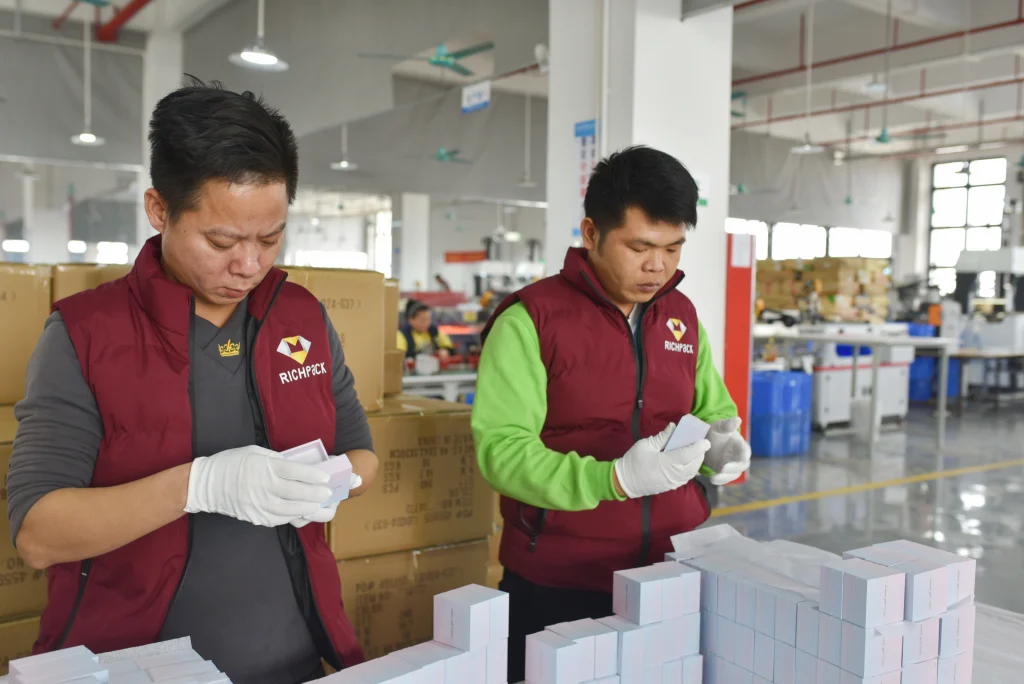
In an era of heightened environmental consciousness, Richpack’s leadership in sustainable packaging is a major differentiator. We don’t just offer eco-friendly materials; we integrate green practices into our entire operational workflow. This includes the use of 100% post-consumer recycled (PCR) paper, non-toxic soy-based inks, and biodegradable adhesives. Our work with brands like EFFY demonstrates that shifting to sustainable alternatives is not only better for the planet but also a smart business strategy. Research indicates that modern consumers, particularly younger buyers, actively support and will pay a premium for brands with clear environmental commitments. By clearly communicating these eco-friendly values on the packaging, brands can build deeper authenticity and trust with today’s conscious consumer.
The applications for lidded jewelry boxes span a vast range of commercial and personal use cases. In retail environments, lidded boxes are essential tools for attraction; a beautiful display box in a window creates an immediate atmosphere of luxury that draws foot traffic. Many retailers also use premium boxes as a “packaging upgrade” upsell strategy, where customers are willing to pay extra for a superior presentation for significant purchases. In the e-commerce sector, where shoppers cannot touch the product before buying, the “unboxing experience” becomes the first physical touchpoint. A well-engineered box creates a “surprise and delight” moment that drives positive reviews, word-of-mouth referrals, and organic social media content on platforms like Instagram and TikTok.
Lidded boxes are also critical for milestone occasions such as engagements, weddings, and anniversaries. These high-emotion events justify premium packaging that serves as a symbolic extension of the gift itself. Additionally, the corporate gifting market is growing; high-quality lidded boxes customized with corporate logos and colors transform jewelry into meaningful branded assets for employees and partners. Seasonal and holiday applications—such as limited editions for Valentine’s Day or Mother’s Day—often become collectibles for brand enthusiasts. Finally, the “second life” of a box should not be overlooked; consumers frequently repurpose high-quality brand boxes for personal storage or travel, ensuring the brand maintains a permanent, functional presence in their daily lives.
Choosing the gift boxes with lids for presents is a critical step in building emotional resonance with your customers and a key driver for elevating brand value. These ten gift box styles for 2026—ranging from classic two-piece designs to innovative magnetic and modular structures, and from sustainable materials to high-end luxury finishes—offer an optimal solution for any brand positioning.
Selecting packaging is essentially about balancing aesthetics with utility and cost with quality. Finding a reliable partner is more than half the battle. Richpack specializes in custom jewelry packaging, providing one-stop services from design consulting and material selection to quality control and logistics. Whether you require small-batch limited editions or large-scale production orders, we precisely match your specific demands.
A superior gift box must transcend its functional role to communicate brand identity, provide uncompromising protection, and curate an unforgettable unboxing experience. The ideal execution consists of a high-density rigid exterior, bespoke interior inserts (such as precision-cut foam or premium velvet) to secure the piece, and prominent brand elements like a high-fidelity logo or signature typography. To further elevate the experience, many successful brands include optional “brand touchpoints” inside, such as high-stock thank-you cards, authenticity certificates, or product care instructions.
Jewelry gift boxes come in a diverse array of silhouettes, each serving specific branding and functional needs. These include the classic rigid two-piece (lid and base), contemporary magnetic closures, drawer-style (slide-out) boxes, traditional flip-tops, and avant-garde round or geometric designs. For entry-level or eco-focused lines, high-quality folding or recycled cardboard boxes are popular, while modular and multi-functional designs cater to collectors and high-value jewelry sets.
The “Four-Gift Rule” is a popular consumer gifting framework designed to bring intentionality to the gifting process. It suggests providing four items across distinct categories: something they Want (wishlist items), something they Need (utility), something to Wear (clothing or accessories—where jewelry often fits), and something to Read (books). While originally developed for children’s holiday gifts, many adults have adopted this rule to balance tangible and intangible value, manage holiday spending, and move away from over-consumption.
Absolutely. Packaging is a primary driver of purchase intent and brand loyalty. Market research confirms that 72% of consumers admit packaging design directly influences their perception of a brand, and 40% are willing to pay a premium for products presented in high-end packaging. For emotionally driven categories like jewelry, a well-engineered gift box does more than protect the product; it elevates the perceived value and creates a lasting memory, which translates directly into higher conversion rates and long-term customer retention.
The secondary market for empty Tiffany boxes is a powerful testament to the value of brand equity. Collectors often purchase them to complete brand sets or to house non-branded jewelry in an iconic vessel. Some consumers seek the boxes for their sheer aesthetic value or as decorative keepsakes. However, a significant portion of this demand comes from sellers looking to increase the perceived value of non-Tiffany items on resale platforms. This phenomenon proves that a perfectly designed, branded box can become as desirable as the luxury product it was intended to protect.


2025-06-16

2025-05-19
2024-12-27
Your product is premium, but your generic packaging is silently killing its perceived value. The three seconds a customer spends touching your box is the most critical brand moment you have. Custom gift boxes bulk aren’t just a logistical cost; they are a fundamental marketing and retention tool. For marketing directors and e-commerce owners, creating the… Continue reading 2026 Top 10 Gift Boxes with Lids for Presents and How to Choose Them
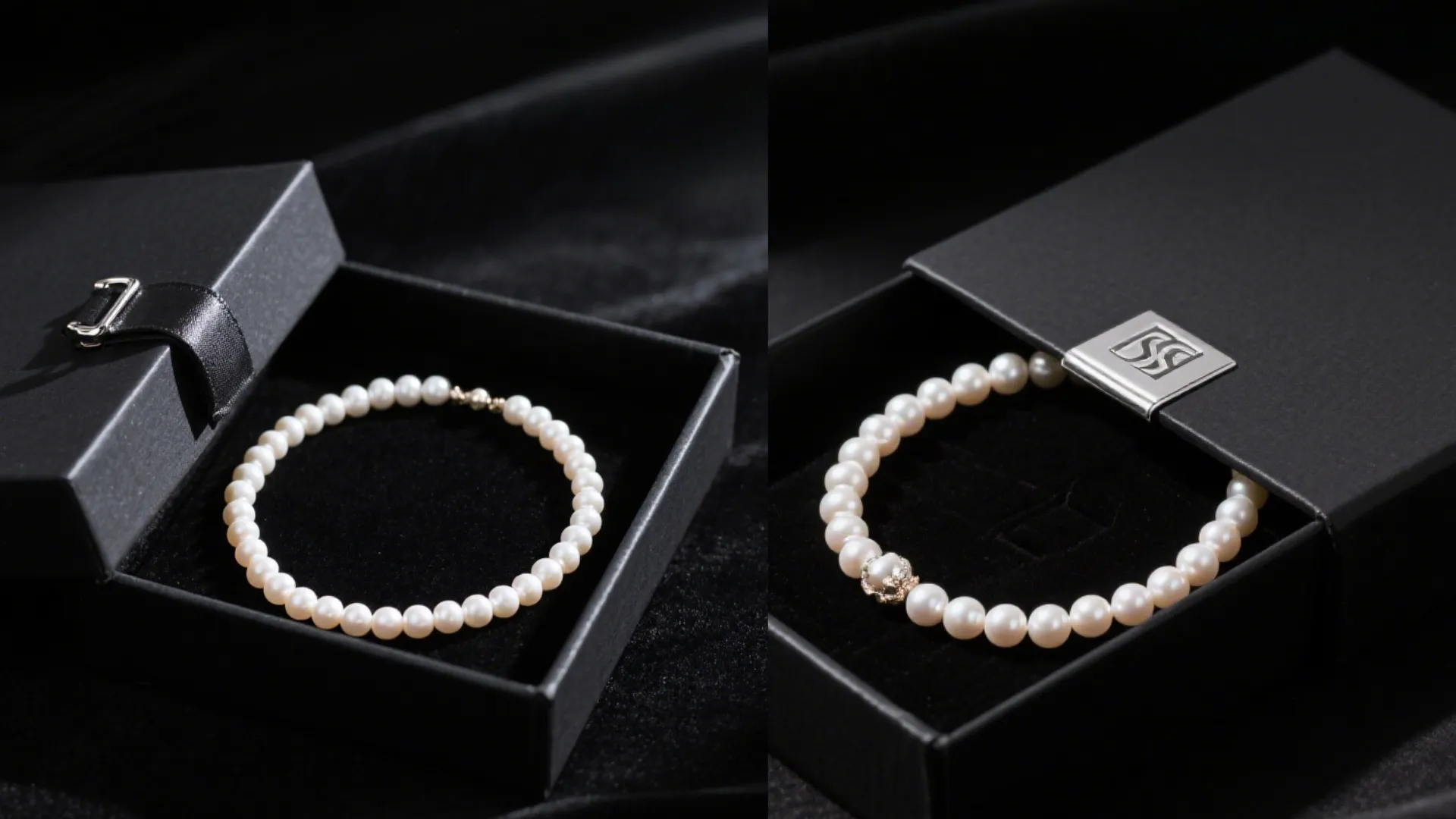
Lid & base or drawer boxes, which one is better? The answer depends on your brand positioning: Two-piece boxes excel for cost-effective, large-scale production and classic elegance, while drawer boxes offer superior unboxing experience and premium presentation. Luxury brands typically choose drawer boxes for their ceremonial appeal, while volume-focused retailers prefer lid-and-base boxes for efficiency. As a company who… Continue reading 2026 Top 10 Gift Boxes with Lids for Presents and How to Choose Them
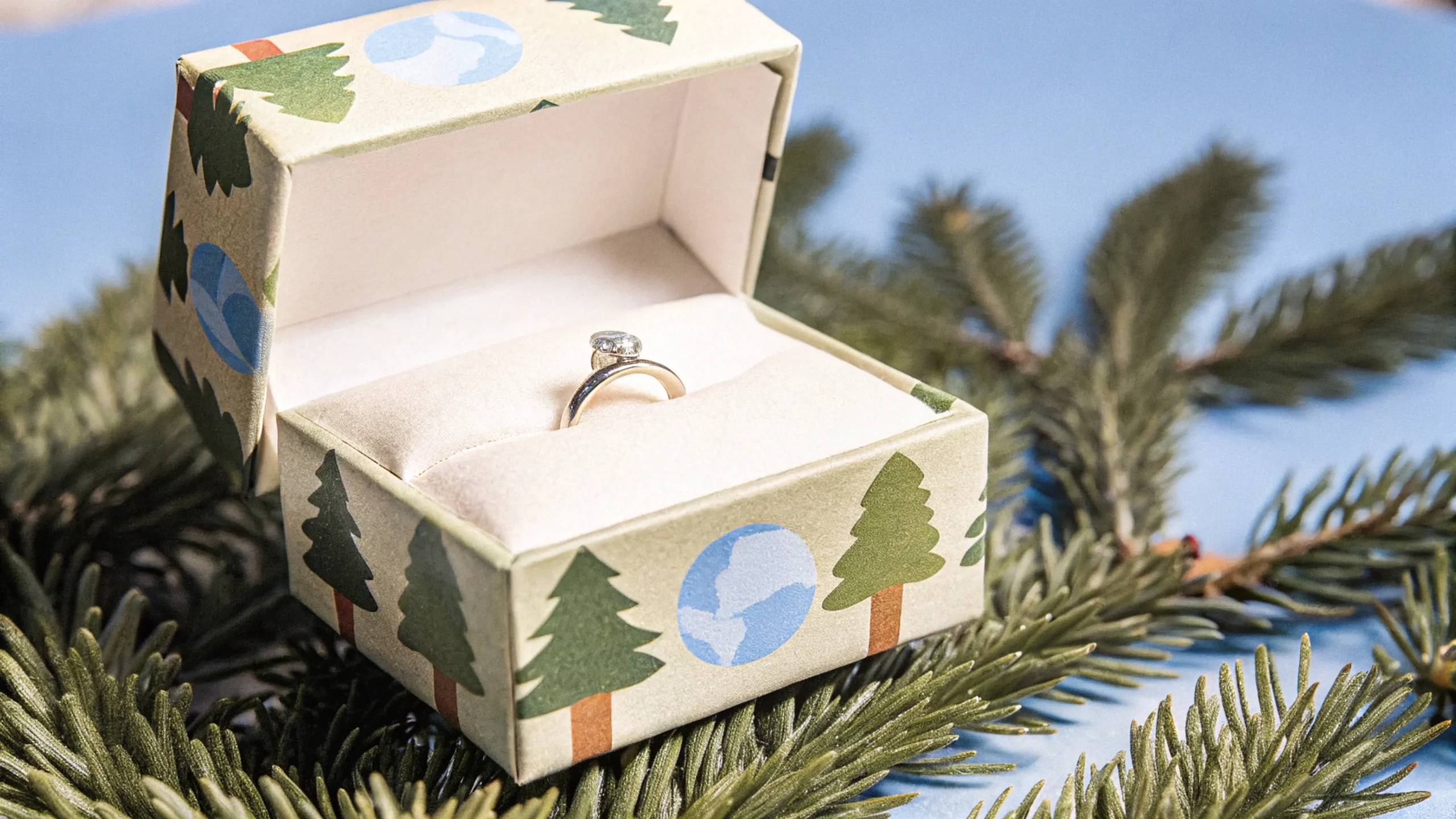
Hey there! Let me tell you, my jewellery collection is like a little treasure trove, and my jewellery boxes? If your jewellery holds memories as precious as the pieces themselves, then your jewellery box should be just as special. They’re the unsung heroes! Each box holds so many memories, from that first – date necklace to the… Continue reading 2026 Top 10 Gift Boxes with Lids for Presents and How to Choose Them
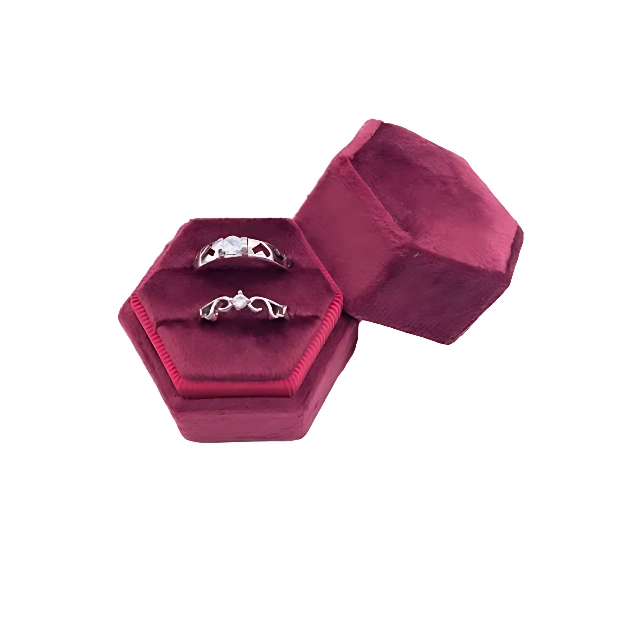
Versatile Ring Gift Boxes for Retail and Wholesale | Velvet, Plastic, and Customizable Designs for Luxurious Presentations Purple Ring Box and Other Colors
Woven Gift Boxes – Fine woven gift boxes with exquisite craftsmanship & unique textures
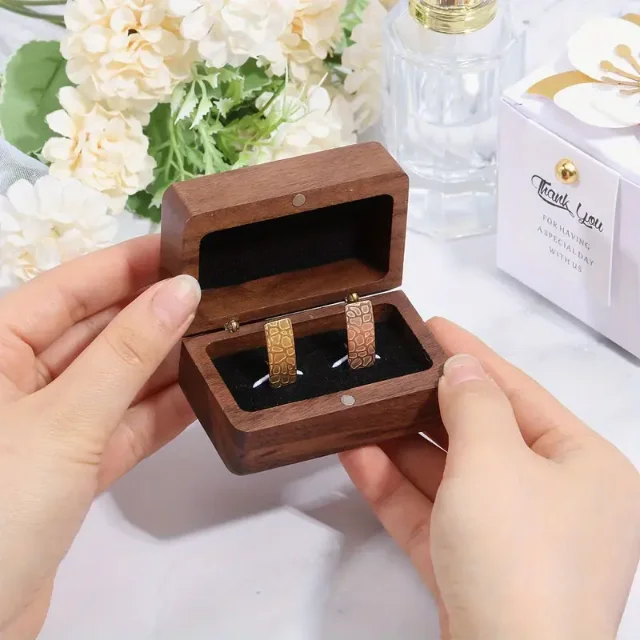
Sustainable Handcrafted Wooden Boxes with Magnetic Lid for Artisanal Products | Ideal for Premium Brands Seeking Distinctive and Eco-Friendly Packaging Solution
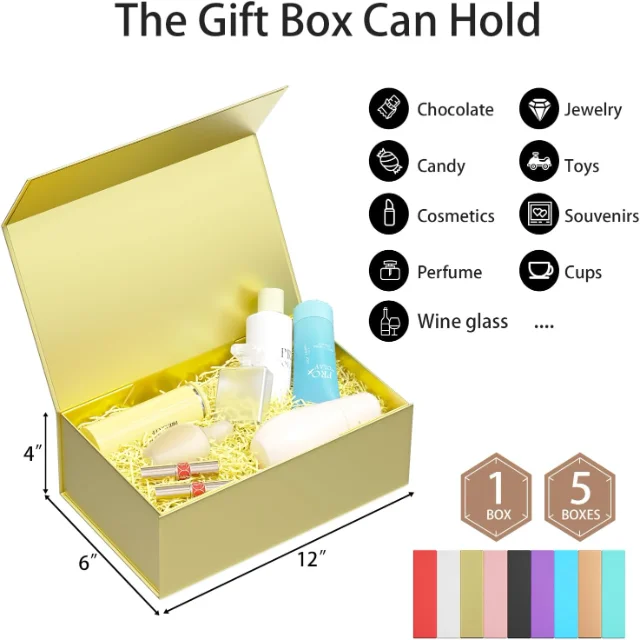
Custom Gold Gift Boxes with Lids | Gold Boxes for Gift with Magnetic Closure, Collapsible Design, and Customizable Coatings
View More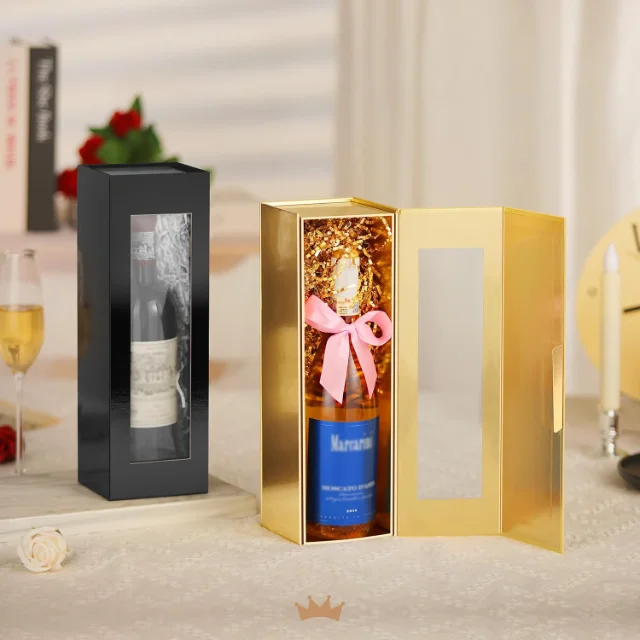
Luxury Champagne Gift Boxes with Windows | Large Champagne Gift Box with Magnetic Lids for Retailers, Events, and Corporate Gifting
View More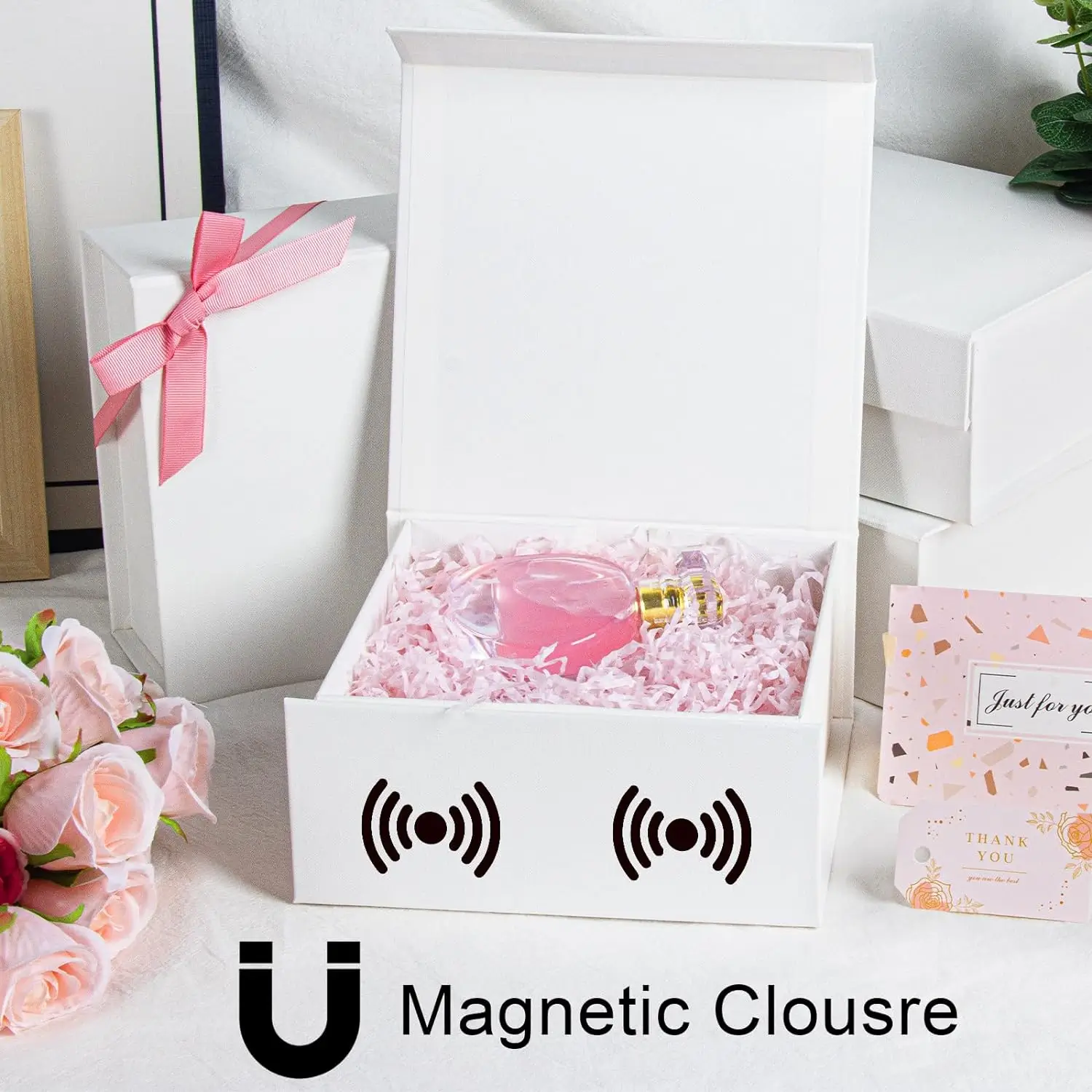
Richpack Large Gift Boxes for Presents | Extra Large Gift Boxes with Lids for Big and Jumbo Gifts Customizable Sizes
View More
Just submit your email to get exclusive offers (reply within 12 hours)


