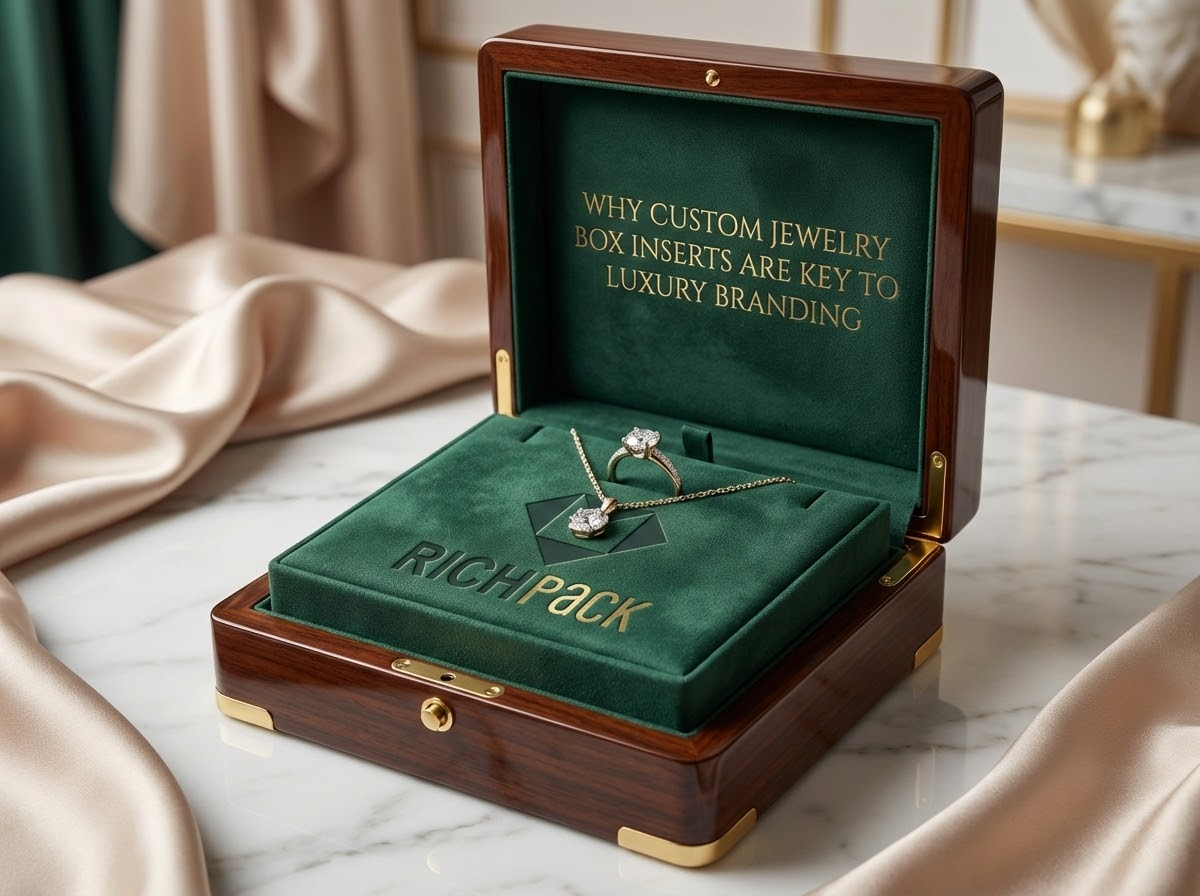


Imagine your customer finally gets their jewelry order. The outer box looks great. Then they open the lid. The necklace slides around in cheap foam—scratched, tangled, and underwhelming.
This isn’t just a bad box. I call this a brand failure.
UPS says 40% of people post unboxing videos for high-end packaging. I’ve found that 60% of buyers never return after one bad experience. In the luxury world, every detail shows value. Your box insert is really your silent salesperson.
Jewelry inserts are now vital tools for telling your story. They turn a simple sale into a real memory. I’ll show you how smart design protects pieces and builds your name. This creates shareable moments that turn buyers into fans.
You will soon see why top brands spend so much on custom inserts. This part of the box is often not widely known. I’ll help you use it to make your brand feel luxurious.
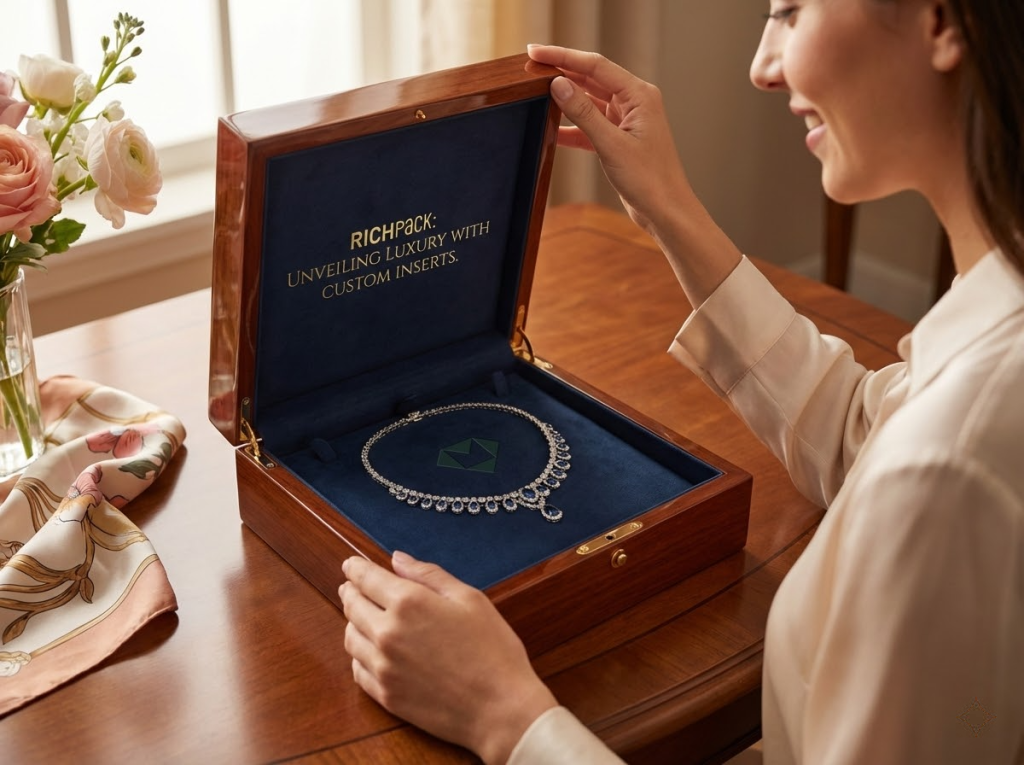
I often see brands treat inserts like an afterthought. They just want to stop jewelry from rattling. But top luxury brands see them as a key asset. Think of your insert as your brand’s first physical handshake. Every design choice then becomes a smart investment. This pays off long after the customer opens the box.
Look at how Tiffany & Co. handles their iconic blue box. The magic doesn’t stop at the blue exterior. You open the lid and see white satin inserts. These aren’t just random pads. They are part of a planned luxury show. This is intentional design at its best.
Custom inserts keep your pieces safe and neat. But their real value goes much deeper than that. Your insert sends three clear messages at once. It says you care about the small details. It tells the customer their piece is special. Finally, it proves you are a high-end brand.
I’ve learned that packaging is an emotional journey. People feel something before they even touch the jewelry. Every layer builds excitement for the reveal. A custom velvet insert doesn’t just hold a ring. It shows off your brand’s style immediately.
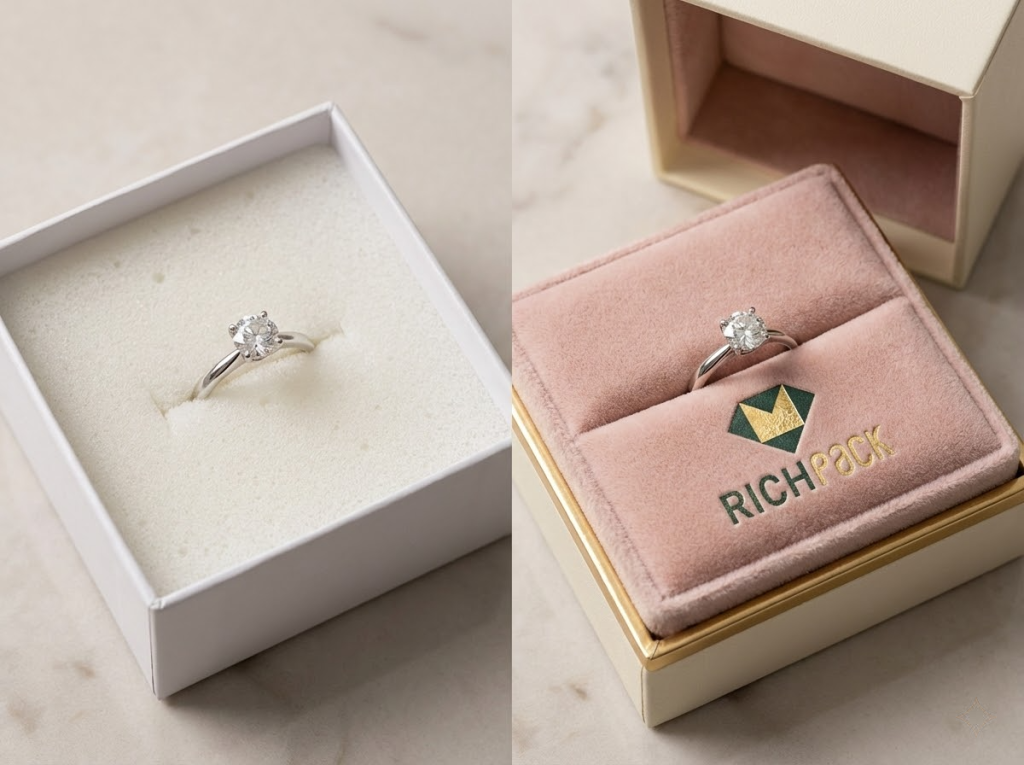
Data shows people pay 18% more for premium packaging. In our world, perceived value drives every sale. High-quality inserts help you justify higher prices. A cheap foam insert makes a necklace look like a discount item. Put that same piece in branded suede to make it a luxury investment.
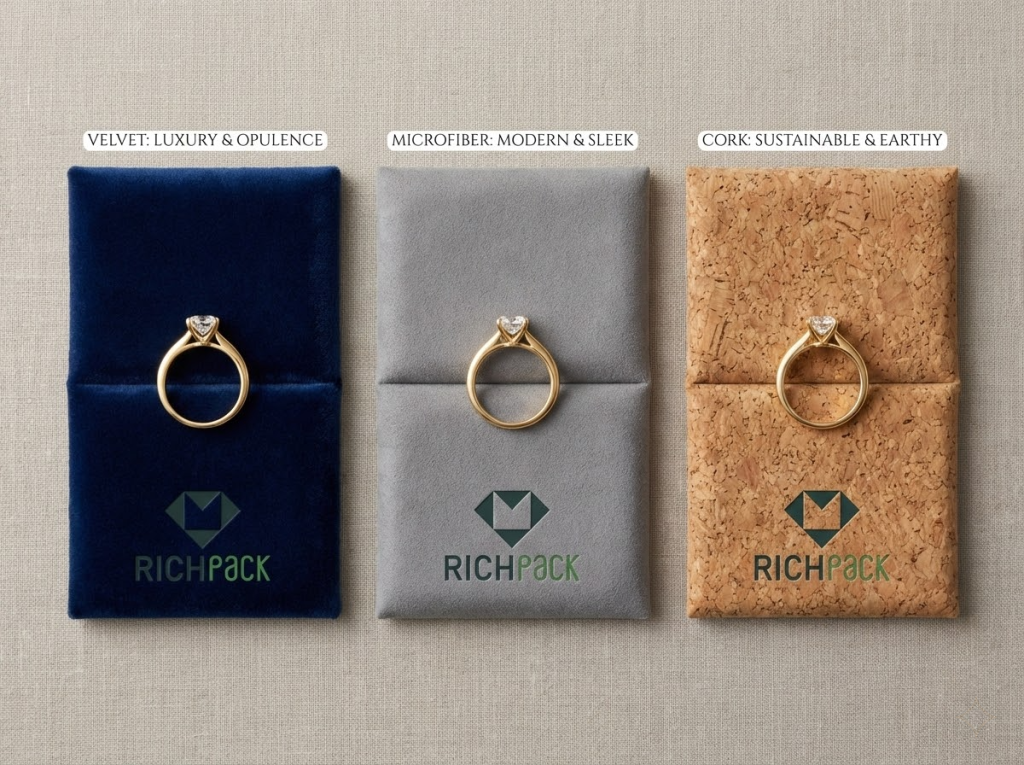
Your choice of material tells a specific story. Velvet feels classic and rich. Microfiber looks modern and sleek. Using cork or linen shows you care about the planet. These choices place you in the market before anyone reads your copy.
Luxury is about how things feel, not just facts. Customers often spend more on products in heavy boxes. They link weight with a high value. I use this “weight equals value” rule in every insert design. It works every time.
Think about what you pay to get one new customer. You might spend USD 150 on ads alone. A custom insert costs only a few dollars. If it brings customers back, the math is easy. Good design is your best tool for growth.
Imagine a client buys an expensive ring online. They feel nervous about buying sight unseen. The package arrives in a cheap mailer with foam. That doesn’t feel great. Now, imagine a ribbon-tied box with a custom insert. That customer will leave a five-star review and share it online.
Research shows that half of buyers prefer brands with premium packaging. For online shops, you have a few physical touchpoints. The unboxing is your only chance to make a real connection. Make sure that moment counts for your brand.
The jewelry market is very crowded today. Many brands promise high quality and unique designs. But few brands make you feel something special. You need to stand out from the noise. I help my clients do exactly that.
Great unboxing experiences build real loyalty. Good inserts hit many senses at once. You see the colors and feel the soft suede. You even hear the “click” of a magnetic lid. These small details create a memory for the buyer.
I always focus on these multi-sensory steps. Think about the sound of a box snapping shut. Or the feel of a silk ribbon pull. Adding a small ribbon tab or gold branding makes a big difference. These details set your brand apart from others.
Customers often say a good box “feels expensive.” They notice when you pay attention to the details. They might even keep the box forever. This emotional win happens because of smart design choices. I see this happen with my clients every day.
Better design also leads to more social media posts. Unique packaging gets filmed and shared for free. Branded inserts are like free ads for your shop. Plain black foam won’t get you any views. A rose gold velvet insert with gold foil will.
Shipping damage costs jewelry brands millions every year. This hurts your profits and your reputation. You don’t need more foam to fix this. You need better engineering for your inserts. I’ve spent years perfecting this.
Shipping fragile items can be very stressful. My custom inserts lock every piece in place. This stops jewelry from moving during the trip. A pricey bracelet stays safe in a custom channel. It looks elegant and stays protected.
Science helps us keep things safe. Hard foam protects well, but looks a bit ugly. I solve this by wrapping the foam in velvet or satin. You get the strength you need with a luxury look. Custom fits keep everything secure and beautiful.
Think about the cost of insurance. High-value brands lose a lot if items arrive broken. Custom inserts with anti-tarnish layers cut these claims down. One client cut shipping damage by 73% after switching to my designs. That is real money saved.
Protection matters in the store, too. Good inserts keep your displays neat. They stop necklaces from tangling. They ensure the jewelry looks perfect for the big reveal. These inserts work hard at every stage of the sale.
Today’s buyers want to be eco-friendly. Most people prefer brands that use green packaging. Many will even pay more for it. This is a huge chance for your brand to lead. I recommend moving toward green options now.
You can stand out by using green materials. I use FSC-certified paper or organic cotton. Recycled velvet is another great choice. You can be ethical and still feel very high-end. This is the future of luxury jewelry.
New materials solve many problems at once. Cork is natural and looks great. Mushroom-based foam protects just like plastic. You can even use recycled ocean plastic for a suede feel. These options tell a great story to your buyers.
You don’t have to give up luxury to be green. Sustainable design can still look stunning. I often mix recycled card with gold foil stamps. This mix defines what modern luxury looks like now. It shows you care about the world and your craft.
I believe insert design makes your brand strategy real. Every choice you make impacts how customers see your brand. Color and texture either build or break trust instantly. I use these steps to help you choose with purpose.
Color is a tool, not just a decoration. Think about how Cartier uses red to build their image. Your choice of insert color can strengthen or weaken your brand.
Different shades spark different feelings in people. Deep jewel tones like emerald signal classic luxury. Soft grays or creams suggest a modern, simple style. Bright colors show a bold, new edge.
My data for 2026 shows a shift in trends. The Maillard look is the new traffic code for sales. It uses warm browns and oranges with gold accents. This palette feels romantic and lasts a long time.
You should also think about color contrast. A black insert with rose gold looks very dramatic. I like using tonal layers for a subtle feel. You want people to recognize your brand instantly.
Matching your colors exactly is vital for a professional look. Your insert must match your whole brand palette. This small detail helps customers remember you better.
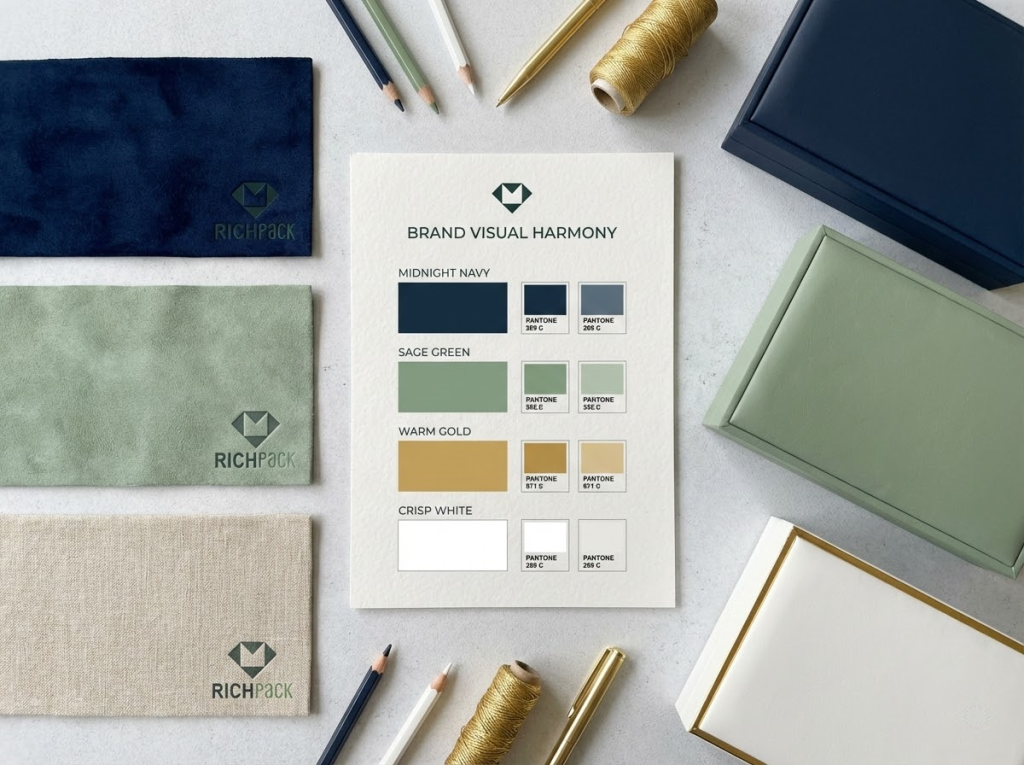
Bad branding ruins a luxury insert very fast. Don’t make your logo scream at the customer. I find that a quiet, elegant look works best.
You can use foil stamping or embossing for a high-end feel. Gold foil on navy velvet always looks great. The metal shine catches the light and signals quality.
Blind embossing is an even more subtle choice. Your logo sits in the material without any ink. This tells the customer your brand is confident. I see a shift toward Radical Minimalism right now.
Your font choice matters a lot, too. Serif fonts feel like they have a long history. Sans-serif fonts feel very modern and clean. Script fonts work for romance but can look old.
Keep your logo small, usually one to two inches. You can put it in the center or a corner. The right spot highlights the jewelry, not the box.
Basic shapes don’t show off jewelry well. Custom cuts turn a simple pad into a stage. They make your products look much more expensive.
Good cuts hold rings upright to show every detail. For necklaces, I use channels to stop chains from tangling. Earring holes must be the exact right size. This keeps the pieces safe and looking great.
I love using multi-level inserts for a wow factor. One layer can lift to reveal a hidden spot. This makes unboxing feel like a special show. It creates a memory for your customer.
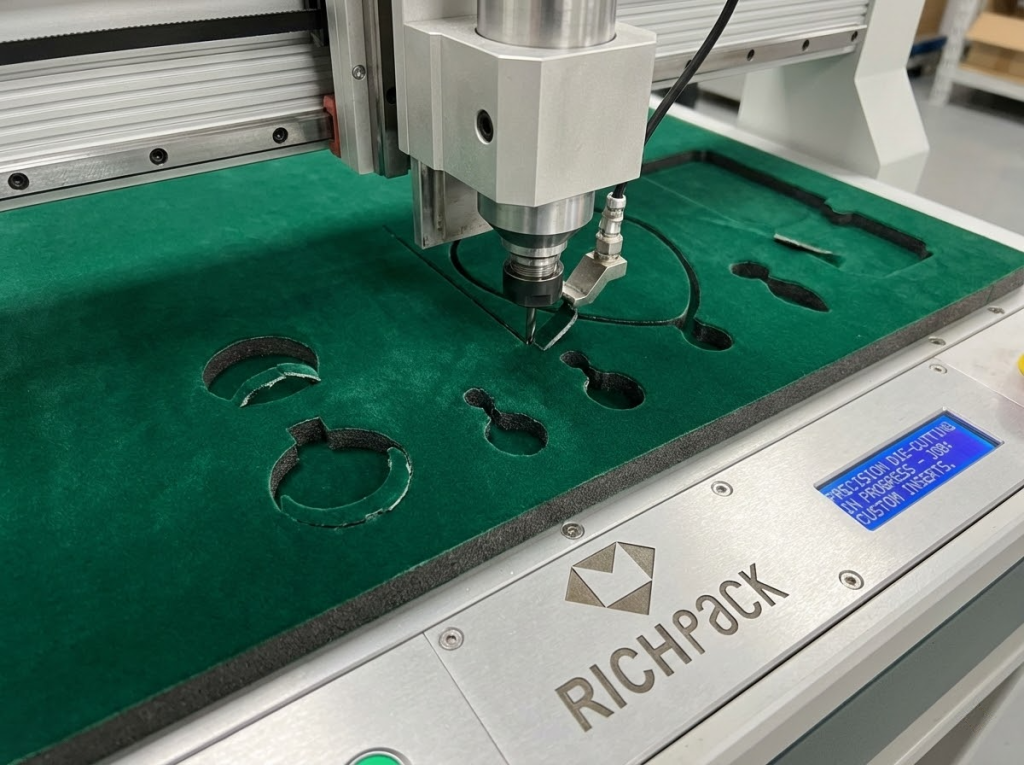
Modern machines allow for very precise designs. You can cut complex patterns that were once impossible. I’ve seen watch brands use laser cuts for great effect. It adds a layer of depth.
Don’t forget the small functional parts. Add ribbon tabs or finger notches for easy use. These small touches separate good boxes from great ones.
Touch is a very powerful sense for buyers. Texture tells a story before the customer even thinks. It sets the value in their mind instantly.
Glossy finishes feel modern, while matte feels more handmade. Soft-touch materials always feel very inviting to me. I start by picking the right base material. Velvet feels classic, but microfiber feels sleek.
I recommend layering textures to add more depth. Try a matte base with a glossy panel. Mixing recycled card with shiny inserts is a big trend. It makes the package feel more premium.
Surface patterns can also add a luxury feel. Quilted patterns remind people of high-end bags. Ribbed textures give a better grip and look. Flocked surfaces stay in a customer’s mind.
The psychology here is very strong. People feel quality through weight and texture. They don’t analyze it, they just feel it. Your insert creates a subconscious value for them.
Using the same box all year is a mistake. I suggest changing your inserts for different seasons. This keeps your brand feeling fresh and new.
Holiday sets really benefit from these small changes. Use red or pink for Valentine’s Day gifts. Deep green and gold work well for winter. These limited runs help you sell more.
My research shows that personalization is growing fast. You can add initials or dates to your inserts. This builds a deep bond with your customer. It makes the gift feel truly unique.
Limited editions create a sense of hurry. People want to buy before the items are gone. These special boxes often end up on social media. That is free marketing for you.
Always keep your core brand look the same. New colors should still feel like they fit. Use the same quality but add a new twist. This rewards your loyal fans with something new.
Jewelry pieces have different needs. Your inserts should reflect that. A ring needs different cushioning than a long necklace. I always match the material to the jewelry type. This keeps your brand looking consistent. It also blends protection with true luxury.
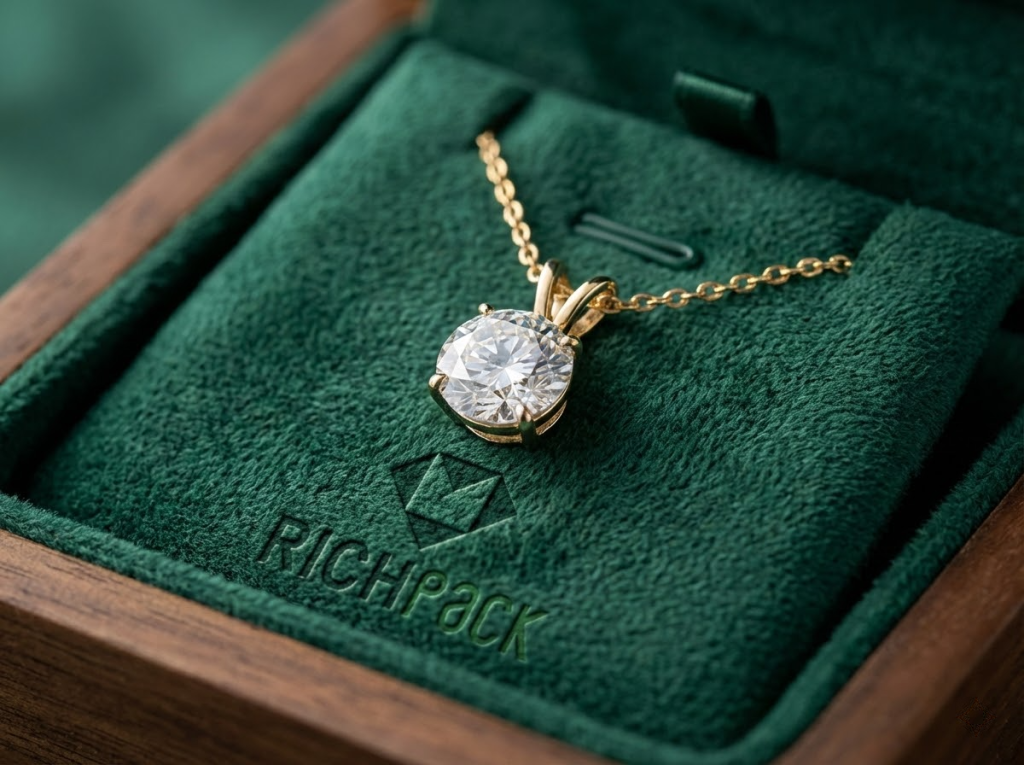
Velvet is still my top choice for fine jewelry. Its thick pile looks rich. It protects metals and stones from scratches.
I use acid-free velvet for high-end necklaces. This keeps the metal safe. But you must pick the right pile. Short-pile velvet looks sleek and modern. Long-pile is plush but might shed fibers.
Color choice changes everything. Deep tones like navy make diamonds pop. Light tones like champagne work well with colored gems. Black is classic but shows dust easily.
Suede is a great modern alternative. Your customers will love its soft feel. I prefer faux suede for better durability. It resists stains and keeps a steady color.
Try mixing materials for a custom look. Use a velvet base with suede panels. This adds texture and visual interest. It works perfectly for younger, trendy shoppers.
Online brands face a tough challenge. Pieces must survive rough shipping. Yet the unboxing must still feel premium. I use high-performance foam wrapped in fabric.
Precision die-cut inserts keep items secure. The foam core absorbs shocks. The fabric wrap keeps the luxury feel. This works best for courier handling.
EVA foam is my go-to choice. It cushions better than standard foam. It is light and very durable. I recommend high-density foam for valuable pieces.
How you wrap the foam matters. Glued wraps can look messy at the corners. Heat-sealed edges look much cleaner. Pull-over wraps look the best but cost more.
Eco-friendly foams are now hitting the market. Mushroom-based foam is a great choice. It protects like plastic but is compostable. Plant-based foams also offer good performance.
Don’t forget anti-tarnish treatments for silver. Raw foam can cause silver to tarnish fast. I wrap foam in treated fabrics. This keeps silver looking new for longer.
Luxury now means being responsible. Many clients will pay more for ethical packaging. Sustainable choices show your brand cares. This builds deep trust with buyers.
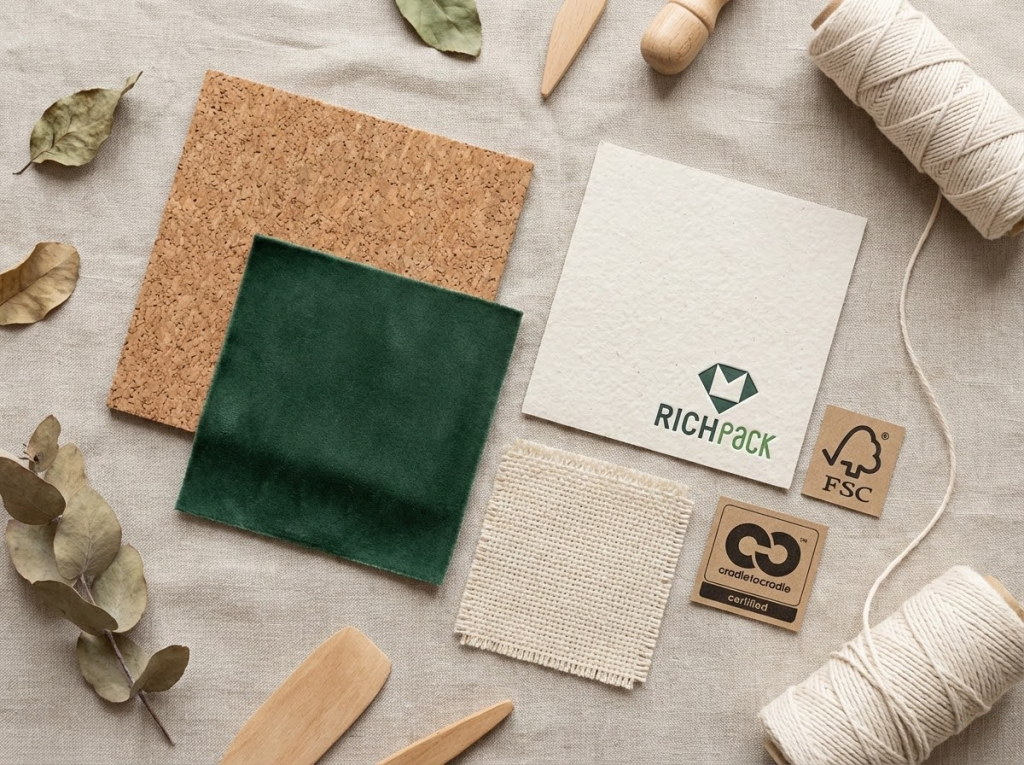
Cork is a fantastic material. It resists water and germs naturally. It comes from tree bark without harming the tree. The texture feels warm and organic.
I see organic elegance as a huge trend for 2026. I combine recycled boxes with refined details. This proves ethical brands can still look premium. Try cork with recycled linen.
Bamboo is another great green option. It grows fast without any chemicals. You can turn it into soft fabrics or hard bases. Always check that your source is ethical.
Recycled materials add real proof to your claims. I use velvet made from plastic bottles. You can also use cotton from fabric waste. Look for FSC labels to verify your sources.
Design your eco-packaging with style. Sustainable items should never look dull. Use laser-cut logos on cork. Use bamboo silk in modern colors.
Gift packaging needs a special touch. Satin and silk show romance and class. They make any unboxing feel like a celebration.
Satin ribbons add a lovely shine. This material reflects light beautifully. It looks amazing in social media photos. It is perfect for bridal or milestone gifts.
Real silk is the peak of luxury. But it can be hard to maintain. It shows water spots and skin oils. I often suggest high-quality polyester satin instead.
Pick colors that match the mood. Ivory and blush work for weddings. Dark green or burgundy suit holiday gifts. Metallic tones add a modern flash.
Layer your materials for more depth. Use a matte base with a satin ribbon. This contrast raises the perceived value. It catches the eye immediately.
Custom embroidery works for ultra-luxury brands. Imagine a bride seeing her new initials on silk. This turns a box into a keepsake. It creates a lasting memory.
Jewelry sets need smart engineering. You must show each piece clearly. They must also stay safe from touching each other.
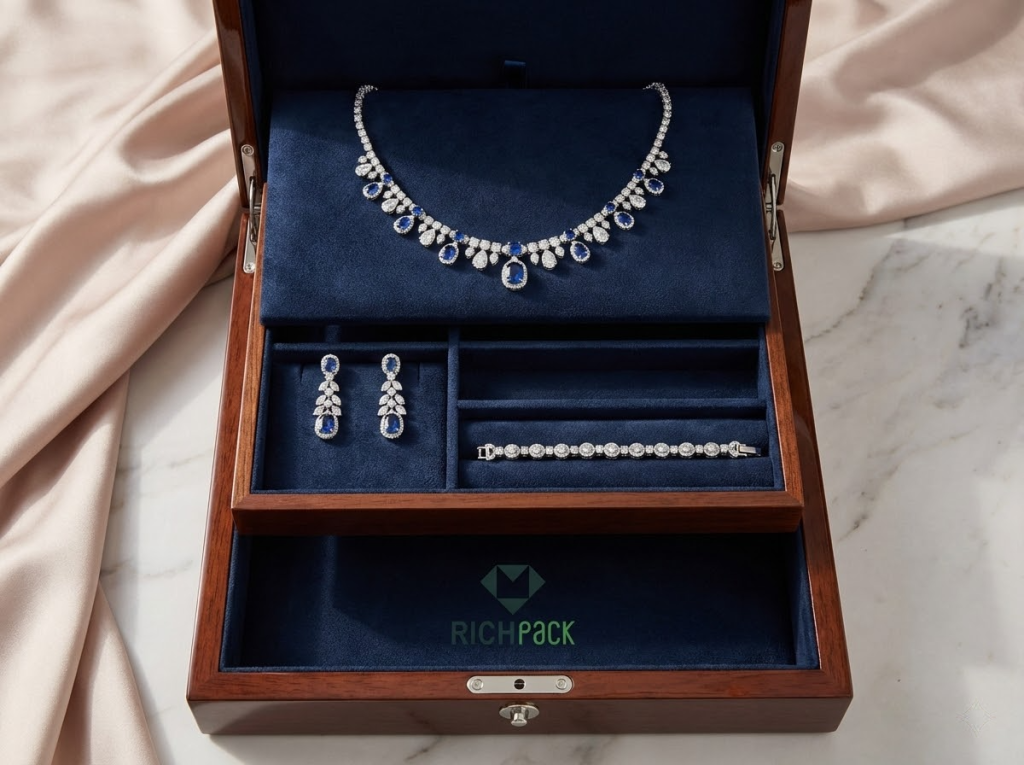
I use multi-tiered inserts for sets. Put the necklace on top. Place earrings and bracelets below. This creates a dramatic reveal for the buyer.
Mixing materials serves two goals. Use velvet for soft cushioning. Use rigid walls for structure. Satin tabs help users lift pieces out.
Modular systems give you more options. You can move dividers to fit different sets. This saves money on inventory. Your presentation stays high-end and consistent.
Good engineering prevents all contact damage. Silver pieces must stay apart to avoid scratches. Chains should never tangle. I use foam for protection and velvet for style.
Even the best design fails without good execution. I’ve seen brands lose money because they didn’t watch the factory floor. You need to know about dies and glue. This helps you catch problems early. It also helps you build a strong supplier relationship.
Quality starts with how you cut the material. Never use generic scissors for foam. It looks cheap and unprofessional. I always recommend professional die-cutting for crisp edges.
Digital systems like CNC plotters handle complex shapes best. Manual cutting cannot match this level of detail. Tight tolerances keep your jewelry secure. A gap of just 0.5mm can make a ring look sloppy.
Multi-layer inserts are tricky to cut. You are often bonding foam, fabric, and cardboard. Clean cuts require the right blade speed and pressure. This prevents the layers from peeling apart.
You must check for dimensional accuracy. Look for clean edges without any frayed fabric. Most shops accept a 1mm margin of error. High-end brands usually demand 0.5mm precision.
A beautiful insert is useless if the fabric peels off. Glue quality is what separates pros from amateurs. I have tested many bonding methods over the years.
You can use spray glue or heat-lamination. Sprays are flexible but can turn yellow. Heat creates a permanent bond for some materials. Always match your adhesive to your specific fabric.
You should test your inserts for real-world use. Open and close them at least 50 times. I also suggest testing them in high humidity. This predicts how they will hold up over time.
Custom inserts provide a luxury look and great protection. But these benefits vanish if the glue fails. Ask your factory for their durability test data. Experienced makers know which glues work with velvet or suede.
Your brand looks weak if the colors change between orders. Your signature red must stay the same every month. I find that textile dyes are often hard to control.
Natural fibers like silk take dye differently from polyester. Lighting also changes how we see color. A box might look different under LED lights.
Good factories keep a library of physical swatches. They use tools to measure color values exactly. But you should still use your eyes for the final check. Machines and humans see things differently.
Always ask for a pre-production sample. Once you approve it, that piece becomes the gold standard. For big orders, check samples from the middle of the run.
The weather can actually change your colors. Humidity and heat during the dying process matter. Top manufacturers use climate-controlled rooms to stay consistent.
Silver turns black when it touches sulfur. Many cheap foams and papers contain these harmful chemicals. This leads to unhappy customers and many returns.
You should use materials with built-in silver protection. Some fabrics can neutralize tarnish-causing gases. I also suggest using moisture-absorbing packets in your shipping boxes.
Testing for tarnish is quite simple. Place silver on the material for 30 days in a sealed bag. If it stays bright, the material is safe. Ask your supplier for proof of these tests.
Check every component of your packaging. Glues and dyes can also cause silver to tarnish. Even the cardboard spacers might be a risk. A full strategy covers every single layer.
Anti-tarnish inserts cost more but save you money. They reduce complaints and protect your reputation. You can even use this as a selling point for your brand.
Factories have high setup costs for custom work. They need to buy materials and set up machines. This is why they require minimum order quantities.
Simple foam inserts might start at 500 pieces. Complex designs often require 5,000 units or more. This is tough for new or small brands.
You can manage these costs by choosing simpler designs. Try using the factory’s existing cutting tools. Digital cutting is another great way to avoid high setup fees.
Some makers offer “soft” tools for testing. These cost less but do not last as long. You can also buy standard shapes with custom colors. This keeps your brand looking good without the high cost.
Always plan for your future growth. Your current maker must be able to handle larger orders later. Check their total capacity before you sign a contract.
Your insert lives inside a system. It does not stand alone. I hate seeing an inserted color clash with the box lid. This breaks the luxury feeling for your client. I help brands build systems that work together. This makes you look premium to everyone.
Your insert is one part of a whole set. Matching your parts makes your brand look professional. I see this builds trust fast.
Color is your base. I choose colors that match or pop against the box. A matching set looks clean and calm. A navy box with a copper insert looks great in photos.
I put brand colors on the insert or the lining. This helps customers know your brand at a glance. They will remember your colors later.
Texture matters too. I pair shiny boxes with soft matte inserts. This feels good in the hand. I also like matte boxes with silk inserts. Just make sure the contrast looks planned.
Keep your logos the same. If the box has gold foil, the insert needs gold too. I might use gold thread or trim. This stops the set from looking messy.
Do you sell rings, necklaces, and earrings? You might worry about having too many box sizes. I recommend a modular plan.
I designed a family of inserts with the same look. They use the same velvet and logos. But the inside holds different items. One holds a ring, and another holds a chain.
I use parts you can swap. One base can hold different top layers. You can change a ring part for an earring part. This keeps your costs low.
I also use tiers for different price points. Cheap items get standard colors. Mid-price items get better velvet. Top items get silk and custom cuts. This shows the value of each piece.
Old packaging gets boring. I love using seasonal inserts to refresh the brand. You do not need a total redesign.
Try a blush velvet for Valentine’s Day. Use a deep green for winter. These look amazing on social media. They make people want to buy right now.
I keep the box size the same to save money. We only change the colors or the patterns. This makes the job easy for your factory.
I plan these orders early. You need to order your February inserts in November. This gives you plenty of time for shipping.
I tell my clients to talk about these sets online. Show off the new colors in your emails. This helps you sell more during the holidays.
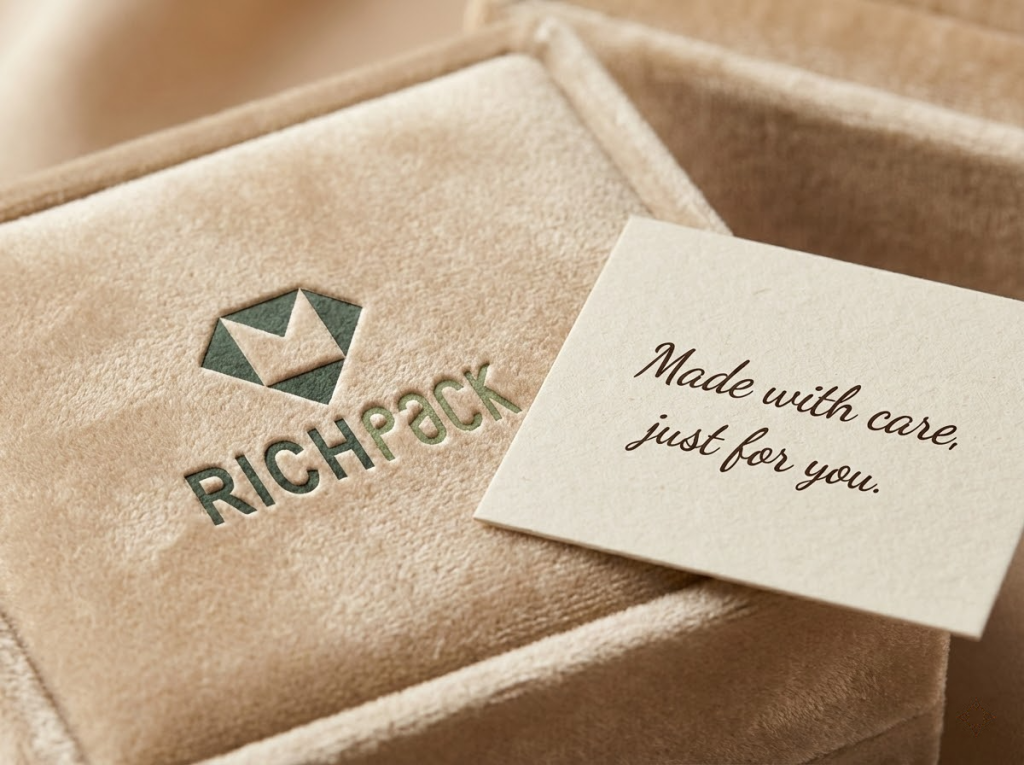
Every detail tells a story. I suggest adding small cards inside the insert. Share how you make your jewelry. Or tell them how to care for the gold.
I’ve found that hidden marks also delight customers. Put a small logo under a tab. Or print a quote at the bottom. People love to find these small secrets.
I use the insert to talk about the Earth. Tell them if you use recycled plastic. A small note can explain your green goals. This helps people feel good about buying from you.
I also share your brand history. Mention if your studio is old or family-run. This makes your brand feel more human. It helps you charge a fair price.
Your online shop must match your physical store. The insert experience should feel the same. This is key to building a big brand.
I adapt the build for shipping needs. Use stronger foam for mail orders. This keeps the jewelry safe in the mail.
I keep the colors and logos the same. The customer should not see a difference. The brand feel stays the same everywhere.
I use special inserts for store displays. These make it easy for staff to show the jewelry. When a client buys, we swap it for a travel insert.
I give the same inserts to all my partners. This keeps the look the same in every shop. It costs more but makes your brand look strong.
Many clients tell me custom inserts cost too much. That is a fair concern at first. Custom tools and small runs do cost more than bulk foam trays. But you must ask a different question. How much does a bad unboxing experience cost you? I have found the numbers always favor the upgrade.
Generic inserts cost USD 0.50 to USD 2.00 each. Custom ones run USD 2.00 to USD 8.00 or more. That USD 4.00 to USD 6.00 gap looks big until you see the returns.
It costs USD 50 to USD 150 to get one jewelry customer online. If custom inserts boost repeat buys by 10%, your profit grows fast. Research shows that great packaging makes people come back.
Let’s look at the math. A brand with 10,000 customers spends USD 65,000 more on custom inserts. If repeat sales go from 20% to 28%, you gain USD 320,000 in revenue. The ROI is clear.
Custom inserts also help your marketing. People love to share great packaging on social media. Data shows 40% of buyers post photos if the box looks like a gift. Every share is free advertising for your brand.
Luxury buyers look for quality signals. Cheap foam makes your brand look like a discount shop. Most buyers will pay 18% more for premium packaging. Your price hike can easily cover the insert cost.
Returns cost more than just the item price. You lose time, shipping fees, and customer trust. Good inserts stop these losses before they happen.
Shipping jewelry is risky. Custom inserts lock pieces in place so they do not shift. One brand cut damage returns from 4.2% to 1.5% with better inserts. That saved them USD 810,000 in one year.
The cost goes beyond the refund. A customer who gets a broken item rarely buys again. Better packaging protects your long-term relationships.
High-value pieces need insurance. Showing you use protective inserts can lower your insurance costs. It also gives you proof of care for any claims.
Unboxing videos got 25 billion views last year. Custom inserts let you join this trend for free. You do not need to pay for ads.
I suggest tracking a few key numbers. Watch your social mentions and branded hashtags. Look at how much content your users make. Each post has a real dollar value.
I worked with a designer who used rose gold velvet inserts. They spent USD 12,000 on packaging for the year. Those boxes got 2.3 million views on Instagram. That reach would have cost USD 45,000 in paid ads.
Tracking this is hard but possible. Just ask your customers how they found you. If they say, “saw your packaging on Instagram,” you know it is working.
Great packaging builds your brand over time. People start to recognize your signature style. This awareness grows even when you are not looking.
Lifetime value (LTV) tells you if the spend is worth it. You multiply value, frequency, and lifespan.
Custom inserts help all three parts of that math. You can charge more for the product. Customers come back more often. They stay loyal for years because of the emotional bond.
Think about two paths. A basic customer spends USD 500 once. A happy customer spends USD 500, then USD 600 later, and refers friends. That second path is worth USD 1,900.
Data backs this up. Brands that create good feelings during unboxing see more loyalty. The link between emotion and sales is very strong.
Your return speed depends on your model. Fashion brands see fast returns because people often buy. Fine jewelry takes longer but wins through word-of-mouth.
Your investment should match your business stage. A new shop has different needs than a big brand.
Startups should focus on being consistent. Use stock inserts in your brand colors. Aim to spend 2% to 3% of the product cost on packaging.
Growing brands need to stand out. This is the time for custom shapes and better materials. Spend 4% to 6% of the product cost here.
Mature brands should refine every detail. Test luxury finishes or eco-friendly options. Spend 5% to 8% or more to stay on top.
Look at your rivals. If everyone has basic boxes, a great box makes you the winner. In quiet niches, simple and clean is often enough.
Your current inserts compete with the future of the market. People now expect more tech, green options, and personal touches. I see brands that plan win easily. They do not have to scramble later.
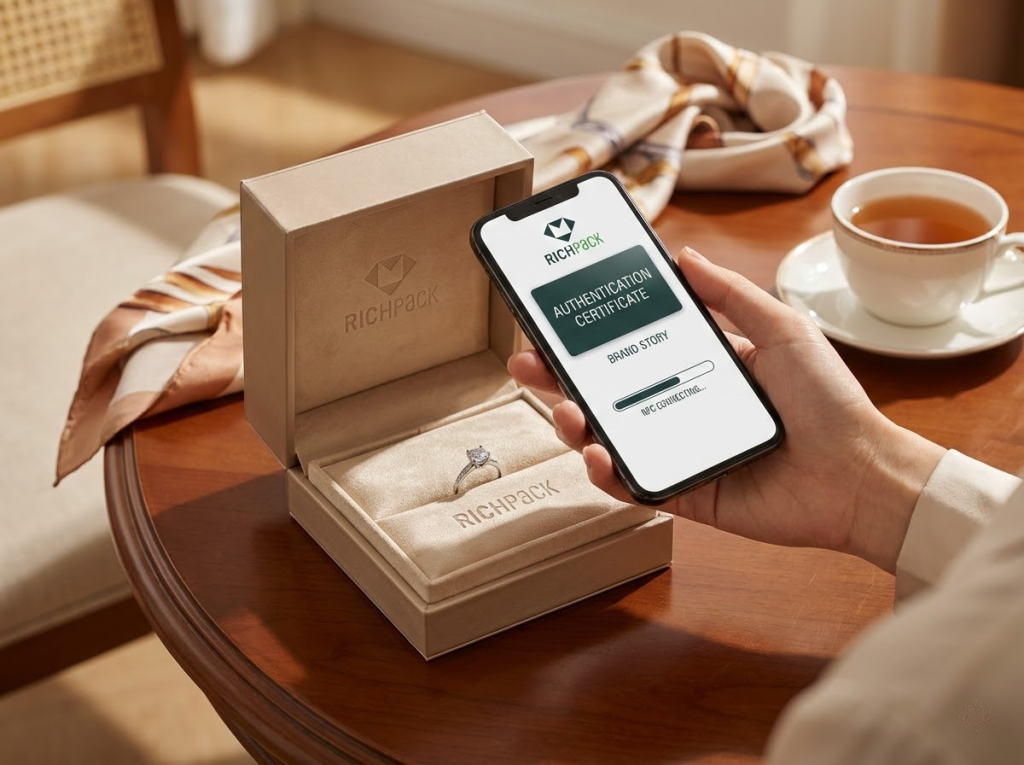
Tech turns boxes into brand experiences. I often use NFC chips inside inserts to connect with buyers. These small chips let customers verify their jewelry. They just tap their phone to the insert.
Then they see certificates, care tips, or brand stories. It builds trust for high-value items. You can even use blockchain for digital records. QR codes are a cheaper choice.
I like laser-etching them onto the base. You also get to see how customers engage. The trick is hiding the tech. I hide NFC antennas inside the structure. This keeps the luxury look clean.
Clients now demand eco-friendly options. Future inserts will look high-end but break down naturally. By 2026, we will focus on helping nature.
Mushroom-based foam is a great choice. It cushions jewelry well and composts in weeks. Algae plastics are another win. They pull carbon from the air.
New tech makes these materials look very sleek. You can even use paper with wildflower seeds. Customers plant the insert after use. Always look for real certifications. Do not just trust vague eco labels.
Old methods made custom orders too expensive. Now, digital tools make it easy and cheap. I use AI to predict what customers want.
The system looks at what they bought before. A rose gold fan might get rose gold velvet inserts. White gold lovers get gray ones. This happens automatically.
Digital printing also allows for custom messages. You can add wedding dates or names. This builds a deep emotional bond. Just be open about how you use data. Trust is key here.
The old make and waste model is dying. Smart brands now take packaging back. I suggest giving 10 dollars in credit for returns.
You then recycle the old materials. This closes the loop. Some inserts can even be reused for storage. I work with recycling pros to handle foam and velvet.
These materials are hard for cities to process. Make the return process very easy. Use QR codes for return labels. Show customers the good they are doing.
Cultural details matter when you sell globally. Colors mean different things in different places. In Asia, red often means luck.
In other spots, it might feel too loud. Gold is popular everywhere. But the exact shade matters. I have seen brands use local patterns to connect.
A Japanese launch might use traditional art. Keep your main brand looking the same. Just tweak the small details. I always talk to local experts first. This stops mistakes and builds real bonds.
Understanding custom inserts is just the start. You need a clear plan to avoid costly mistakes. This process helps you save money and hit your deadlines. It works for new upgrades or improving old systems.
Start by looking closely at your current boxes. I always check if the inserts truly protect the pieces. Look at your return rates for damage first. Does the style match your brand’s luxury or eco-friendly goals? Make sure the materials look great in social media photos.
Your customers have the best answers. Ask recent buyers if they loved the unboxing experience. Did they feel the need to share it online? I find these surveys reveal the truth about your brand. Use their feedback to fix any hidden gaps.
I recommend buying from five or ten competitors. Look at their materials and how they place their logos. See where they do a great job and copy those wins. Find their weak spots to make your brand stand out. This helps you find new ways to be different.
Choosing the right factory decides your quality and costs. I look for partners who can grow with you. Check their quality certifications and how they handle waste. Make sure they communicate clearly and solve problems fast. I always watch out for hidden costs in their pricing.
Always ask for physical samples before you pay for a big order. Check if the sizes are right and the fabric stays glued. I try to pull the fabric off the foam myself. Put your jewelry inside to see if it actually fits. You will see right away if the quality is high.
Ask the factory for the names of other jewelry clients they serve. Call those people to ask about missed deadlines or quality issues. I want to know if the final goods matched the samples. Their past work tells you what to expect. This gives you peace of mind before starting.
Do not launch new inserts without a real-world test. I suggest making a small batch of 1000 units first. This lets you check everything before the full run. It is a vital step for any brand.
Test the function of the box in your own office. I do drop tests to see if the jewelry stays safe. Make sure customers can remove the pieces without using force. Check if the fabric frays after you touch it many times. Look for any changes in the material colors.
Send your prototypes to a few loyal customers. Watch them open the package to see where they struggle. I look for moments of joy or frustration. Use a quick survey to get their final thoughts. This proves your design really works.
Now you can fix any small issues you found. You might need to change a size or a color. I’ve seen many brands save money by catching errors early. Fix these things before you order 10,000 units. It is much cheaper to adjust now.
Take some professional photos of your new prototypes. See if they make your jewelry look even better. I check if they will get likes on social media. Some boxes look great in person but dull on screen. You need to test for both situations.
The first batch often looks great. Then quality can drop as you order more. I use a strict system to stop this from happening. You must plan for growth from the start.
Give your factory a list of very clear rules. I include exact color codes and fabric weights. Write down the right sizes and how much glue to use. Tell them exactly how many small flaws you will allow. These rules protect you if things go wrong.
You need a plan to check the goods. I check every single box in the first big order. Later, you can just check a small percentage. Decide how many bad boxes will make you reject a shipment. This keeps your standards high.
Talk to your factory team often. I ask if they are still using the same materials. Check if the workers still follow the right steps. Ask if they changed any part of the process. Good talk prevents bad surprises later.
Have a Plan B ready for quality problems. Decide now who pays for a remake if things fail. I always set a timeline for fixing errors. Tell your customers about delays as soon as possible. Clear contracts prevent big fights later.
New inserts should bring you real results. I track if damage rates go down and sales go up. Watch for more tags on social media. See if your customer scores get better. Better boxes often let you raise your prices.
It is hard to know what caused a sales jump. I like to use A/B testing for this. Send new boxes to some buyers and old ones to others. Then compare the two groups to see the difference. This gives you very clear data.
Numbers are great, but stories matter too. Ask buyers if they found the box memorable. Did the package make the jewelry feel more valuable? I find that open comments reveal things numbers miss. This helps you understand the reason behind the data.
Use what you learn to make the next batch better. I’ve seen great designs show small flaws over time. Maybe your buyers prefer one fabric over another. Keep improving so you stay ahead of the market. This keeps your brand fresh and relevant.
I have seen many brands learn expensive lessons with premium inserts. You can avoid these traps and save your budget. I want to help you spend money on things that build value. Let’s look at where others often fail.
Complex designs often turn into manufacturing nightmares. I see brands try to use too many materials or tiny cuts. These ideas add a lot of risk. They rarely give you a better result for the cost.
Watch for signs of over-engineering. Your makers might give you very long timelines. You may see high costs or many failed prototypes. If 30% of samples fail, you must simplify.
I always suggest starting with a simple plan. You can add more details later. A basic insert that works is better than a complex one that fails. Build your complexity slowly as you learn.
Pretty inserts that fail tests will hurt your brand. I have seen jewelry get stuck in small slots. Sometimes loose fibers snag on the gems. Some inserts even fall apart when you lift them.
You must test your packaging in the real world. Ship your items across the country. Ask people who do not know your brand to open them. Use many types of jewelry to check the fit.
Always pick function over looks. A customer will not care about a pretty box if their jewelry arrives broken. Make sure the piece is safe first.
Your inserts must match your whole brand identity. I often see colors that do not fit the brand palette. Sometimes the quality feels too cheap for the price of the jewelry. This makes the brand feel disjointed.
Write down clear rules for your packaging. List the exact colors and materials you allow. This keeps things consistent across boxes and bags. It helps you maintain a high standard.
Look at all your packaging pieces together. Put the box, mailer, and cards on a table. Ask yourself if they feel like they belong together. Everything should feel like one brand.
Saying you are “green” without proof can hurt your name. People can spot fake claims very fast now. You need real action to back up your words. This builds true trust with your buyers.
Use materials with real certifications like FSC. Show your data on recycled content. Tell your customers how to recycle the box at home. Be honest about what you are still working on.
Labels from third parties add a lot of trust. People want to see proof that your paper is sustainable. These labels prove you are telling the truth.
The holiday rush catches many brands off guard. I hate seeing holiday orders arrive in January. This happens when brands do not plan for high volume. It leads to high costs and lost sales.
Look at your old sales to guess your next peak. If your sales jump in December, plan for it now. Build a small buffer of extra stock just in case.
Know exactly how long your maker takes to finish a job. Factor in extra time for shipping delays or material shortages. Order much earlier than you think you should. Talk to your makers about your big plans months ahead.
I usually see custom inserts cost between USD 2 and USD 8 per unit. Prices depend on your materials and how many you order.
Basic foam with simple fabric costs about USD 2 to USD 3. Better options with velvet and branding run USD 4 to USD 6.
Luxury materials and small runs often top USD 8. I’ve found that ordering 10,000 units saves you 30% to 40%.
These inserts stop damage by holding each piece in a tight spot. Generic foam lets jewelry slide around and hit the box walls.
My clients use custom die-cut holes to keep items safe and still. The material soaks up bumps and shakes during the trip.
This prevents ugly scratches or tangled chains. Good design can cut your return rates by 60% or 70%. Your jewelry arrives looking perfect every single time.
You can definitely go green without losing that high-end feel. I suggest cork because it looks elegant and stays clean.
Recycled velvet made from plastic bottles feels just like the real thing. Bamboo fabrics are very soft and grow back quickly.
Mushroom foam protects just as well as plastic but breaks down naturally. I recommend adding gold stamps to keep that premium look.
Many top brands now use sustainability to boost their status. It shows customers that you care about the planet.
Order minimums change based on how complex your design is. Simple inserts usually start at 500 to 1,000 units.
If you want custom shapes and colors, expect 2,000 to 5,000 units. Very complex designs might need 10,000 units to start.
Some shops use digital tools to offer smaller runs of 100 units. You can also pick standard shapes and just change the colors.
Plan for about 8 to 16 weeks from start to finish. I tell my clients to spend 3 weeks on the first designs.
Making the first samples takes another 2 or 3 weeks. You need about 2 weeks to build the metal cutting tools.
Big orders take a month to finish in the factory. Shipping adds a few more weeks if you use a boat. I suggest starting 5 months before your big launch date.
Investing in custom inserts is a smart move for your brand. They protect your stock and make your brand look much better.
People love to share pretty packaging on social media. Data shows 83% of buyers will pay 18% more for good boxes.
Also, 60% of people won’t buy again after a bad unboxing. These inserts pay for themselves by keeping customers happy.
I’ve seen that the unboxing experience is what sets you apart. Two necklaces might look the same to a customer.
But your custom velvet insert creates a feeling they won’t forget. In 2026, I expect to see more green materials and tech features.
Smart brands will use chips for tracking and luxury, eco-friendly foam. This helps you stay ahead of the competition.
You should check your current packaging right now. Look for gaps between your goals and what customers actually see.
Then, find a good partner to make some new prototypes. Test these with your real customers and listen to their feedback.
Brands that focus on design today will lead the market tomorrow. Your jewelry and your customers deserve the very best experience.
Choose to build loyalty that lasts for years. This is how you grow a luxury brand.

Just submit your email to get exclusive offers (reply within 12 hours)





 PREV
PREV