
 PREV
PREV
10 Best Customizable Jewelry Packaging Solutions for Standout Branding
2024-10-10
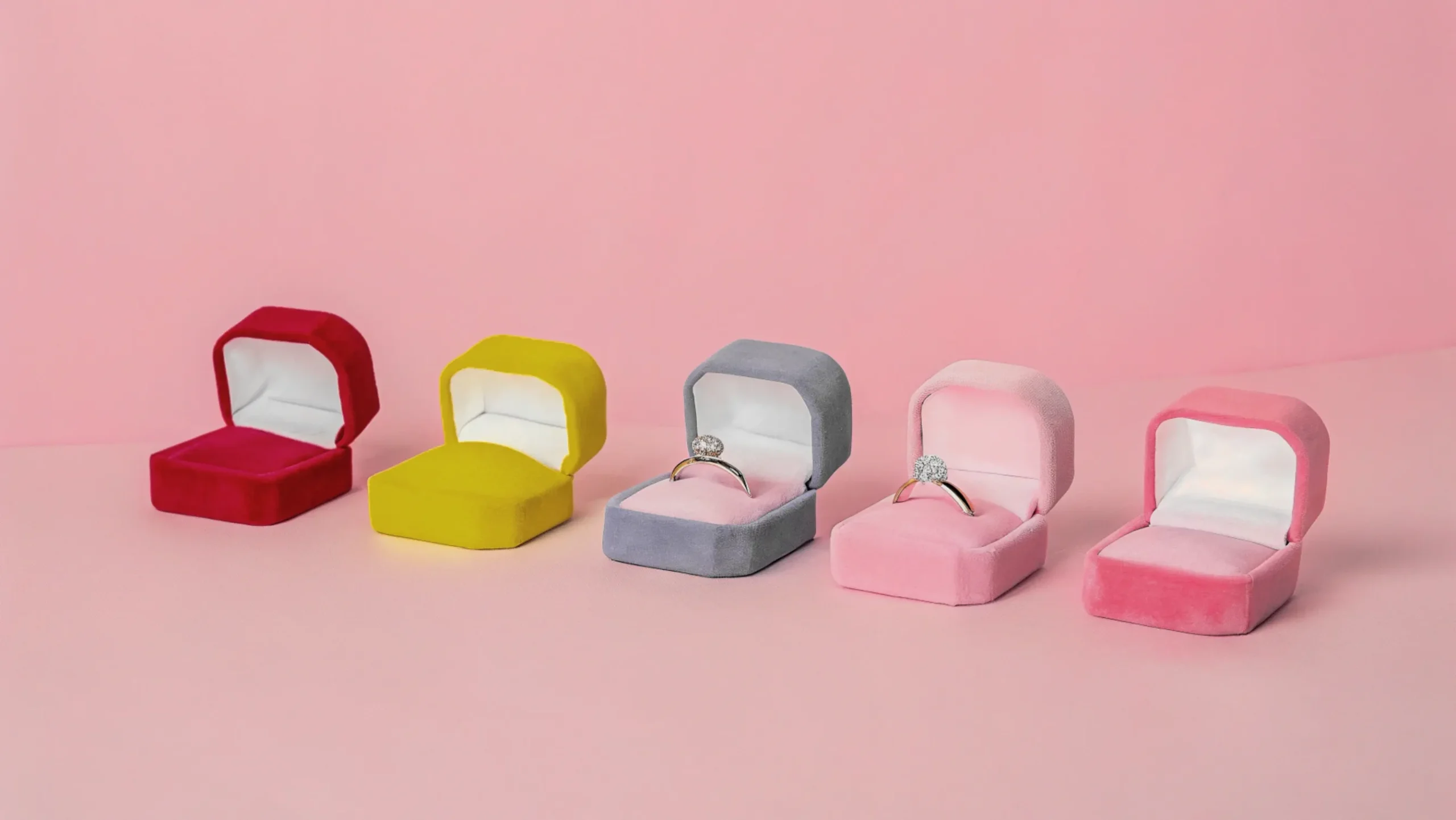


Velvet and soft fabric linings are both common types of jewellery box lining. For many jewelry brands, these two types of materials are already incorporated into their jewelry packaging solution system. However, under normal circumstances, jewelry brands need to seek customized jewelry packaging for their jewelry. When there is a clear understanding of the material, it is conducive to creating a more visually attractive and advanced packaging effect. Although there are many factors affecting the premium feel, whether it is high-end style or soft touch, everything is reflected in the details. In this article, we will delve into both types of jewellery box lining and take you deeper into the charm of lining.
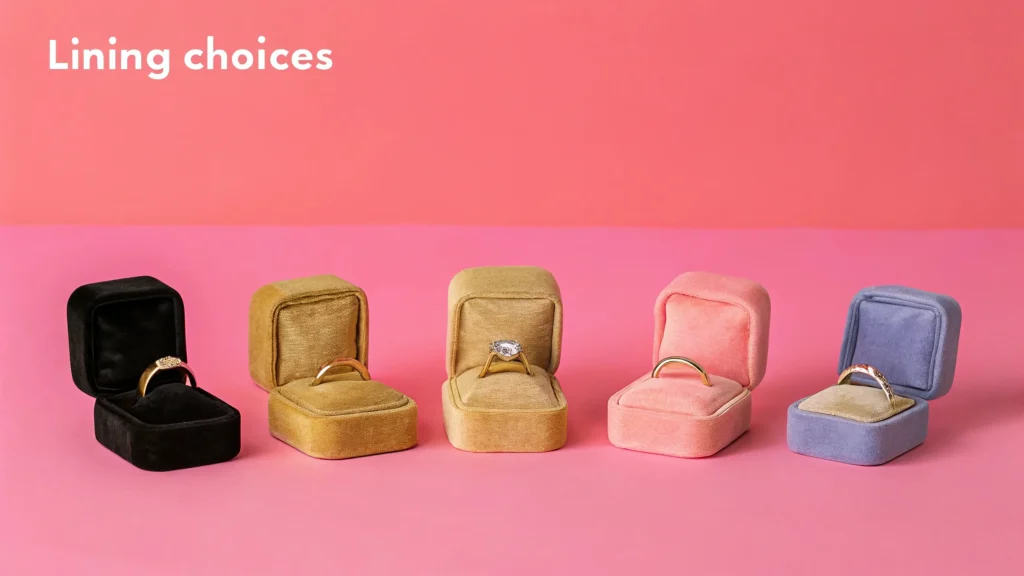
Jewellery box lining refers to the internal material. These components used to set off the inside of the jewelry box. By providing a protective and beautiful environment for storing jewelry items, jewelry box lining can be said to be a low-key hero. The lining includes not only the lining material of the jewelry box, but also the card for storing the jewelry, which has many holes and grooves designed for the jewelry storage space.
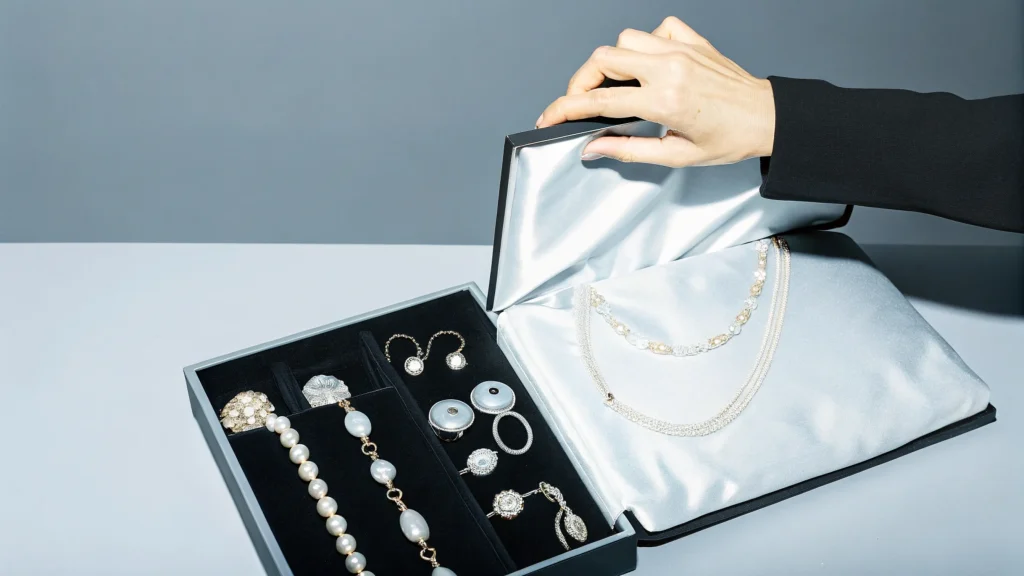
The lining is inside a jewelry box and is usually invisible. However, it will also affect the state of jewelry inside the box. Different jewelry box lining materials create a good ecological environment for the living space of jewelry. Therefore, its charm is that you can only enjoy it when you open it.
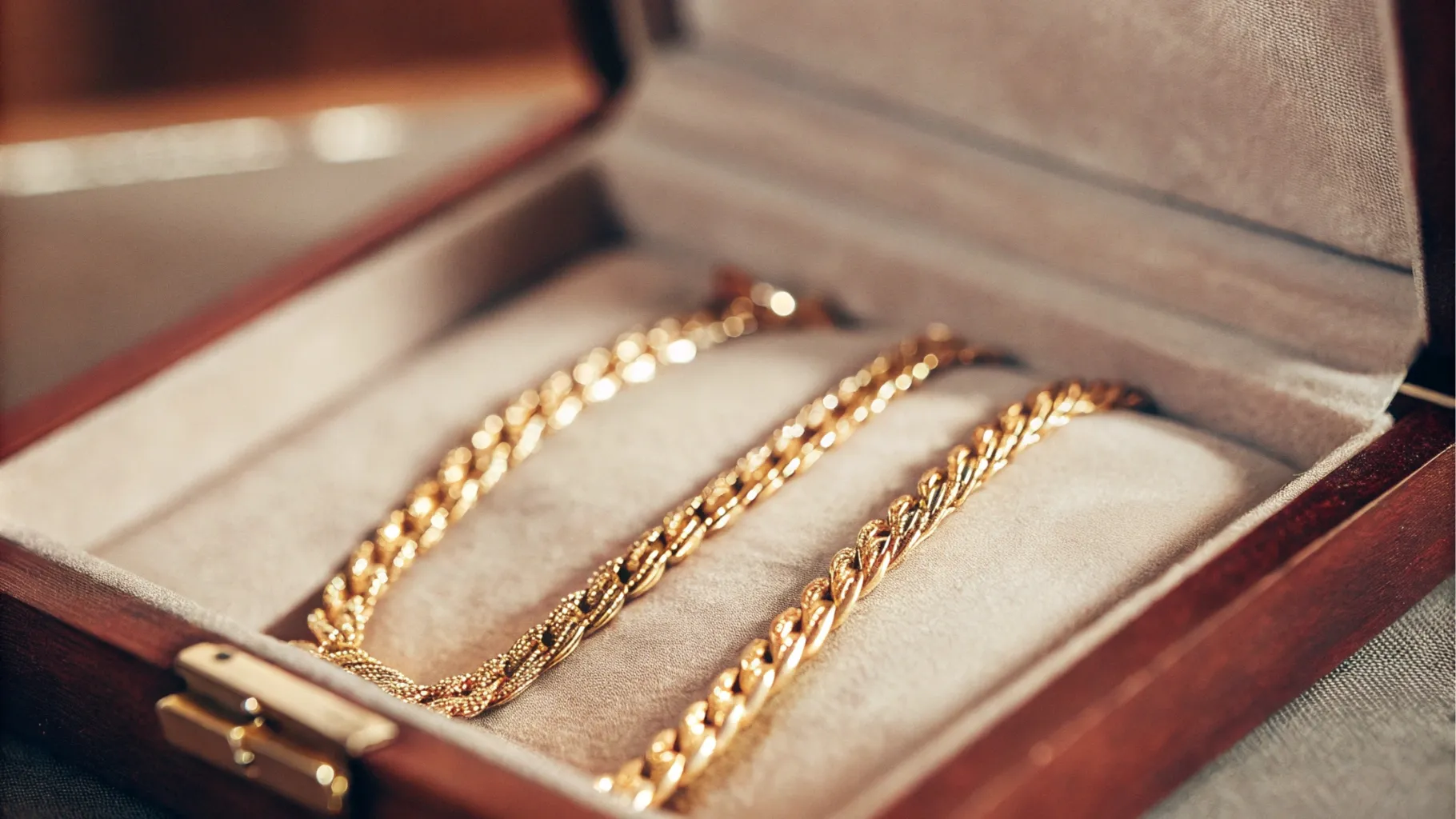
If you are a designer jewelry brand, then in addition to the lack of inspiration and creativity in jewelry design, preventing the receipt of scratches during jewelry transportation is also one of your pain points. The choice of lining materials such as velvet or silk provides a soft surface that can cushion jewelry, which is a good medicine for you. The risk of scratching is minimized. If you are a jewelry brand, then a stable jewelry supply quality is the first priority, and fluctuations in temperature and humidity can adversely affect certain gems and metals. Some lining materials can help maintain a stable micro environment inside a jewelry box, such as an insulating lining that helps maintain its quality.
When it comes to crafting the perfect velvet-lined jewelry box, there’s a delightful variety of approaches you can take to combine function with style. For those who want to roll up their sleeves and start a DIY project, learning how to line a jewelry box with velvet through a step-by-step guide is the best way to ensure a professional, scratch-free finish.
Removable Lined Panels for Easy Cleaning
One popular design choice involves creating removable panels using sturdy materials like matte board or MDF. These panels can be padded with a layer of polyester fill, then wrapped in sumptuous velvet for a plush, elegant look. Because the panels are not permanently fixed, they’re easy to take out for occasional cleaning or to be reorganized. For extra security—especially for larger panels—a small piece of Velcro or double-sided tape can discreetly hold things in place.
Side Panel Solutions
Lining not just the base but also the sides of the box adds an elevated sense of luxury. Attaching velvet-wrapped side panels ensures a consistent, soft environment throughout. To prevent the sides from bowing or falling in, use a stiff backing material and measure carefully to allow a snug, upright fit. Alternatively, gluing the velvet directly to the wood works well, especially if you apply iron-on hemming tape to fold the edges and prevent fraying.
Custom-Fitted Trays and Clever Partitions
A velvet base becomes even more functional topped with wooden trays or dividers, perfect for sorting rings, earrings, or bracelets. Construct a tray with a grid of partitions, where each compartment can be individually lined with velvet. This method not only keeps jewelry separated and tangle-free but also creates a visually appealing display when you open the box.
If you’d like even more versatility, consider building shaped wooden cleats into the corners of the main box to support a raised tray. The tray itself might house a series of velvet-lined compartments for smaller items, leaving the base open for larger pieces. For ring storage, carve out a central channel in the tray, then wrap and tuck velvet over a padded core to create plush ring rolls.
Tips for Working with Velvet
Keep in mind that velvet, especially traditional types, can crush or show marks if pressure is applied for long periods—great reason to combine wooden separators with the softness of fabric. If a crisp, wrinkle-free appearance is vital, self-adhesive velvet sheets (from brands like Dritz or Aleene’s) can speed up the process, ensuring a tidy finish without the fuss.
For adhesives, options like 3M spray adhesive or a tacky fabric glue work well, but test on scrap materials to avoid bleed-through or stiff residues. Always fold raw edges under with hemming tape or a tidy hand-stitch before attaching, protecting both jewelry and the integrity of the lining.
With these design ideas—removable panels, supportive partitions, raised trays, and thoughtful craftsmanship—you can create a velvet-lined jewelry box that not only shields treasures from harm, but also tells a story every time it’s opened.
When working with velvet and substrate panels for jewelry box interiors, achieving a seamless, wrinkle-free result comes down to a few key techniques and a bit of patience.
Preparation is Key:
Start by cutting your velvet slightly larger than your substrate panel. This provides some margin for adjustment and ensures the edges are fully covered for a tidy finish.
Smooth Application for Adhesive-Backed Velvet:
Instead of pressing the velvet directly into the bottom of the box—an easy way to wind up with wrinkles—apply the velvet to your panel before installing the panel inside the box. Lay the velvet face-down on a clean, flat surface, then remove the release liner carefully and lower your substrate gently onto the adhesive. This top-down approach gives you more control for positioning and prevents unwanted creases.
Finishing Touches:
Once your panel is firmly adhered to the velvet, flip it over and smooth out any remaining bubbles or wrinkles with flat hands or a soft cloth. Carefully trim the excess velvet along the edges for a crisp, clean look before installing the panel inside your jewelry box.
By following these steps, you can achieve a professional, elegant lining that does justice to both your craftsmanship and the treasures your box will hold.
Installing velvet linings in a jewelry box can be a delicate task—especially when it comes to avoiding stray glue marks that detract from your box’s luxurious look. To ensure a flawless presentation, consider the following best practices:
By handling the materials with care and strategically planning your gluing steps, you’ll minimize the risk of visible errors—and deliver a jewelry box that reflects both craft and care.
Velvety lining material type, including:
Traditional Velvet: This is a classic option. The fabric is soft, and the dense pile gives it a warm, plush feel. It is widely used in the lining of jewelry boxes, and most of the mainstream jewelry boxes produced in our market are lined with traditional velvet for jewelry. It cushions delicate items and prevents scratching.
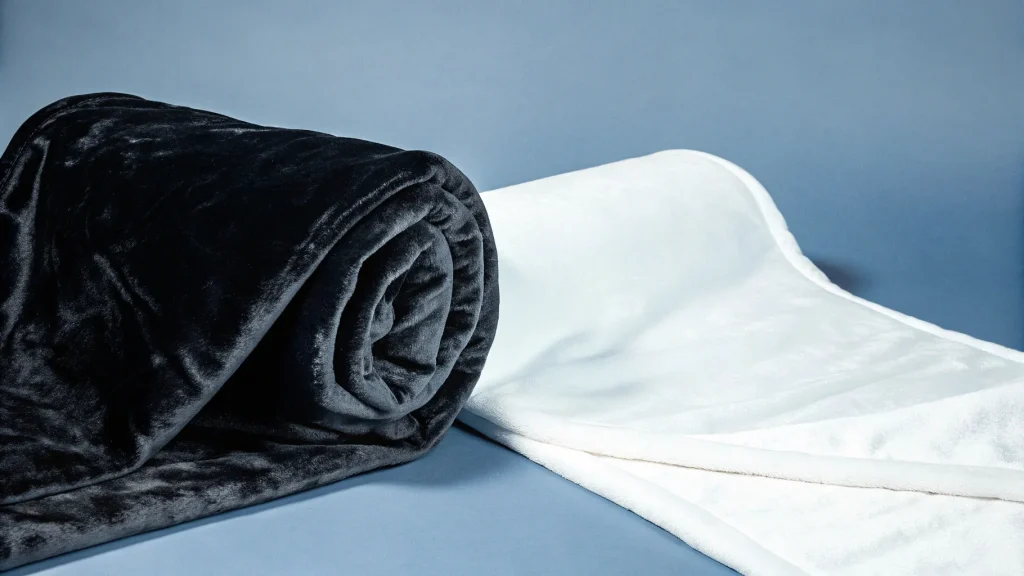
Microfiber Velvet: Microfiber velvet is a synthetic alternative to traditional velvet that has a similar soft texture, but is generally more durable and easier to clean. It is stain resistant and can maintain its appearance over time.
Suede: Although technically not velvet, suede has a similar soft texture and is often used as a lining material. It provides a luxurious feel and excellent protection for jewelry, although it may not be as durable as traditional velvet.
Crushed Velvet: This type of velvet has a distinctive texture and is created by twisting or squeezing the fabric when wet, resulting in a changing surface. Embossed velvet or patterned velvet fabric adds visual interest and depth to a jewelry box.
Panne Velvet: Panne Velvet is an embossed velvet. Shiny surface, very trendy, suitable for fast fashion brand jewelry line.
Silk Velvet: : Silk Velvet: combines the characteristics of silk and velvet. On the one hand, it has a rich luster, and at the same time, it also has a soft texture. Because of its ornate appearance, it is often used in high-end jewelry boxes.
Velveteen: Velveteen is usually priced at a lower price and is a jewellery box lining options for small business in jewelry. Because the material mimics the look and feel of velvet, it is a cost-effective alternative that is both aesthetically pleasing and protective.
Jewellery box lining fabric types including:
Satin: Satin is known for its smooth, shiny finish or soft tulle fabric. Jewelry boxes owe much of their elegance to. While it may not be as luxurious as velvet, it offers plenty of protection and enhances the overall beauty.
Silk: Silk linings with a glossy surface and soft touch are a preferred packaging choice for luxury goods. In terms of aesthetics, silk jewellery box lining has a shiny surface and soft touch, and is also non-tarnish in terms of performance, and is highly regarded for its protection of delicate jewellery from scratching.
Felt: Felt is a more economical option, and felt provides a soft protective layer for jewelry. In addition, Felt has a wealth of customization options, it comes in a variety of colors and thicknesses, can be used for different jewelry space storage and packaging design.
Cotton: Lightweight, breathable, and more importantly environmentally friendly cotton can be used as an outer and inner layer material. While it may not provide the same level of cushioning as velvet or suede, it can be effective in preventing moisture buildup.
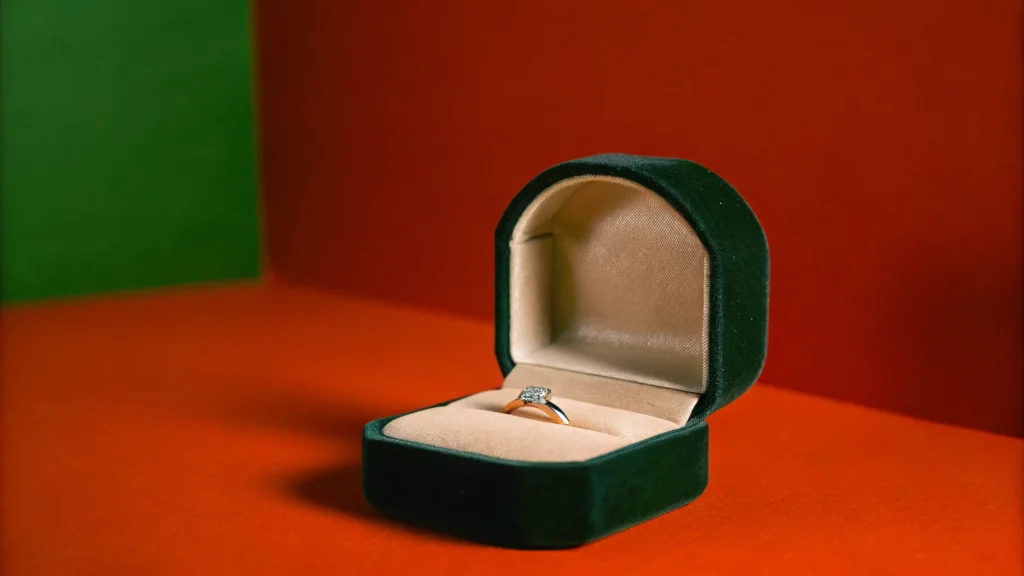
Leather (Real or Faux): Leather lining adds durability and sophistication to a jewelry box. This is particularly important for luxury brands, which can increase consumers’ desire to buy. In addition, they are easy to clean and can withstand prolonged wear and tear. The carefully designed leather lining provides an exclusive location for each piece of jewelry, minimizing movement and collision when opening and closing the jewelry box.
Now that we’ve explored fabric options, let’s look at how you can successfully attach these linings to your jewelry box interiors. The method you choose can impact not only the appearance but also the durability, ease of installation, and the overall user experience.
Self-Adhesive Velvet:
Self-adhesive velvet offers convenience—just peel the backing and attach. This method works especially well if you prepare your pieces in advance, attaching the velvet to matte board or a substrate before installing it in the box. The main advantages are speed and ease of application. However, trying to fit adhesive velvet directly into constructed boxes or tight spaces can be tricky. Wrinkles and bubbles may form if you’re not meticulous, and repositioning is difficult once the backing sticks, so careful planning and cutting a slightly oversized piece for trimming is wise.
Spray Adhesive:
Spray adhesives such as 3M’s fabric line are popular for achieving a strong, even bond across a variety of fabrics. This is a versatile option, allowing direct bonding to wood or other surfaces. Spray adhesives shine when you have irregular surfaces or need broad, even coverage, and they can create a nearly seamless look. The downside? There’s potential for overspray and mess, so protective masking is important. Once the adhesive sets, repositioning is limited—accuracy is key.
Hot Melt Tape (Iron-On Hemming Tape):
If you’re after clean edges and a wrapped, “upholstered” finish, hot melt hemming tape can be a handy tool. By placing the tape between layers of fabric and applying steam with an iron, you fuse the layers together, much like gift-wrapping. This method is particularly useful for creating removable panels or lining individual sections. The neatness of the edges helps prevent fraying, and panels can easily be inserted or removed for cleaning. On the flip side, it’s more involved than stick-on methods and requires some precision with an iron.
Other Considerations:
Each method has its strengths: self-adhesive velvet for quick projects, spray adhesive for versatility over large or complex areas, and hot melt tape for a tailored, professional look. Choose based on your project’s needs, your comfort with each technique, and the level of permanence you prefer.
We will now enter the comparison stage. The contestants are Velvety vs. soft fabric. We will see which jewellery box lining is the best material in terms of texture, style and protection performance.
A touch of luxury enhances the sense of value of jewelry and gives consumers a unique emotional and psychological experience. High-quality materials, exquisite design, and elegant color combinations embody a sense of luxury. It’s a visual feast. Velvet is soft and delicate, and it feels comfortable to touch gently. The soft-touch will make consumers think their jewelry has been carefully cared for. When consumers open the jewelry box and see this lining, they will immediately feel the preciousness of the jewelry and the pursuit of quality by the brand.
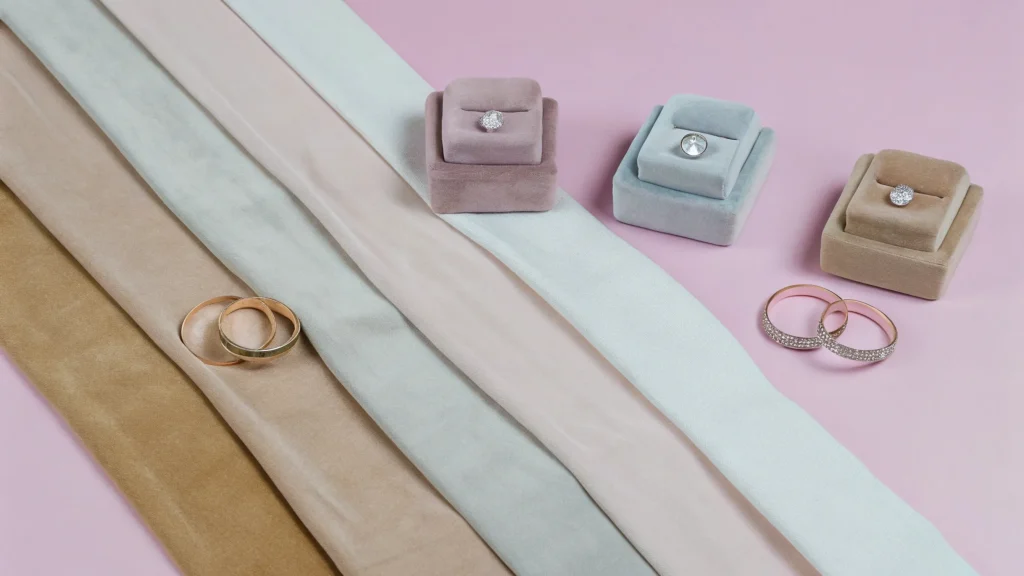
The primary function of soft fabric lining is versatility, which often lacks a certain elegance, but still has the charm to attract a wide range of consumers. For example, we listed the types of jewellery box lining at the beginning of the popular science, these linings are usually made of satin, cotton or microfiber materials, soft touch. The smooth texture of the soft fabric creates a welcoming environment for precious objects, infusing care and attention to detail.
Consumers appreciate the understated sophistication of these linings, which allow the beauty of the jewelry to shine without being overwhelmed. In addition, the soft fabric lining offers a variety of colours and patterns to achieve personalized customization of brand visual identity and packaging design sense optimization, catering to the unique tastes and preferences of more segmented consumers, such as the dazzling style of the subculture, the cold style of the Gothic jewellery box, and so on.
When Gen Z customers open their jewellery boxes and see the jewellery boxes that are highly in line with their preferences, they especially find that even the choice of jewellery box lining is very careful. Then, they will be more able to feel the careful attention to details such as jewelry packaging of the jewelry brands they buy, and see the brand’s commitment to high-quality craftsmanship, which helps strengthen their connection and stickiness with jewelry.
In addition, the soft fabric lining offers a variety of colours and patterns to achieve personalized customization of brand visual identity. To further elevate your branding, you should also choose the best printing method for a custom velvet ring box, ensuring your logo complements the texture of the lining perfectly.
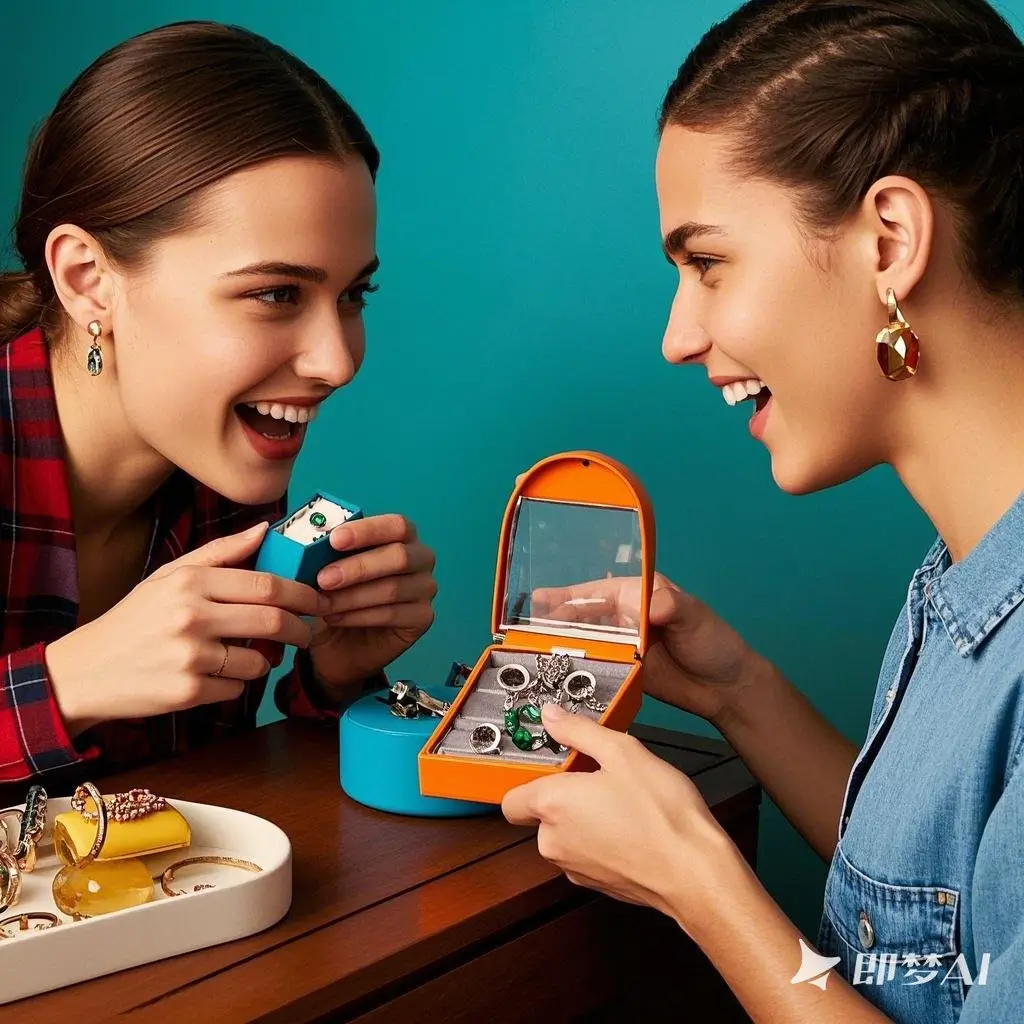
When choosing the perfect lining for your jewelry box, we want to understand the internal factors that influence consumers’ decisions. Perception, learning, motivation, personality and attitude. These factors, which are influenced by jewelry packaging, all play an important role in consumers’ jewelry purchase choices. Jewelry consumers may regard velvet linings as synonymous with luxury and elegance, evoking a sense of sophistication that enhances their overall experience with jewelry. On the other hand, soft fabric linings, while also attractive, may appeal to those who prioritize practicality and comfort. The decision between these two options not only reflects personal preference but also aligns with the emotional motivation behind jewelry ownership.
Velvety vs. soft fabric. They do not just play their roles for different purposes, but they also play their other values. It can provide a very beautiful lining aesthetic. Jewelry box linings such as pink velvet fabric create a romantic atmosphere that is associated with love, beauty, and happiness. Green velvet upholstery fabric adds a unique elegance to the nobility, giving a deep, serene feeling, as if you can immerse yourself in a quiet world, away from the noise and impetuosity. Its delicate texture and smooth feel make people feel as if they are enjoying a luxurious treatment when touched.
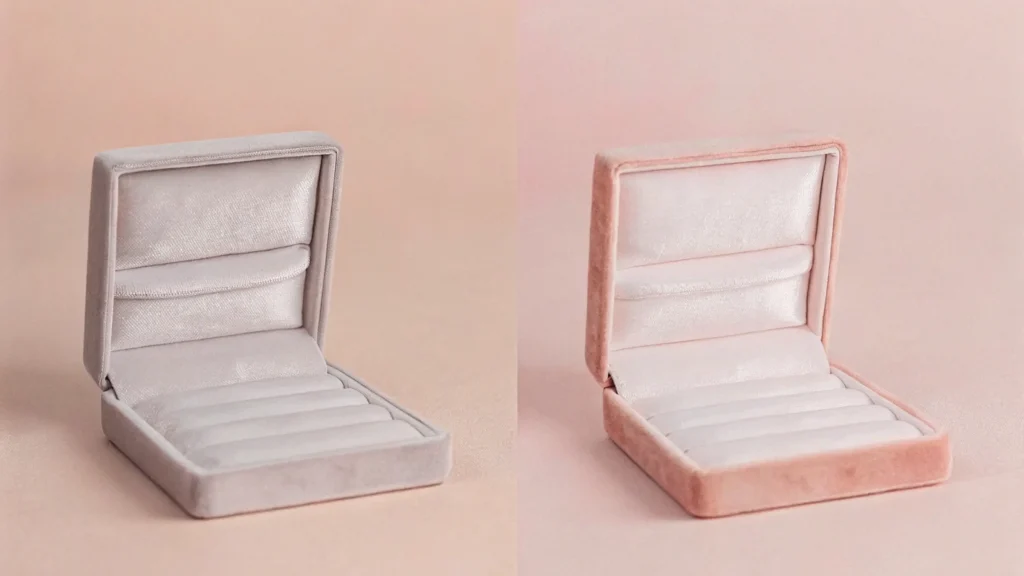
Protection and aesthetics are the two trays in the scale like this blog discussed, and to achieve the perfect balance between the two, we need to seriously consider packaging strategies that enhance the consumer experience. Two popular lining material choices are velvet lining and soft fabric lining. Each has unique advantages in meeting functional and aesthetic needs, influencing consumer perception and decision-making. The dense velvet cushions the jewelry, minimizing the risk of scratching and damage during storage and transportation.
In addition, velvet can block humidity and dust. Natural jewelry such as rubric is easily damaged by friction, and velvet helps to maintain the integrity of precious metals and gems. On the other hand, soft fabric linings (such as satin, cotton, or microfibers) offer versatility and elegance while still providing adequate protection for the jewelry. These materials are generally lighter than velvet and are suitable for all types of jewelry boxes, from casual travel cases to elegant display boxes. The soft fabric creates a gentle environment that prevents scratches, while allowing custom colors and patterns to match the jewelry brand’s pure box premium aesthetic system.
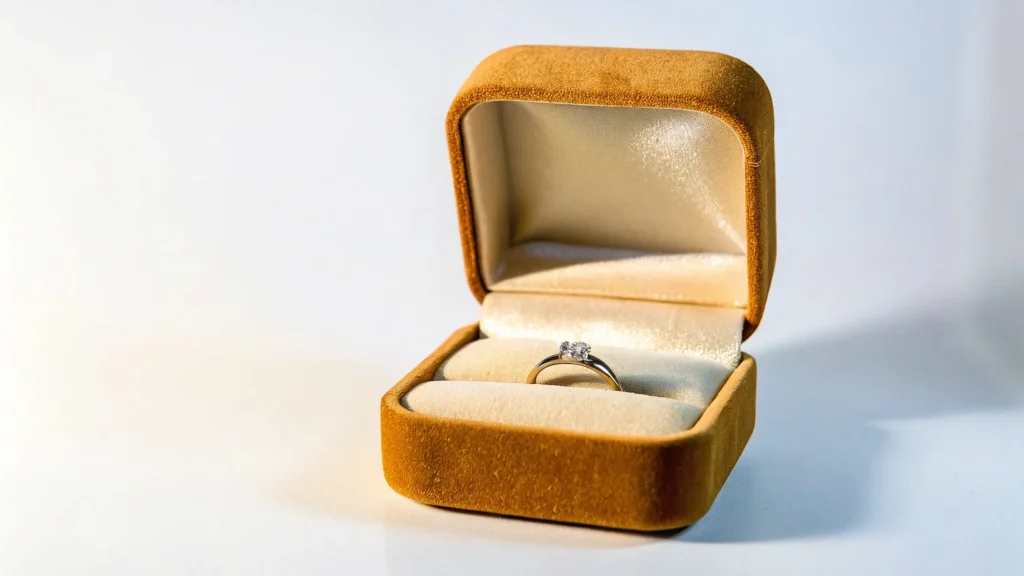
When selecting the ideal jewelry box lining, it’s important to go beyond mere functionality and consider the psychological and emotional impact on the consumer. The internal lining of a jewelry box has a significant influence on how the consumer perceives the value and quality of the jewelry within it. For example, premium materials like velvet, suede, and silk are associated with luxury and elegance, whereas more common fabrics like satin or microfiber convey subtle sophistication and understated elegance. Each type of lining offers a unique tactile and visual experience, which is important for establishing a strong brand identity.
From a protective standpoint, the lining is crucial in safeguarding delicate pieces… However, to maintain this protective environment over the long term, it is equally important to know how to clean a velvet jewelry box properly without damaging the delicate fibers or the jewelry inside. For instance, brands such as Tiffany & Co. and Cartier are known for using high-quality velvet or satin linings in their jewelry boxes, which not only protect the items but also enhance the overall luxurious experience for their customers. Consumers often associate these velvet linings with a premium experience, which makes them more likely to perceive the jewelry as valuable and high-quality.
Real-world examples show that choosing the right material goes beyond just aesthetics. In a case study by Luxury Packaging Solutions, their collaboration with an international jewelry brand led to the development of custom velvet-lined jewelry boxes that not only reduced the risk of damage to the jewelry but also enhanced the brand’s luxurious image. The brand saw a 30% increase in customer retention after the change, attributing it to the tactile luxury and the added emotional connection customers had with the packaging. Similarly, Harry Winston has utilized silk velvet linings in their exclusive jewelry cases for over a decade, ensuring their high-end clientele feels the prestige of the brand the moment they open the box.
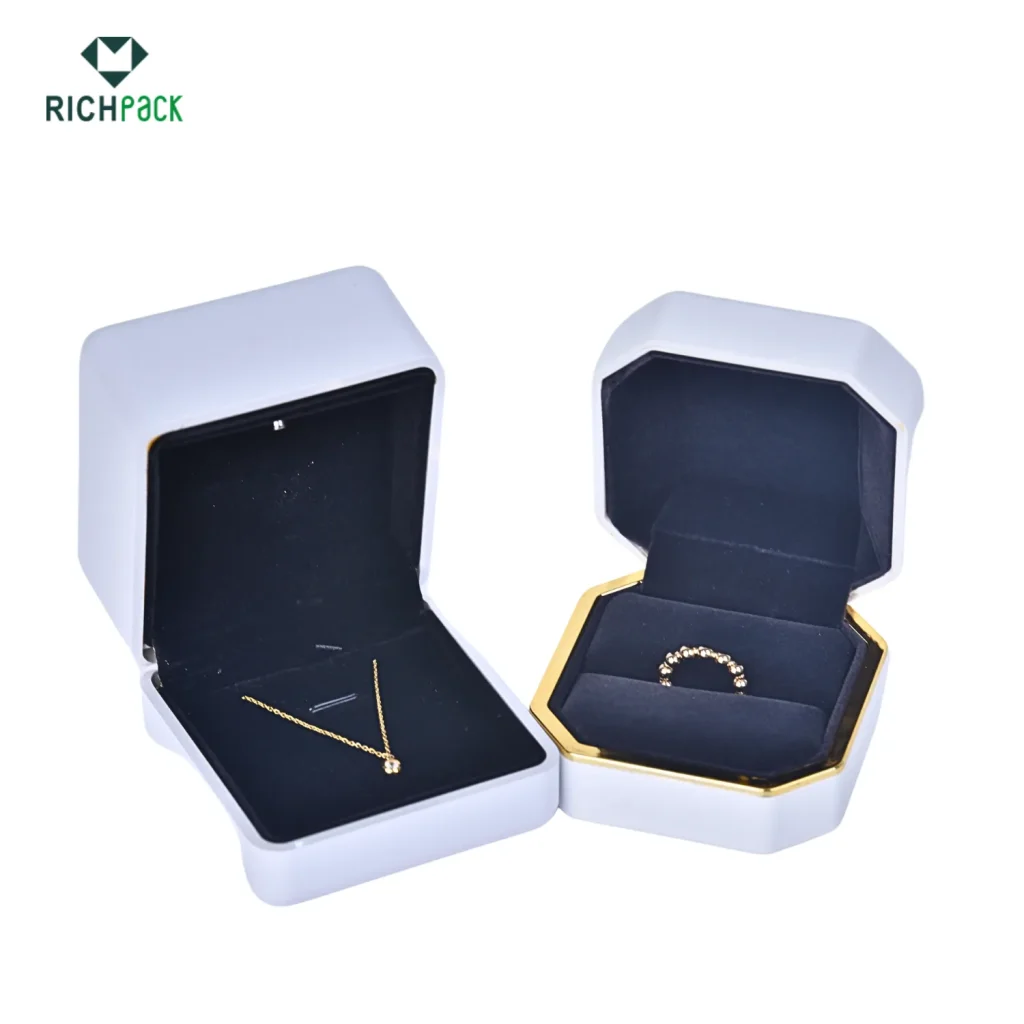
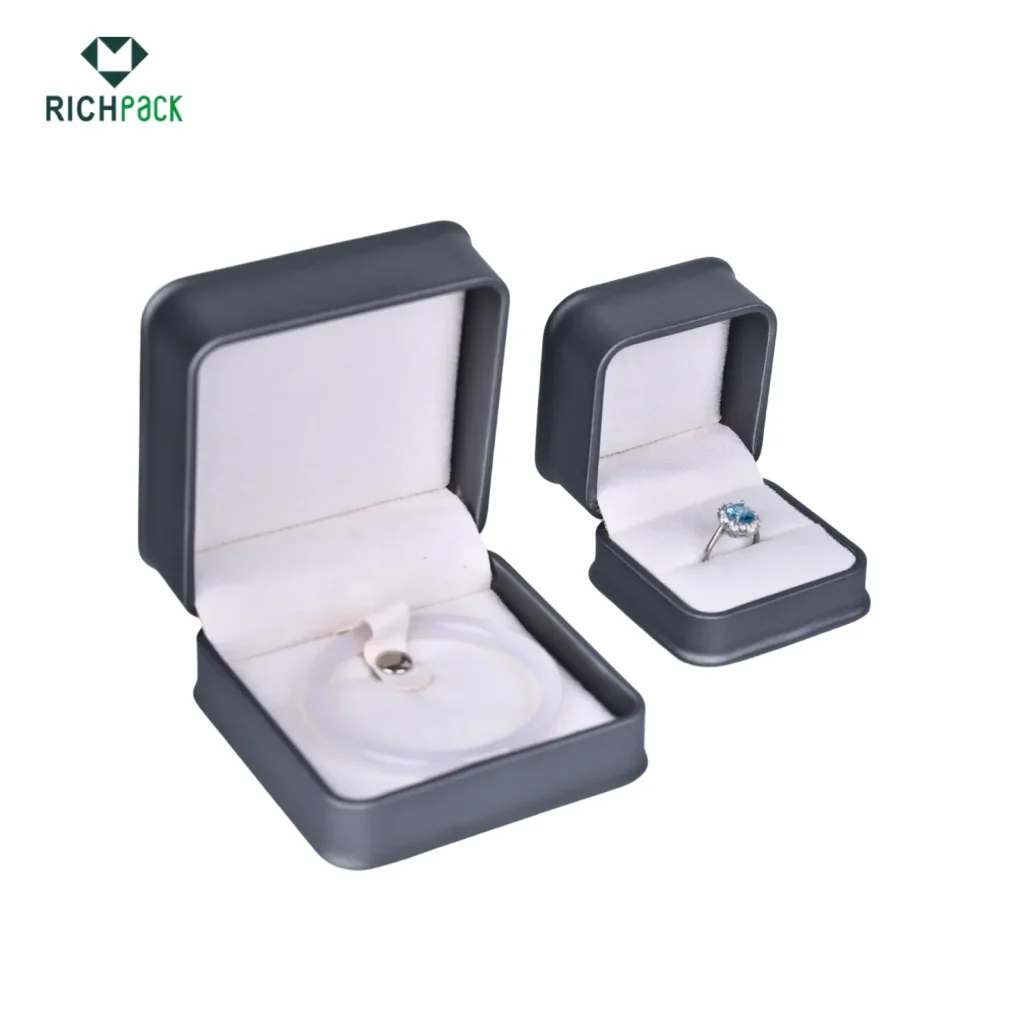
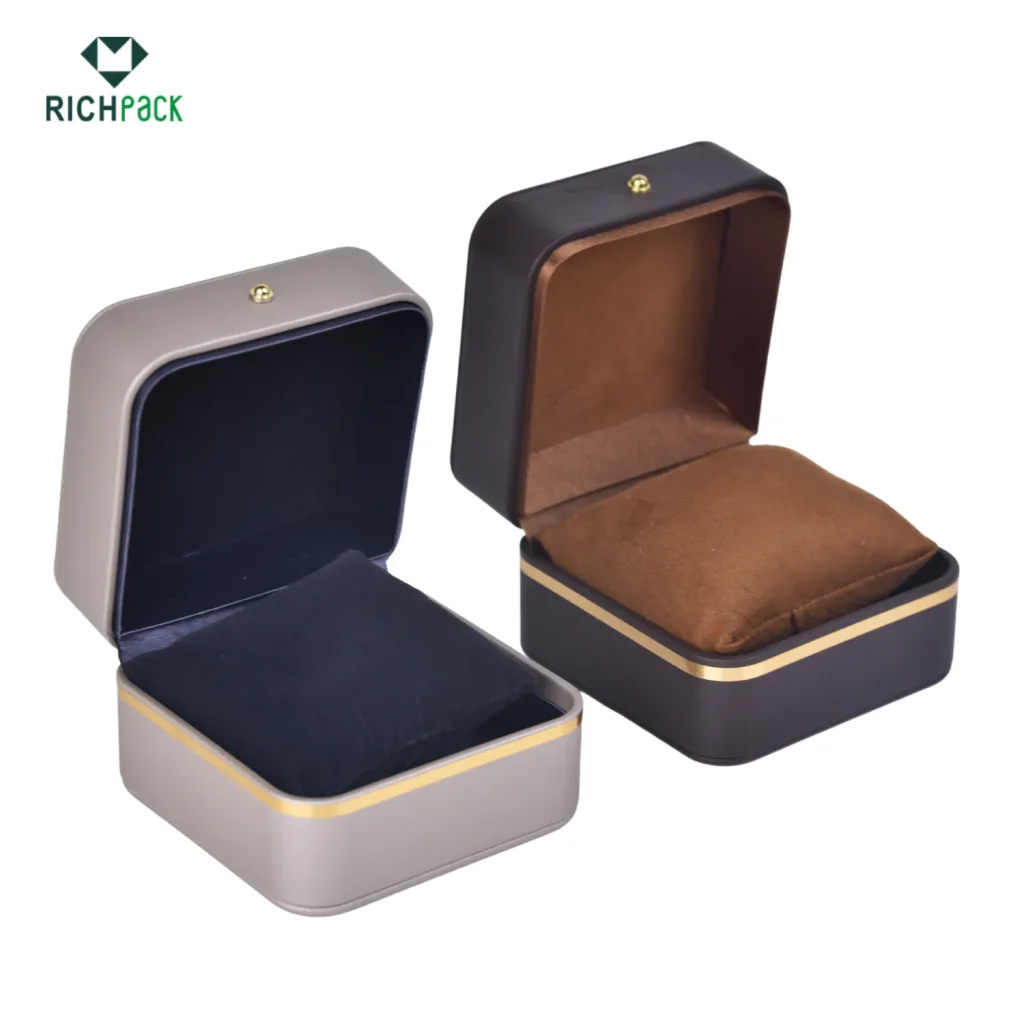
Furthermore, the material choice plays a role in customer loyalty. For luxury brands, the use of velvet or silk lining isn’t just about protection; it’s about creating an unforgettable unboxing experience. Consumers are more likely to return to a brand that offers a consistent high-quality experience, from the jewelry itself to the packaging.
In the competitive world of jewelry, every detail matters, and a well-chosen jewelry box lining can significantly influence brand perception. This is why leading brands collaborate with expert jewelry box manufacturers to ensure every detail aligns with their luxurious image and strengthens consumer trust.
For brands targeting more budget-conscious consumers, materials like felt, microfiber, and cotton are more affordable but still offer sufficient protection. These materials also provide more flexibility in terms of customization, allowing brands to offer a wide range of colors and patterns. For example, Pandora often uses microfiber linings in its mid-range jewelry boxes, providing a soft, protective layer for its jewelry while keeping the overall costs manageable. This allows them to maintain a balance between affordability and brand aesthetic.
Ultimately, choosing the right jewelry box lining is about finding the perfect balance between protection and aesthetics. For high-end brands, materials like velvet or silk will always be associated with luxury, offering an unforgettable sensory experience to customers. For more accessible jewelry lines, soft fabric linings provide an excellent balance of protection and affordability. Understanding the psychology behind these choices and how they affect consumer perception can help jewelry brands create packaging that not only protects their products but also strengthens their overall brand identity.
Velvety vs. soft fabric: what kind of fabric is ideal solution for jewellery box lining? This may have a partial answer. Everything depends on how you plan your jewelry packaging plan.
Velvet brings a luxurious touch, as if the gentle night gently covers the high-end pieces, enhancing their perceived value, like an elegant aristocrats shining in the light, exuding unparalleled charm. At the same time, its strong protection against damage is like a loyal guard, silently guarding every treasure. In contrast, soft fabric linings, like dew in the morning, offer versatility and elegance, appealing to practical and stylish consumers who seek the beauty of life in the details. Choosing the right jewelry box lining may be very simple, but choosing the most suitable jewelry box lining can always bring benefits to your brand beyond your imagination.
We Richpack packaging are experts in jewelry packaging design; click here to contact us, and we will choose the best liner for your branded tone and add charm to your jewelry.


2024-10-10

2024-12-12
2024-12-26
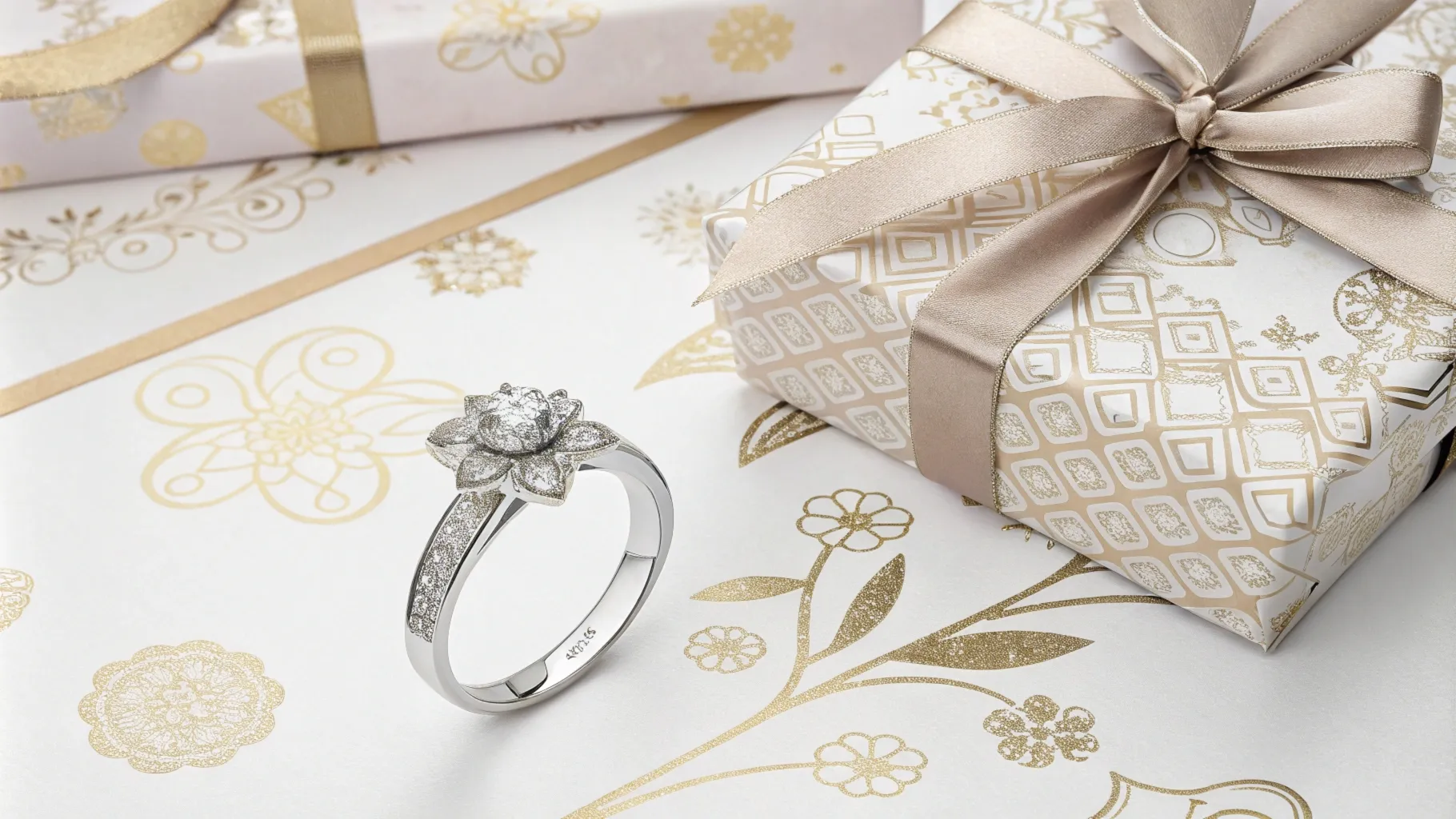
Richpack · Creativity meets emotion create your own Engagement Ring packaging Okay, picture this: You’re down on one knee, heart pounding, about to ask the biggest question of your life. You reach for the ring…, and it’s nestled inside a box that’s as unique and special as your love story. That’s the power of a… Continue reading Jewelry Packaging with Velvety vs. Soft Fabric Linings: Which Offers More Premium Feel?
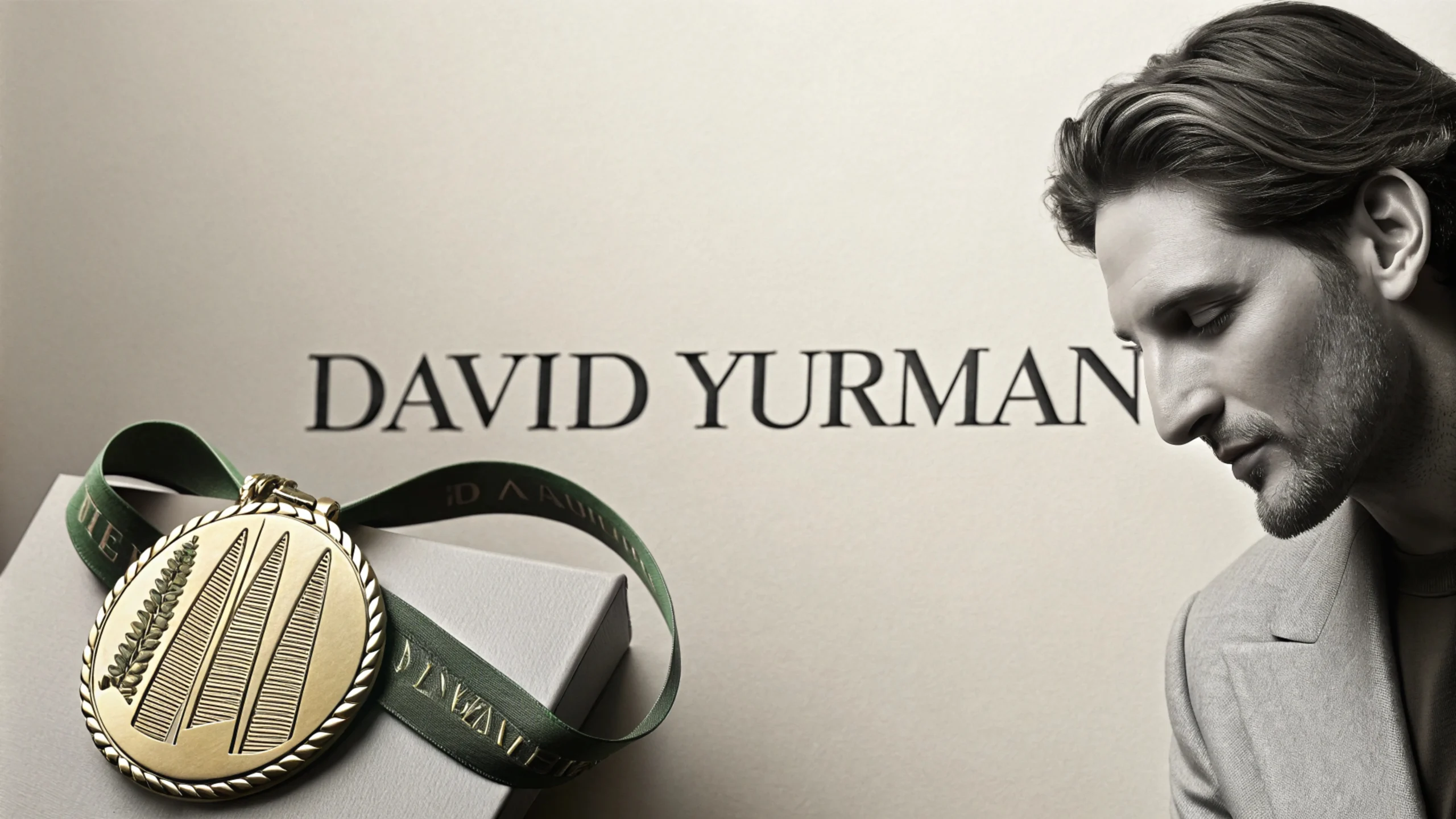
Richpack · Simple vs. Luxury: David Yurman Jewelry Packaging Guide When we searched for the benefits of packaging on Google, it immediately showed us 24 benefits of packaging at the top. It can be seen that good packaging is friendly to brands, customers and even the earth. So, what kind of jewelry packaging does David… Continue reading Jewelry Packaging with Velvety vs. Soft Fabric Linings: Which Offers More Premium Feel?
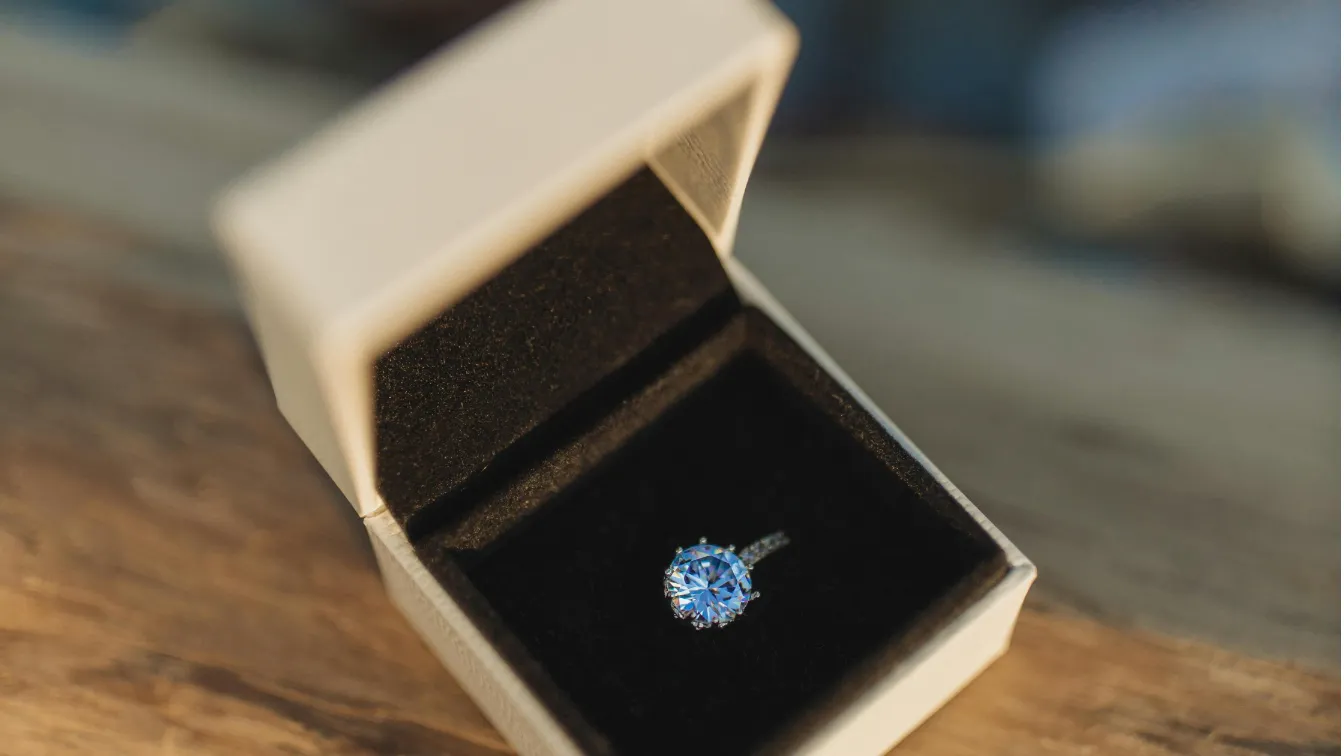
The first impression of your brand probably starts with your packaging. While well-designed packaging can help you captivate customers, inadequate packaging can undermine your brand’s image. We will introduce creative jewelry packaging design, from minimalist gift boxes to eco-friendly options, and several tips to help you choose the right packaging in this blog. Let’s keep reading, and… Continue reading Jewelry Packaging with Velvety vs. Soft Fabric Linings: Which Offers More Premium Feel?
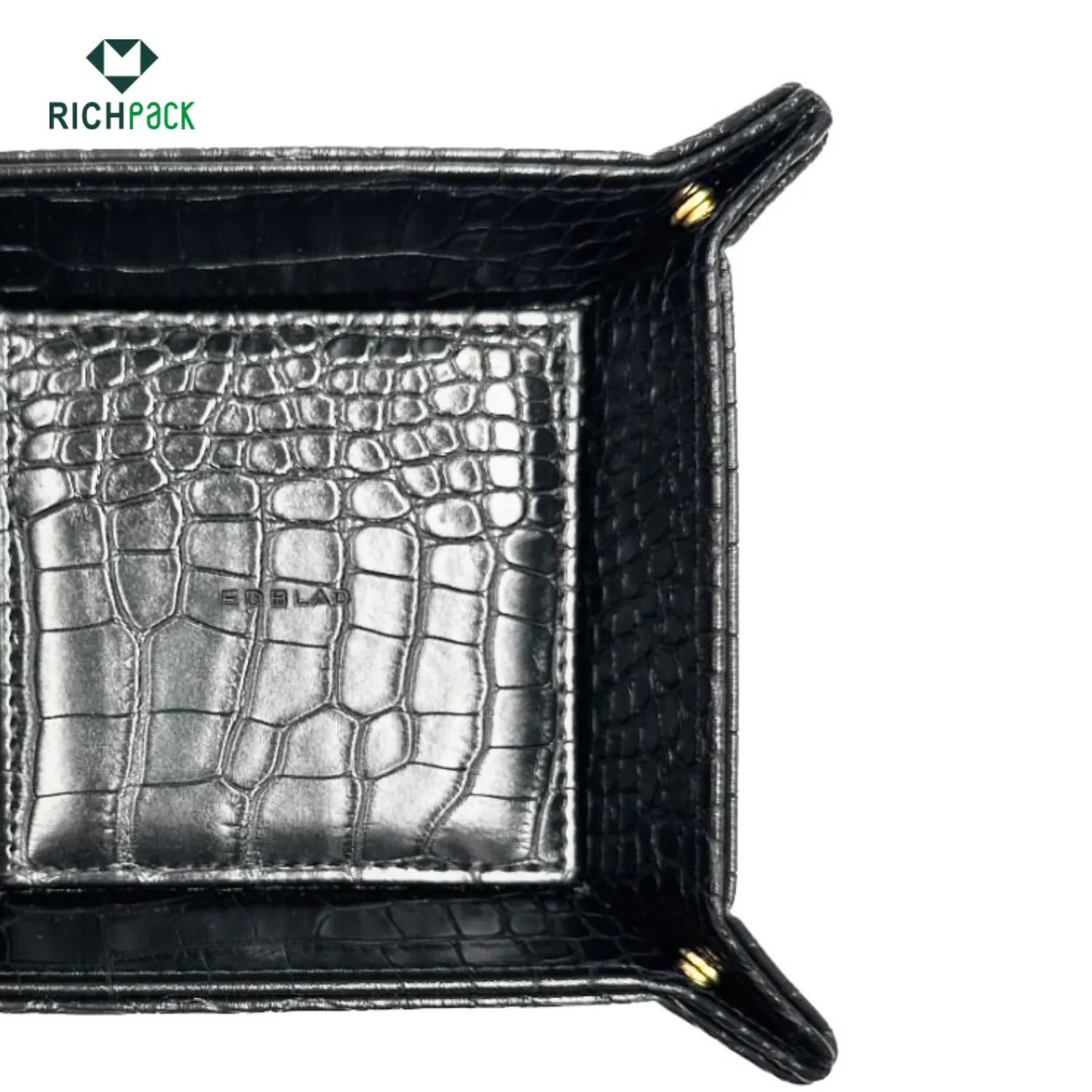
Special Counter Good Quality black custom color size stackable Leather Jewelry Tray display For Jewelry Showcase Window
View More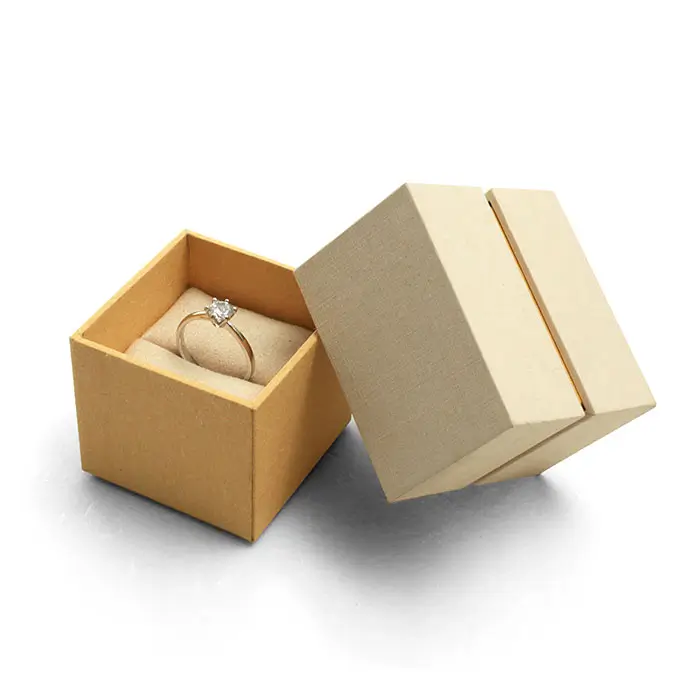
Affordable Gift Boxes with Custom Designs for Boutique Jewelers | Tailored Packaging Solutions | Budget-Friendly Options Available
View More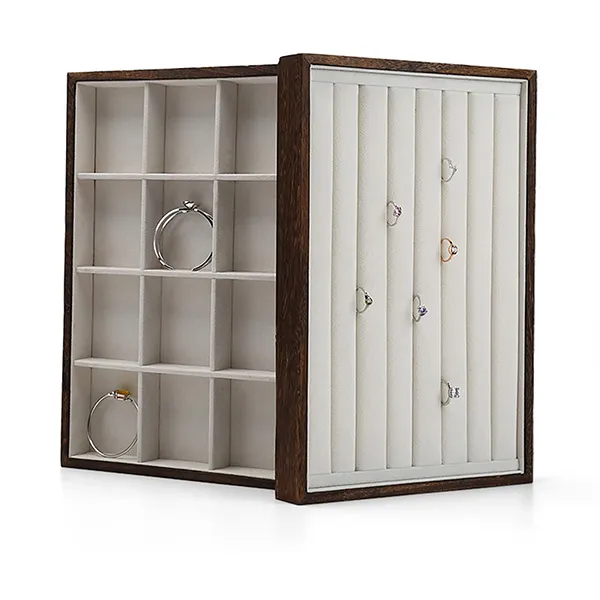
Bespoke Handcrafted Wooden Jewelry Trays with Custom Engravings | Tailored Display Solutions for Suppliers and Retail Businesses Needing Custom Manufacturing
View More
Just submit your email to get exclusive offers (reply within 12 hours)