


 PREV

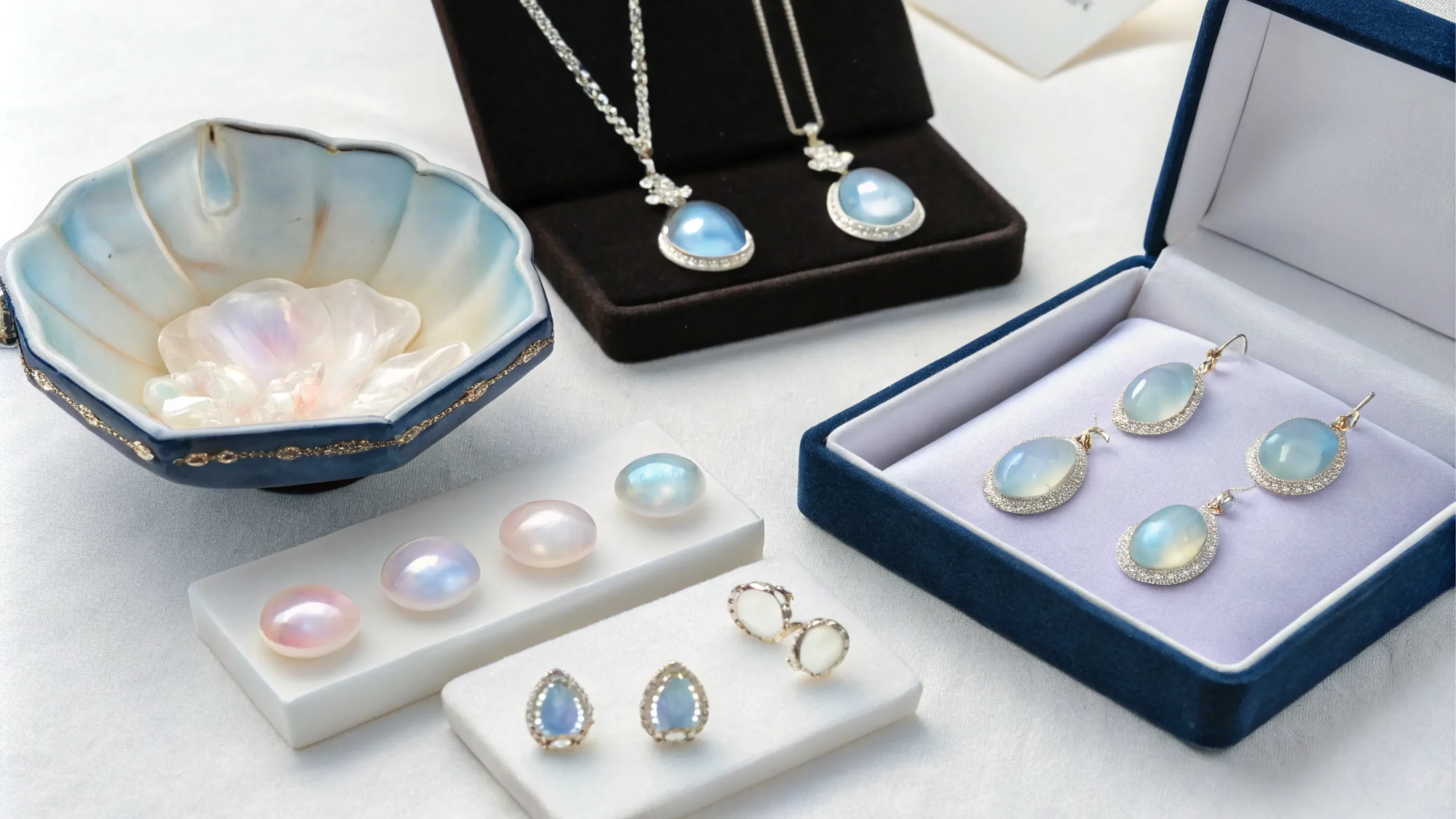
2026 Top 7 Packaging Trends for Moonstone Jewelry
2024-12-05




A branded box can make a jewelry order feel more valuable, more gift-ready, or easier to remember. Those are useful possibilities, but they are not an ROI result by themselves. A retailer needs to know which customer touchpoint changed, which costs moved, and how many contribution-producing orders are needed to recover the investment.
This guide separates three things that often get mixed together: financial outcomes such as contribution and verified cost savings, behavior signals such as repeat purchase and referrals, and attention signals such as unboxing posts. It also separates pre-purchase packaging exposure from the post-checkout DTC experience.
You will get a full-cost model, a break-even order method, a metric map, and a low-risk test plan for one jewelry SKU or channel. The examples marked illustrative are planning inputs only. They are not RichPack customer results, prices, or industry benchmarks.
Branded jewelry packaging can influence several business outcomes, but the effect depends on when the customer sees it. A box on a retail shelf or product page can shape a purchase decision before checkout. A box inside a DTC shipment reaches the customer after payment, so its measurable role shifts toward satisfaction, sharing, repeat purchase, and service outcomes.
That timing matters. A retailer should not credit a post-checkout box for an order that was completed before the customer saw it. Start by mapping the touchpoint, then choose the outcome that the packaging could reasonably influence.
Packaging can support conversion before purchase when the buyer can see it. This applies to a display case, a gift counter, a product photo, or a product page that shows the complete presentation. The relevant comparison is then between similar products or traffic groups where the presentation changed and the other sales conditions stayed close.
For example, a branded ring box may help a store communicate price position beside a similar ring in a plain box. That does not prove the box caused a sale. Price, metal, stone, sales associate, promotion, and display position can all change the result. Track conversion or attach rate by comparable SKU, and record whether the packaging was visible before the purchase.
In DTC, the package often validates a decision the customer has already made. The box, insert, pouch, and outer mailer can still affect how the customer judges the brand after the order. That creates measurable questions: Did the order arrive intact? Did the customer review it? Did the customer return for another purchase? Did the customer contact support about a loose chain, a scratched surface, or a confusing care instruction?
Treat these as post-purchase outcomes. A good test compares customers who received the changed packaging with a comparable group that received the baseline version. Keep the product, price, shipping promise, and promotion visible in the test record.
Jewelry packaging can also affect the gift path. A rigid box, a clean insert, and a finished presentation may make the item easier to give without extra wrapping. The useful financial question is not whether the package looks gift-ready. It is whether gift orders, gift-set attach rate, or gift-related conversion changed for a comparable group.
Separate gift and self-purchase orders where the data allows it. A holiday spike can raise gift sales even when packaging has no incremental effect. The packaging field should sit beside the order data, not replace it.
Repeat purchase is a stronger financial outcome than a social impression because it can be tied to a customer and a contribution margin. It still needs a defined window. A 30-day repeat window may fit a charm brand with frequent replenishment, while a bridal or fine-jewelry brand may need a longer cycle.
Build cohorts by first order date and packaging version. Compare the share of customers who place a second order within the same window. Then calculate the contribution from those additional orders. A higher repeat rate without a contribution calculation is evidence of a behavior change, not a finished ROI result.
Protection can create a financial return when the packaging change prevents a real cost. Jewelry teams can track damaged-on-arrival claims, replacement shipments, return shipping, support time, and product loss. A custom insert may reduce movement for a specific ring or necklace, but the saving must be measured from the brand’s own claims and fulfillment records.
Do not use a general industry damage rate as the expected result. Record the product, packaging version, damage reason, route, and resolution cost. This also gives the buyer a useful brief for reviewing custom jewelry boxes with a logo when the next step is a sample rather than a full production order.

Unboxing posts, tagged photos, and referrals can help a brand, but visibility is not the same as revenue. Keep social shares as a leading indicator unless the post connects to a trackable order, referral code, or tagged campaign. Even then, discount cost and channel overlap belong in the calculation.
The same rule applies to a branded pouch that stays in a customer’s drawer. It may extend brand exposure, but a retailer should report that as a proxy until it can connect the exposure to a qualified visit, referral, or order.
The most useful metric is the one that links a packaging change to a business decision. Start with contribution margin and verified avoidable cost. Add AOV, repeat purchase, damage, and referral measures only when the definition, comparison group, and observation window are clear.
| Metric group | What it can answer | Minimum data needed | What it cannot prove alone |
| Contribution per order | How much one additional order can contribute after variable costs | Selling price and variable cost definition | That packaging created the order |
| AOV / attach rate | Whether order value or product mix changed | Order value, SKU mix, promotion, channel | Higher profit if margin fell |
| Repeat cohort | Whether more customers returned in a defined period | First order date, packaging version, second-order window | Causal lift without a comparable group |
| Damage / returns | Whether avoidable service and replacement costs changed | Reason code, replacement cost, shipping and labor | Total return performance if reasons are mixed |
| Referral / UGC | Whether packaging created trackable attention | Referral code, UTM, tagged order, post count | Cash ROI from impressions alone |
Contribution margin is the amount left from an order after the variable costs that rise with that order. Each business defines those costs differently, so the finance owner should document the rule before the test starts. Packaging labor, payment fees, product cost, shipping subsidies, and commissions may belong in the calculation depending on the decision being made.
Use the same definition for the baseline and the test. A changing margin definition can make a packaging change look profitable or unprofitable without any operational change.
AOV answers how much an order is worth on average. Attach rate answers whether customers add another item or choose a set. Both can reveal a change in buying behavior, especially when packaging is visible in a gift or display context.
They are not the same as profit. A promotion can lift AOV while reducing margin. Compare the same product group, price rules, and discount conditions before treating an AOV change as a financial benefit.
Measure repeat purchase by cohort rather than by a single site-wide percentage. Group customers by first order date and packaging version, then use a fixed repeat window that fits the category. Include customer acquisition source when possible because paid, organic, wholesale, and referral customers may follow different buying cycles.
The output should be additional contribution from additional orders. A repeat-rate change is a useful signal, but it becomes an ROI input only after the retailer applies its contribution margin and attribution rule.
Count the cost of a damaged order across the full resolution path. That may include a replacement product, a second shipment, customer-service minutes, reverse logistics, and a lost future order. Use reason codes so ordinary preference returns do not get mixed with packaging-related damage.
For jewelry, the record can include movement, chain tangling, surface scratches, crushed corners, missing components, or tarnish concerns. The purpose is not to promise that a specific insert will solve every issue. It is to identify which failure a new structure is meant to reduce and whether the cost actually changed.
Count a photo, review, or tagged post as a leading indicator until it connects to a measurable action. A referral order can enter the ROI model when the brand can identify the referral source and calculate the order’s contribution after any reward or discount.
Do not count the same customer twice by adding a repeat order, a referral order, and a UGC value estimate when one order represents all three. Choose one financial treatment for the order and keep the other behaviors in the supporting metrics table.

Packaging ROI should answer one practical question: how much additional contribution or verified saving did the packaging change create compared with the full incremental investment? Start with the baseline package, calculate the difference in usable landed cost, and add only monetary gains that the test can reasonably attribute to the change.
The U.S. Small Business Administration defines unit break-even as fixed costs divided by price per unit minus variable cost per unit. For packaging, the same logic helps a buyer calculate how many contribution-producing orders are needed to recover an upgrade. The formula does not predict that the packaging will create those orders. It tells you the threshold that the measured result must reach.
Choose the package that would have shipped without the upgrade. It may be a stock ring box, a plain pouch, an existing mailer, or the current branded version. Record its usable landed cost and the order conditions that go with it.
The baseline should cover the same SKU, channel, shipping route, and period as the proposed test. A 0.30 stock box used in a store is not a fair baseline for a 1.20 DTC presentation box if the new option also changes the outer shipper, packing labor, or freight class. Define what the baseline protects, what it costs, and what the customer sees.
Unit price is only one line in the model. Count the costs that change because of the packaging decision:
| Cost input | What to record | Why it matters |
| Unit packaging delta | Proposed usable unit cost minus baseline usable unit cost | Captures the recurring change per order |
| One-time charges | Structural design, artwork, sample, plate or tooling fees | Must be recovered even if they do not appear on the unit price |
| Freight and delivery | Inbound freight, duties, handling, and delivery to the operating site | A low factory price can have a higher landed cost |
| Usable yield | Damaged, misprinted, rejected, or unusable units | Divides the paid quantity by the units that can ship |
| Inventory exposure | Storage, cash tied up, obsolescence, and write-off risk | A large order can create a cash cost before it creates a benefit |
| Packing labor | Extra seconds, training, assembly, or insert handling | A new opening sequence can change fulfillment cost |
| Avoidable failure cost | Replacement, reshipment, support time, or damage claims | A verified saving can offset higher packaging cost |
The actual fields belong in the buyer’s quote and finance records. RichPack’s public pages show custom box, design, material, insert, and sampling options, but they do not provide a universal price, MOQ, lead time, or ROI outcome for every project. Treat those fields as quote inputs.
Revenue is the amount collected. Contribution margin is the amount left after the variable costs that the business chooses to include in the decision. Break-even calculations should use contribution margin because an extra 100orderisnotanextra100orderisnotanextra100 of money available to recover packaging cost.
For a simple order-level model:
Contribution per additional order = selling price – product cost – variable selling and fulfillment costs
Use one consistent definition in the baseline and treatment groups. If the packaging change also changes the selling price, product bundle, shipping charge, or discount, record those changes separately. Otherwise the test will mix packaging with pricing and merchandising.
Use the following transparent model:
Incremental packaging ROI = (attributable incremental contribution + verified avoided costs – incremental packaging investment) / incremental packaging investment
The incremental packaging investment is the total extra cost caused by the change during the test period. Attributable incremental contribution is the contribution from additional orders that the test can reasonably connect to the packaging change. Verified avoided costs can include measured reductions in replacement shipments, packaging labor, or other documented costs.
Do not insert a hoped-for conversion lift just to complete the equation. Run the model with no sales lift first. Then add conservative, base, and upside scenarios as planning cases. Label them as scenarios and replace them with observed values after the test.
The break-even order target is:
Break-even additional orders = incremental packaging investment / contribution margin per additional order
Illustrative example only: assume a retailer spends an extra 1,800 on a pilot, including a one-time sample and the additional cost of the test quantity. Assume the contribution margin on one additional order is 45. The break-even target is 40 additional orders. That number is a threshold, not a prediction. The retailer still needs a test that can distinguish packaging impact from a seasonal promotion, a new product, or a different traffic mix.
If the packaging also saves 300 in verified replacement and labor costs during the same period, the net investment becomes 1,500 for the break-even calculation. Keep the saving documented. Do not count the same avoided return again as a higher repeat-purchase value.
Scenario modeling is useful when a new package has no historical result. Keep the inputs visible:
| Scenario | Attributable extra orders | Contribution per order | Verified avoided costs | Incremental investment | Reading |
| Conservative | 0 | $45 | $0 | $1,800 | No financial payback yet |
| Base | 40 | $45 | $0 | $1,800 | Break-even |
| Upside | 60 | $45 | $300 | $1,800 | Payback after evidence confirms both effects |
All values above are illustrative. They are not RichPack pricing, customer data, or an industry benchmark. A real model should use the retailer’s order contribution, usable packaging quantity, freight, labor, claims, and observed test results.
One order can create several signals. A customer may post an unboxing video, place a second order, and refer a friend. Those are useful observations, but they do not automatically create three separate monetary benefits. Choose one attribution rule for the order, then keep the other signals as supporting evidence.
The same discipline applies to costs. If a better insert reduces a damage replacement, do not also count the same replacement as a return-rate saving and a service-cost saving unless the accounting record shows separate costs. A clean model is more useful than a large model with overlapping claims.

A packaging test should answer one decision, use one clear treatment, and record the conditions that could change the result. Do not redesign the entire packaging system, launch a new collection, change the discount, and then call every outcome a packaging result. Start with a hero SKU, a baseline, and a customer touchpoint that the package can actually influence.
Choose a product with enough order volume to produce a useful comparison and a packaging problem that you can describe in one sentence. That might be a ring that needs a better gift presentation, a necklace that moves inside the box, or a DTC order that arrives with a plain pouch and no care card.
Choose the channel at the same time. Store-shelf tests need a pre-purchase measure such as conversion, attach rate, or gift selection. DTC tests should focus on post-purchase outcomes such as damage claims, reviews, customer support, repeat purchase, or trackable referrals. A single test should not try to answer both questions at once.
Change one main variable when attribution matters. The variable could be a fitted insert, a branded box, an insert card, or a complete presentation set. If the package has several coordinated parts, define the treatment as a bundle and keep the baseline bundle visible in the test record.
The public package design service page describes structural design, samples, testing and artwork steps. Those are useful questions for a sample brief, but they are not evidence that a specific change will create a specific financial return. Ask the supplier to build the sample around the failure or behavior the test is meant to measure.
The cleanest option is a matched group: similar orders receive the baseline or the new package during the same period. If a true split is not practical, use a staggered rollout. Launch the new package for one comparable SKU, store, region, or week, then compare it with a similar period that did not receive the change.
Write down the matching rules before launch. They may include SKU, order value, customer type, channel, geography, shipping route, promotion, and product availability. The goal is not to make a perfect experiment. The goal is to make large differences visible before you spend more on a full run.
Record where the customer could see the package. A store display, product page, or sales-counter presentation can be part of the purchase decision. A box inside a DTC shipment cannot explain the first checkout unless the customer saw the same packaging in a product photo or previous order.
For a DTC test, connect the package version to order, review, support, repeat, and referral records. For a store test, connect it to comparable sales and gift or attach behavior. Keep the two data paths separate in the report.
Jewelry sales change with holidays, proposals, weddings, launches, promotions, paid traffic, and product mix. A packaging change made before a strong seasonal event may look successful even if the same result would have happened without it.
Record every major change beside the test. The case-study pages read in this research often combine packaging, gift sets, staff scripts, social incentives, product changes, and seasonal timing. That makes a good story, but it does not isolate packaging. Treat those pages as content signals, not as proof of causation.
Choose an observation window that matches the customer action you want to measure. A damage test may show a signal soon after delivery. A repeat-purchase test may need the brand’s normal reorder cycle. A referral test may need enough time for the recipient to act.
Set the decision rule before the results arrive. For example: scale if the test reaches the break-even contribution without a material increase in damage or service time; adjust if the customer response is positive but the cost or packing time is too high; stop if the package creates no measurable improvement and ties up cash or inventory. These are decision rules, not universal benchmarks.
| Test field | Example input to define | Why it belongs in the record |
| Hero SKU | One ring, necklace, or set | Keeps product fit and customer need clear |
| Baseline | Current box, pouch, insert, and landed cost | Makes the incremental change visible |
| Treatment | One branded or structural change | Limits attribution drift |
| Channel | Store, product page, DTC shipment, or gift order | Defines when the package can matter |
| Window | A period tied to the target behavior | Avoids arbitrary success dates |
| Monetary result | Contribution, verified saving, or avoided loss | Connects the test to ROI |
| Leading result | Review, tagged post, support issue, or gift choice | Shows behavior before financial proof |
| Confounders | Price, promotion, season, product, traffic, staffing | Prevents overclaiming |
| Decision | Scale, adjust, repeat, or wait | Turns evidence into action |

Invest when the incremental model is recoverable within the brand’s cash and inventory limits and the packaging has a measurable customer touchpoint. Adjust when the experience works but the package costs too much, takes too long to pack, or creates a new failure. Wait when demand, product mix, fulfillment, or the package itself is changing too quickly to judge.
Custom packaging ties cash to a design and a quantity. If a product is still being validated, the brand may learn that the SKU, size, or visual identity needs to change before the inventory is used. A stable reorder pattern makes the cost model easier to read because the business can compare planned usage with the orders needed to recover the investment.
This does not mean a small brand must wait for a large catalog. It means the first run should fit the product’s current stage. A focused sample or limited run can be a better decision than a full suite.
Choose a SKU where the packaging solves a visible problem. A gift-heavy item may need a presentation that is easy to hand over. A high-value ring may need a stable insert and a box that supports the price position. A DTC necklace may need a structure that prevents movement and a care card that reduces support questions.
RichPack’s custom jewelry box collection lets a buyer review different box directions, while the custom ring box page is a more focused starting point for ring-specific sampling. These pages are next-step resources, not evidence that one box type will produce a particular return.
The lowest-risk path may be a staged system: start with a stock structure, add one branded element, then move to a fully custom structure when the product and demand justify it. Compare each stage using the same fields: usable landed cost, protection, packing time, inventory exposure, customer visibility, and testability.
For brands evaluating a broader service path, RichPack’s custom packaging service page describes a process that moves from requirements and design toward prototyping, production and quality review. The decision still belongs to the buyer’s model. A service page can explain the next conversation; it cannot replace the buyer’s baseline or test result.
The package can be profitable per order and still create a cash problem if the first run is too large. Add the expected usable quantity, reorder cadence, storage, design changes, seasonal risk, and possible write-off to the model. Ask how many months of stock the order represents and how many break-even orders must ship before the next design decision.
An insert page can help a buyer discuss fit and restraint for rings or earrings. A materials page can help frame material questions. Neither page supplies a universal cost or performance guarantee, so the sample and quote should carry the final fields.
Once the test is complete, turn the result into a buildable brief. Include the SKU and dimensions, product type, channel, expected quantity, logo scope, structure, insert, material, artwork, sample requirements, shipping route, full landed-cost fields, reorder timing, and the behavior or cost you want to measure.
RichPack’s custom projects page can help a buyer review the kind of customization questions to raise. A public Majorica case page can show how one named project describes its challenge and solution, but it does not prove a universal cost saving or ROI result. Keep the brief tied to your own SKU, order history, and test record.
For the wider brand-strategy context, the existing luxury jewelry packaging strategy guide remains the better resource. This ROI page should stay focused on the decision that follows the strategy: what to measure, what to fund, and when to stop.
It can be, when the package solves a measurable problem and the business can recover the incremental investment within its cash and inventory limits. Start with one hero SKU or a small test. Use the current package as the baseline, calculate the contribution needed to recover the change, and wait for evidence before placing a full-suite order.
Use the full incremental investment, not only the unit price. Add attributable incremental contribution and verified avoided costs, then subtract the incremental packaging investment. Divide the result by that investment. For the break-even order target, divide the investment by the contribution margin from one additional order. Label any sales scenario as illustrative until a test produces actual data.
It can support those outcomes when the package is visible at the relevant touchpoint, but packaging alone does not prove causation. Compare similar products, customers, channels and promotions. Calculate the contribution from any additional order rather than treating a higher AOV or repeat rate as automatic profit.
Include the unit-cost difference, design and sample charges, plates or tooling when applicable, freight and duty, usable yield, storage and inventory risk, packing labor, damage, replacement and service costs. A luxury gift box collection may help a buyer explore a gift-facing direction, but the actual ROI model still needs the quote and operating data for the selected SKU.
Choose one SKU and channel, keep one baseline, change one main packaging variable, and use a matched group or staggered rollout. Record seasonality, promotion, price, product and traffic changes. For damage or delivery questions, the brand can also review its jewelry shipping packaging guide as a separate operational resource. Scale only when the test reaches the decision rule and the inventory risk fits.
The ROI of branded jewelry packaging is not a universal sales percentage. It is a business case that connects a visible customer touchpoint to a measurable contribution or verified saving. The reliable order is simple: define the baseline, count the full incremental landed cost, use contribution margin, test one clear change, and separate packaging effects from seasonality, promotion, product and channel changes.
That process gives a retailer a useful answer even when the result is “wait.” If the package cannot reach a measurable customer touchpoint, if demand is still unstable, or if inventory risk is too high, a larger order should wait. If the test shows a recoverable contribution and the operational details work, the next step is a buildable supplier brief with SKU fit, structure, insert, materials, artwork, quantity, sample requirements, delivery scope and measurement target.
RichPack’s public custom packaging pages can support that next conversation. The commercial decision should still follow the buyer’s own baseline, contribution margin, quote and test evidence. No packaging supplier can replace those inputs with a generic ROI promise.
2024-12-05


2025-11-16

2024-11-05

2025-10-27
2025-10-08

2025-08-24

Bespoke Jewelry Boxes with Personalized Branding for Jewelry Labels | Tailored Packaging Solutions for Retailers
View More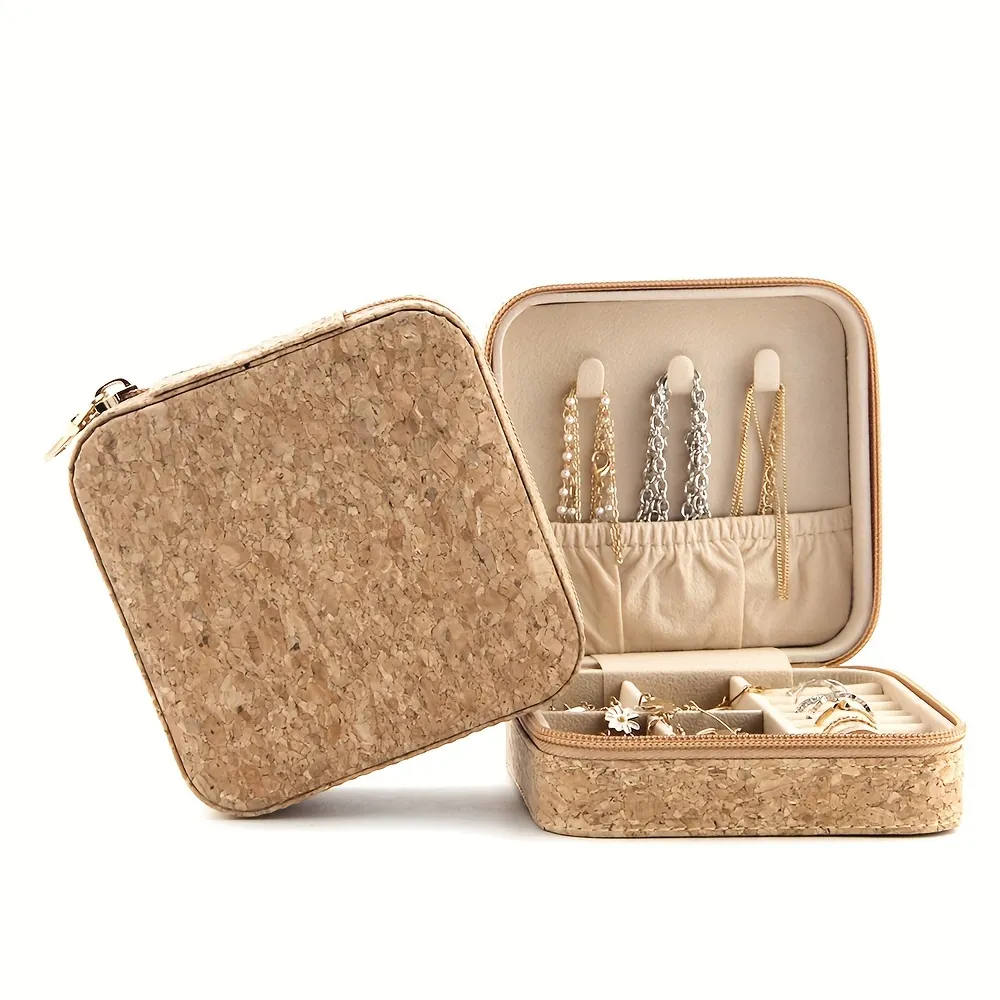
Compact and Cute Mini Travel Jewelry Organizer | Portable and Space-Saving Storage for Jewelry Retailers Needing Secure Travel-Friendly Solutions
View More
Eco-Friendly Custom Kraft Paper Bags for Sustainable Use – Sturdy Kraft Paper Bags with Richpack
View More
Holiday-Themed Gift Boxes for Christmas and New Year | Festive Packaging for Seasonal Gifts Customizable Designs
View More
Low-Cost Jewelry Boxes for High-Volume Buyers | Affordable and Customizable Packaging Solutions | Perfect for Bulk Orders Richpack
View More
Modern Jewelry Boxes by Richpack | Sleek, Contemporary Designs with Functional Storage and Decorative Elegance
View More

