

 PREV
PREV
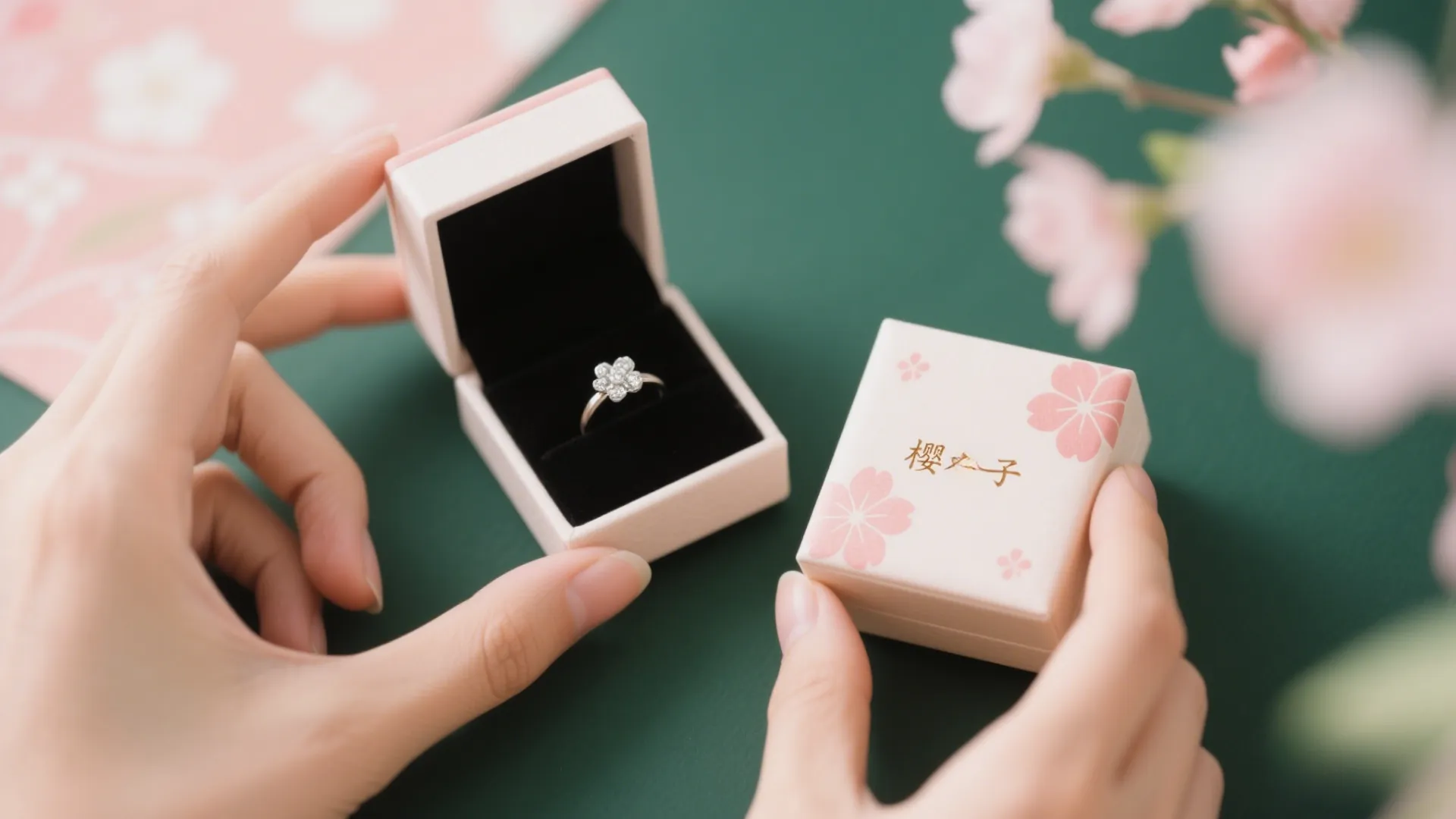
5 Jewelry Box Styles for Ring Gift Box: How to Choose the Perfect Case
2025-04-27
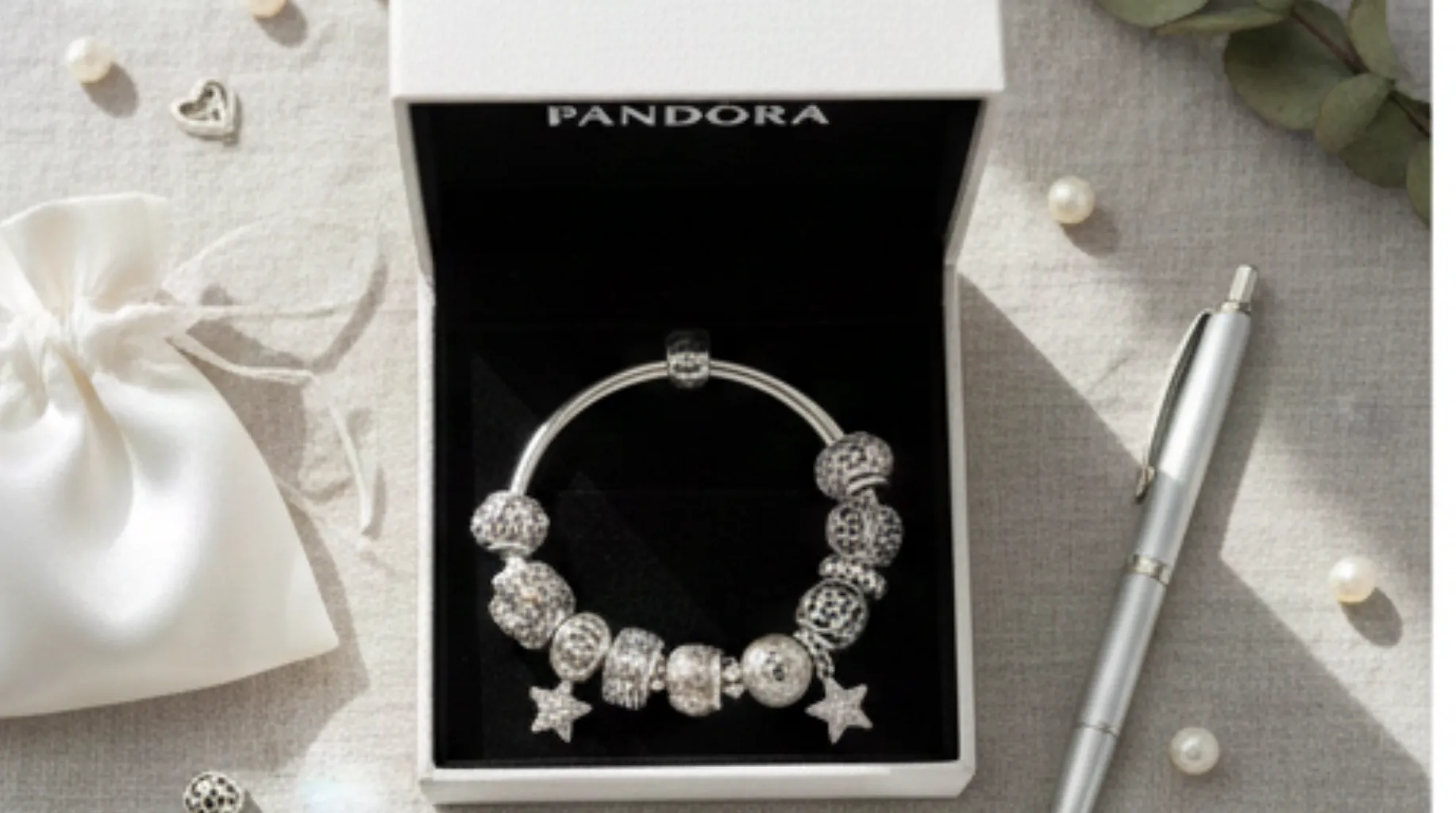


When someone spots “925” stamped inside a ring or necklace for the first time, it often sparks a bit of confusion: Is this a jewelry “ID card” or just some internal code? If you are a jewelry brand owner or an e-commerce seller, you’re likely less focused on the dictionary definition and more on what lies beneath: the quality, the after-sales risks, and how to use professional packaging to communicate the value of 925 silver to your customers. As a long-term partner providing packaging and anti-oxidation solutions for silver brands, Richpack Packaging has put together this guide to clarify what 925 really means, how to spot the real deal, why it tarnishes, and how the right packaging can delay discoloration, slash return rates, and boost repeat purchases.
In the jewelry world, “925” is a highly standardized technical term. It refers to a specific silver alloy: 92.5% pure silver mixed with 7.5% other metals (usually copper, but sometimes zinc or germanium). This is what we commonly call 925 silver or 925 Sterling Silver. Pure silver (99.9%) is naturally very soft—almost too soft for daily wear—so these alloy elements are added to increase hardness, durability, and structural stability during the manufacturing process.
In the U.S. and most international markets, any jewelry that hits the 92.5% silver mark and passes regulatory standards can be stamped with “925,” “STERLING,” or similar marks. It’s an industry-standard “fineness guarantee.” If you see a crisp 925 hallmark, it generally means the piece meets the mainstream quality threshold for standard silver. Of course, since stamps can be faked, we will dive into more advanced authentication methods later in this guide.
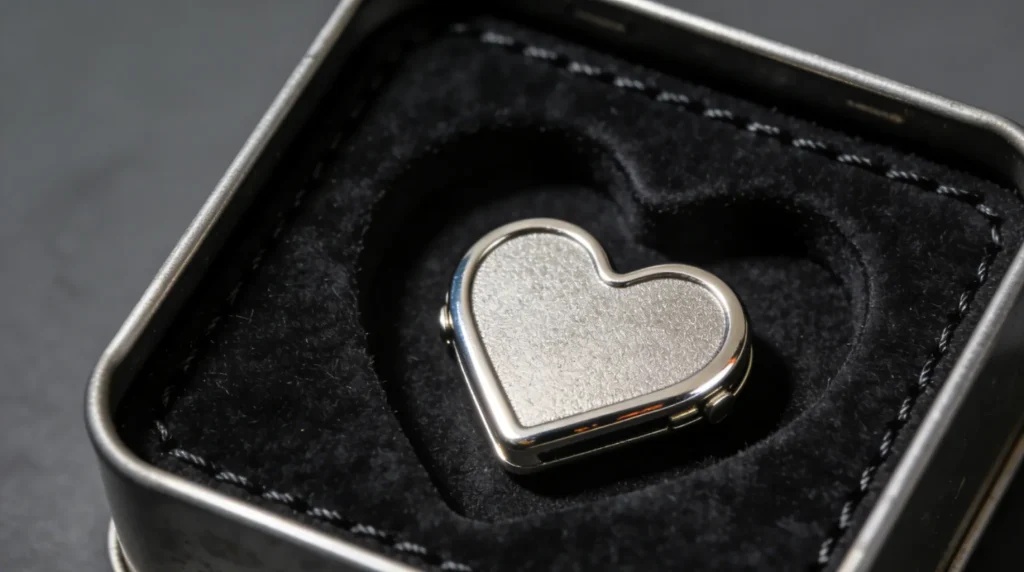
Many consumers believe “925 Silver” and “Sterling Silver” represent two different tiers of quality. However, from a strict metallurgical and regulatory standpoint, they are simply two names for the exact same thing. The international definition of “Sterling Silver” is an alloy system with 92.5% silver and 7.5% alloy; “925” is just that purity expressed in parts per thousand, stamped directly onto the piece.
In short: 925 Silver = Sterling Silver. Depending on the brand or region, you might see “925,” “S925,” “925S,” “STERLING,” “STG,” or “STER.” While a few countries have historically used a 95% standard (like certain French pieces), 92.5% remains the dominant global standard. On the other end of the spectrum, “coin silver” (90% silver) or “silver-plated” items fall significantly short of the 925 standard in terms of durability and long-term value. For brand owners, clearly explaining the relationship between “925” and “Sterling Silver” on your marketing materials or product pages is a great way to reduce customer disputes and build trust in your quality.
Once you understand the composition of 925 silver, it’s easy to see why it dominates the global market. Physically, it strikes a perfect balance between luster, ductility, and hardness. It retains the high reflectivity and brilliant “white” glow of precious silver while being tough enough to support complex stone settings, delicate lines, and adjustable structures. This makes it the “top choice” for designers and manufacturers alike.
From a market perspective, 925 silver is the quintessential “affordable luxury.” Recent research shows the global silver jewelry market reached approximately $38–$41 billion in 2024, with projections to grow beyond $61 billion by 2034 (a CAGR of roughly 4.7%). Sterling silver remains the absolute leader in the material category. Within the specific “Sterling Silver Jewelry” segment, the market is expected to maintain a steady 5–7% growth rate through 2030, often categorized by analysts as a high-growth “accessible luxury” track.
The primary demographic—consumers aged 20 to 40—contributes the largest share of silver sales. They seek minimalist, daily-wear designs and are budget-conscious, making them more willing to pay a “low-pressure” price for 925 silver compared to gold or platinum. In emerging markets like India, there is even a trend of “gold-plated 925 silver” replacing traditional heavy gold sets for weddings: it keeps the ceremonial look while drastically lowering costs.
For brand operators, 925 silver offers one often-overlooked advantage: it allows for high-frequency design updates and SKU expansion without tying up massive amounts of cash flow like gold does. This is particularly vital for agile brands built on social media and e-commerce. It’s exactly why so many cross-border independent sites and platform sellers focus their branding efforts on the 925 silver category.
Understanding the material is just the first step. When it comes to daily operations and product selection, the real challenge lies in identifying “genuine 925” and maintaining strict quality control across your supply chain. Verification typically follows a three-tiered approach: hallmarks, physical characteristics, and professional testing.
The primary and most essential step is to inspect the official hallmark. Compliant 925 silver jewelry is generally stamped with marks such as “925,” “S925,” “925S,” “STERLING,” “STG,” or “STER.” These are usually found on the inside of a ring shank, the back of a pendant, or on the clasp. These hallmarks are typically stamped or laser-engraved with clear lettering and professional placement.
If a product claiming to be 925 silver lacks any purity mark, or if the stamp is extremely blurry or misspelled (e.g., “295” or “S9255”), you should be highly cautious. A few exceptions exist for exceptionally small items like micro-stud earrings or ultra-thin bands where stamping isn’t feasible; in these cases, the material should be backed by a brand certificate or a batch test report. In mature markets like the U.S. and Europe, lower-purity silver items (such as 900 or 800 silver) are explicitly labeled as “coin silver” rather than being misrepresented as 925.
Without specialized equipment, the magnet test is an excellent “quick filter” for initial product selection. Theoretically, silver and its common alloy elements (copper and zinc) are non-ferromagnetic. Therefore, standard 925 silver will not be attracted to a strong magnet. If a piece claiming to be 925 is strongly attracted to a magnet, it likely contains a core of base metals like iron or nickel, meaning it is either silver-plated or a white-colored alloy rather than genuine sterling silver.
However, the magnet test only catches obvious fakes. Some stainless steels and low-nickel alloys are also non-magnetic but contain zero silver. Conversely, some high-quality jewelry clasps contain tiny internal steel springs that might show a slight magnetic pull. Use this test as your first line of defense, not the final word—it should always be combined with hallmarks, weight feel, and professional analysis.
Genuine 925 silver will inevitably undergo oxidation and sulfidization during use and storage. Interestingly, this reaction is a vital clue in determining authenticity. Pure silver reacts with sulfur compounds in the air (particularly hydrogen sulfide, H₂S) to form a layer of “silver sulfide” (Ag₂S). Because 925 is an alloy, the color shift usually progresses from a bright silver to a yellowish-gray, then brownish-gray, and finally a matte black “haze.”
This layer of tarnish is usually uniform and tends to appear in crevices, engraved grooves, and areas in frequent contact with skin. Most importantly, it can be restored to its original luster with a simple polish. In contrast, silver-plated items often show localized “peeling” that reveals a yellow or red base metal, or they may exhibit patchy pitting—classic signs of non-sterling materials. Even high-end 925 silver certified in the UK will slowly darken in high-humidity or sulfur-rich environments; this is a natural chemical reaction, not a sign of poor quality.
When you see an older piece with a natural, gradient patina in the corners that reveals bright silver after a gentle wipe, it is actually a strong signal that the piece is genuine silver.
For brand owners, large-scale buyers, or reputable pawn shops, visual and basic physical tests aren’t enough. Professional chemical and instrumental analysis is required. The most common is the acid test: a specialized reagent is applied to a tiny scratch on a touchstone or an inconspicuous area of the jewelry. The resulting color change indicates the approximate silver purity. While cost-effective and fast, this method is slightly destructive and provides a purity range rather than an exact percentage.
For high-value items and brand-level batch testing, X-Ray Fluorescence (XRF) analysis has become the preferred choice. XRF uses X-rays to trigger characteristic fluorescent signals from different elements, determining the exact percentage of each metal in seconds. It can easily distinguish between 999 fine silver, 925 sterling silver, and low-grade alloys, while also detecting traces of sensitive metals like nickel.
The most realistic approach for a jewelry brand is to select upstream manufacturers who provide third-party test reports (verifying Ag content ≥ 92.5%) and to perform periodic spot checks through local labs. Controlling material authenticity at the source is far better than reacting to consumer complaints about discoloration or allergic reactions later on.
Many consumers believe that “real silver shouldn’t turn black,” and some even equate tarnishing with “fake goods.” From a chemical standpoint, this is a total misconception. Even 925 silver that meets strict US and EU standards will undergo varying degrees of sulfidization and oxidation when exposed to air, moisture, pollutants, and skin oils.
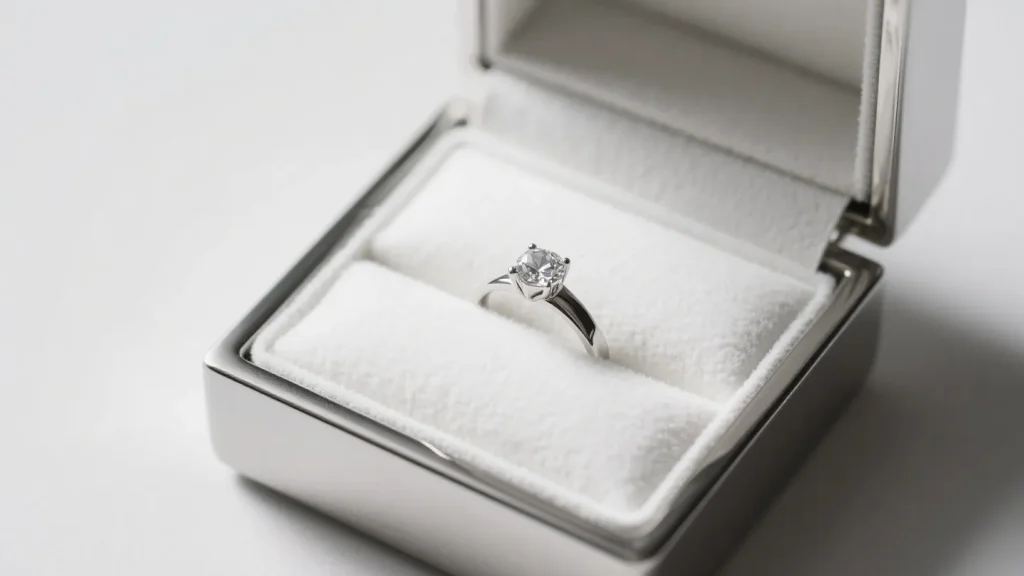
Many factors influence how fast 925 silver turns: environmental humidity and temperature, sulfur pollution in the air (common in industrial or coastal cities), the wearer’s skin pH, sweat composition, and exposure to cosmetics, perfumes, or detergents. Research shows that silver jewelry in high-pollution or high-humidity regions darkens much faster than in dry, inland areas.
For a brand, two things are paramount: first, educate your customers that 925 silver naturally tarnishes but can be easily cleaned; and second, implement the right surface treatments and packaging solutions to delay this process. Preventing a customer from opening a “yellowed” piece of jewelry upon delivery is the key to reducing return rates and improving the unboxing experience—this is precisely where Richpack Packaging focuses its expertise.
From an anti-oxidation perspective, the “first line of defense” for 925 silver isn’t a polishing cloth—it’s the packaging. Industry practice has proven that standard paper boxes or velvet bags only protect against scratches; they do nothing to block moisture or sulfur gases. To truly control tarnish rates in e-commerce and wholesale, you must consider “micro-environment control” and “material compatibility.” Building a scientific anti-tarnish packaging system is often more cost-effective for a brand than simply upgrading the plating.
The core philosophy of anti-tarnish packaging is creating a “micro-environment” that is friendly to silver. Professional materials (such as anti-tarnish paper, strips, or bags) work by actively absorbing and neutralizing corrosive gases in a sealed space, significantly slowing down the formation of silver sulfide.
For example, anti-tarnish tabs or paper inserts used inside jewelry boxes are infused with specialized chemical reagents that react with sulfur molecules before they can reach the jewelry. Depending on the volume-to-material ratio, these can provide protection for 1–3 years, with some high-performance materials lasting over a decade in sealed conditions. For e-commerce sellers, this ensures that even if inventory sits for a full season, it remains in “showroom condition” when the customer opens it.
Another option is the anti-tarnish poly bag. Unlike standard plastic bags—which can actually trap moisture and pollutants inside, causing localized darkening—these specialized bags are impregnated with anti-corrosion components to maintain a sulfur-free environment. Richpack Packaging often integrates these solutions into a systematic approach: combining anti-tarnish inner bags and strips with custom brand boxes to create a standardized, controllable protection level.
Once the external gases are managed, you must look at the materials in direct contact with the silver. Traditional foam, flocking, and felt can often contain sulfur, acidic residues, or un-cured adhesives that release gases in a sealed box, accelerating corrosion. This is a well-known issue in museum conservation and high-end silver storage.
Professional packaging practices prioritize three types of materials:
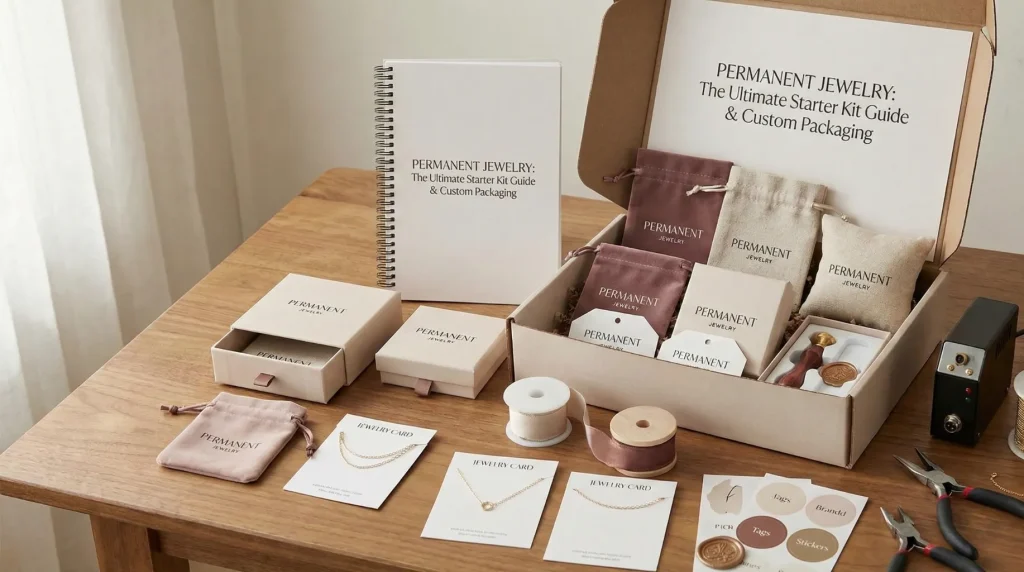
Many sustainable jewelry brands perform “stability tests” (1, 3, and 6-month trials) placing silver samples with various packaging materials to observe tarnish rates before finalizing their choice. Richpack Packaging follows this logic by excluding high-risk materials (like high-sulfur rubber or cheap EVA foam) and recommending eco-friendly, neutral-pH liners that ensure both beauty and safety.
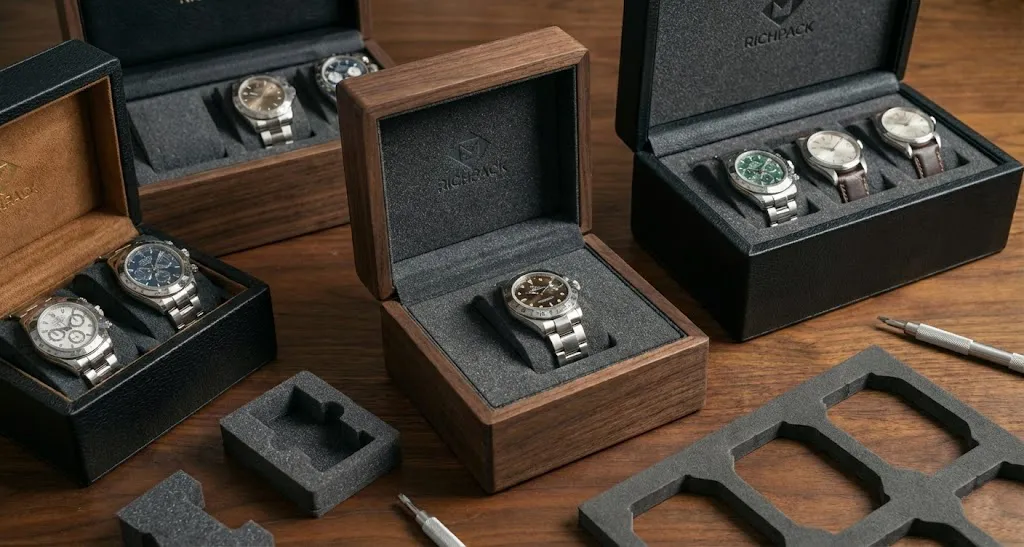
While the inner layers handle chemical safety, the outer layers manage physical protection—crush resistance, moisture barriers, and brand storytelling. For 925 silver, the quality of the outer box determines whether the piece survives the logistics chain without being crushed or exposed to humidity.
Many eco-conscious brands use FSC-certified rigid cardboard for the primary box, paired with custom-fit inserts to keep the jewelry stable. To further protect the custom magnetic gift box during shipping, brands often use corrugated mailers or honeycomb paper wrap. When these structures are paired with the anti-tarnish micro-environment mentioned above, 925 silver can remain virtually tarnish-free for 6–12 months, even under international shipping conditions.
Conversely, cheap single-layer cardstock boxes without any buffering often lead to a “crushed box — broken seal — moisture entry — tarnished silver” chain reaction. For mid-to-high-end 925 brands, cutting costs on outer packaging is usually a losing strategy.
E-commerce presents the toughest packaging challenge. Orders often travel across borders, enduring extreme heat, high humidity, and pressure changes. Simultaneously, consumers expect a high-end “unboxing ceremony” without excessive plastic waste.
With the share of fine jewelry sold online expected to hit nearly 20% by 2025—and silver being one of the fastest-growing segments—e-commerce-specific packaging is now a core product strategy.
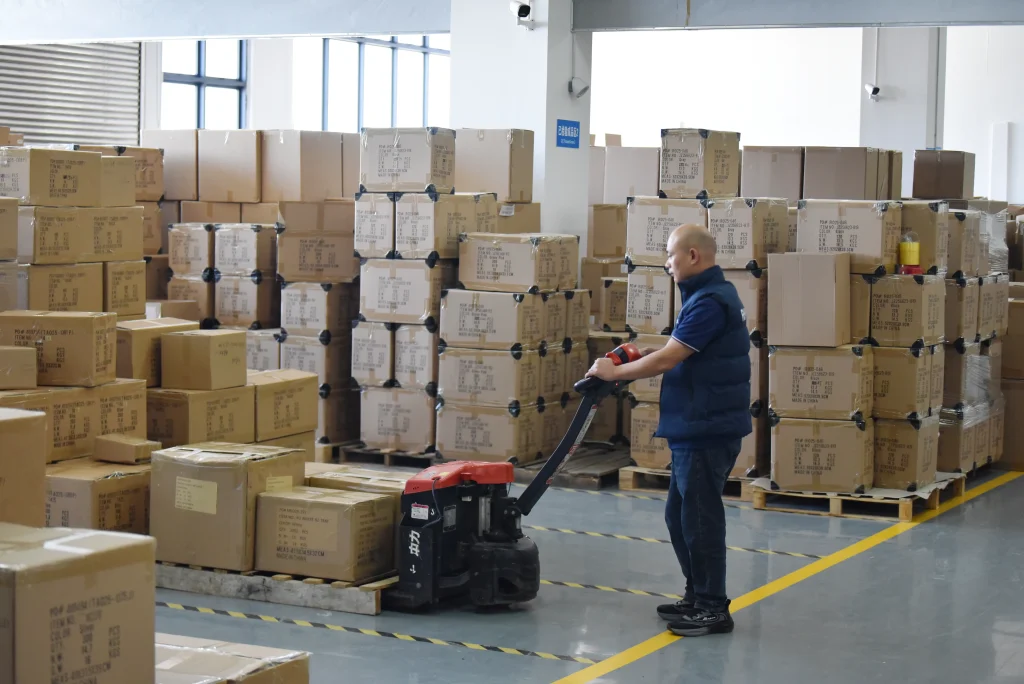
The recommended e-commerce workflow is:
Richpack Packaging provides an integrated solution for cross-border e-commerce, offering everything from custom-sized anti-tarnish bags to automated packaging-compatible boxes, helping brands minimize the risk of “tarnished-on-arrival” complaints and negative reviews.
Sustainability is no longer a niche; it’s a brand value extension. Research shows that 60%–80% of consumers are willing to pay more for sustainable packaging, and that number jumps to nearly 90% for Gen Z. For 925 silver brands, combining “anti-tarnish” with “eco-friendly” is a powerful differentiator.
This includes using recycled cardboard and kraft paper, honeycomb paper buffers, and organic cotton or linen reusable pouches. For the anti-tarnish component, brands can choose non-toxic, metal-free, and recyclable strips. Richpack Packaging has developed “Eco x Anti-Tarnish” combinations that use FSC-certified materials and hidden functional layers, allowing brands to achieve a clean, green look while quietly maintaining low tarnish rates and high repeat purchase rates.
If you view 925 silver jewelry as a complete “product system,” you’ll realize that the material and craftsmanship are only half the story. The other half consists of consumer education, authenticity verification, anti-tarnish packaging, and after-sales management.
Understanding the “925 = 92.5% Sterling” standard allows you to make confident supply chain decisions. Mastering verification—from hallmarks to XRF testing—filters out risk at the source. Finally, accepting that 925 silver naturally tarnishes allows you to take control through scientific packaging and eco-friendly materials. For any 925 silver brand or e-commerce project, these strategies translate directly into better reviews, lower after-sales costs, and long-term brand equity.
If you are planning to upgrade your packaging system or reduce tarnish-related returns in your high-volume shipments, the Richpack Packaging team is ready to design a custom solution for you here. From anti-tarnish inner bags to full-scale packaging systems for global e-commerce, we can create a plan that fits your product structure and budget.
By industry standards, 925 silver is the benchmark for high-quality silver jewelry. It is virtually as bright as 99.9% fine silver, but the addition of approximately 7.5% copper or other alloys significantly improves its hardness and durability. This makes it much better suited for everyday wear and intricate designs, which is why global regulatory bodies set 92.5% as the threshold for “Sterling Silver.” In the global market, 925 silver holds the highest sales and market share, viewed as the perfect balance between precious metal prestige and accessible pricing. As long as the craftsmanship and plating are handled correctly, 925 silver is absolutely considered a “high-quality” material.
From a resale or pawn perspective, 925 jewelry does have intrinsic value because it contains genuine precious silver. Most pawn shops and metal recyclers will accept 925 silver, though the payout is typically calculated as “Spot Price x Purity x Weight,” which is significantly lower than gold or platinum. In practice, a pawnbroker will verify the 925 hallmark and likely perform an acid test or XRF analysis to confirm the fineness. Jewelry with clear hallmarks and supporting lab reports is much easier to price and sell in the secondary market.
No, “925” refers strictly to silver purity and has no direct relation to gold. It literally means that 925 out of every 1,000 parts of the metal are silver. Therefore, when you see a “925” or “S925” stamp, it should be understood as “Sterling Silver,” not “925 Gold.” However, the market has seen a surge in “Gold Plated 925” or “18K Gold Vermeil” products. These use 925 silver as the base metal with a layer of gold on top, offering the look of gold at a fraction of the cost. Ethical brands clearly label these as “Gold Plated 925 Silver” to avoid consumer confusion and after-sales disputes.
925 silver possesses real “intrinsic value” linked to the international silver market. Unlike purely decorative base-metal alloys or costume jewelry, it maintains a baseline scrap value. However, the retail value of a 925 silver piece is determined by much more than just the metal weight; it includes design, brand equity, manufacturing complexity, and gemstone settings. For the consumer, the true value lies in “affordable longevity”—it won’t fade or break like cheap fashion accessories, yet it doesn’t require the high investment of gold or platinum.
The “925” stamp only defines the base metal; it does not restrict the type of gemstones used. It is technically and practically possible to set real diamonds in 925 silver. This is quite common in “bridge jewelry” or entry-level diamond pieces where brands use silver to keep the total price point accessible. While high-carat or investment-grade diamonds are traditionally set in gold or platinum for security and prestige, 925 silver is a viable option for micro-pave or small accent stones. When marketing “925 + diamond” combinations, it is vital to specify if the diamonds are natural or lab-grown and distinguish them from “diamond-like” simulants like Cubic Zirconia (CZ). By using professional anti-tarnish systems—like those provided by Richpack Packaging—brands can successfully build premium product lines in the “Silver + Genuine Stone” category.


2025-04-27

2025-01-08
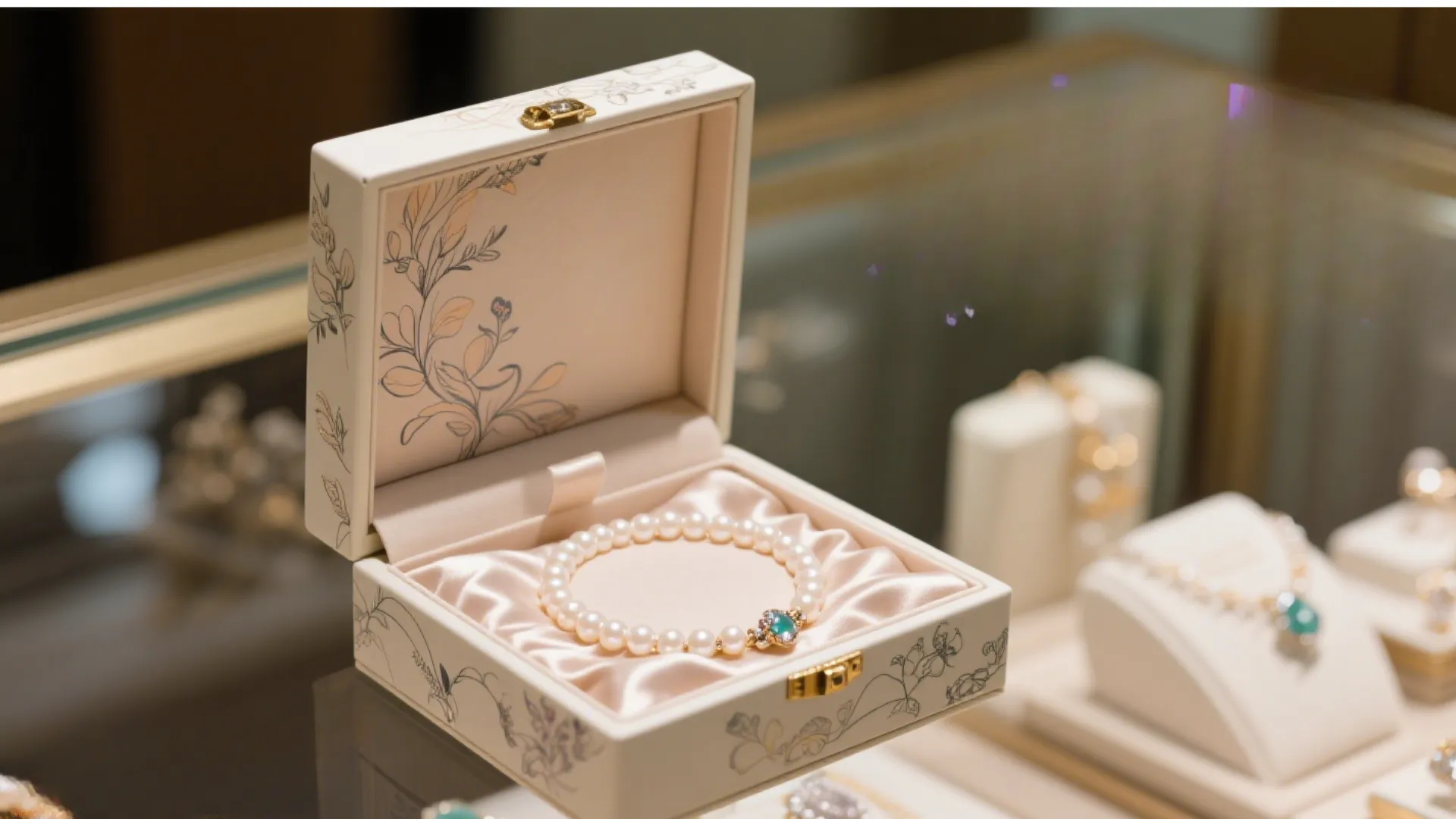
2025-06-16
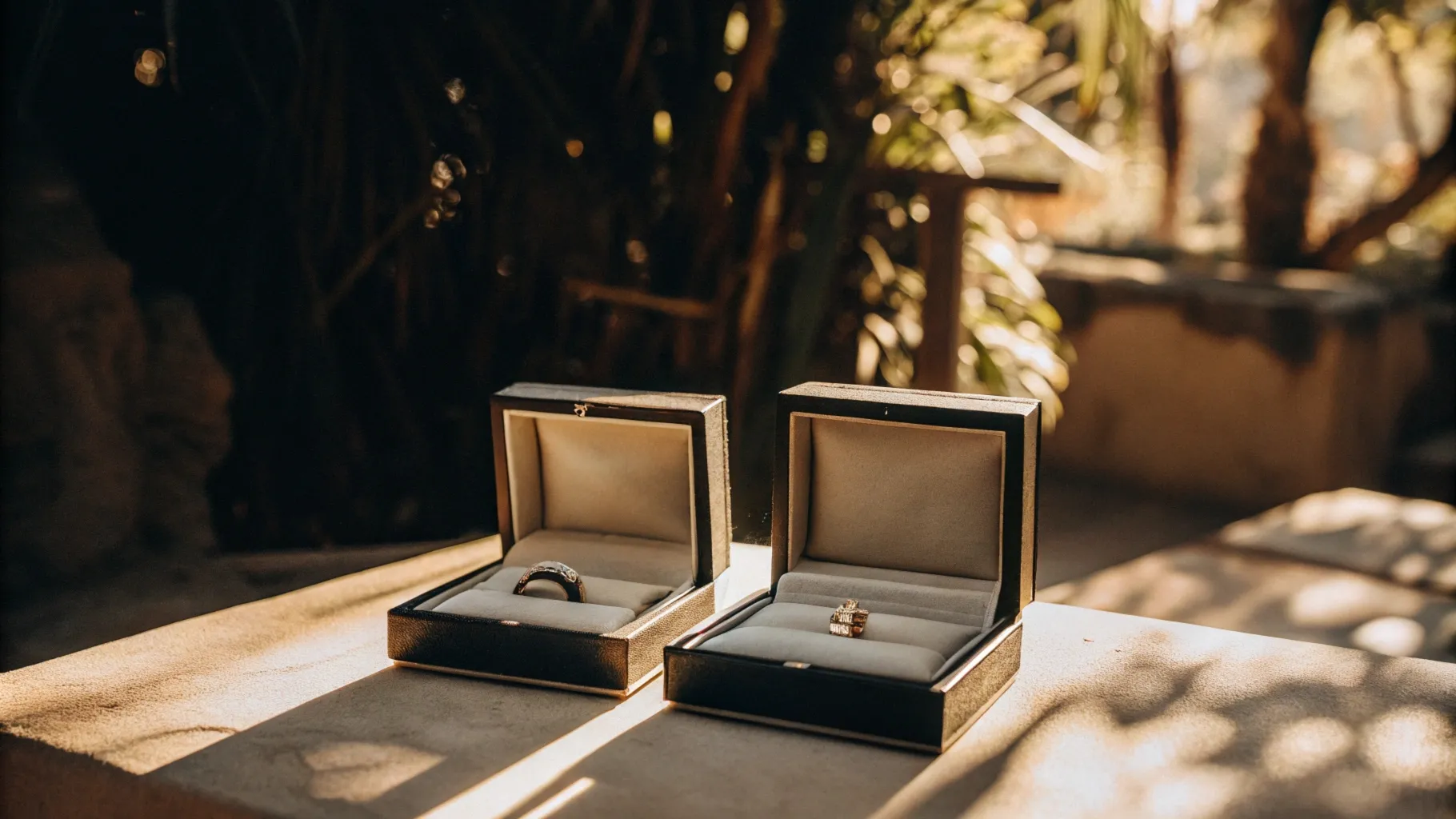
Richpack · Choosing the Right Hinged Box A Comprehensive Guide Hinged boxes have become a sustainable packaging solution, prized for their versatility and adaptability. According to the latest industry analysis, the global sustainable packaging market is experiencing robust growth, driven by innovations like plant-based plastics and materials. This guide examines the various types of hinged… Continue reading What Does 925 Mean on Jewelry and How to Packaging 925 Jewelry?
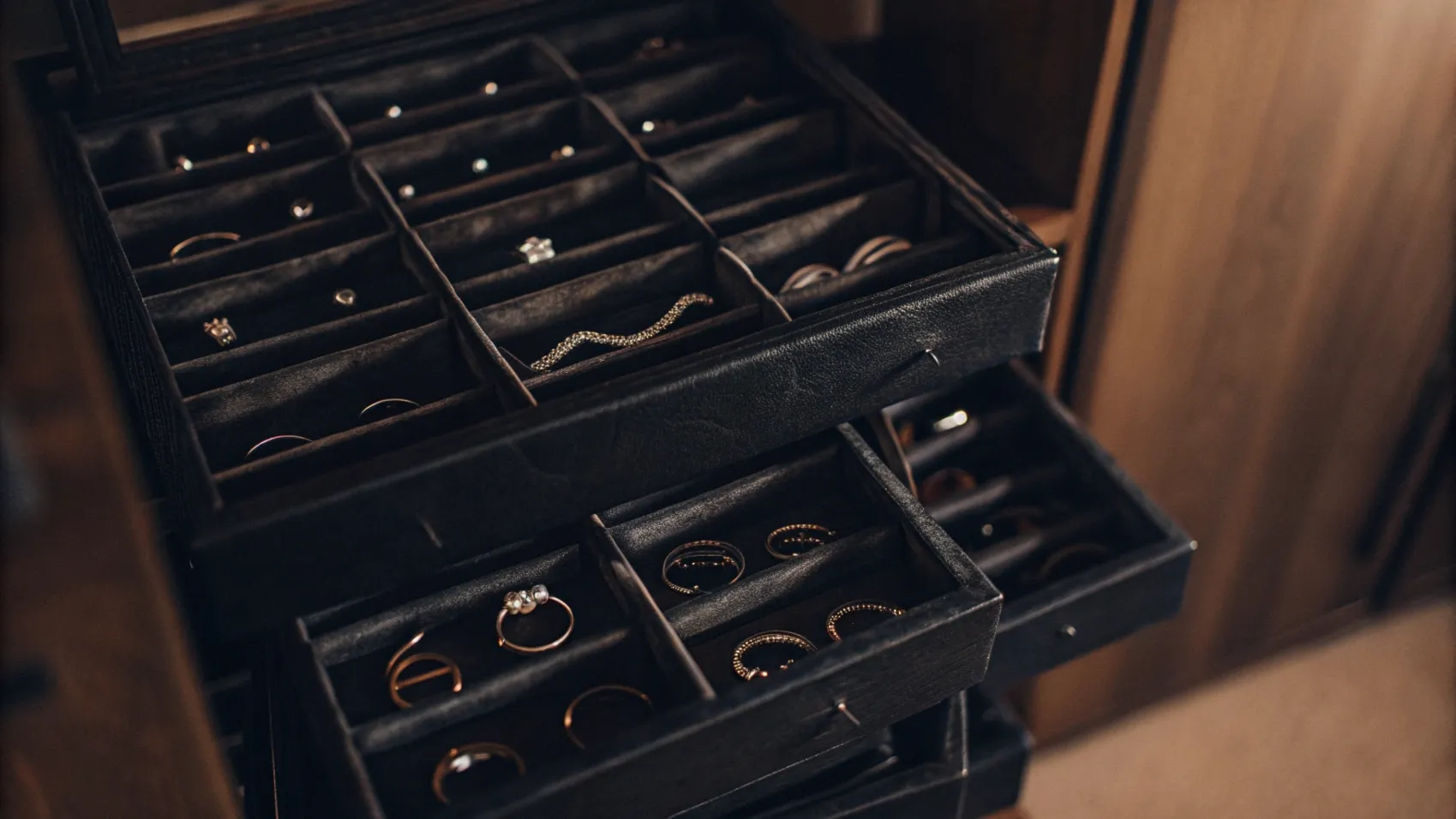
Industry experts and professional organizers agree: a custom-fit drawer tray is the single most effective method for protecting and organizing a valuable jewelry collection. It addresses the core failures of standard storage—wasted space and potential damage—by creating a tailored, protective environment for every piece you own. This philosophy is increasingly being adopted by luxury jewellers… Continue reading What Does 925 Mean on Jewelry and How to Packaging 925 Jewelry?
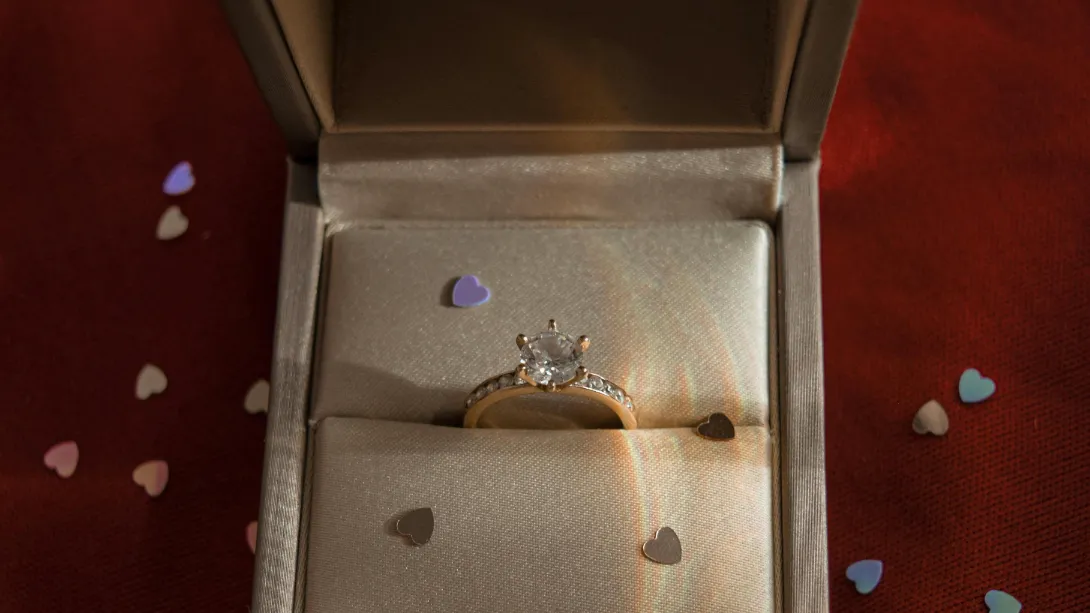
Custom jewelry packaging isn’t just making your jewelry look good. It focuses on creating the perfect mix of materials, designs, and techniques that truly represent your brand and meet your customers’ expectations. Understanding the key terms and techniques in custom packaging is crucial for any jewelry seller or brand manager. It helps you design better packaging and… Continue reading What Does 925 Mean on Jewelry and How to Packaging 925 Jewelry?
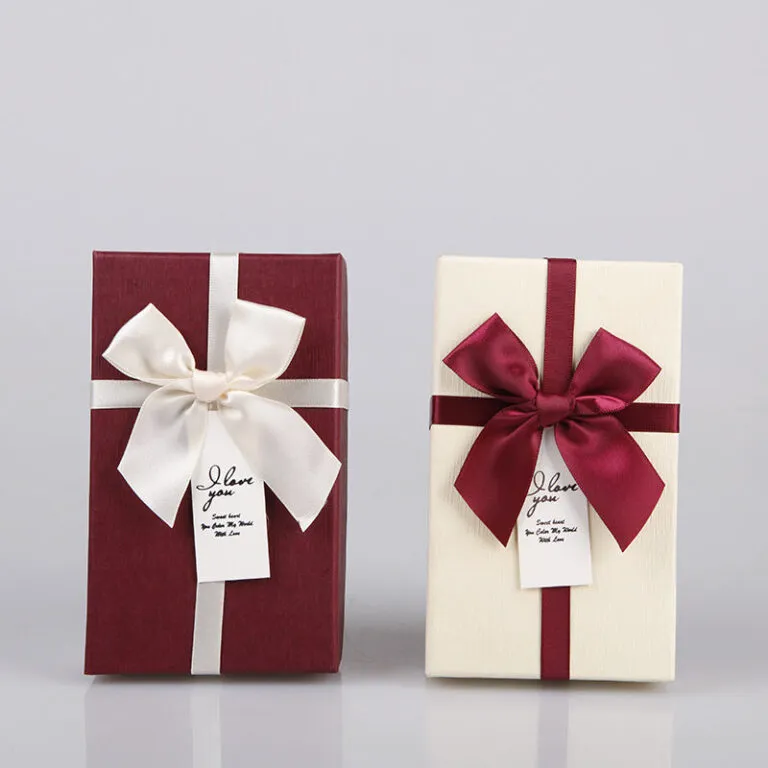
All-in-One Richpack Gift Box Anniversary – Unwrap a Year of Memories & Delights
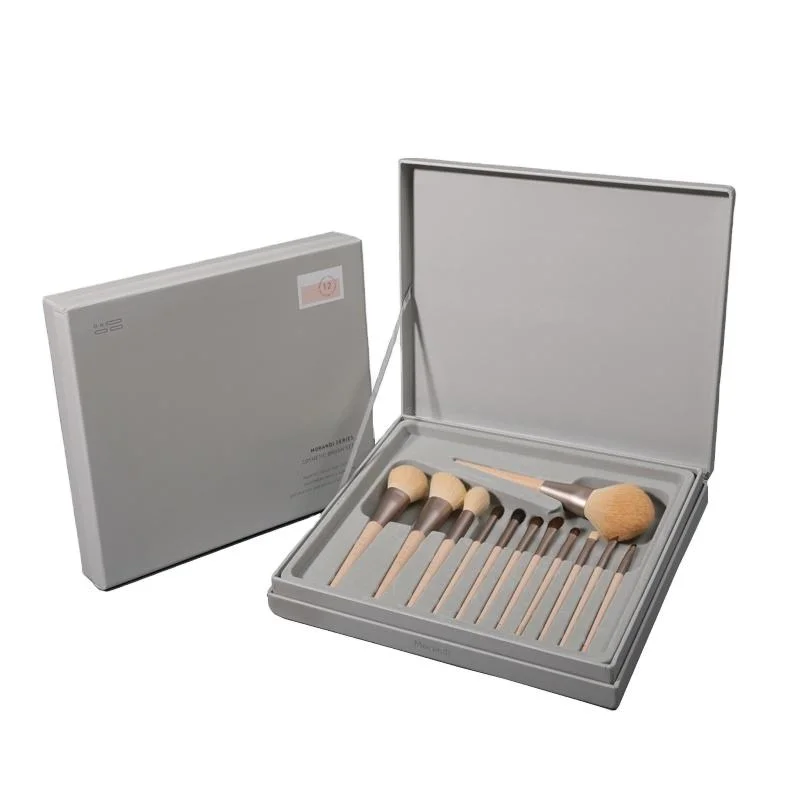
Bespoke Cosmetic Boxes for Small Beauty Brands with Low MOQ | Perfect for Niche Beauty Businesses Needing Customized Packaging Solutions
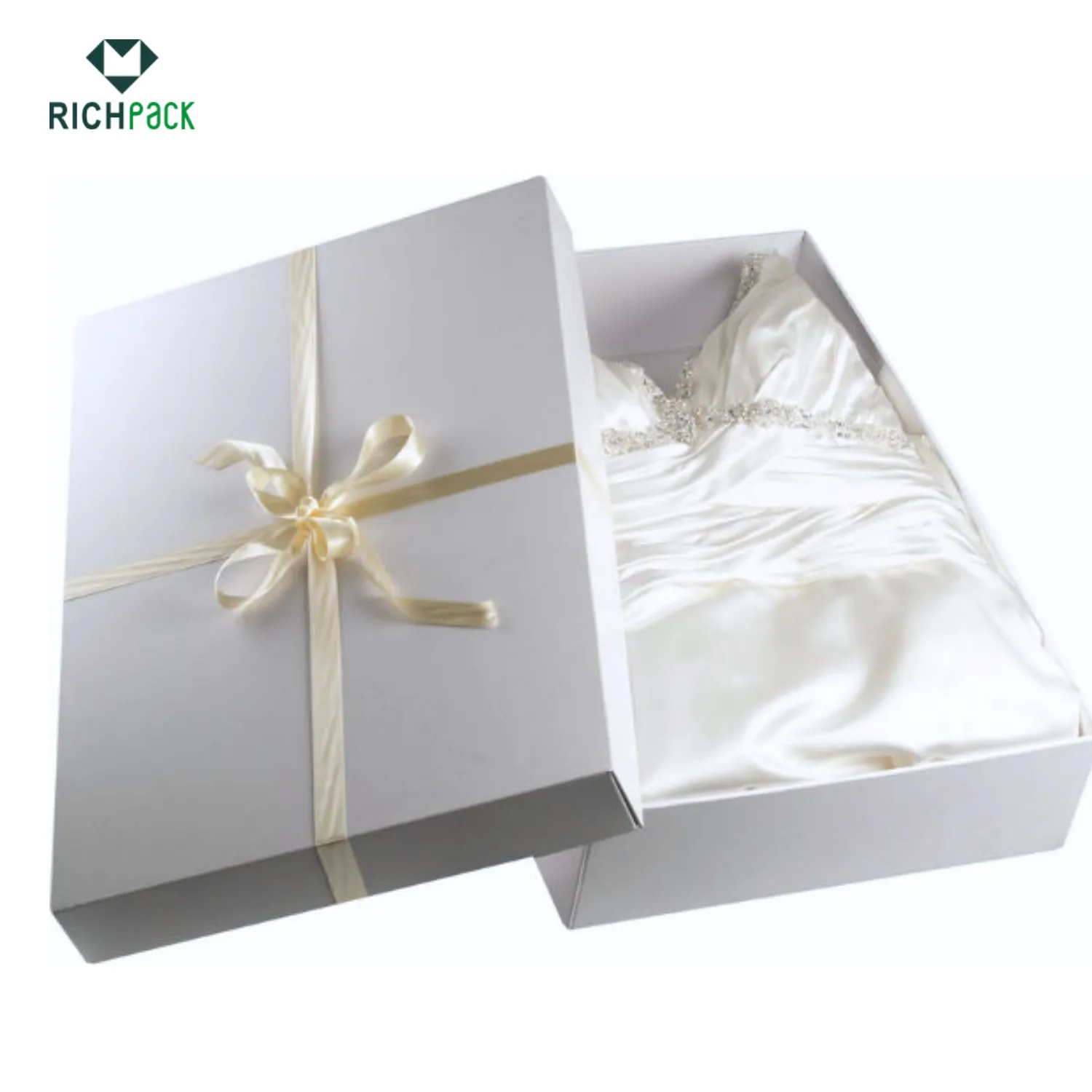
Bridal Dress Storage Box – Where Fashion Meets Function. Keep Dress Pristine & Elevate Storage
Bespoke Cosmetic Boxes for Small Beauty Brands with Low MOQ | Perfect for Niche Beauty Businesses Needing Customized Packaging Solutions
View More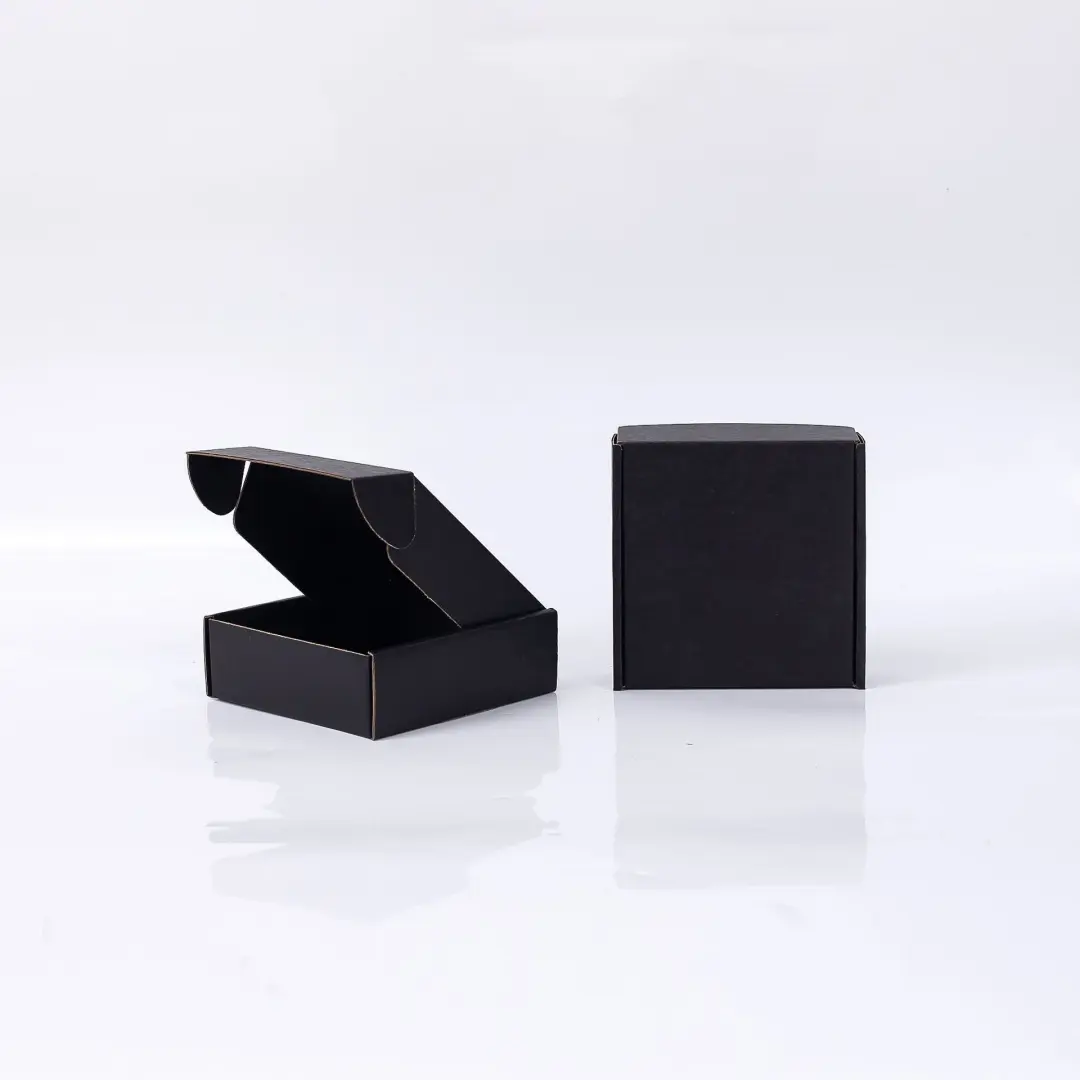
Black Shipping Boxes – 15x15x5cm Black Corrugated Mailer Box | Rigid Black Cardboard Boxes
View More
Bridal Ring Box | Blue Leather Engagement Ring Case – Richpack
View More
Just submit your email to get exclusive offers (reply within 12 hours)


