

 PREV
PREV
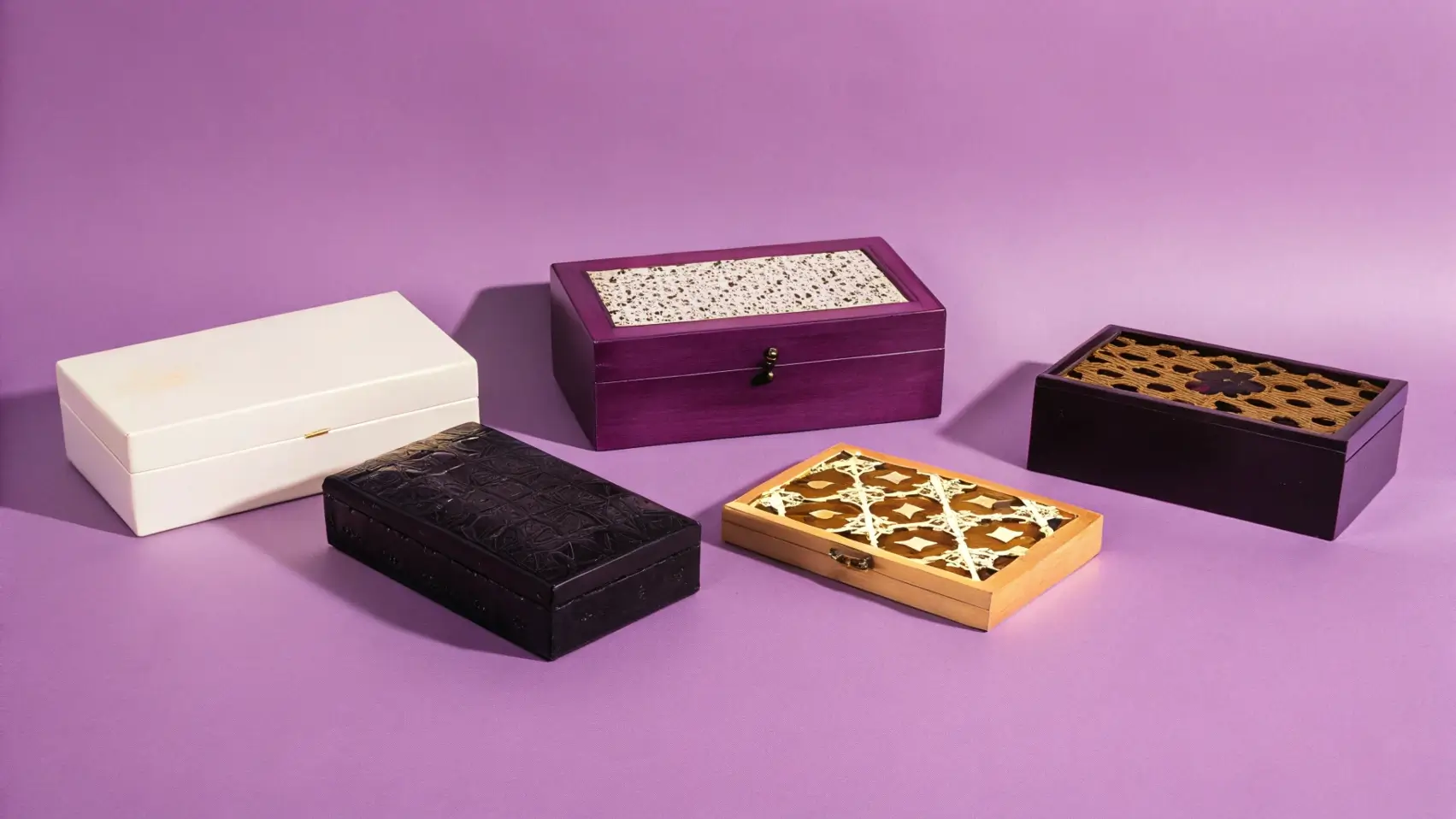
2026 Top 50 Unique Jewelry Box Ideas and 3 Key Tips
2025-02-17
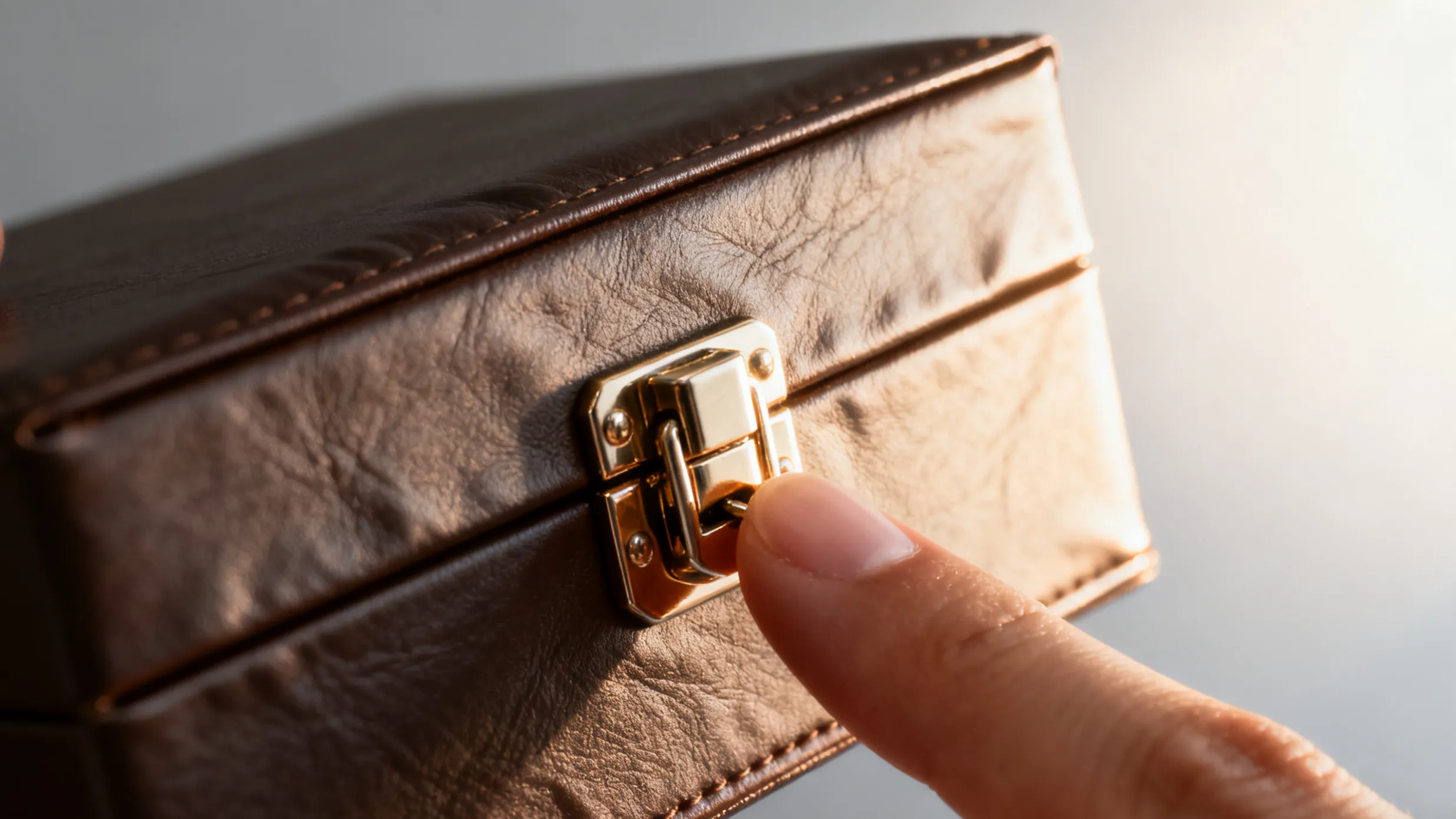


Selecting the perfect material for your custom men’s jewelry packaging is the foundation of your brand’s physical identity. Whether you are leaning towards the timeless weight of wood, the executive touch of leather, or the tactile depth of velvet, this decision defines not only your aesthetic appeal but also your product’s protection level and shipping efficiency. As your dedicated packaging partner, Richpac Packaging is here to guide you through this strategic process, helping you choose a primary substrate that elevates your brand value while ensuring your logistics costs remain profitable.
The material of men’s jewelry boxes not only directly affects the protection of valuable items, but also determines the required aesthetic style, and ultimately decides the overall durability and maintenance requirements of the product.
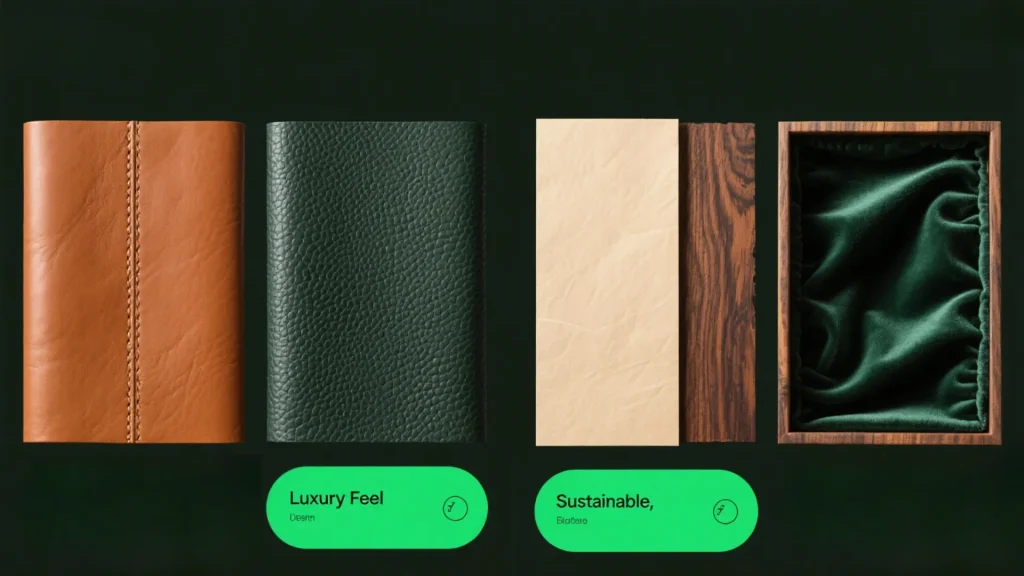
The main function of a jewelry box is to protect the items inside it, and the choice of material is the key to achieving this function. For instance, velvet, suede or high-quality cotton fabric is crucial for cushioning items and preventing direct contact between metal and metal or between metal and hard surfaces. Certain specific materials, such as cedar wood or other anti-oxidation fabrics, help regulate humidity and absorb moisture, thereby slowing down the oxidation process of metals like silver. Moreover, sturdy external materials such as wood and metal can effectively prevent dust, light and minor impacts, while transparent glass or acrylic covers, if not treated for UV protection, may cause the items to fade over time or be damaged by light.
The material also determines the appearance of the men’s jewelry box and how it harmonizes with the personal style of the men’s jewelry customer. The jewelry box for men, framed with wood and genuine leather, exudes a traditional, exquisite and warm atmosphere. These materials usually develop a rich patina over time, adding a unique charm and inherited quality. The carbon fiber and metal men’s jewelry box presents a fashionable, modern and simple aesthetic, and is deeply loved by minimalists.
The material you choose is the physical embodiment of your brand’s value proposition.
The right material choice directly influences Brand Perception. A heavyweight wooden box signals heirloom quality, while a sleek leatherette box communicates modern executive style. The wrong material can devalue a premium product instantly. Furthermore, it impacts Cost & Logistics Efficiency. While wood offers premium protection, its weight increases shipping costs significantly compared to leatherette or velvet-wrapped rigid boxes. Balancing luxury with logistics is key for profitability.
There are three primary material categories used in professional packaging:
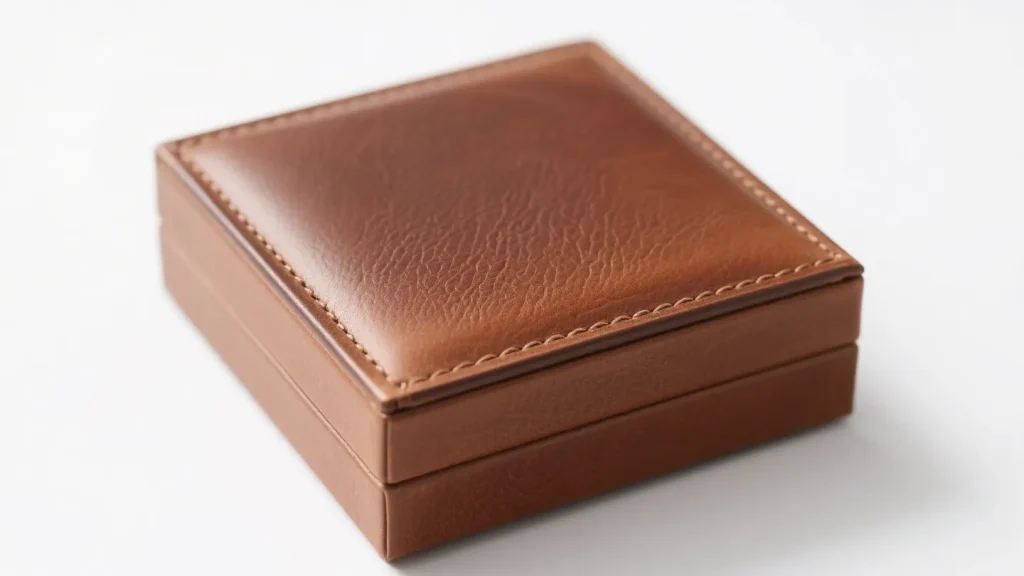
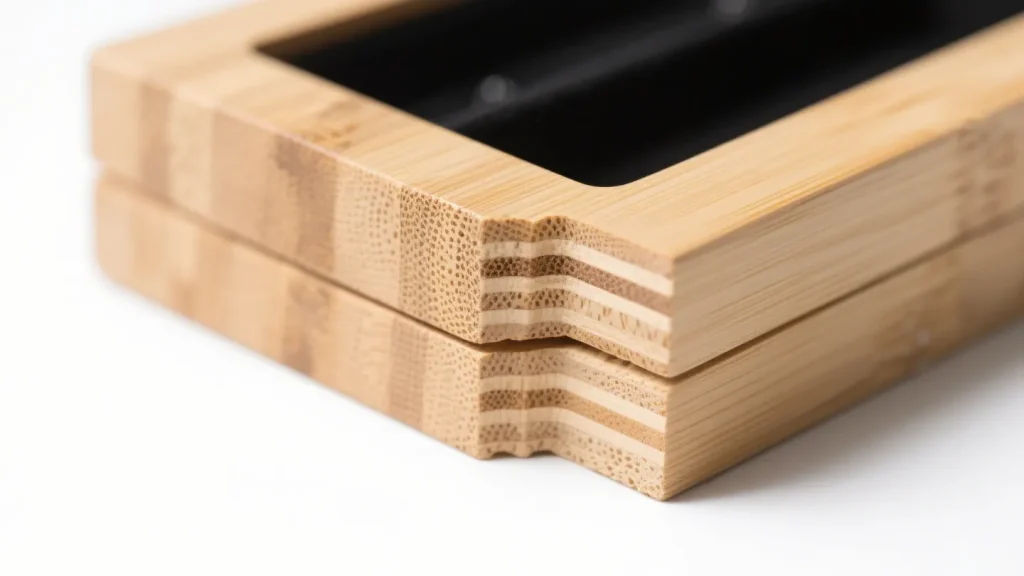
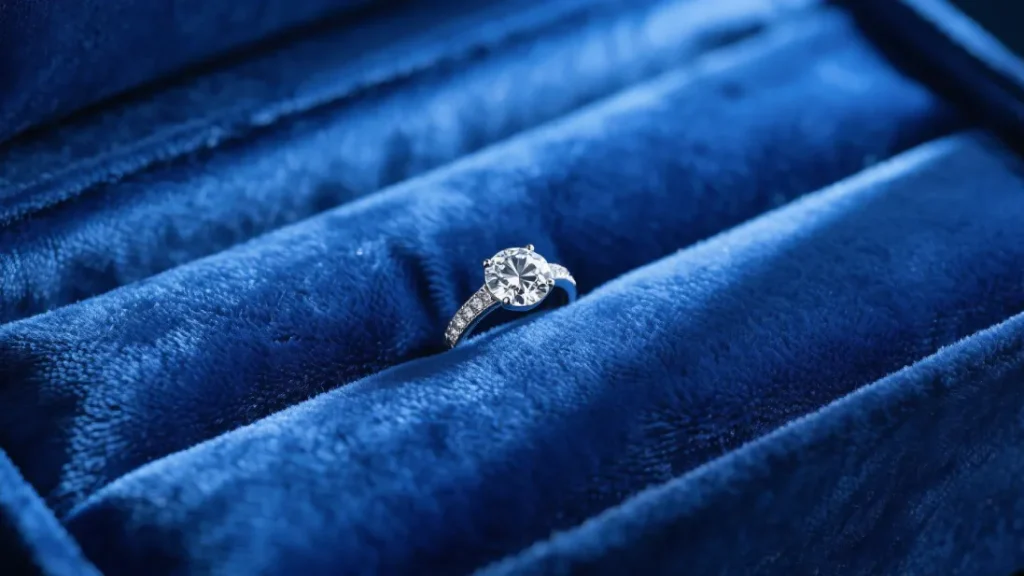
Leather—and high-grade PU leatherette—is the most versatile choice for men’s packaging, bridging the gap between rugged durability and executive sophistication. For wholesale packaging, PU Leather (Polyurethane) is the industry standard. It offers the premium look and soft touch of genuine leather but is water-resistant, easier to clean, and far more consistent in color and grain for mass production.
Best For: Travel cases, watch rolls, and modern men’s grooming brands. (For insights on designing functional interiors and layouts for these items, see our Complete Guide to Men’s Jewelry Storage).
Key Feature: The surface is perfect for Blind Debossing (stamping the logo without foil), which creates a subtle, tone-on-tone branding effect preferred by the male demographic.
Wooden boxes represent the pinnacle of luxury and permanence. In the men’s category, these are often defined by their weight and finish. While Solid Wood (like Mahogany or Walnut) allows for natural grain variation, MDF with Wood Veneer is more common for commercial packaging as it prevents warping. High-end wood boxes typically feature a High-Gloss Piano Lacquer finish (polished multiple times) or a Matte Open-Pore finish that lets the wood texture shine through.
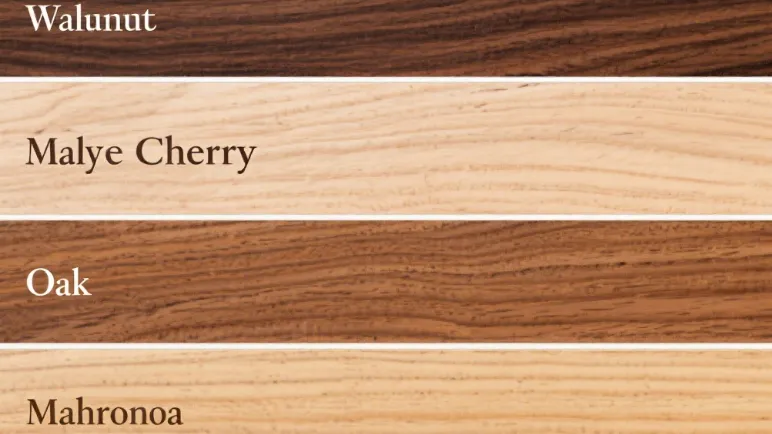
Best For: Luxury mechanical watches, heirloom cufflink collections, and limited-edition sets.
Key Feature: The structural rigidity offers maximum impact protection, and the inclusion of heavy-duty metal hinges adds a mechanical clunk sound upon closing that screams quality.
While velvet is traditionally associated with women’s jewelry, the men’s market has adapted it using Microsuede or Short-Pile Velvet. Unlike the shiny, crushed velvet of the past, modern microsuede absorbs light, creating a matte, non-reflective background that makes metallic jewelry (silver, stainless steel, gold) pop vividly.
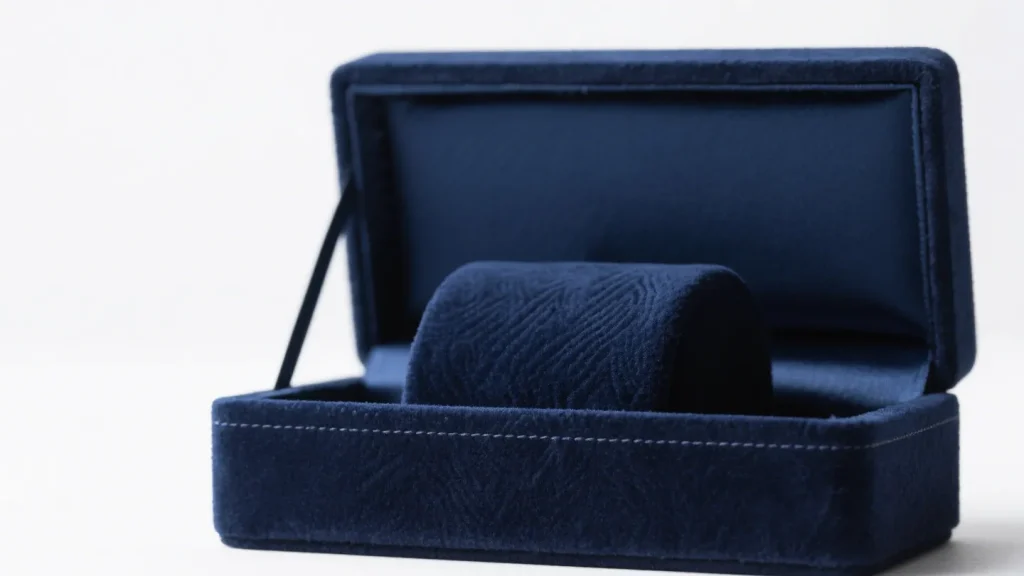
Best For: Single rings, stud earrings, and wholesale shipments where weight is a concern.
Key Feature: It provides the highest level of friction. Heavy men’s rings or chains sit securely against the nap of the fabric without sliding around, ensuring the product faces the customer perfectly when opened.
Choosing between these three materials is rarely a matter of good vs. bad, but rather matching the material’s physical properties to your specific use case.
Wood: Commands the most shelf presence. The sheer weight and rigidity of a lacquered wooden box communicate permanence and high asset value. It suggests the item inside is an heirloom to be displayed, not just worn. It appeals to the Heritage or Collector demographic.
Leather: Strikes a balance between luxury and utility. Leather (especially textured Saffiano or full-grain styles) conveys a rugged sophistication suitable for the modern gentleman. It feels warm and organic to the touch, suggesting an accessory meant for travel and daily action.
Velvet: Focuses entirely on the jewelry. Because velvet absorbs light rather than reflecting it (like glossy wood), it offers the highest visual contrast. It makes the metallic luster of silver, platinum, or stainless steel jewelry pop immediately upon opening. It feels classic and ceremonial.
Understanding the physical properties of each material is crucial for protection:
Wood: While structurally the strongest against crushing, the surface finish (especially high-gloss Piano Lacquer) is fragile. It is prone to fingerprints, hairline scratches, and chipping if dropped. It requires careful handling.
Leather: The most practical option for durability. High-quality PU leather is resistant to water, scratches, and stains. It ages well and can handle the rougher handling often associated with men’s accessories (e.g., being tossed into a gym bag or luggage).
Velvet: Excellent for cushioning, but acts as a dust magnet. Over time, velvet can wear down or look crushed if handled frequently with oily fingers. It is best suited for presentation rather than long-term heavy-duty storage.
| Feature | Wood Boxes | Leather/PU Boxes | Velvet Boxes |
| Durability | Extremely High (Rigid) | High (Scuff Resistant) | Medium (Soft) |
| Weight | Heavy | Medium | Light |
| Texture | Smooth, Glossy, or Matte | Soft, Warm, Tactile | Fuzzy, Plush |
| Customization | Engraving, Silk Screen | Debossing, Hot Stamping | Foil Stamping |
Table 1: Features Comparison Chart
Wood: The most expensive option logistically. Not only is the unit cost higher due to manual sanding/painting, but the heavy weight and non-collapsible volume significantly increase international air freight costs.
Leather: Offers the best Perceived Value to Shipping Cost ratio. Leather-wrapped plastic or cardboard cores provide the look of a solid box but are significantly lighter than solid wood, keeping shipping costs manageable.
Velvet: Generally the most cost-effective in terms of production. However, cheap velvet can look inexpensive quickly, so higher-grade microsuede is required to maintain a premium price point.
| Material Type | Description | Best Price Point |
| Solid / Lacquered Wood | High-end natural wood or MDF with glossy piano finish. | High ($$$) |
| Leather / PU Leather | Synthetic or genuine leather wrapped around a rigid structure. | Medium ($$) |
| Velvet / Suede | Soft fabric wrapping, often used for inserts or full boxes. | Low – Medium ($-$$) |
Table 2: Cost Comparison Chart
Selecting the right packaging material is not just a design preference; it is a strategic business decision dictated by your market position and distribution model. Here is how to align your material choice with your specific business scenario.
If your brand deals in mechanical timepieces, luxury signet rings, or assets meant to be passed down through generations, Wood is the non-negotiable standard. In this sector, the customer isn’t just buying a product; they are investing in engineering. A heavy, lacquered wooden box with polished metal hinges mirrors the precision and permanence of a Rolex or Omega. It functions less like a disposable package and more like a permanent display case, justifying a high retail price point by adding substantial physical weight and a “ceremonial” feel to the unboxing experience.
For modern men’s lifestyle brands or subscription services that ship globally, PU Leather offers the perfect equilibrium between aesthetics and logistics. Unlike wood, which can crack under impact, or velvet, which attracts dust, high-quality PU leather is durable, scuff-resistant, and water-repellent. It survives the rough handling of international courier networks while still arriving in pristine condition. Its sleek, executive look appeals to the modern gentleman, making it the ideal choice for brands that need to convey sophistication without the heavy shipping costs of solid wood.
If your primary products are cufflinks, stud earrings, or wedding bands, your packaging needs to be compact, cost-effective, and high-impact. In this scenario, Velvet (Microsuede) or Textured Paper are the strategic winners. These materials provide immediate visual contrast—a matte black velvet background makes silver and gold pop instantly. More importantly, they allow for smaller, lighter box structures that reduce warehousing space and shipping volume, maximizing your profit margin per unit while still delivering a premium tactile experience.
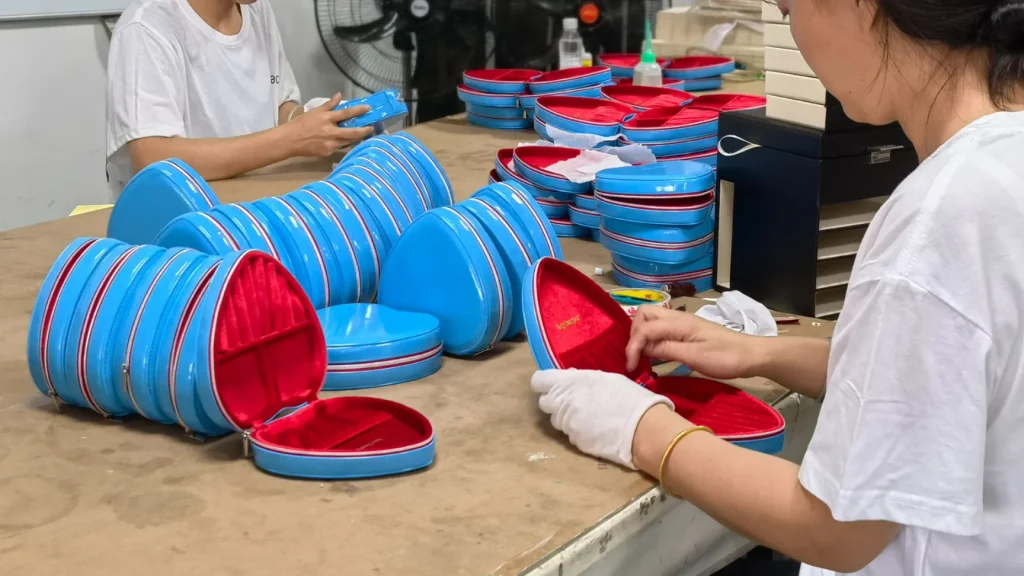
For brands built on transparency and environmental stewardship, the packaging material must be the physical proof of your mission. Using synthetic PU or heavily lacquered wood can contradict an eco-friendly narrative. Instead, opting for Recycled Rigid Boxes wrapped in uncoated, post-consumer paper or biodegradable fabrics signals authenticity. In this context, the “rougher” natural texture isn’t a flaw; it’s a feature that reinforces your commitment to sustainability and attracts the conscious consumer.
Each material offers distinct advantages for marketing and logistics:
| Material | Brand Benefit (Marketing) | Practical Benefit (Logistics) |
| Wood | Commands the highest retail price; encourages customers to keep the box. | Provides maximum protection against crushing impact. |
| Leather | Appeals to the Gentleman/Business demographic; highly photogenic. | Stackable and less prone to scratching than high-gloss wood. |
| Velvet | Creates an immediate emotional connection through touch (softness). | Lightweight nature significantly reduces international air freight costs. |
When sourcing these materials wholesale, verify the following with your manufacturer:
At Richpack, we go beyond simple manufacturing. We are your partners in brand elevation.
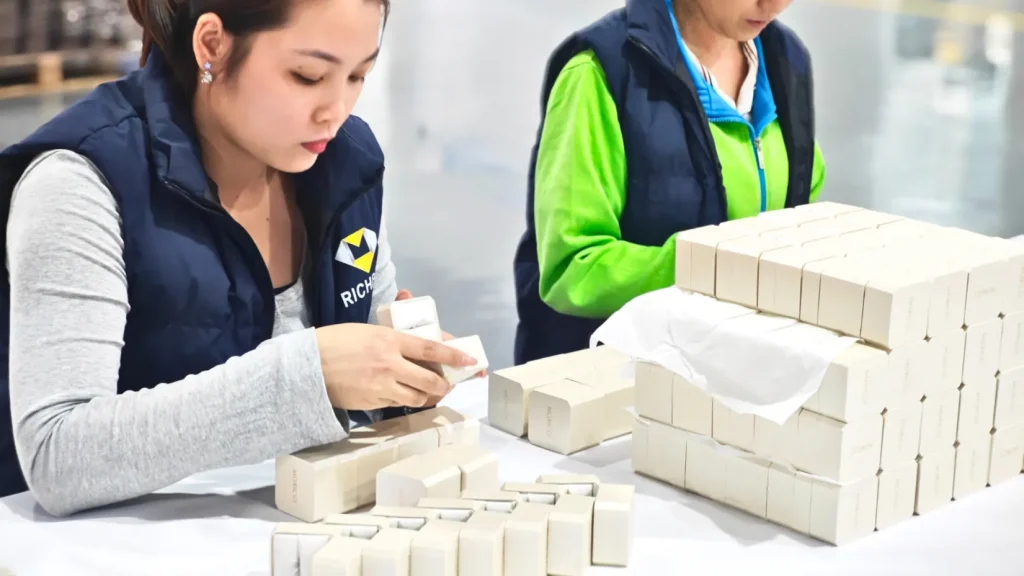
Explore Our Custom Men’s Jewelry Boxes Collection
PU Leather or Velvet-wrapped rigid boxes are best for international shipping. They are significantly lighter than wood and less prone to cracking or scratching during long transits.
Yes. The most popular method for leather is Debossing (blind stamping) or Hot Foil Stamping (Gold/Silver), which creates a premium, branded look.
Due to the complex painting and polishing process, custom wooden boxes typically have a higher MOQ (often 500-1000 pcs), whereas leather/paper boxes may start lower.
No. Velvet is seeing a resurgence in the retro/vintage trend. Using high-quality, short-pile velvet in modern colors (like deep navy or grey) looks very contemporary.
Absolutely. We offer sustainable alternatives, including FSC-certified wood, recycled rigid board, and biodegradable leather alternatives.
Choosing between Leather, Wood, and Velvet is a balance of Budget, Brand Identity, and Logistics. Wood offers timeless luxury, Leather brings modern sophistication, and Velvet provides tactile elegance.
By understanding the features and benefits of each, you can select the packaging that not only protects your jewelry but also elevates your brand’s perceived value. Ready to start? Contact Richapck today for a free consultation and material samples.


2025-02-17

2025-01-10
2025-01-02
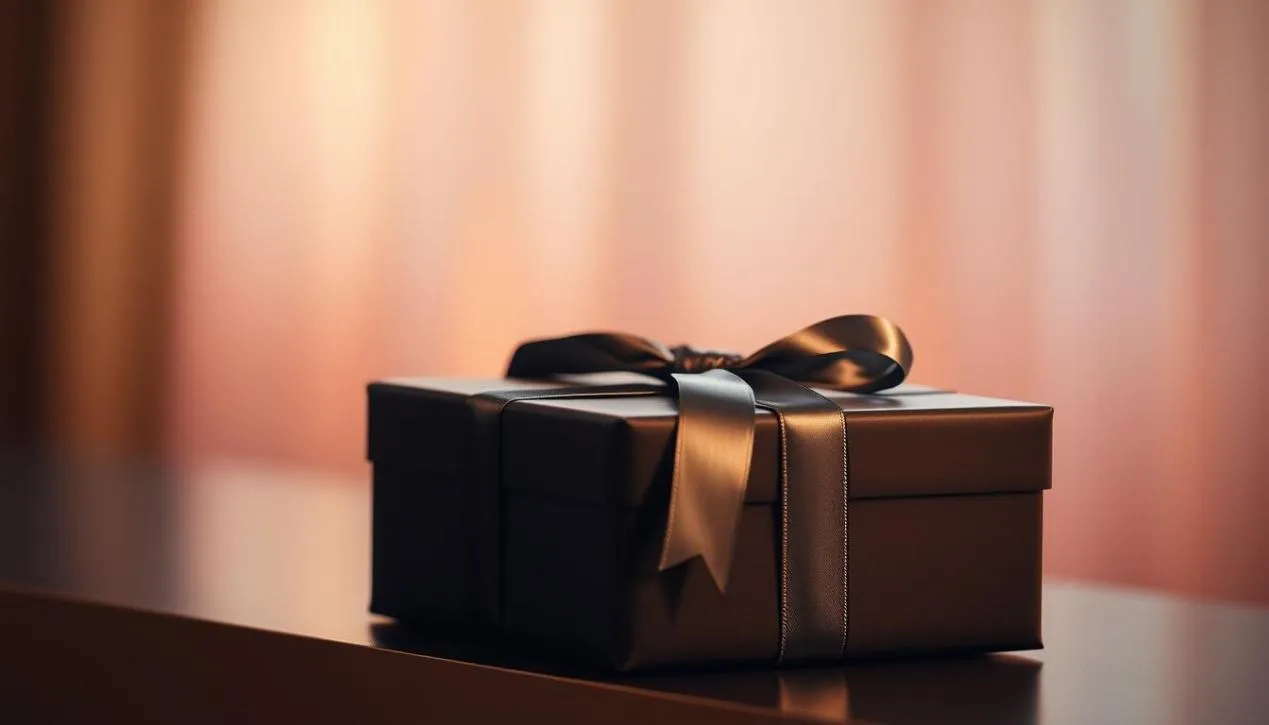
Whether it's a corporate gift or a personal gift, the Richpack black gift box is the ideal choice to make your gift more high-end and unique.
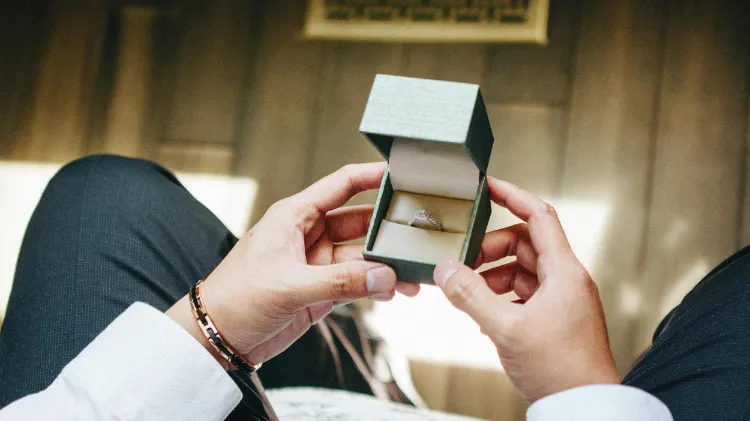
You can order custom boxes in bulk directly from a factory by simply providing your specifications. This allows you to choose the design, size, and material. You also save money by cutting out the middleman. Clear communication helps prevent mistakes and ensures the factory produces exactly what you need. When you order custom boxes, you… Continue reading Leather vs. Wood vs. Velvet: Men’s Jewelry Box Guide
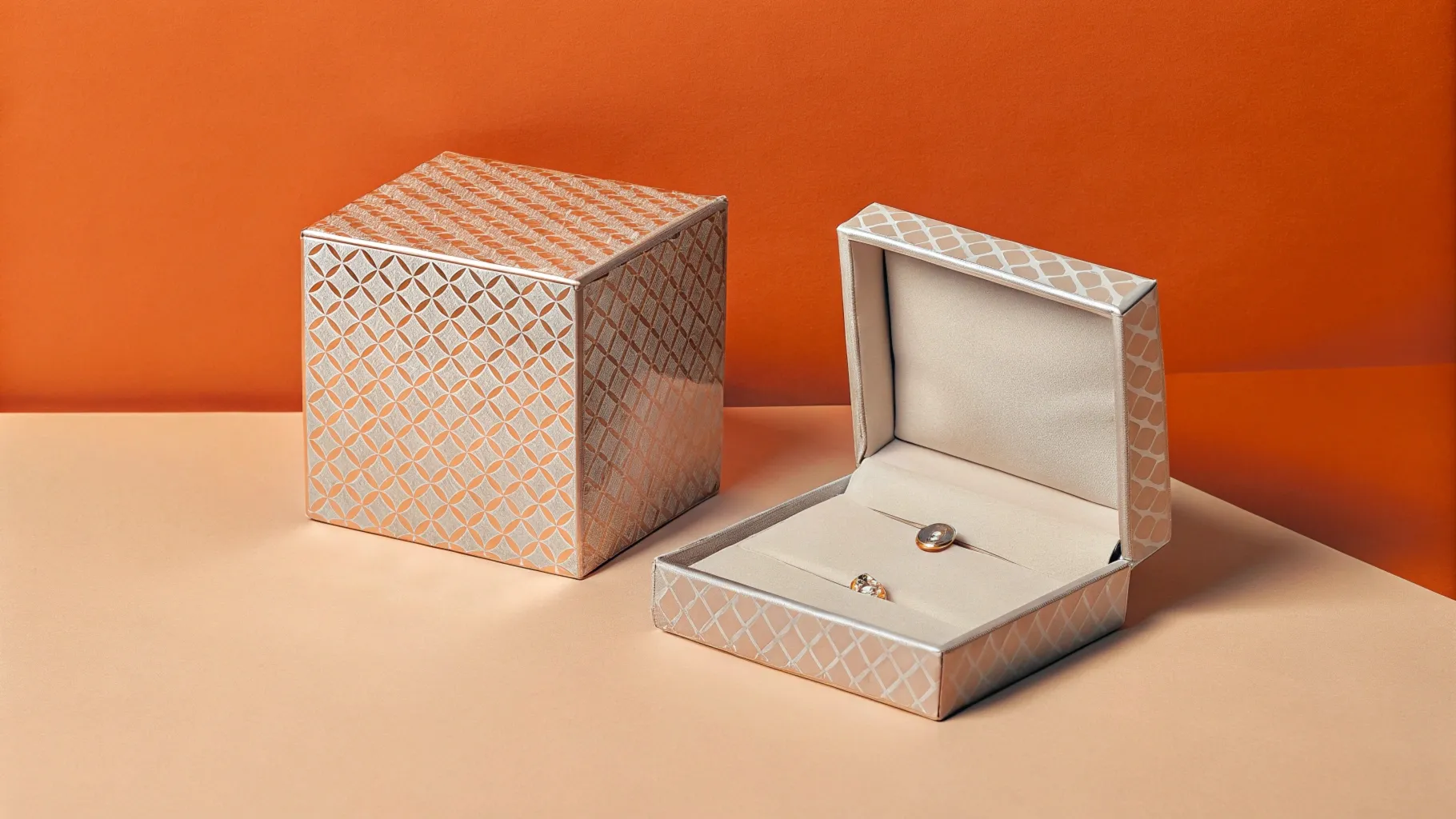
The jewelry box industry has its unique packaging language. Whether you are a jewelry designer, a small jewelry business, or a jewelry brand marketer, understanding these terms of customized jewelry packaging will help you design your personalized packaging and promote your business. This guide will walk you through the key steps and essential terms you need… Continue reading Leather vs. Wood vs. Velvet: Men’s Jewelry Box Guide
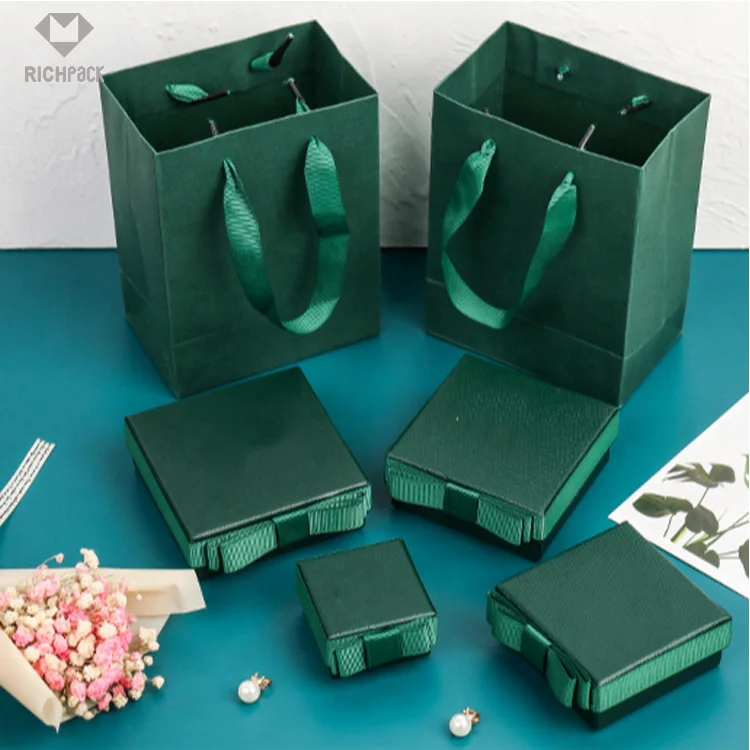
Bespoke and Durable Custom-Printed Paper Bags for Retail Stores with Logos | Perfect Branding Solutions for Jewelers Needing Eye-Catching Retail Packaging
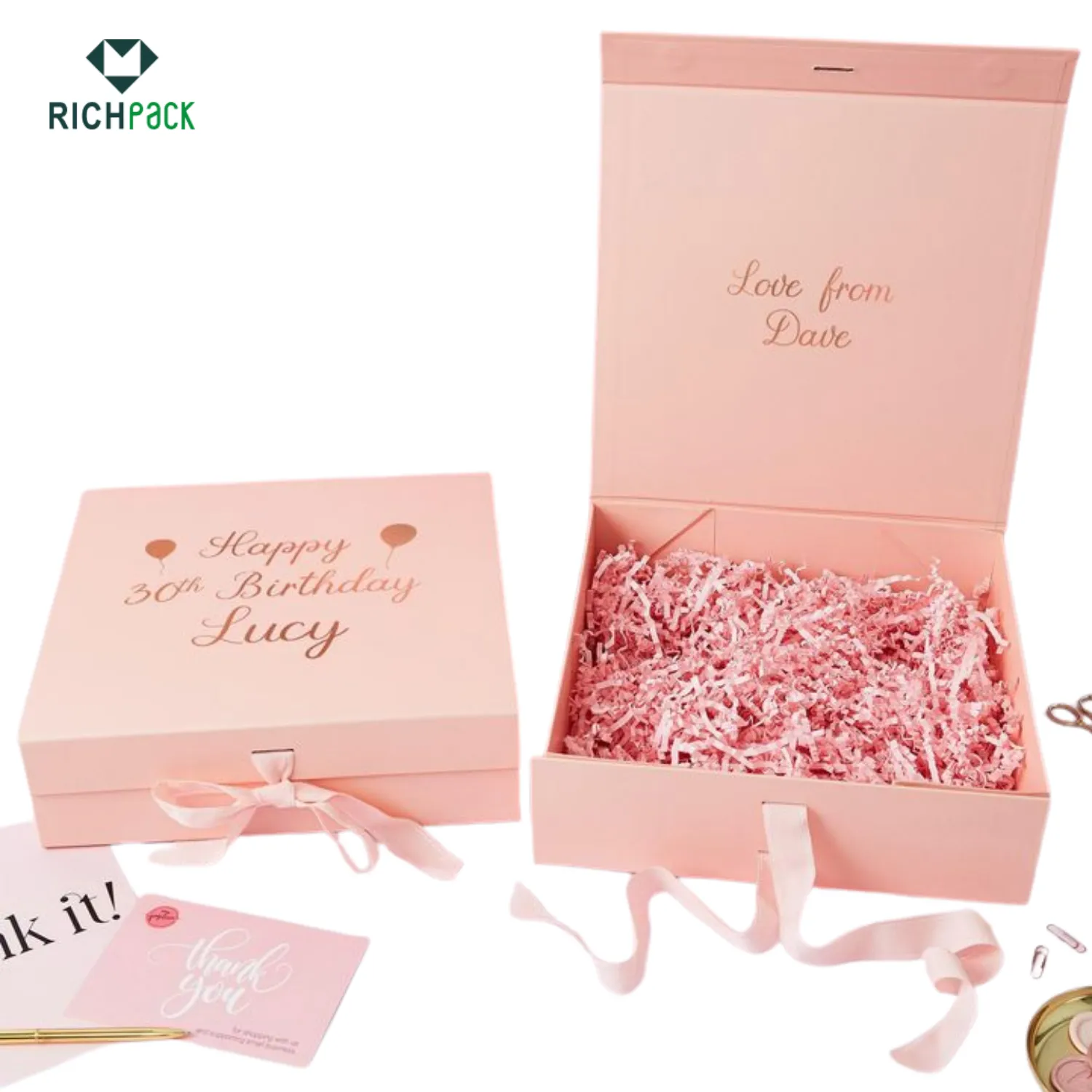
Birthday Gift Pack – Festive Treasures Bundled, a Cheerful Assortment for Birthday Euphoria
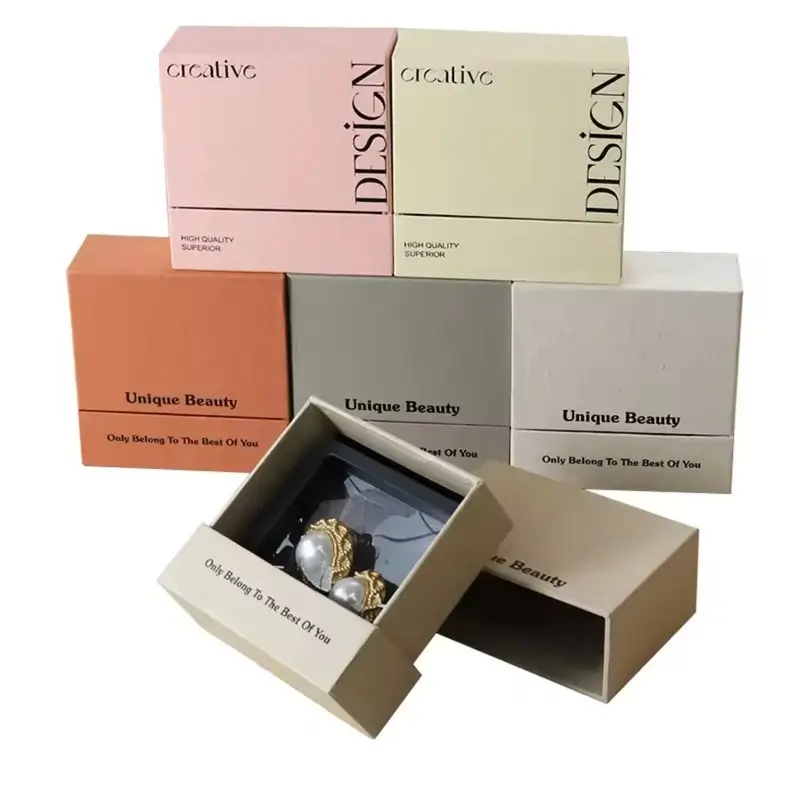
Branded and Sustainable Custom Eco-Friendly Jewelry Packaging with Brand Logo | Tailored for Jewelry Brands Needing Personalized and Green Packaging
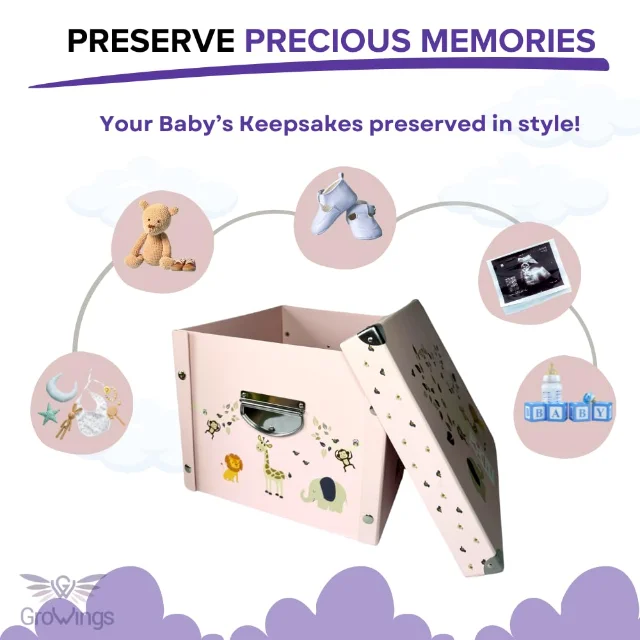
Adorable Baby Gift Boxes | Custom Newborn & Infant Gift Packaging | Premium Baby Shower Gift Sets
View More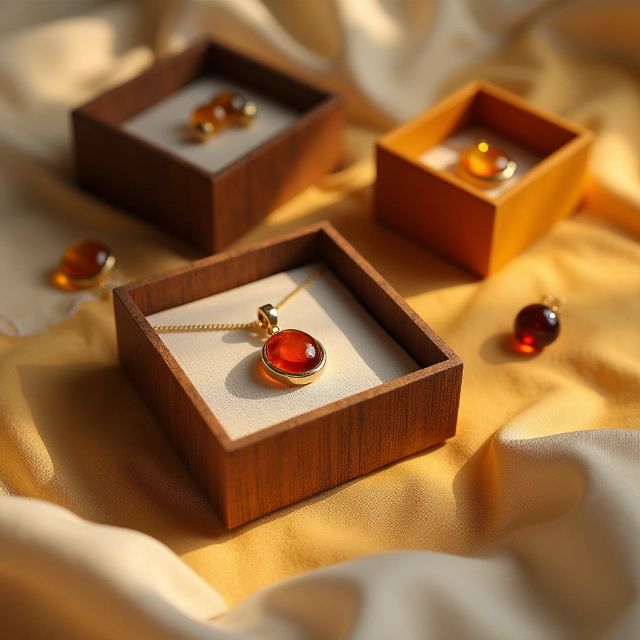
Amber Jewelry Packaging | Natural Elegance Meets Sustainable Packaging
View More
Bespoke and Durable Custom-Printed Paper Bags for Retail Stores with Logos | Perfect Branding Solutions for Jewelers Needing Eye-Catching Retail Packaging
View More
Just submit your email to get exclusive offers (reply within 12 hours)


