
 PREV
PREV
2026 Top 7 Packaging Trends for Moonstone Jewelry
2024-12-05
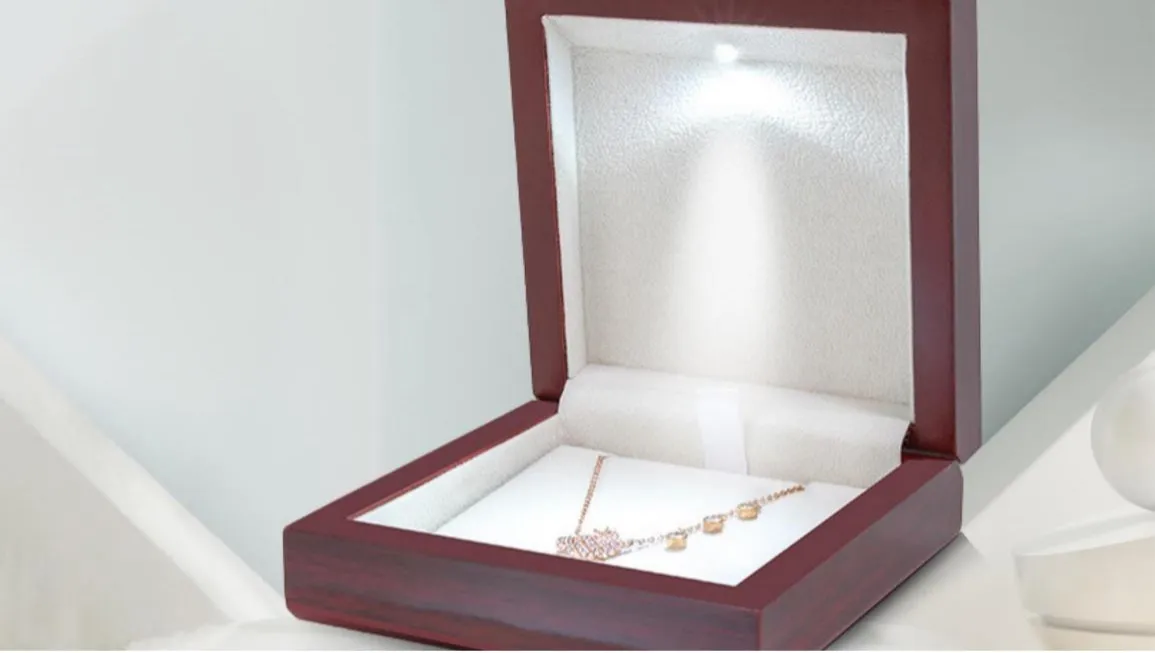


As a globally leading manufacturer of custom luxury jewelry packaging, Richpack is committed to upgrading packaging solutions from passive containers to active marketing tools. We have a mature and efficient LED jewelry box production line, ensuring that every piece of jewelry can be perfectly displayed with studio-level lighting effects, bringing you astonishing, stunning moments for your goals. This report aims to conduct an in-depth analysis of the LED jewelry box market, which has been proven to have a potential of up to $250 million. By combining Richpack’s insights into jewelry packaging suppliers, data analysis, and custom cases, it provides key business strategies and investment directions for brand owners.
The analysis of the LED Jewelry Box segment reveals a significant, high-margin niche opportunity situated at the crucial intersection of the expansive global jewelry packaging market and the accelerating luxury goods sector. This segment is strategically critical because it serves not merely as a protective container but as an integrated marketing and conversion tool.
The broader global Jewellery Box Packaging Market is forecast to achieve a substantial valuation of $296.6 billion by 2034, growing from $175.3 billion in 2024 at a Compound Annual Growth Rate (CAGR) of 5.4%. The LED component of this ecosystem directly taps into this growth, offering demonstrable commercial advantages. Optimized lighting in packaging leads to an observed 15% to 20% increase in sales conversion rates within retail environments.
The opportunity quantified by the $2.5 Billion benchmark reflects a proven historical peak in market expenditure on high-value presentation packaging, confirming the significant potential scale when consumer demand for luxury gifting is maximized. The supply chain for these specialized boxes is mature, with wholesale unit costs for customized, mid-range LED boxes typically ranging from $6.30 to $15.00.
A critical structural constraint facing this segment is the integration of electronic components, particularly the embedded, non-replaceable lithium batteries (commonly 75 mAh with a 12-hour life). This integration introduces significant regulatory and environmental risks under burgeoning EU directives, specifically the Restriction of Hazardous Substances (RoHS) and the new Packaging and Packaging Waste Regulation (PPWR), which complicate waste management and mandate higher recycling rates. Securing long-term profitability and market access requires immediate implementation of modular designs and dedicated battery recycling logistics.
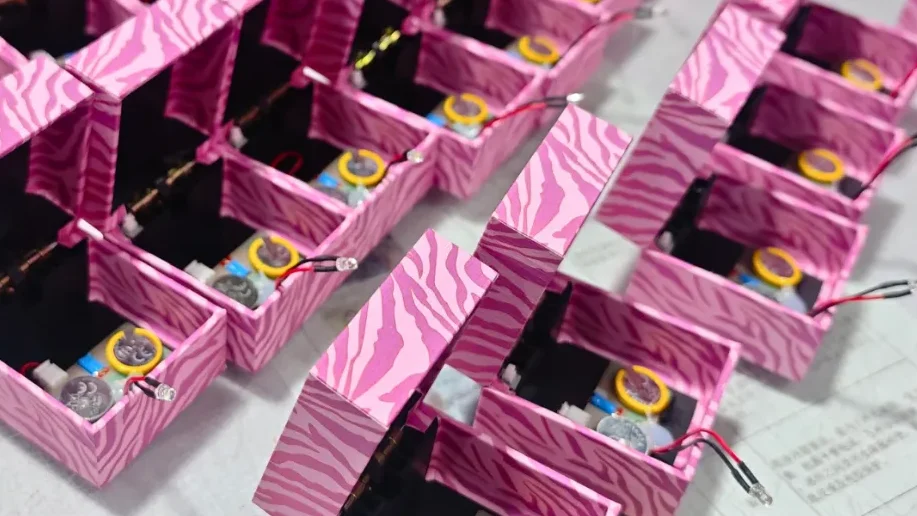
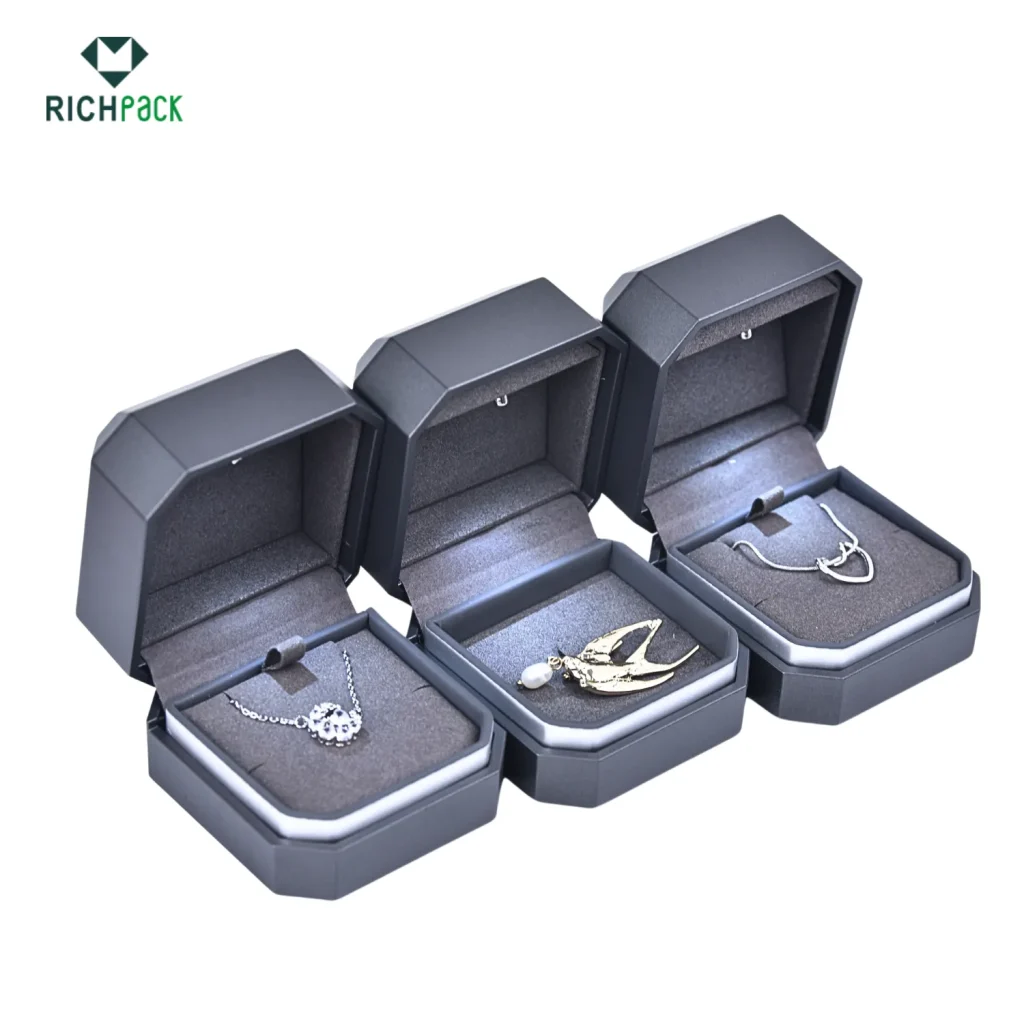
This report focuses on the illuminated jewelry box, a highly specialized form of packaging engineered to elevate product presentation. These containers incorporate miniature, low-power light sources, often pressure-activated upon opening, which instantly illuminate the featured jewelry piece, dramatically enhancing its brilliance, sparkle, and perceived value.
LED jewelry boxes signify a strategic shift in luxury packaging philosophy. Traditionally, packaging functioned primarily for product safety during storage and transit. However, in contemporary retail, particularly for high-end goods, the packaging must perform a dual function: protecting the delicate designs while simultaneously impressing customers with style and sophistication. The integration of LED technology transforms the box itself into a micro-display, positioning it as an active component of the merchandising strategy rather than a passive container.
The joy derived from opening a luxury gift is often as memorable as the product itself. This unboxing experience is vital for brands, shaping customer perception and fostering an emotional connection. LED lighting is utilized to heighten this sensory experience, ensuring the initial contact with the product is dramatic and positive. Brands that deliver a great unboxing experience are more likely to be remembered and favored by consumers, transforming a simple transaction into a deeper brand bond.
Furthermore, flawlessly executed, illuminated presentation acts as a subtle, non-verbal validation of the product’s authenticity and price premium. The meticulous attention to detail required to integrate lighting successfully signals superior quality control throughout the entire manufacturing process. This confirmation of quality, delivered at the critical point of presentation, effectively reduces the psychological risk associated with high-value purchases for the consumer, particularly in e-commerce channels.
The LED jewelry box market is strategically positioned to capitalize on two macro-level industry trends: the sustained growth of the overall packaging market and the accelerating consumer demand for premium luxury goods.
The overall market for jewelry packaging is substantial and continuing its robust expansion. The global Jewellery Box Packaging Market was valued at an estimated USD 175.3 Billion in 2024 and is projected to reach USD 296.6 Billion by 2034, reflecting a 5.4% CAGR during the forecast period of 2025 to 2034. The LED niche operates within the even faster-growing Luxury Packaging Market, which is set to expand from $16.72 Billion in 2025 to $30.23 billion by 2035, exhibiting a higher CAGR of 6.1%. Concurrently, the traditional Jewelry Boxes Market (for storage and display) is also projected to grow at a CAGR of 4.8%, reaching $3.5 Billion by 2032.
The figure of $2.5 Billion cited in the market analysis represents a high-water mark potential within the jewelry presentation segment. This value was achieved in 2022, corresponding to a peak production volume during a period of intense growth in the imitation jewelry sector, marked by an 83% increase in production volume.
This $2.5 Billion value should be viewed not as the current Total Addressable Market (TAM) for LED light boxes, but rather as the documented maximum annual expenditure luxury retailers have historically committed to high-quality presentation components during maximized gifting cycles (e.g., peak holiday or wedding seasons). Given that LED boxes are overwhelmingly targeted toward high-value gift segments—such as rings, which account for the largest share of packaging demand—this proven expenditure confirms the niche’s potential for explosive growth when seasonal and consumer luxury demand is optimized.
Regional analysis indicates clear high-value markets. North America currently leads the global Jewellery Box Packaging market, commanding a dominant 35.6% share, valued at $62.41 billion in 2024. This market leadership is primarily driven by the strong consumer demand for luxury brands in the region. This trend establishes North America as the immediate and most critical strategic market for deploying and optimizing premium LED packaging solutions.
| Market Segment | Base Value (USD) | Base Year | Forecast (CAGR) | Forecast Value (USD) | Source |
| Global Jewellery Box Packaging | $175.3 Billion | 2024 | 5.4% (2025-2034) | $296.6 Billion (2034) | |
| Global Luxury Packaging Market | $16.72 Billion | 2025 | 6.1% (2025-2035) | $30.23 Billion (2035) | |
| Global Jewelry Boxes Market | $2.3 Billion | 2023 | 4.8% | $3.5 Billion (2032) | |
| LED Niche Capacity Benchmark | $2.5 Billion (Peak Production) | 2022 | N/A | N/A |
The financial justification for adopting LED packaging is robust, resting on its proven ability to drive measurable commercial results by profoundly affecting customer experience and conversion metrics.
The deliberate design of the packaging experience, amplified by LED lighting, creates an emotional connection critical for luxury brands. The quality and style of the packaging, often featuring customizable elements like logos or special messages, transforms the simple act of opening the box into a premium, memorable experience. A successful, illuminated unboxing moment ensures that positive feelings are strongly associated with the brand, fostering both brand loyalty and positive long-term memory formation. The single, focused light beam provides a brilliant presentation, delivering a critical “WOW factor” essential for effective gifting.
In physical retail settings, LED jewelry boxes function as guaranteed, self-contained display enhancers, ensuring optimal visibility regardless of store lighting conditions. Quantitative retail studies confirm the commercial power of optimized lighting:
This lighting is critical because color and detail are decisive factors in purchasing decisions for jewelry. Good lighting enhances the visual elements, bringing out the true color and brilliance of metals and gemstones. Conversely, the failure to provide proper illumination carries a significant financial penalty; studies indicate that 67% of potential customers leave a retail environment without purchasing when jewelry visibility is poor. Investing in LED packaging is a direct strategy to mitigate this substantial cost of failed presentation by guaranteeing optimal illumination at the point of decision, thereby maximizing sales conversion potential.
Premium, visually striking packaging is a prerequisite for achieving organic digital visibility. The quality and design of an illuminated box increase its shareability, significantly raising the chances of consumers creating User-Generated Content (UGC) such as viral unboxing videos. For online sellers and photographers, the internal illumination of the LED box is engineered to provide studio-quality, shadow-free lighting, which enhances the appeal of the product in visuals and professional photography. This organic brand exposure driven by memorable packaging acts as a powerful, low-cost marketing asset.
Strategic sourcing within the LED jewelry box market requires a nuanced understanding of product segmentation, material cost hierarchies, and wholesale pricing structures.
Market demand analysis reveals distinct priorities for packaging based on the jewelry item itself. The primary market driver is the ring segment, which constitutes a leading 29.7% of all jewelry packaging demand. This is largely due to the high volume and emotional importance of rings as gifted items, particularly for engagements and weddings. Consequently, LED ring boxes are the most common and standardized illuminated product. However, manufacturers offer specialized LED boxes for all major jewelry categories, including dedicated designs for earrings, bracelets, large pendants, necklaces, and versatile combination boxes designed for full jewelry sets.
The material specification directly correlates with the luxury positioning and wholesale unit cost. Rigid Boxes dominate the product type segment, accounting for a 38.4% share, due to their superior durability and premium appeal.
The wholesale pricing model is defined by significant volume discounts and material selection. For fully assembled, standard-sized LED boxes suitable for luxury retail display, unit costs typically cluster between $6.30 (for a standard earring box) and $20.00 (for a large necklace box). Volume purchasing substantially lowers the per-unit cost; for instance, some mid-range boxes drop to $7.99 per unit when ordered in quantities of 144 or more.
| Tier | Typical Wholesale Price Range (Unit) | Primary Materials | LED/Feature Sophistication |
| Economy Stock/Bulk | $0.14 – $4.50 | Plastic Hinge, Cardboard, Standard Paper | Basic single-point LED, Fixed Color Temperature |
| Mid-Range Stock LED | $6.30 – $12.00 | Plush Leatherette, Faux Suede, Embossed Paper | Pressure-activated LED, optimized illumination, Logo Stamping |
| High-End Luxury/Bespoke | $15.00 – $25.00+ | Wood, Genuine Leather, Multi-Process Composite | Combination Boxes, Precision Illumination, Custom Mechanisms |
The production of specialized LED jewelry boxes is underpinned by a globalized, highly consolidated B2B supply chain, presenting both cost advantages and strategic vulnerabilities.
The manufacturing backbone of the jewelry packaging industry is concentrated in specialized hubs, predominantly in Asia. Factories, such as those in China (e.g., Yiwu Miyang Co., Ltd.), are major global sources, providing direct pricing for high-quality packaging and custom branding options, including velvet-lined or leatherette-lined displays. These partners offer the scale necessary for large wholesalers and global luxury retailers.
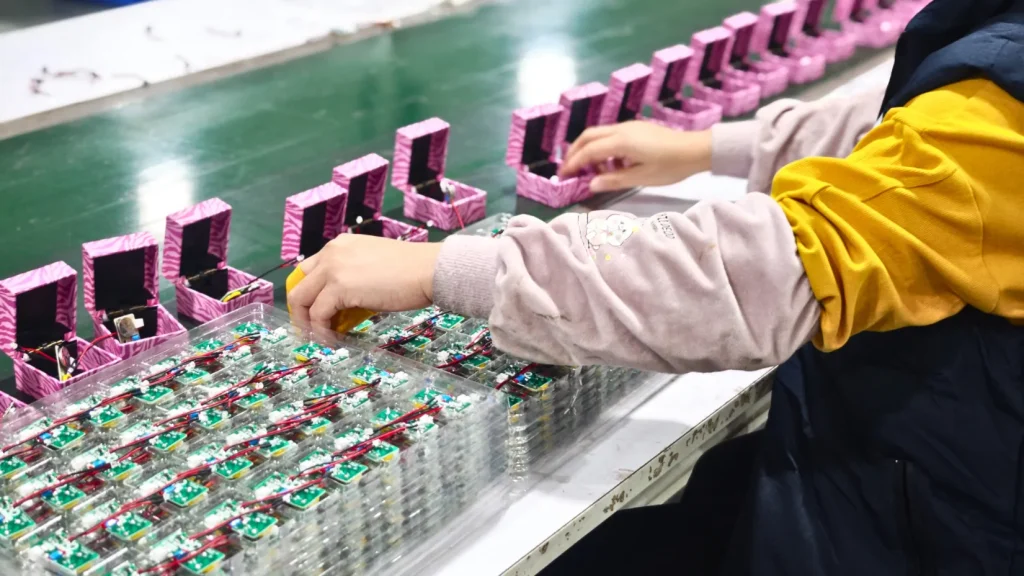
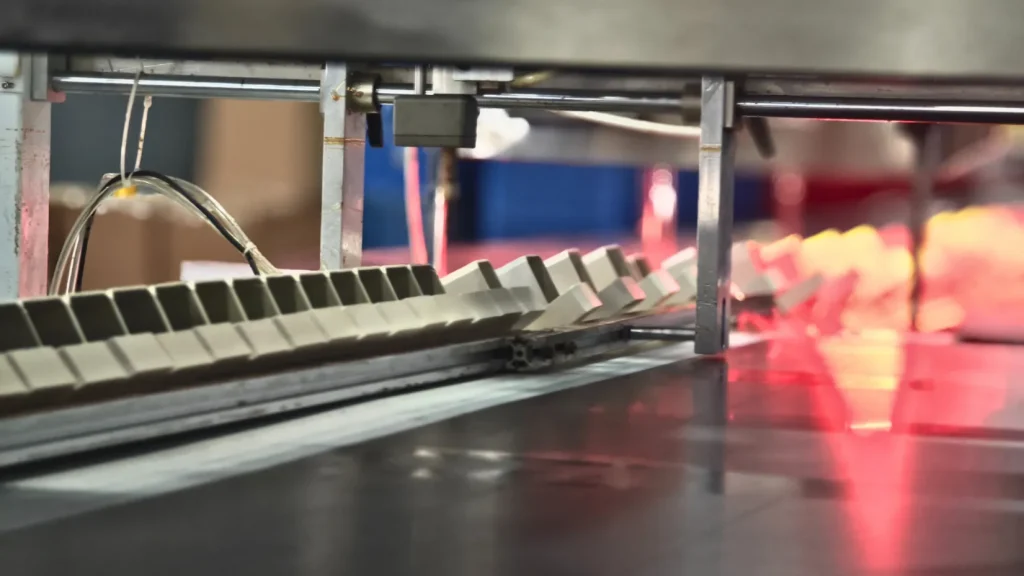
The manufacturing of illuminated packaging is a multi-step process that requires integrating electronics into traditional box production. The process involves preliminary design, careful material selection (often leatherette or special paper), and precise cutting and shaping. The defining stage for LED boxes is the integration of the electrical components, where the battery, wires, brushes, and the LED itself are placed and hinged into the box structure. This requires specific hardware, such as CA hinges, to accommodate the mechanism. The final stages include decoration, lining arrangement, and rigorous quality inspection before packaging and transportation.
Beyond the choice of core materials, several factors significantly inflate the unit cost of LED packaging:
The dependence on specific, geographically concentrated Asian manufacturing hubs provides competitive pricing but exposes luxury brands to inherent supply chain concentration risk. A disruption—whether from geopolitical instability, pandemic-related shutdowns, or specific factory compliance failures—could severely impact the supply of highly customized packaging, a component that is essential for maintaining brand identity and integrity. Brands must, therefore, consider implementing robust dual-sourcing strategies or enhancing due diligence and quality assurance processes at the supplier level to safeguard supply continuity.
Successful luxury brands leverage their packaging not merely as a delivery mechanism, but as a core element of their marketing and sales strategy. The integration of LED technology amplifies the effectiveness of these strategies.
Direct-to-Consumer (DTC) brands, such as Mejuri, have successfully cultivated a premium perception by focusing on quality branding and evocative storytelling. They achieve this “affordable luxury” positioning by meticulously controlling the customer experience, with packaging being a central component. LED packaging facilitates this goal by injecting a moment of high perceived value (the illuminated reveal) at a relatively managed incremental cost. This ensures the physical product experience meticulously aligns with the premium narrative established online.
High-luxury houses use advanced packaging to bridge the physical and digital consumer experience. Bulgari’s 75th Serpenti campaign achieved significant success, generating $1.56 Million in MIV, by integrating physical events with digital engagement. The success hinged on a phygital strategy that captivated audiences both online and offline.
Illuminated packaging is fundamentally a phygital asset. The highly sensory, dramatic moment of opening an LED box is designed to be the perfect trigger for user-generated digital content. Strategically, luxury brands are now integrating Near-Field Communication (NFC) tags or QR codes into the packaging. This technical integration transforms the illuminated box into a vital strategic link, allowing the consumer, immediately after the emotional peak of the reveal, to access digital assets such as authenticity certificates, provenance data, or rich brand stories. This layered experience extends the life of the packaging and maximizes its value as a tool for consumer engagement.
Online diamond retailers like Blue Nile pioneered the market for high-value online purchases by building radical transparency and consumer trust. Their strategy relies on detailed product visualization (e.g., 360-degree imaging) and third-party certification. LED packaging reinforces this trust model upon delivery.
The guaranteed, flawless presentation provided by the illuminated box validates the high-value purchase decision and ensures the physical product matches the premium digital promise. This consistency in quality between the virtual and physical realms is critical for mitigating consumer doubt, leading to lower product returns and significantly bolstering customer confidence.
The evolution of the LED jewelry box will be driven by advancements in lighting technology, energy efficiency, and interactive integration.
Current LED solutions are engineered to provide diffused lighting, ensuring that each facet of the jewel sparkles without producing harsh reflections. Looking forward, MicroLED technology represents the next generation of potential illumination solutions. MicroLED is projected to dominate high-end applications due to its superior brightness and enhanced energy efficiency. The global MicroLED market is on an aggressive expansion path, forecasted to grow at a remarkable 77.4% CAGR through 2030.
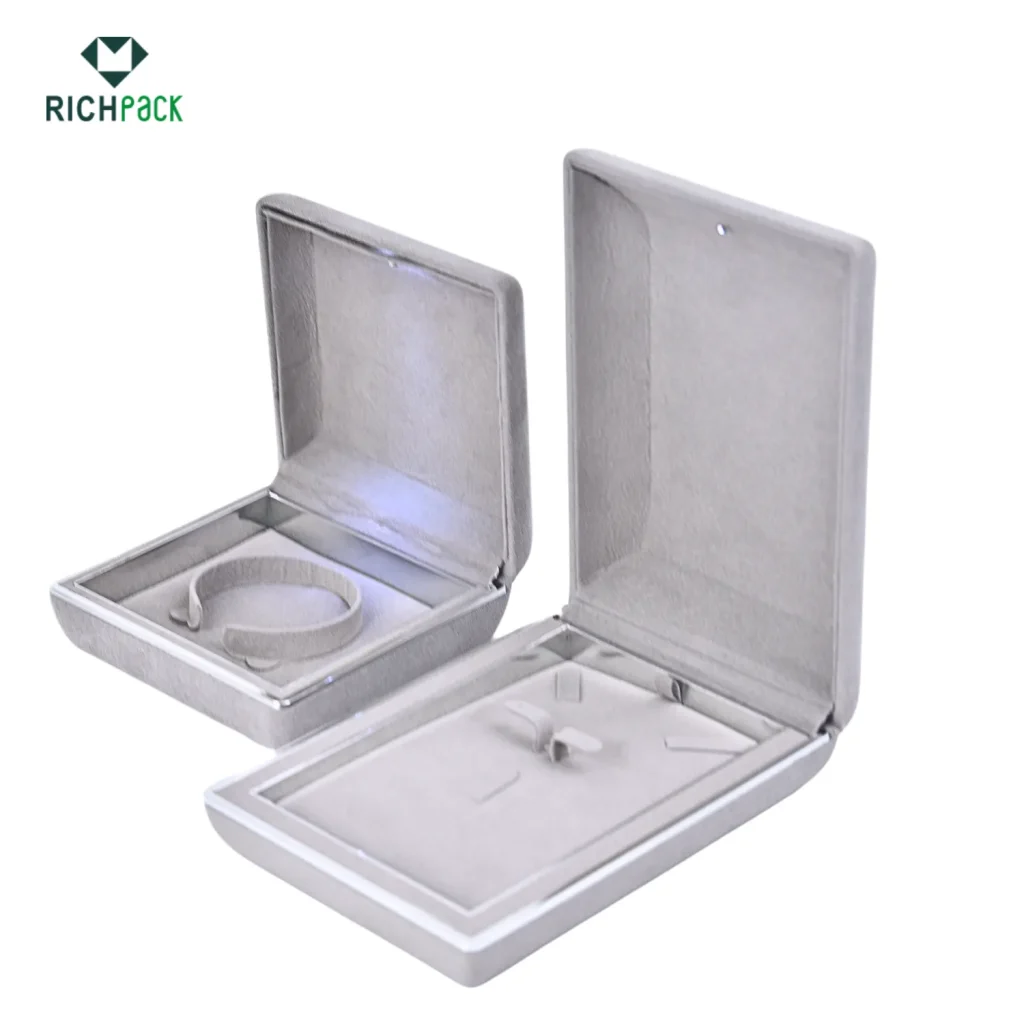
Although MicroLED technology is currently focused on large, ultra-premium displays (with some televisions priced over $100,000), the accelerating CAGR indicates that manufacturing economies of scale will eventually drive the cost down. For luxury packaging, MicroLED offers the ability to deliver highly targeted, color-accurate, high-intensity illumination from an almost invisible, ultra-miniature source, further enhancing the theatrical presentation while minimizing the electronic footprint.
Contemporary LED jewelry boxes rely on small, integrated power sources. The typical configuration requires two Lithium Metal batteries. For a standard ring box, battery specifications show a small capacity, such as 75 mAh, providing approximately 12 hours of total activation life.
A critical design characteristic is that these batteries are typically non-replaceable, having been intentionally glued or encapsulated during manufacture to achieve a sleek, lightweight structure. While this streamlines the aesthetic, it transforms the entire box into a non-separable electronic device at the end of its functional life, which poses major challenges for recycling and regulatory compliance.
The convergence of packaging and consumer electronics is driving the creation of “smart packaging.” Beyond simple light activation, advanced features being integrated include:
The successful scale-up of jewelry boxes with light distribution relies heavily on integrating high-end packaging needs with the specialized logistical demands of e-commerce fulfillment.
The online jewelry market is witnessing explosive growth, making specialized fulfillment services essential for brands. Jewelry is a highly nuanced category requiring meticulous operational care, including secure handling, detailed SKU management for small, varied items (different sizes, finishes, and packaging styles), and, for some sensitive products, climate-controlled storage.
Successful fulfillment partners help brands execute a sophisticated unboxing experience at scale. This “branded pack-out” process includes integrating the custom LED box with custom inserts, branded tissue wrap, gift notes, and seasonal touches, ensuring the professional and polished experience is delivered consistently to the end customer.
A fundamental challenge in D2C fulfillment is ensuring that the premium, delicate LED packaging survives transit. Sturdy, protective outer packaging is paramount for guaranteeing the integrity of the LED box and its contents. The shipping container itself must be branded and secure, employing sufficient cushioning materials (such as recycled kraft shred or tissue paper) to protect the internal components, including the electronic module, during the complex logistics chain.
Furthermore, because the LED boxes contain integrated lithium batteries, they are categorized as Battery Containing Devices (BCDs) and are subject to stringent regulations for shipping hazardous materials (Class 9). This adds complexity and cost, requiring specialized carrier contracts and dedicated documentation to manage lithium shipping risk, particularly for cross-border and international D2C operations.
The strategy for deploying illuminated packaging must differentiate based on the sales channel:
The investment in custom LED packaging, while incurring higher initial capital outlay than generic alternatives, yields a significantly higher long-term Return on Investment (ROI). This investment is strategically justified by its direct correlation with increased revenue, higher margins, and enhanced customer lifetime value (LTV).
The investment in sophisticated packaging is financially underwritten by tangible improvements across several financial metrics:
Effective quantification of the packaging investment requires tracking specific KPIs that measure both direct sales impact and brand equity generation.
| Metric | Observed Impact/Uplift | Source/Mechanism | Strategic Implication |
| Sales Conversion Rate | 15% – 20% Increase in Sales | Optimized lighting in display cases | Direct revenue increase, justifies cost of premium lighting integration. |
| Purchase Intent | 10% Average Increase | LED lighting installations | Signals high perceived product value to consumers. |
| Customer Examination Time | 1.5x Longer | Well-lit product displays | Increased engagement, higher probability of purchase. |
| Brand Perception | Enhanced Luxury and Quality | Premium materials, memorable unboxing experience | Drives customer loyalty and allows for premium pricing strategies. |
The primary structural challenges facing the LED jewelry box market revolve around the conflict between technological integration and global regulatory demands for sustainability and waste management.
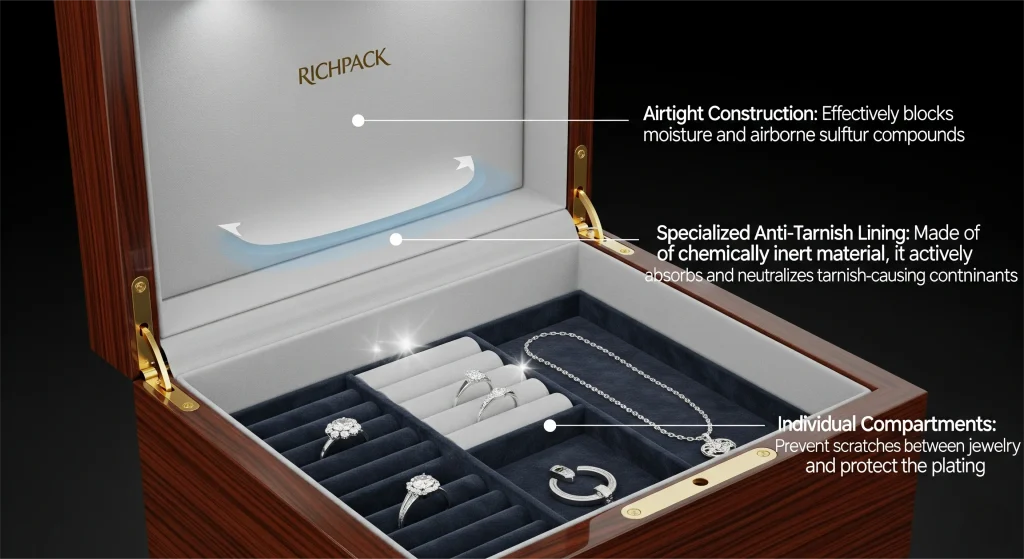
Modern consumers demand eco-friendly packaging, driving brands to utilize materials like 100% recycled fibers, bamboo, recycled cardboard, and sustainable paper. However, the physical structure of the LED box inherently creates a sustainability conflict. The box is a composite material item, consisting of the external rigid box material (e.g., leatherette/wood), the interior plush lining, the plastic electronic components, and the embedded, non-replaceable lithium battery. This multi-material composition makes standard, single-stream recyclability extremely difficult, directly countering the goals of the circular economy.
The European Union has established stringent regulations that directly impact any electronic-containing packaging:
The most critical operational risk stems from the design choice of permanently embedded batteries. Because the batteries are often glued or encapsulated for a sleek design, the entire LED box becomes classified as a Battery Containing Device (BCD). BCDs pose complex problems for waste processors due to the fire hazards posed by improperly handled lithium batteries, in addition to the environmental risk of toxic components leaching into landfills.
Luxury brands must proactively address the environmental cost and logistical headache of battery disposal. Lithium battery production is energy-intensive and environmentally impactful, involving water-intensive extraction processes. To manage the end-of-life stage responsibly and ensure compliance, brands must implement a systematic, robust B2B recycling program.
This requires contracting specialized electronic waste management services that offer secure, prepaid recycling kits (e.g., mail-back boxes capable of holding up to 25 lbs of batteries and small electronics). The cost of providing a convenient, fully traceable return and processing loop for these BCDs must be factored into the unit cost of the LED packaging solution to ensure sustained regulatory compliance and brand responsibility.
Forward-looking investment in the LED jewelry box market should center on innovation that solves the critical sustainability-versus-electronics conflict.
The most promising long-term investment lies in developing new generations of illuminated packaging featuring removable, consumer-accessible LED power modules. By designing the electronic component as a separate, disposable, or easily recycled unit, the primary structural material of the box (e.g., wood, rigid cardboard) can be routed to conventional recycling streams, thus neutralizing the main PPWR and BCD classification challenges. Further R&D should focus on integrating highly energy-efficient MicroLEDs and advanced light sensors to maximize the operational lifespan of the power module while minimizing its size and weight.
Given the complexities of RoHS compliance (hazardous substance restriction) and the future PPWR requirements, luxury brands should move beyond transactional relationships with suppliers. A strategic opportunity exists in establishing long-term, vertical partnerships with specialized Asian manufacturers that possess certified compliance capabilities, specifically in sourcing environmentally responsible materials and managing electronic component traceability. This strategy ensures that regulatory barriers in key markets, such as the EU, do not disrupt market access.
While the ring segment offers high volume, brands should strategically explore other high-margin niche areas where LED illumination provides an equal or greater luxury impact. This includes customized watch gift boxes, premium luxury paper bags, and specialized display packaging for complex jewelry sets. Combination LED boxes, designed to hold multiple pieces, command higher unit prices (up to $18.74 wholesale) and offer a superior, integrated presentation experience for exclusive series.
Most LED jewelry boxes utilize integrated, non-replaceable Lithium Metal batteries (typically around 75 mAh capacity), which are engineered to provide approximately 12 hours of total activation time. This duration is generally sufficient for the packaging’s intended use across multiple product reveals over its shelf life.
E-commerce shipping costs are impacted in two key ways: first, the presence of integrated lithium batteries often requires specialized logistics and documentation, classifying the item as hazardous material (Class 9). Second, the inherent fragility of the electronic components and the required luxury aesthetic necessitate high-quality, sturdy protective outer packaging, increasing both material and shipping weight costs.
Rings constitute the largest single segment in jewelry packaging demand, accounting for 29.7% of the total market share. This dominance is primarily driven by the consistent and high-value consumer demand for rings as crucial gifting items.
The LED Jewelry Box Market is a high-stakes, high-reward segment that positions packaging as a powerful driver of brand equity and sales conversion. The analyzed $2.5 billion historical benchmark confirms the scale of capital expenditure that luxury retailers are prepared to commit to presentation when maximizing gifting impact. The measurable uplifts in sales conversion (15-20%) and customer engagement (1.5x examination time) provide clear financial justification for the higher unit cost of illuminated packaging.
However, the long-term viability and growth trajectory of this segment are inextricably linked to compliance with evolving global environmental regulations. The reliance on non-separable electronic components introduces critical structural conflicts regarding recyclability and disposal.
Future profitability will be secured by brands and suppliers that strategically pivot toward innovation, specifically by developing modular, easily separable electronic power solutions. This technological shift, coupled with the mandatory implementation of robust, traceable battery take-back programs, is essential for maintaining access to major Western markets and preserving the integrity of the luxury brand narrative in an increasingly sustainability-conscious world. The competitive advantage will lie not just in delivering a dramatic presentation, but in guaranteeing responsible, compliant, and circular design principles.


2024-12-05

2025-05-14
2024-12-13
Richpack · 6 Packaging Strategies For Napier Jewelry Napier Jewelry is a brand with a rich history that dates back to the early 20th century. Exceptional Napier jewellery packaging is essential to maintaining the prestige and appeal that collectors and enthusiasts expect. Whether it’s an exquisite velvet-lined Napier jewellery necklace box or a luxurious vintage… Continue reading LED Jewelry Box Market: Supplier Insights, Data & Case Studies
Custom jewelry box, a timeless accessory for storing precious items, has evolved from a simple storage container to a personalized luxury item. According to a market research report by Grand View Research, the global luxury goods market, which includes custom jewelry boxes, is projected to grow at a compound annual growth rate (CAGR) of 6.8%… Continue reading LED Jewelry Box Market: Supplier Insights, Data & Case Studies
The time of Ceramic Jewelry Boxes with Lids has arrived. Many jewelry brands are eager to know about the durable options and characteristics of Ceramic Jewelry Boxes with Lids that feature exotic styles. They wonder if customizing such packaging is necessary to gain a leading position in the market. We are very glad to meet you… Continue reading LED Jewelry Box Market: Supplier Insights, Data & Case Studies
Art Deco Jewelry Packaging: Blending Elegance & Modernity for Memorable Unboxing with Richpack
View More
Biodegradable Cardboard Packaging Boxes for Corporate Gifts | Eco-Friendly Packaging Solutions for Businesses Richpack
View More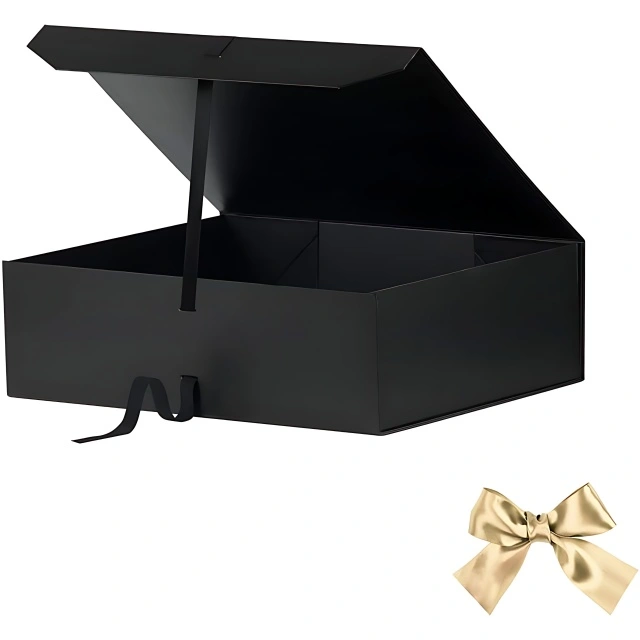
Black box with lid for jewelry | Matte black rigid packaging box with lid | Custom sizes and bulk orders at Richpack
View More
Just submit your email to get exclusive offers (reply within 12 hours)