


 PREV


6 Steps Packaging Design Process at Richpack
2024-11-18
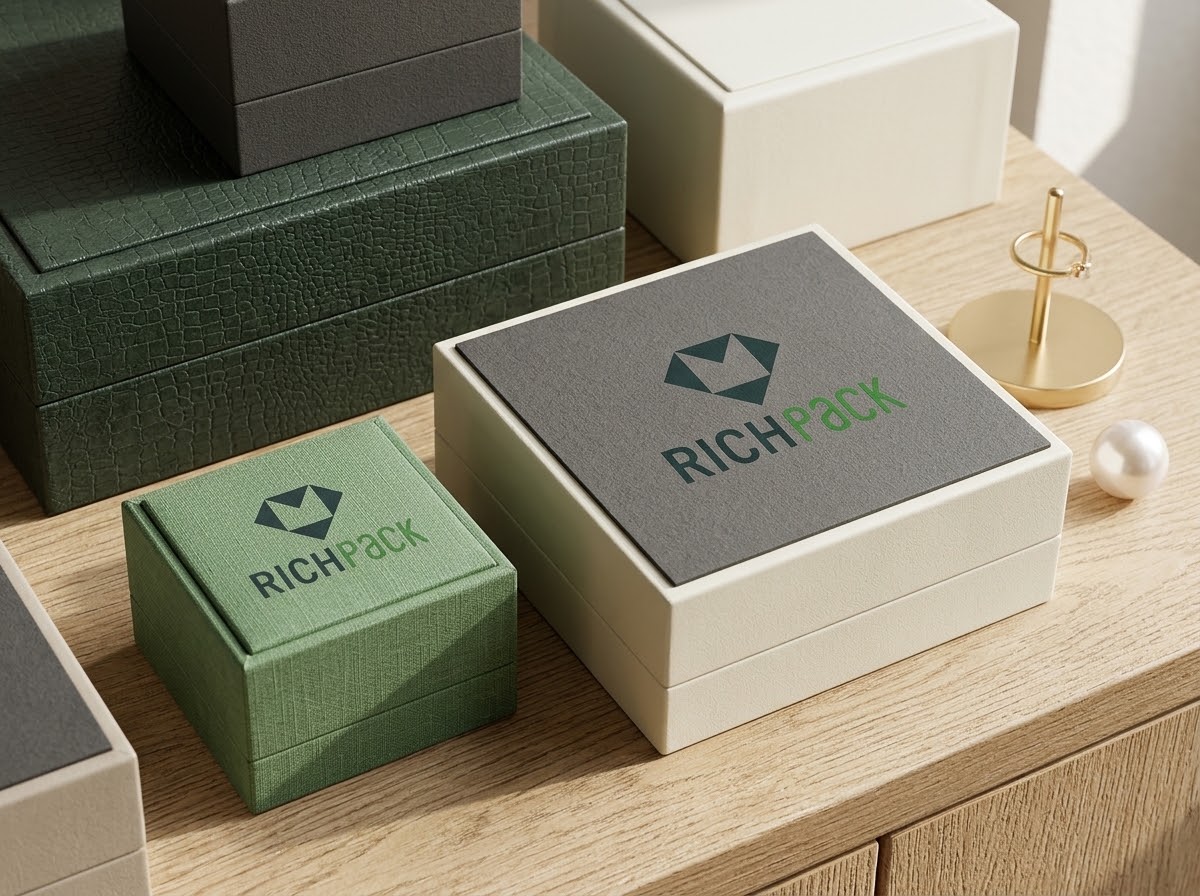



Five common packaging printing processes are flexographic, offset lithography, digital, gravure, and screen printing. The right shortlist depends on the surface being printed, package construction, artwork, number of versions, and how often the design will run. Foil stamping and embossing may appear in the same conversation, but they are finishing or decorating choices rather than additional core ink-transfer processes.
Start with the package component that needs graphics. A folding-carton panel, flexible pouch, label, corrugated shipper, and rigid-box wrap do not present the same surface or production path. Then compare setup, repeat orders, color, finishing, and proof requirements with the supplier. The sections below help brand, procurement, and packaging teams narrow the options and prepare a comparable brief, with jewelry packaging as one specific application.
The five common processes are flexographic, offset lithography, digital, gravure, and screen printing. They differ in how the image is transferred, what equipment and setup a job uses, and which package surfaces a converter can handle. Specialty image-transfer processes may also be used for specific objects or applications; finishing methods such as foil stamping and embossing decorate a printed or unprinted surface rather than adding another core ink-transfer process.
Flexographic printing transfers ink from a raised, flexible plate to the substrate. An anilox roll meters ink onto the plate. The Flexographic Technical Association’s process guidance and Harper Corporation’s technical explanation describe how ink, plate, anilox, impression, and substrate conditions work together. A change in one part of that system can affect the printed result, so a process name alone cannot confirm compatibility.
Converters use flexo for a range of web, label, film, paper, and corrugated work, depending on the press, ink, plate, and package construction. For a buyer, the useful questions are which surface is printed, whether the job repeats with the same artwork, and what proof is available on the chosen material. Ask the converter how small text, fine lines, solid areas, and color targets will be checked on the actual package surface.
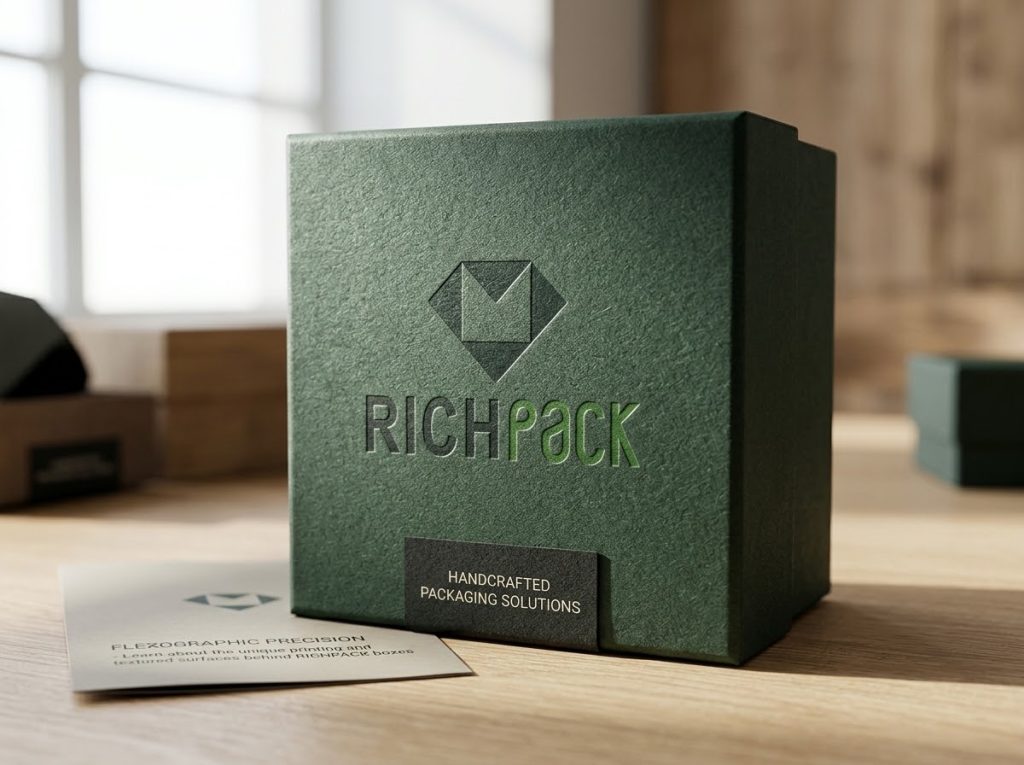
Offset lithography transfers an image from a plate to a blanket cylinder and then to the substrate. The blanket is the intermediate surface that transfers the image. Packaging buyers often encounter this route on paperboard sheets and folding-carton work.
Corrugated packaging can use more than one print path. A converter may print directly on a corrugated surface, or print a separate sheet and laminate it to the board. The Paperboard Packaging Council’s overview and Sourceful’s packaging-printing article describe litho-lamination as one such construction. The package structure, face stock, print location, and converting steps determine which path is available. Ask the supplier to identify what is printed, when it is printed, and whether lamination is included in the quoted construction.
Digital printing transfers an image from a digital file through a press-specific imaging system rather than a conventional flexographic plate or gravure cylinder. Digital workflows can make artwork changes and multiple versions simpler in some jobs because a new physical image carrier is not made for each design in the same way. That does not mean every digital press accepts every substrate or color request.
The Paperboard Packaging Council’s 2019 interview with an Esko solution manager notes that digital carton work still involves file preparation, color conversion, and sample matching. Ask the converter which file settings and color references its press requires, which materials it supports, and what type of proof it will provide. Digital may be worth comparing when versions change often or the run plan is uncertain, but the quote and the sample should decide whether it fits the job.
Gravure printing carries the image in small engraved cells on a cylinder. Ink fills the cells, excess ink is removed at the printing unit, and the remaining ink transfers to the substrate. The cylinder is part of the job setup, which makes the cost and timing of cylinder preparation a question to include in a quote.
Gravure appears in flexible-packaging and other repeat-production discussions. It may be a candidate when a buyer expects a stable design to run repeatedly, but there is no universal unit count at which gravure becomes the right choice. Ask for the supplier’s comparison using your actual material, print width, colors, versions, and reorder forecast.
Screen printing pushes ink through open areas in a mesh stencil onto a surface. It can suit selected specialty graphics, object shapes, or surfaces that do not fit a conventional web or sheet workflow. The result depends on the mesh, ink, surface, registration, and how the object is held during printing.
Screen printing is not automatically the lowest-cost route for a small job or the right way to add a tactile effect. Ask whether the supplier is printing the finished object or a flat component, how multiple colors will be registered, and how the ink will be evaluated on the intended surface.
Pad printing and letterpress are specialized printing processes used for particular surfaces or applications. Three-dimensional printing makes a package component or structure rather than transferring ink onto packaging. Foil stamping, embossing, and coatings are finishing or decorative processes. Separate these categories before comparing quotations so each supplier is pricing the same job.
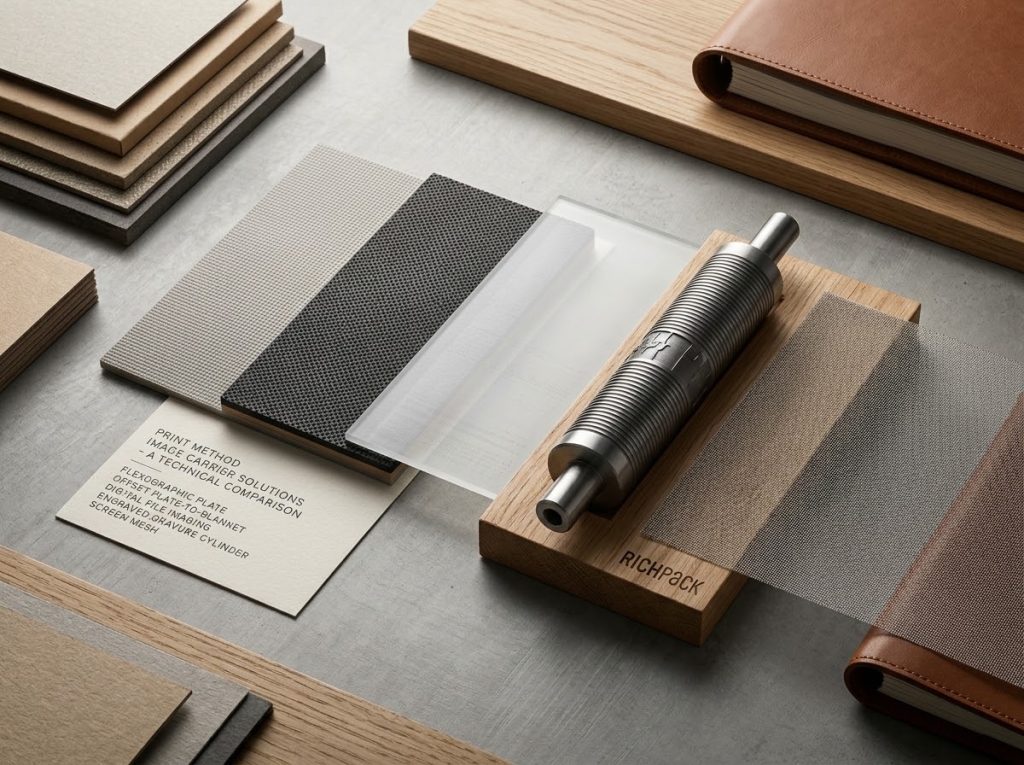
Compare each printing technology against the same job conditions rather than choosing from a single “best for” label. The table shows what to confirm with a converter. It does not replace a press-specific recommendation or a proof on the intended substrate.
| Process | Image carrier or workflow | Packaging formats to evaluate | Setup question | Artwork and version fit | Buyer check |
| Flexographic | Raised flexible plate; anilox meters ink | Labels, webs, selected films, paper, and corrugated constructions | Which plates and setup items apply, and what recurs on reorder? | Ask about repeat artwork, fine detail, solids, and color targets | Request a sample or proof on the actual material and print panel. |
| Offset lithography | Plate transfers through a blanket | Paperboard sheets, folding cartons, and some printed-sheet/laminated constructions | What sheet, coating, or lamination steps are included? | Discuss image detail, color references, and the converted package | Confirm whether the printed sheet is the final surface or is laminated. |
| Digital | File-driven press imaging | Compatible cartons, labels, and selected flexible or rigid formats | Which preparation and proof charges are included? | Can support multiple versions in some workflows; check press-specific color and material limits | Verify the proof on the target stock and finish. |
| Gravure | Engraved cells on a cylinder | Flexible webs and other supplier-supported repeat jobs | What cylinders and preparation are required for each design? | Compare stable artwork and repeat plans with version changes | Request a quote based on the actual print width, colors, and reorder forecast. |
| Screen | Mesh and stencil | Selected specialty surfaces, objects, or flat components | What screens, fixtures, and color passes are required? | Ask how registration and detail will be controlled | Check the printed object or surface in its intended use. |
Each process has its own image carrier and preparation. Flexo may involve plates, gravure uses engraved cylinders, screen printing uses a mesh screen, and offset uses plates and blankets. Digital avoids those conventional image carriers for the imaging step, but still has file preparation, press setup, material, and proof requirements. Ask for each setup item to be separated from repeat-run costs so you can see which charges apply again when the design changes or returns.
Package format sets the surface and geometry. Run pattern and SKU count show whether the design stays stable or changes often. Artwork requirements include color references, gradients, small text, variable information, and finish. Compare those fields together. A repeated design on a web and a frequently revised carton design are different jobs even if the total unit counts look similar.
A single quantity threshold cannot determine the better option because presses, substrates, artwork versions, setup charges, and quote scope vary. Ask suppliers to price the same structure, print area, versions, quantity, finish, proof, and delivery basis.
The package format determines where printing can happen and which construction steps follow it. Start with the printable panel, material, geometry, and order of conversion. Then ask a converter which processes its equipment can run on that exact surface.
For a jewelry example, custom jewelry boxes can involve separate print decisions for the wrap, lid panel, insert card, pouch, and shipping carton. That example does not make one process suitable for every component. The same principle applies to cartons, pouches, labels, and corrugated cases across other product categories.
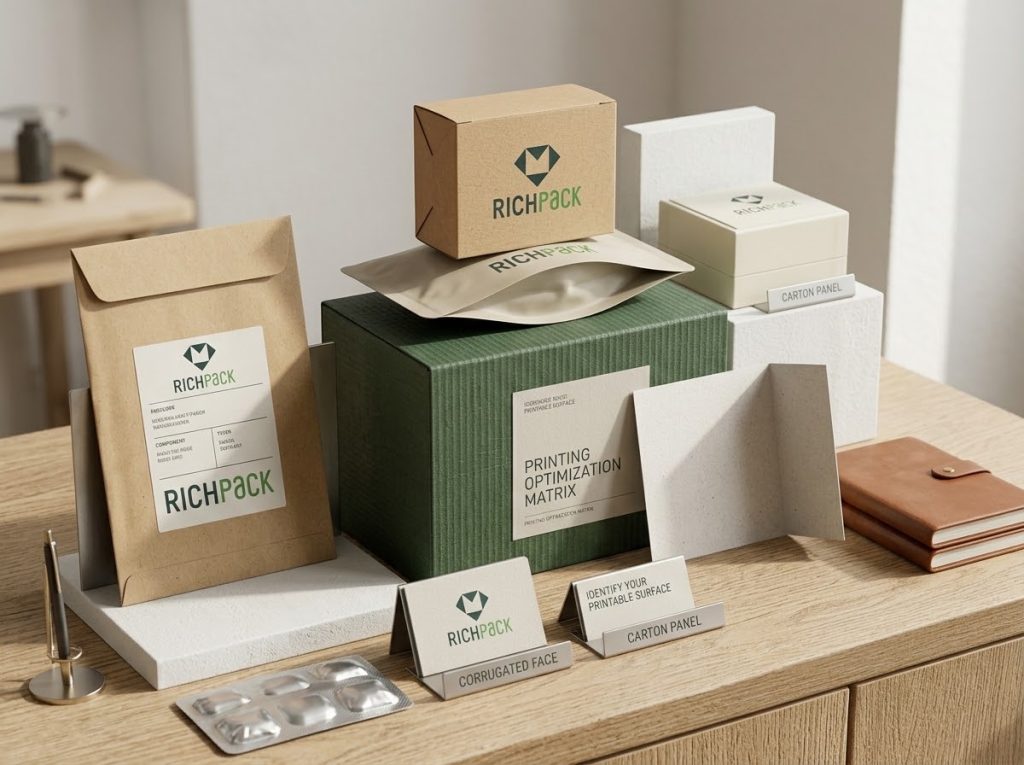
For a folding carton, identify whether the supplier prints a flat sheet before die cutting and folding, or applies graphics through a different production route. Offset and digital printing are common options to discuss for paperboard work. The board coating, surface, print area, conversion sequence, and desired finish affect the choice.
If the substrate is still open, compare the construction and coating before you lock the print method. A converter can provide a dieline and confirm whether the artwork must account for score lines, glue flaps, or other non-print areas. Buyers exploring paper stock can also review paper packaging solutions as a separate material discussion. For teams packaging fragrance or beauty products, custom cosmetic and perfume packaging is another format-specific example, not proof of a particular print process.
Flexible packaging includes films and formed pouches with layers, seals, and print surfaces that differ from a carton. Flexographic, gravure, and digital printing may appear in a shortlist, but the converter must confirm the actual structure, ink system, web direction, print side, and post-print steps. Ask for a proof or sample that represents the final material and construction.
Jewelry pouches are one narrower application. A product assortment such as jewelry pouches and displays can illustrate how different package components use different surfaces, but it does not establish which print equipment or ink system a supplier uses. Check the exact pouch material and artwork with the converter.
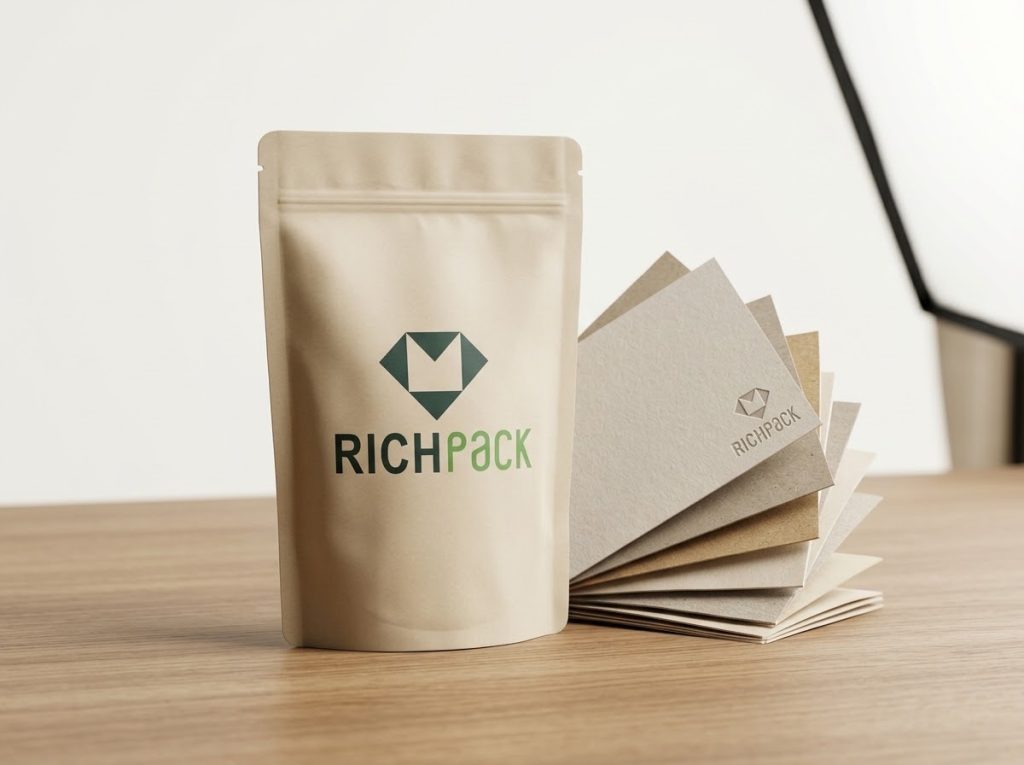
A label may be printed as its own web and then applied to a package. A corrugated box may receive print directly on a liner or use a printed sheet laminated to the board. These are different print surfaces and production paths. Ask which surface is visible on the finished package, how the board construction affects detail, and whether the quote includes lamination, coating, or another pass.
Do not compare “corrugated printing” as if every box uses the same face stock or process. The flute, liner, finish, and graphic requirements matter. A simple shipping mark may need a different specification from a retail-facing panel with fine text and color imagery.
Rigid boxes add a wrap, board structure, lid, and sometimes an insert. Decide which part receives the mark before choosing a process. A small logo on the lid, full-coverage artwork on a wrap, a printed insert card, and a shipping carton do not share the same print area or handling conditions.
For a branded presentation box, compare the surface material, where the artwork sits, whether it crosses an edge, and which finishes are required. Rigid gift boxes, logo-ready jewelry boxes, and custom jewelry box inserts are examples of distinct packaging components. A folding magnetic structure changes the panels and edges that need to be considered.
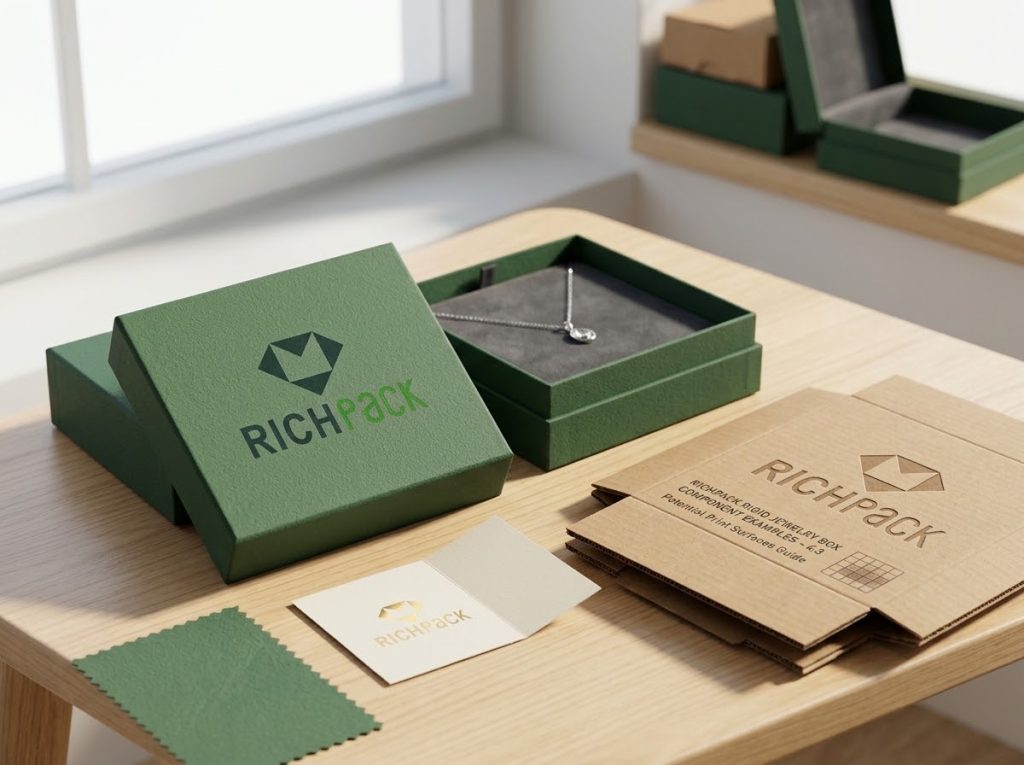
Packaging printing cost depends on the complete job scope. Setup, tooling, material, print area, run pattern, versions, finishing, conversion, proofing, packing, and delivery may appear as separate quote lines. Compare the same specification across suppliers instead of relying on a generic price or break-even number.
Ask which plates, cylinders, screens, or other setup items apply to the recommended process. Confirm the charge per artwork version, what changes on a reorder, and whether any setup items can be reused. Digital imaging can avoid conventional plates for the imaging step, but that does not make all other preparation or proof work disappear.
List the quantity per design, the number of versions, and the expected reorder pattern. A single large run of one design and several smaller runs with changing artwork can have different setup and changeover needs. Variable data, seasonal designs, and language changes also affect the file and approval work. Ask the converter to quote the plan by version rather than combining everything into one total that hides those differences.
Material, coating, ink coverage, lamination, foil, embossing, and converting can change the quote. Ask whether the price includes printing only or also die cutting, folding, gluing, wrapping, finishing, proofing, packing, and shipping. A quoted “printed box” may describe a different scope from a printed flat sheet delivered before conversion.
Use the same brief for each supplier. Include the package structure, dimensions, printable panel, material, color references, number of artwork versions, quantity per version, finishing, proof, packing, delivery location or basis, and reorder assumptions. Compare the total scope and the items that recur. A one-off example in an online discussion cannot establish a market price or universal minimum order.
| Quote field | What to specify |
| Structure and material | Package type, board or film specification, surface, and conversion sequence |
| Print area and artwork | Dimensions, number of colors or references, detail, and versions |
| Run plan | Quantity per version, repeat schedule, and expected artwork changes |
| Finishing | Foil, coating, lamination, embossing, or other required operations |
| Approval | Proof format, target material, review criteria, and sign-off owner |
| Included costs | Setup, tooling, printing, conversion, packing, freight, and reorder charges |
Artwork, color, finishing, and the print process affect one another, but they are separate decisions. Prepare the file for the chosen package structure, tell the converter what color reference matters, list the finishing steps, and approve a proof on the intended material before production.
Ask the converter for the current dieline, required file format, bleed and safe-area instructions, and any process-specific notes before artwork is finalized. Check that type, rules, logos, and images stay within the printable panel and away from folds, seams, glue areas, and closures. File requirements vary by converter and workflow, so do not assume one generic resolution or bleed specification.
Provide the source file and a clearly named approved version. If a design has several languages, SKUs, or seasonal updates, list them as versions in the brief. That lets the supplier identify where artwork changes need a separate proof or setup.
CMYK describes a process-color model. A spot-color reference such as a Pantone color is a separate specification. Neither term by itself identifies the printing method or guarantees that two substrates will look identical. Paper shade, coating, texture, ink, press calibration, and viewing conditions can change the appearance.
State which brand colors are critical and ask how the converter will evaluate them on the selected stock. A discussion of PMS vs. CMYK color systems can help teams separate that choice from the method decision. The Paperboard Packaging Council’s 2019 digital-printing interview also describes color conversion and sample matching as part of digital prepress, within its folding-carton context.
Foil stamping, embossing, debossing, coatings, and lamination change the package surface or its appearance. They may be combined with a print job inline or added in a separate finishing step, depending on the equipment and construction. The Foil & Specialty Effects Association describes hot, cold, and digital foiling as distinct foil-decoration routes. Treat foil as a finishing question when comparing the five common ink-transfer processes.
When foil is under consideration, specify the location, size, color, substrate, and whether it must register to printed artwork. A focused explanation of foil stamping can answer the separate finishing question. Confirm the actual workflow and sample with the supplier.
Approve a proof that represents the intended substrate and finish whenever color, small detail, registration, or surface appearance could change the decision. Check the approved artwork version, color target, logo alignment, fine lines and text, folds or edges, and the interaction between ink and finish. If rub resistance or handling matters, agree on a suitable evaluation method with the converter rather than assuming a proof establishes durability.
Record who approved the proof and which version was approved. A screen preview can show layout, but it cannot by itself verify the final appearance on a different material or surface.
A useful brief identifies the package, the panel to print, the run plan, the artwork requirements, and the proof needed for approval. It gives each supplier the same starting information while leaving the process recommendation open to the equipment and material available for the job.
Name the package type and describe its construction. Provide dimensions, material, surface treatment, printable panel, folds, closures, seams, and whether print happens before or after conversion. A paperboard carton, flexible pouch, label, corrugated shipper, and jewelry-box wrap should not be grouped under a vague request for “printed packaging.”
State quantity for each SKU or artwork version, planned repeat orders, and any expected seasonal or market changes. Mention variable data or personalization. If a buyer is still deciding between concepts, state which parts of the design may change before production.
Identify the logo, critical colors, image detail, small text, gradients, metallic effects, texture, and finish. If a jewelry brand is personalizing a custom jewelry box, the brief should show whether that artwork goes on the box wrap, lid, insert card, pouch, or shipping package. These surfaces may require different file placement and proof checks.
Ask which process the supplier recommends for the stated construction and why. Confirm the tooling and setup items, substrates supported, finishing passes, quote inclusions, proof format, and who approves the final version. If the package uses a special construction, such as a foldable magnetic structure, provide its dieline and confirm the print panel and folds against Richpkg’s magnetic foldable box overview.
For a velvet ring box, the printable or decorative surface may differ from a paperboard wrap. Richpkg’s article on printing a custom velvet ring box is relevant when that is the package under review. The actual process, sample, finish, minimums, and delivery terms still need direct confirmation from the selected supplier.
Five common packaging printing processes are flexographic, offset lithography, digital, gravure, and screen printing. Some applications also use specialized processes such as pad printing or letterpress. Foil stamping and embossing are finishing or decorative routes, not additional core ink-transfer methods.
They are flexographic, offset lithography, digital, gravure, and screen printing. Each uses a different image carrier or imaging workflow. The best comparison starts with the package surface, artwork, versions, setup, and proof rather than a universal ranking.
Flexographic printing transfers ink from a raised plate, with an anilox roll metering ink to the plate. Digital printing images from a file through a press-specific system. Compare the actual substrate, setup, color requirements, artwork changes, versions, quantity, and proof. Neither method is always less expensive or more suitable.
Flexographic, gravure, and digital printing are common options to discuss for flexible films and pouches. Compatibility depends on the material structure, print side, ink system, press, seals, and finishing steps. Ask the converter to confirm the exact construction and proof the finished material.
Foil stamping is generally treated as a finishing or decorative process, distinct from the five common ink-transfer methods. Hot, cold, and digital foiling use different workflows. Confirm how the chosen route will register to printed graphics and whether it adds a separate production pass.
Give each supplier the same package structure, material, printable panel, artwork versions, quantity per version, color references, finish, proof requirement, packing, delivery basis, and reorder assumptions. Compare setup and tooling separately from repeat costs, and check that each quote includes the same conversion and finishing steps.
Start with the surface that needs printing, then compare the process, package construction, run and version plan, artwork, finish, and proof together. Flexographic, offset, digital, gravure, and screen printing each solve different jobs, but a method name alone cannot confirm that a specific press and material are compatible. Ask suppliers to quote the same scope and approve the intended-substrate proof before production. Jewelry brands can use the same decision process component by component, from a box wrap to an insert card or shipper. Richpkg’s next step is limited to helping jewelry-packaging buyers define those packaging requirements and review suitable options.
2024-11-18


2025-04-17
2025-09-29

2025-05-26

2026-03-31

2024-11-22
Bespoke Custom Jewelry Pouches for Protecting Your Jewelry | Customized Pouch Design
View More
Cost-Effective Eco-Friendly Bulk Packaging for Wholesale Jewelry Brands | Tailored for Large Orders Focused on Green Initiatives
View More
Elegant Affordable Cosmetic Boxes with Custom Designs for Boutique Skincare Brands | Perfect for Small Businesses Needing Budget-Friendly Packaging
View More
Luxury Gift Cards with Unique Finishes and Security Features | Richpack Provides High-End Custom Packaging for Jewelry Brands
View More
Protect Your Earrings with Richapack Durable Earring Post Covers | Comfortable Earring Covers and Ear Piercing Protectors for Secure Wear
View More
Richpack Bespoke Custom Printed Cosmetic Boxes for High-Volume Orders | Tailored Packaging Solutions for Distributors and Brands Needing Large Orders
View More

