

 PREV

10 Creative Ideas for Personalized Wedding Thank You Cards
2026-03-20




A rigid box can make a small piece of jewelry feel valuable, but its price reflects more than the box. You also pay for conversion, storage volume, packing time, freight, inserts, and the risk of shipping an empty space. The cheaper answer is usually a structure matched to the product and the delivery route. The lowest unit quote can become the highest landed cost when a thin insert allows a chain to tangle or a mailer uses twice as much warehouse space.
This guide gives brand and procurement teams a practical way to compare folding cartons, corrugated mailers, sleeves, and hybrid packs. It also shows where a jewelry package needs more protection, how to preserve a premium opening, and what to approve before a larger order.
Rigid boxes use thick board, wrapped papers, precise corner work, and more manual conversion than many folding formats. A fair comparison must include the complete packout and delivery system, not just the empty box price.
A setup box is built from a board core that is cut, wrapped, folded, and pressed. A lid, base, ribbon, magnet, tray, or fitted insert adds another operation and another tolerance to control. The result can look excellent, but each extra layer increases material use, labor, inspection points, and the chance that a late design change will affect several components.
Rigid boxes arrive in their finished three-dimensional form. Consider a planning example: a 10 x 10 x 4 inch rigid box occupies 400 cubic inches. A 12 x 9 x 0.25-inch folding carton occupies 27 cubic inches before assembly. The rigid pack takes about 14.8 times the flat carton volume. This is an illustration, not a universal shipping claim; replace both dimensions with your supplier’s samples. Flat cartons can cut storage and replenishment volume sharply.
The box shell is only one part of a jewelry pack. A ring slot, earring card, necklace tab, bracelet cushion, or watch pillow controls movement and protects the contact surface. If an alternative removes the outer box but still requires a tightly fitted insert, the apparent savings may shrink. Compare the full bill of materials.
Freight is affected by packed dimensions, carton density, and the amount of empty air. A lightweight folding carton may lower outbound cost, while a corrugated mailer may offer better stacking and impact tolerance. A fragile presentation box can still be the right choice for a high-value store handoff, but it deserves a different test plan from a parcel pack sent through a carrier network.
Rigid construction makes sense when the package is part of the gift, needs a controlled reveal, or must protect a delicate presentation during repeated handling. It is harder to justify when the box is hidden inside a shipper, the product is already secured by an insert, or the customer is more sensitive to parcel cost than to a keepsake opening.
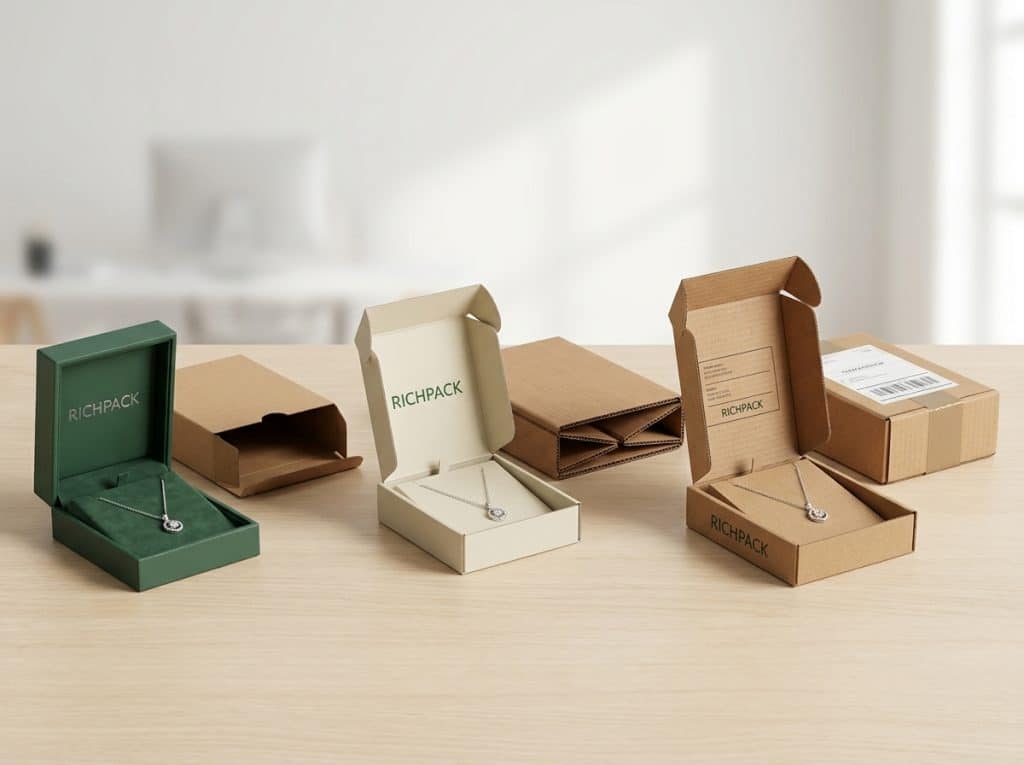
Each alternative solves a different problem. Use the comparison to narrow the structure, then confirm the product fit with a blank and a finished sample.
A folding carton is often the first lower-cost step from a setup box. It ships flat, uses efficient die cutting, and can carry a carefully designed print surface. For earrings, small pendants, and light gift sets, a carton with a paperboard insert can provide a clean retail experience. It needs a realistic compression and scuff check before it replaces a rigid shell in parcel shipping.
A corrugated mailer adds a fluted layer for stiffness and cushioning. Micro-flute constructions can support a more refined print surface than a large shipping flute, while still giving the pack a practical parcel profile. While a corrugated mailer provides the rigid exterior protection needed for e-commerce, it must be paired with a custom foam or paperboard insert to prevent internal friction. The insert should hold the jewelry in place during vibration and parcel handling. The mailer may still need a separate presentation tray, wrap, or card if the unboxing moment is central to the brand.
A printed sleeve can carry the visual identity, while a simpler inner carton holds the product. A drawer action feels deliberate, but the two-piece combination may use less wrapped board than a fully covered setup box. It works well when the sleeve is the branded layer and the inner pack handles retention. Check friction, fit, and how easily a customer can open it with one hand.
A hybrid package combines a lighter outer carton with a rigid or semi-rigid insert, tray, or base. It puts strength where the product needs it and removes material where it does not. For a necklace, that may mean a stable tab and a small cushion inside a printed carton. For a gift set, it may mean a folding outer pack with a presentation tray that lifts out.
| Format | Cost and space tendency | Jewelry fit | Main tradeoff | Ask the supplier to show |
| Folding carton | Lower packed volume; efficient flat shipping | Light rings, earrings, pendants | Less crush resistance than a full rigid shell | Insert retention and compression sample |
| Corrugated mailer | Good parcel protection; efficient stacking | E-commerce orders and heavier sets | Needs a premium inner experience | Flute, print surface, and movement test |
| Sleeve plus inner carton | Branded outside with a simpler core | Giftable small collections | Sleeve friction and fit control | Opening sequence and rub test |
| Hybrid structure | Place strength only where needed | Mixed jewelry sets and premium parcels | More design coordination | Full BOM and assembled sample |
| Rigid box | Strong presentation and structure | High-touch gifting and keepsake use | Higher board, labor, and storage burden | Complete cost and delivery model |
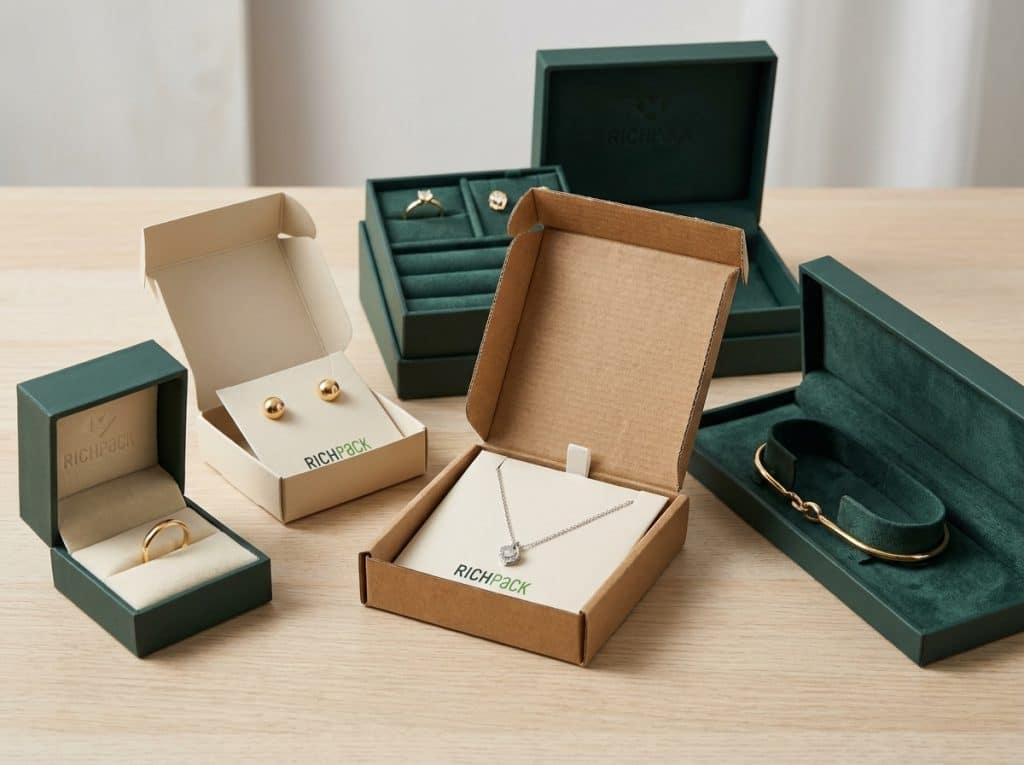
A lower-cost shell does not require a low-value customer moment. Premium cues come from proportion, print control, tactile surfaces, a calm opening sequence, and an insert that makes the jewelry easy to see and remove.
A clear brand color, sharp typography, and one deliberate finish can carry more weight than multiple decorative layers. Foil, coating, embossing, and textured papers each add a material or process decision. Use only the finishes that support the brand and survive rubbing during packing and delivery. A supplier should show a production swatch and a finished sample, not only a digital rendering.
The customer should understand what to do with the pack within a few seconds. A sleeve that is too tight feels cheap. A drawer that binds feels unfinished. A lid that needs two hands may be unsuitable for a small parcel reveal. Map the hand movement from seal to jewelry, then test the action with the actual insert and product.
Rings and earrings need positive retention so they do not rotate, fall out, or catch on the lining. The opening should present the face of the piece without asking the customer to dig through loose filler. Confirm slot width, depth, edge softness, and the way the jewelry sits after vibration.
Chains and bracelets expose weak packaging quickly. A necklace needs a tab, channel, or other restraint that limits tangling while leaving enough room for a customer to remove it. A bracelet may need a cushion or shaped support. Test the actual chain length and clasp rather than a generic sample piece.
A package can reduce board, ship flat, or use a simpler finish, but the sustainability claim belongs to the complete bill of materials. Ask whether the paperboard is FSC-certified, whether the ink is soy-based, and what the board weight is in gsm. These details describe sourcing and print choices; they do not prove that the finished pack is recyclable. Check paperboard, wrap, insert, lining, adhesive, magnet, coating, and local collection rules before making a claim.
A reliable choice starts with measurements and a delivery assumption. Write the product, insert, outer pack, shipper, and handling route on one brief so every supplier quotes the same job.
Record the product’s packed length, width, height, and the clearance needed to remove it without scraping. Measure the insert as assembled, including tabs, cushions, and any card. Add the smallest practical tolerance that keeps the product secure. Supplier proof is required because board thickness, wrap, and compression can change the final fit.
Decide where the pack will be opened. A boutique handoff, subscription parcel, and cross-border e-commerce shipment do not face the same abuse. Note whether the product needs crush resistance, moisture protection, tamper evidence, or simply a clean presentation inside a protective shipper. The answer may be a lighter presentation carton inside a separate mailer.
Use one comparison sheet for every quote. Include unit packaging, insert, decoration, assembly, outer shipper, freight, storage, packing time, expected damage, and the cost of rework. Keep the assumptions visible. A supplier cannot fairly compete with a quote that excludes the insert or uses a different packed dimension.
The right structure should fit the people packing it. Count the actions from the open carton to the sealed parcel. A sleeve that saves board but takes twice as long to apply may erase its material savings at scale. Run a small packout trial with the actual product, tissue, card, label, and shipper.
A useful request for quote includes the product type, target dimensions, annual or launch quantity, artwork status, finish limits, insert material, shipment route, sample requirements, and inspection points. Ask for a complete BOM and identify which items are estimates. Request the same sample stages from each supplier so the decision compares like with like.
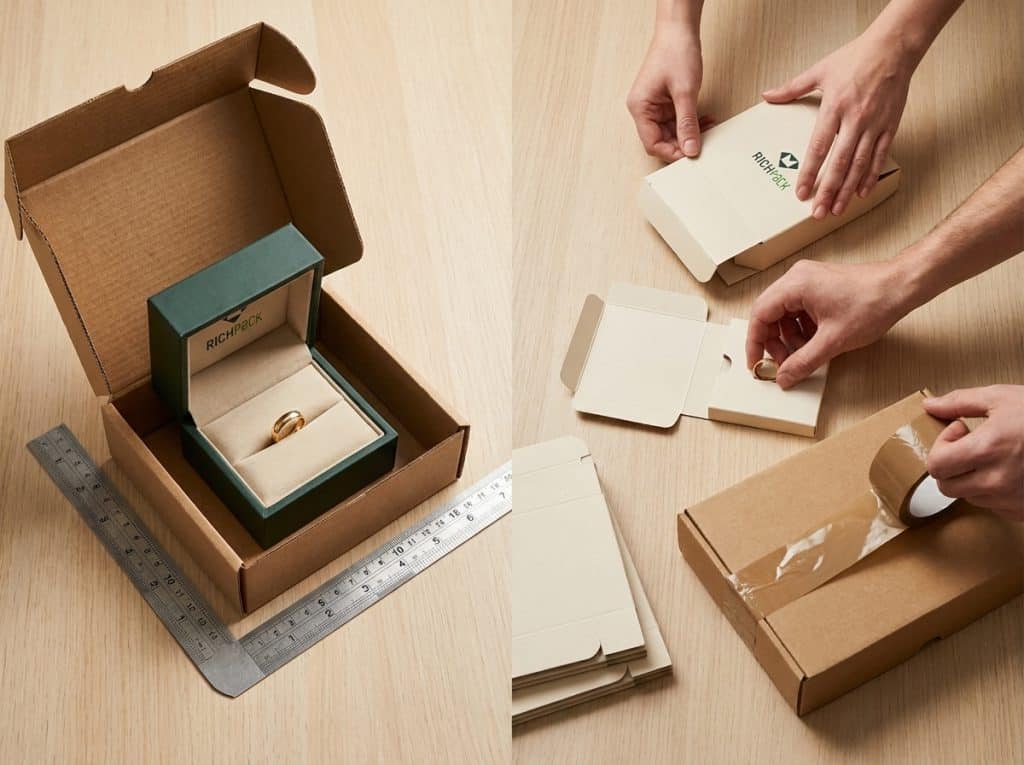
A lower-cost concept earns approval through samples, not promises. Approve the structure, print, fit, movement, and shipping behavior in the order your team will rely on them.
Start with an unprinted blank or white sample. Check the fold lines, corners, lid or sleeve fit, insert placement, and the force needed to open and close the pack. If the blank is wrong, color and finish reviews will only hide the issue.
Review color against an approved reference, then inspect registration, edge coverage, scuffing, coating, and the feel of the surface. Check the area that will touch other packs during transit. A beautiful top panel does not compensate for a logo that rubs off on the sleeve.
Place the real jewelry in the final insert and move the assembled pack in the way it will travel. Look for loose fibers, marks, odor, metal contact, shifted tabs, and edge bonding. For chains, open the pack after movement and check whether the clasp or links have migrated.
Use the final shipper and the intended void fill. Run the internal handling protocol your team can repeat, such as compression, vibration, and controlled drops. Record the condition of the jewelry, insert, closure, and printed surfaces after each check. These are planning checks, not a substitute for a certified transport laboratory when a project requires one.
Save the approved dimensions, materials, artwork version, finish, insert layout, tolerances, sample photos, and inspection points. Put the same information on the purchase order and reorder record. A cheaper alternative only stays cheaper when the next run matches the approved one.
There is no universal cheapest option. Folding cartons often reduce board and packed volume, while corrugated mailers can lower damage exposure in parcel shipping. Compare the full BOM, freight, labor, and storage before choosing.
They can be suitable for light jewelry when the board, folds, insert, and shipper match the handling route. Approve a finished sample and test retention, compression, rubbing, and movement with the actual SKU.
They can look considered when the flute, print surface, color, and opening action support the brand. A corrugated outer pack may still need a cleaner inner tray or card for a high-touch jewelry presentation.
Give each supplier the same product dimensions, insert brief, artwork status, finish limits, sample stages, shipping assumptions, and inspection points. Require a complete BOM so hidden components do not make one quote appear cheaper.
Choose a sleeve when the outer branded layer can carry the experience and the inner pack can hold the product securely. Choose a full box when the package itself must protect, present, and preserve the jewelry through repeated handling.
The practical, cheaper alternative to a rigid box is the format that removes unnecessary structure while keeping the protection and opening your customer needs. Start with SKU measurements, insert behavior, shipping route, and a complete landed-cost comparison. Then approve a blank, a finished sample, and a repeatable test before scaling.
For a jewelry brand that needs custom jewelry boxes, packaging products, or a mixed rigid and folding program, prepare the product list, dimensions, target quantity, artwork, and delivery route for a supplier review. RichPack is the brand entity connected here to end-to-end packaging development, from sample structure and artwork review to bulk production testing, subject to project confirmation. Its public pages list custom jewelry boxes, custom packaging solutions, and custom jewelry packaging products. Confirm current page availability and project capabilities before publication.


2026-03-20

2025-12-10
2025-04-21

2026-07-10
2025-04-27
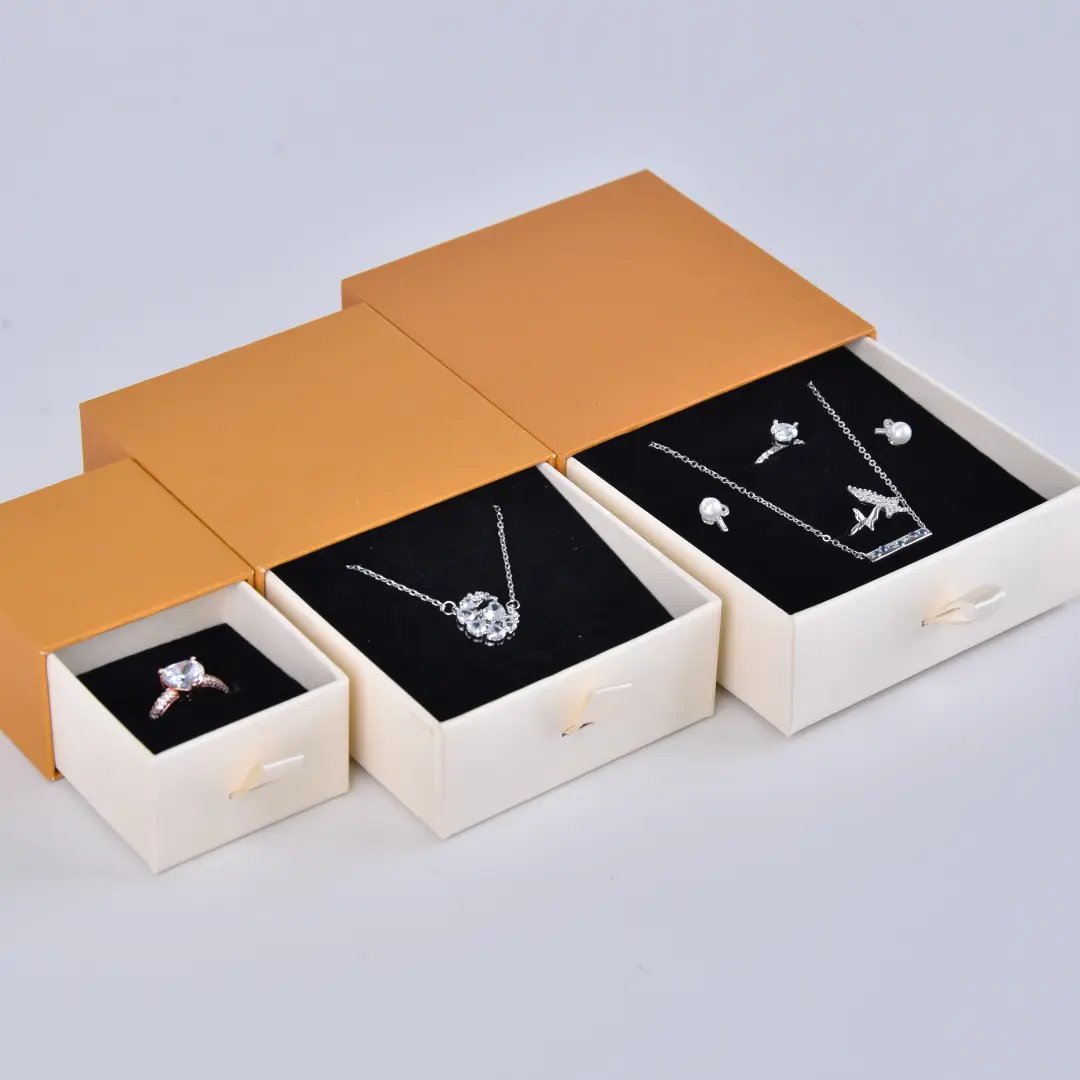
Antique Bronze Sliding Jewelry Box – 5x5x3.5cm Rigid Cardboard Sliding Jewellery Gift Box
View More
Birthday Gift Boxes for men – Sturdy Boxes for His Special Day’s Elegance
View More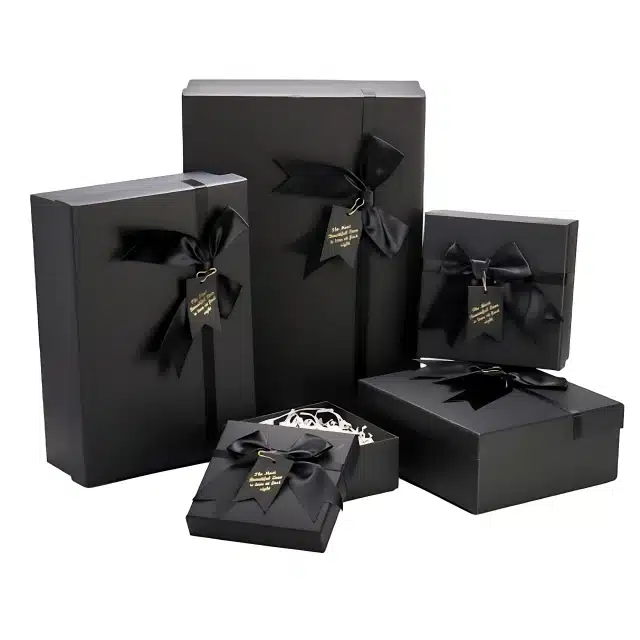
Black Gift Box Packaging – Practical, Branded Jewelry Boxes for Retail | Richpack
View More
Black Gift Box with Lid – Rigid Box for Jewelry, Gifts & Retail Packaging | Richpack
View More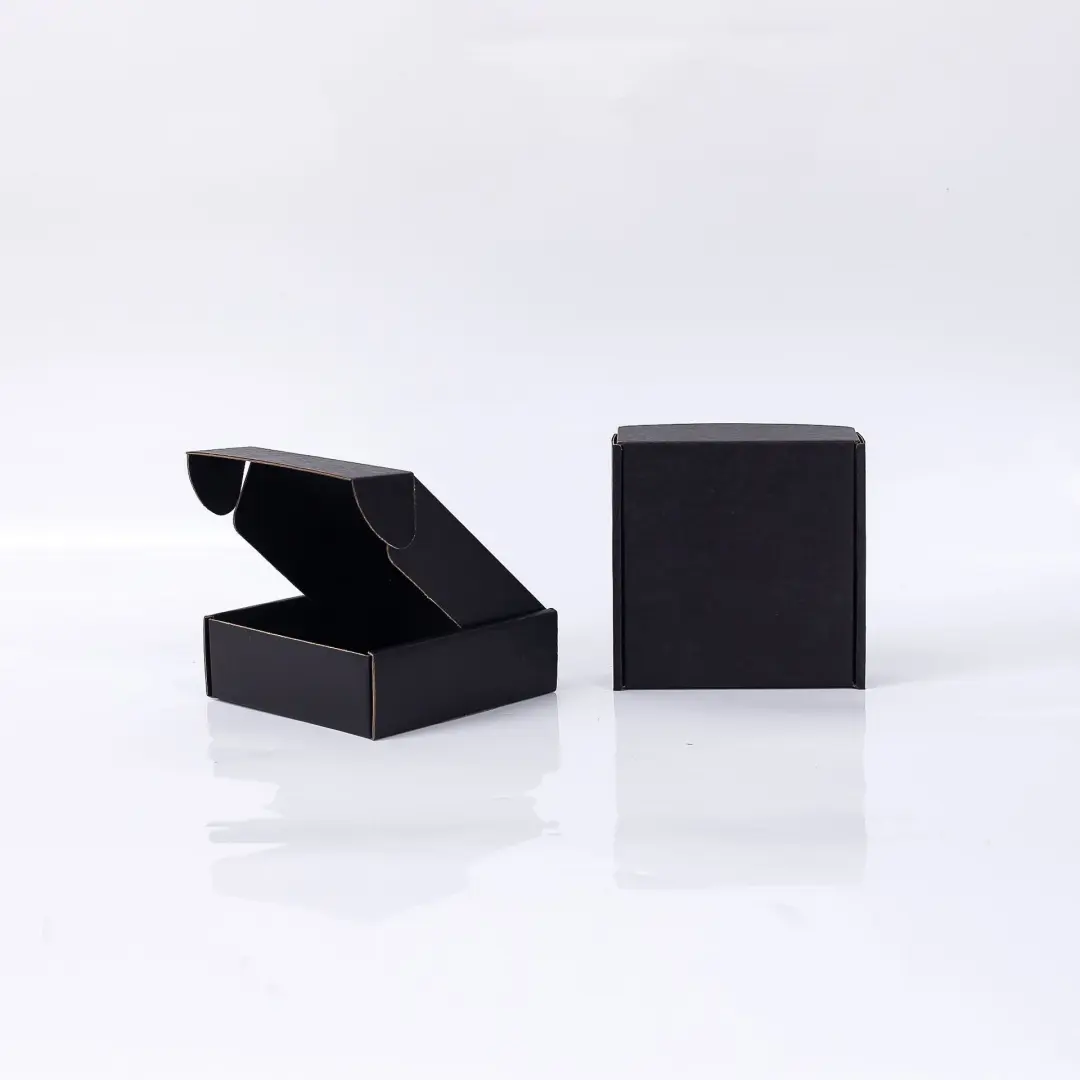
Black Shipping Boxes – 15x15x5cm Black Corrugated Mailer Box | Rigid Black Cardboard Boxes
View More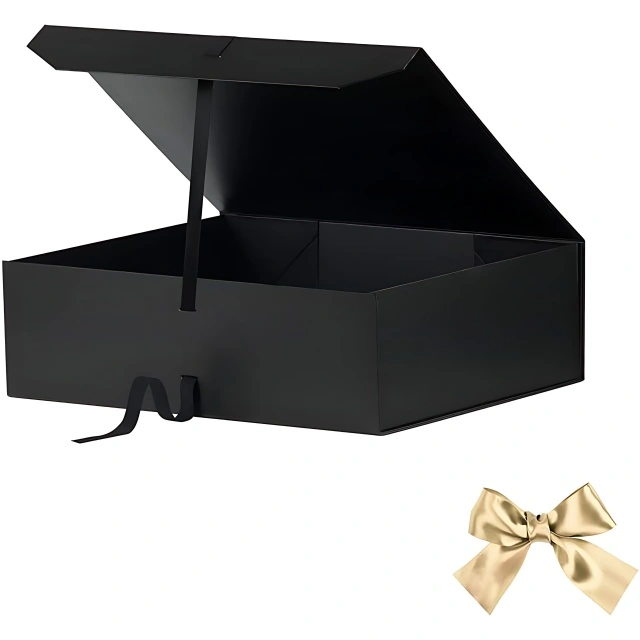
Black box with lid for jewelry | Matte black rigid packaging box with lid | Custom sizes and bulk orders at Richpack
View More

